

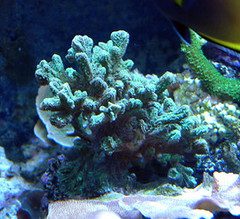
Hydnophora corals are hardy, fast-growing SPS with bold texture. They also have a strong sting. Good planning keeps them thriving and keeps neighbors safe.
Tank requirements and placement
Hydnophora does best in stable reef systems. Aim for a mature tank that is 6 months old. A 40-gallon breeder can work for one colony. Larger systems offer better stability and spacing.
Target these parameters and keep them steady. Temperature should be 25–26 C (77–79 F). Salinity should be 1.025–1.026 specific gravity. Keep alkalinity at 8–9 dKH, calcium 420–460 ppm, and magnesium 1300–1400 ppm.
Hydnophora is aggressive at night. It can extend sweepers several inches. Leave 6–8 inches of space in all directions. Place it on an isolated rock if possible. This makes trimming and removal easier.
Start with mid-level placement. Move it slowly over 2–3 weeks if needed. Watch the tissue at the base for recession. Use a frag rack for new pieces. See reef coral placement basics for a step-by-step layout plan.
- Minimum spacing: 6–8 inches from other corals
- Best tank age: 6+ months with stable nutrients
- Ideal nitrate: 2–10 ppm for better color
- Ideal phosphate: 0.03–0.10 ppm to avoid paling
Lighting, flow, and feeding
Hydnophora likes moderate to high light once acclimated. A good PAR range is 200–350 at the coral. Too much light too fast can cause bleaching. Too little light can lead to browning and slow growth.
Provide strong, chaotic flow. Aim for 20–40x turnover in the display. The goal is constant polyp movement without tissue tearing. Avoid a direct jet at one spot. Random flow helps shed mucus and detritus.
Hydnophora can live on light and dissolved nutrients. It still benefits from feeding. Offer small foods 1–2 times per week. Use reef roids, fine plankton, or thawed mysis juice. Feed after lights dim for better response.
Keep nutrients detectable, not zero. Ultra-low nutrients often cause pale tips and slow recovery. If you run heavy export, reduce it gradually. Consider smaller water changes instead of large swings. Our reef PAR and lighting guide can help you set targets.
- Acclimation tip: Start at 150–200 PAR, then raise 10–15% weekly
- Flow tip: Use two pumps on alternating pulses for random flow
- Feeding tip: Turn off return for 10 minutes during target feeding
Common problems, aggression, and fragging
The most common issue is chemical and physical warfare. Hydnophora can burn LPS and even some SPS. Check for white “bite” marks on neighbors. Also look for recession on the Hydnophora side facing another coral.
Tissue recession often follows instability. Test alkalinity at least twice per week. Keep daily swings under 0.3 dKH. If you see rapid tissue loss, check for pests and detritus buildup. Increase random flow and siphon the base gently.
Fragging is straightforward but messy. Wear gloves and eye protection. Cut branches with bone cutters or a saw. Dip frags in iodine for 5–10 minutes. Mount them with gel glue and epoxy. Give frags lower light for one week.
Quarantine helps prevent surprises. Observe for 2–4 weeks if you can. Watch for flatworms and algae on the skeleton. A simple dip and inspection catches many problems. Use our coral dip and quarantine steps as a checklist.
- Night check: Look for sweepers 1–2 hours after lights out
- Stability rule: Keep alkalinity swings under 0.3 dKH daily
- Frag recovery: Moderate flow and 150–200 PAR for 7 days
Hydnophora rewards stable parameters and smart spacing. Give it strong flow, steady alkalinity, and moderate to high light. Plan for its sting, and it can become a standout reef centerpiece.
Sources: Borneman, E. (2001) Aquarium Corals; Delbeek, J. & Sprung, J. (2005) The Reef Aquarium Vol. 3; Paletta, M. (2006) The New Marine Aquarium.
Was this helpful?
Related Posts
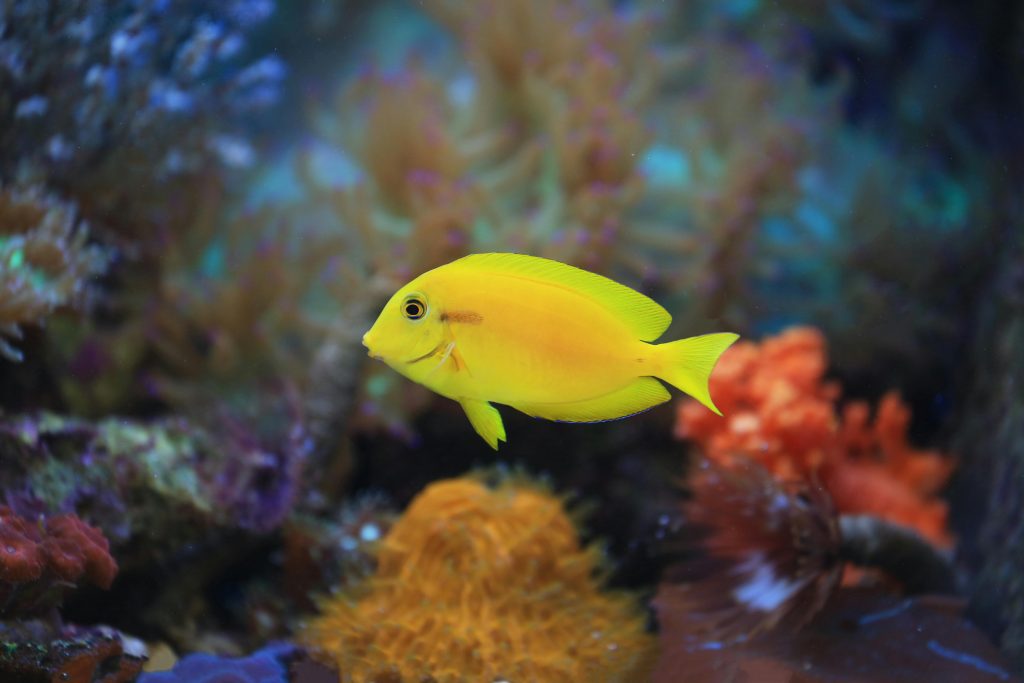
Juvenile Orange Shoulder (acanthurus Olivaceus)
Juvenile orange shoulder tangs are bright, hardy, and reef safe, but they grow large and need a spacious…
 By
By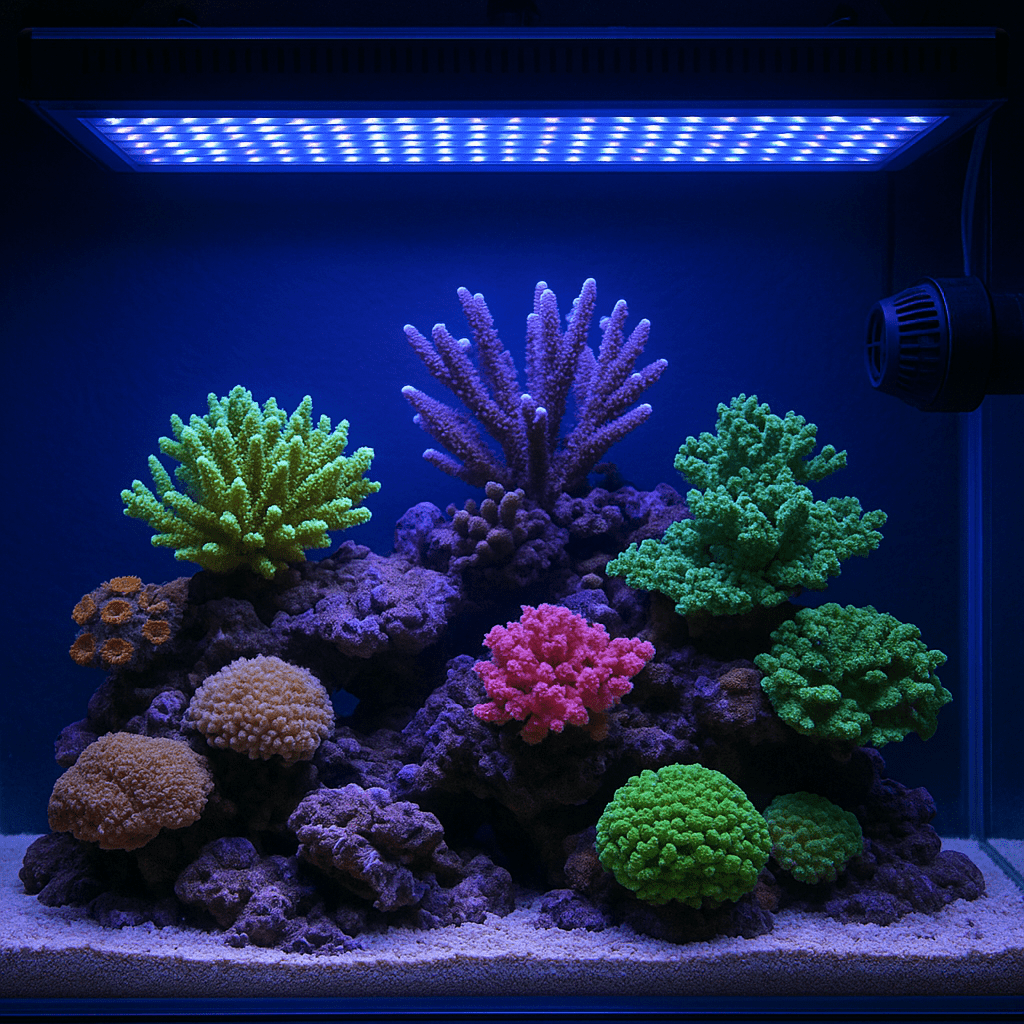
Best Filtration Systems
Best Filtration Systems for a Healthy Saltwater Aquarium Choosing the best filtration system for your saltwater aquarium is…
[favorite_button]
My Bookmarks:
To see full list click here
[user_favorites user_id="" include_links="true" site_id="" post_types="" include_thumbnails="true" thumbnail_size="thumbnail" include_excerpt="false"]