Invertebrates look “safe” compared to fish. They can still carry parasites and algae. A short quarantine protects your reef and your wallet.
Why quarantine invertebrates matters
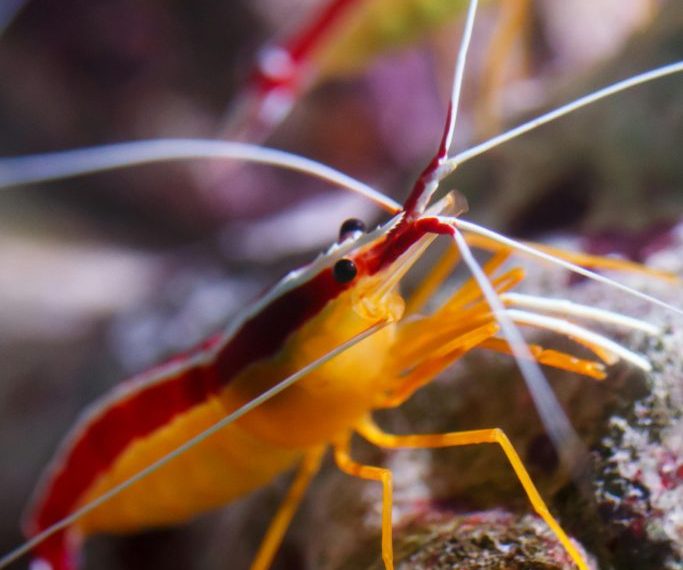
Many pests hitchhike on shells, feet, and hard surfaces. Snails can bring vermetid snails or predatory whelks. Shrimp can carry flukes or bacterial issues. Crabs can hide eggs and nuisance algae.
Inverts also arrive stressed from shipping. They face swings in salinity and temperature. Stress can cause rapid losses in the display tank. A calm quarantine lets them recover first.
Quarantine is also your observation window. You can spot odd behavior and damage early. You can remove unwanted hitchhikers before they spread. This is easier than trapping pests later.
Plan quarantine around your goals. For pest prevention, time matters. For disease prevention, medication options are limited. Most inverts cannot tolerate copper or many antibiotics.
- Use quarantine for 30 days to reduce hitchhiker risk.
- Use quarantine for 45–76 days if you suspect ich exposure.
- Never use copper in an invert quarantine tank.
For fish disease control, remember that inverts can carry cysts on surfaces. They do not “get” ich. They can still transport it. Pair this guide with fish quarantine basics for full protection.
Setting up an invert quarantine tank
Keep the setup simple and stable. A 10 to 20 gallon tank works for most orders. Use a heater, lid, and small powerhead. Add an air stone for extra oxygen.
Match salinity to the vendor bag when possible. Many shipments arrive at 1.020–1.023. Your reef may run 1.025–1.026. Raise salinity slowly over 24–72 hours.
Use inert hiding places. PVC elbows and small rubble rocks work well. Avoid live rock from your display. It can transfer pests both ways. Use a bare bottom for easy cleaning.
Cycle the tank before you buy inverts. Use a seeded sponge filter in your sump. Keep a spare sponge running all year. This prevents ammonia spikes during quarantine.
- Temperature: 77–79°F with less than 1°F daily swing.
- Salinity: start at bag level, then aim for 1.025–1.026.
- Ammonia: 0 ppm, nitrite: 0 ppm, nitrate: under 20 ppm.
Test ammonia daily for the first week. Use a detoxifier if needed. Do small water changes, like 10–20%, when ammonia appears. Keep a log in your maintenance notes. See reef tank water testing for a simple schedule.
Acclimation, dips, and daily care
Acclimate inverts with a slow drip method. Aim for 2–4 drops per second at first. Double the volume over 30–60 minutes for snails and crabs. For shrimp and stars, go 60–120 minutes.
Avoid freshwater dips for most inverts. It can kill them fast. Use targeted dips only when appropriate. Coral dips are not invert dips. Read labels and follow dosage exactly.
Feed lightly and consistently. Many snails graze biofilm, not pellets. Add a small algae wafer piece every other day. Offer nori strips for herbivores. Remove leftovers after two hours.
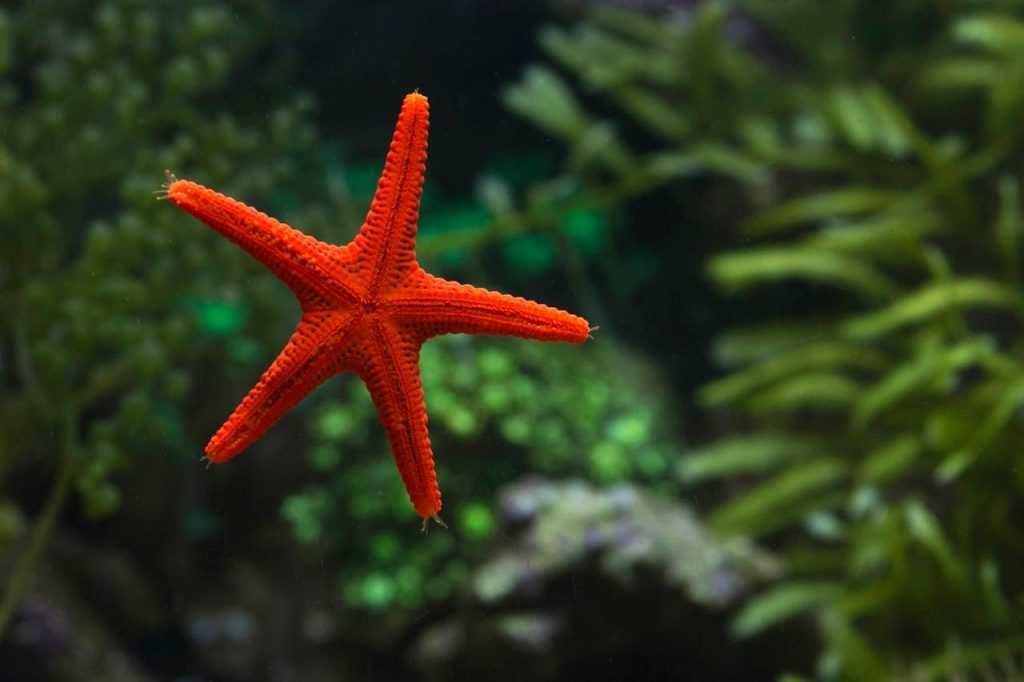
Watch for common red flags each day. Snails that stay upside down may be weak. Shrimp that hide nonstop may be stressed. Stars with melting arms need urgent action. Improve oxygen and check salinity first.
- Flip snails upright within 15 minutes if they cannot right themselves.
- Run extra aeration during warm days and after feeding.
- Inspect shells at night with a flashlight for whelks.
If you suspect ich in your system, extend quarantine time. Keep the invert tank fishless. Maintain stable temperature and salinity. Time is the main tool. For display planning, review reef tank fallow period guide.
Troubleshooting and common mistakes
The top mistake is rushing salinity changes. Many inverts cannot handle fast swings. Raise specific gravity by no more than 0.001 per day. Use a calibrated refractometer.
Another mistake is starving the clean-up crew. A sterile quarantine has little algae. Provide food and a small piece of dried seaweed. Starvation looks like inactivity and weak grip.
Ammonia is the silent killer in small tanks. One dead snail can spike ammonia overnight. Remove dead animals fast. Keep premixed saltwater ready for emergency changes.
Finally, avoid “reef safe” cures in quarantine. Many contain oils or metals. They can harm shrimp and snails. Use water changes and stability first. Treat the root cause, not the symptom.
Sources: Humblefish Disease Forum (invert transfer risk and fallow concepts); Reef2Reef community guides (invert acclimation and quarantine practices); Borneman, E. “Aquarium Corals” (general invertebrate husbandry principles).
Was this helpful?
Related Posts
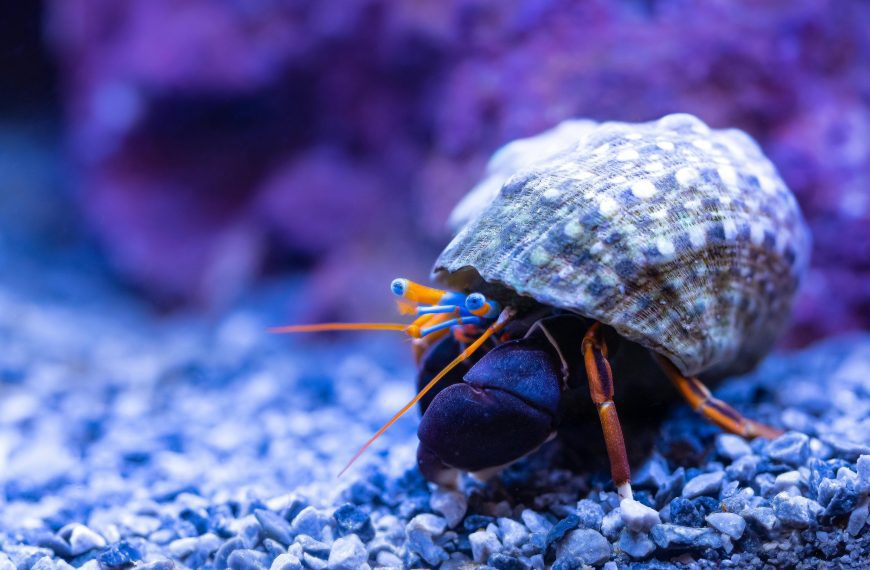
Best Reef Safe Cleanup Crew
The best reef safe cleanup crew includes hardy snails, selective scavengers, and a few specialty invertebrates matched to…
 By
By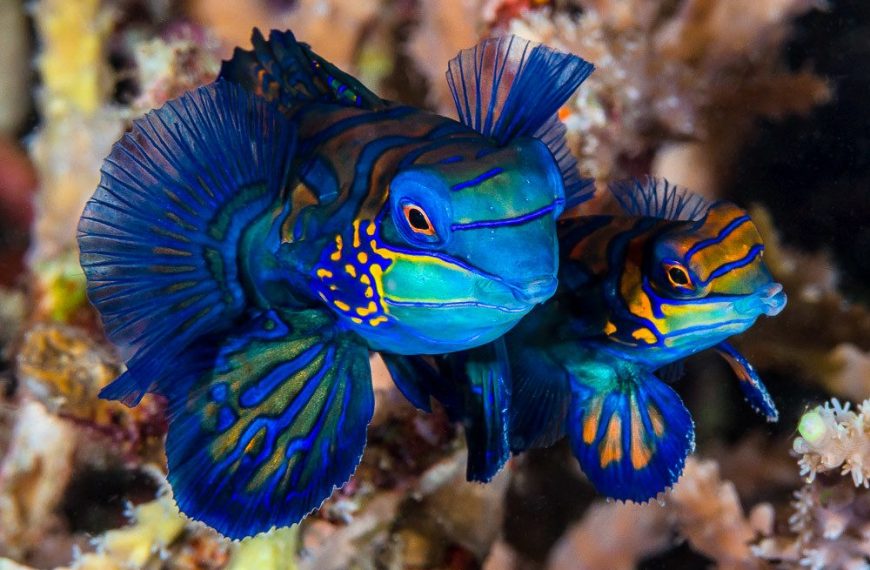
Dragonets Fish Care
Dragonets are beautiful reef fish, but they need mature tanks and steady food sources. Learn how to keep…