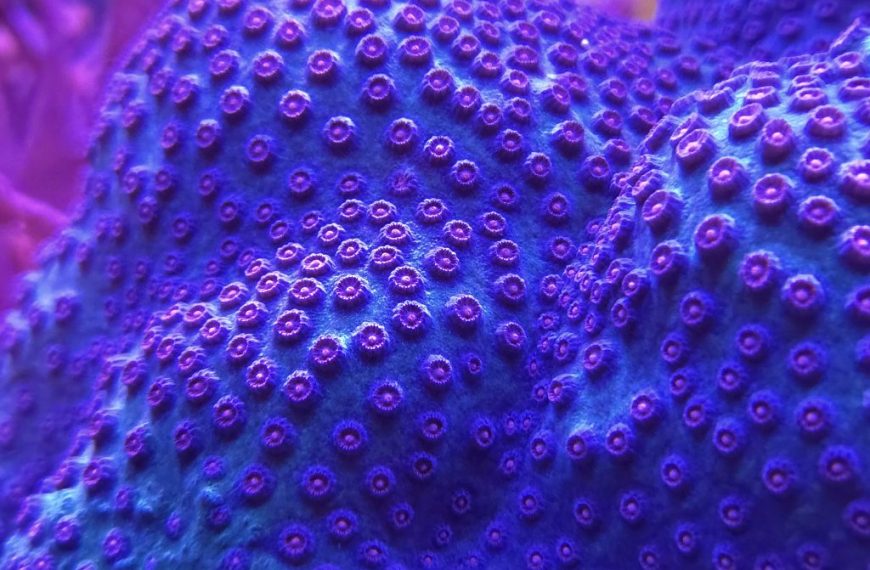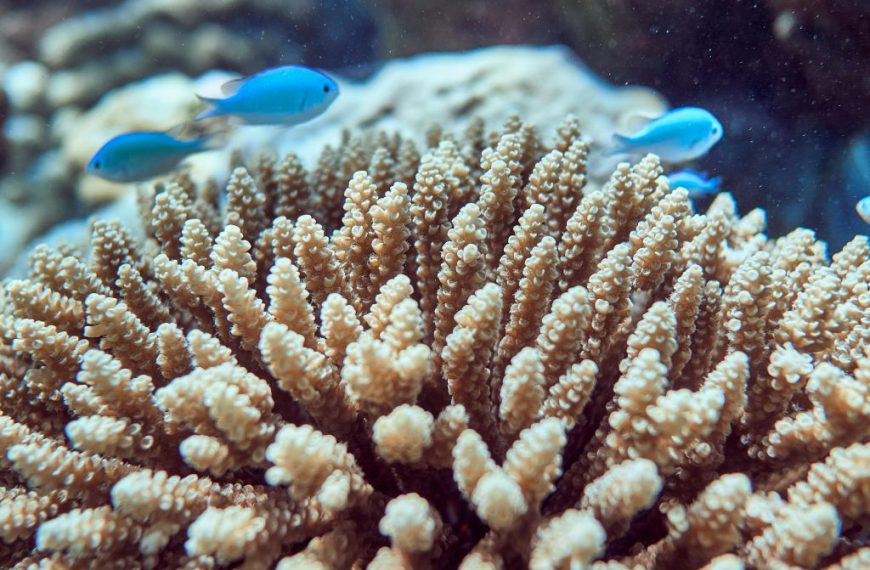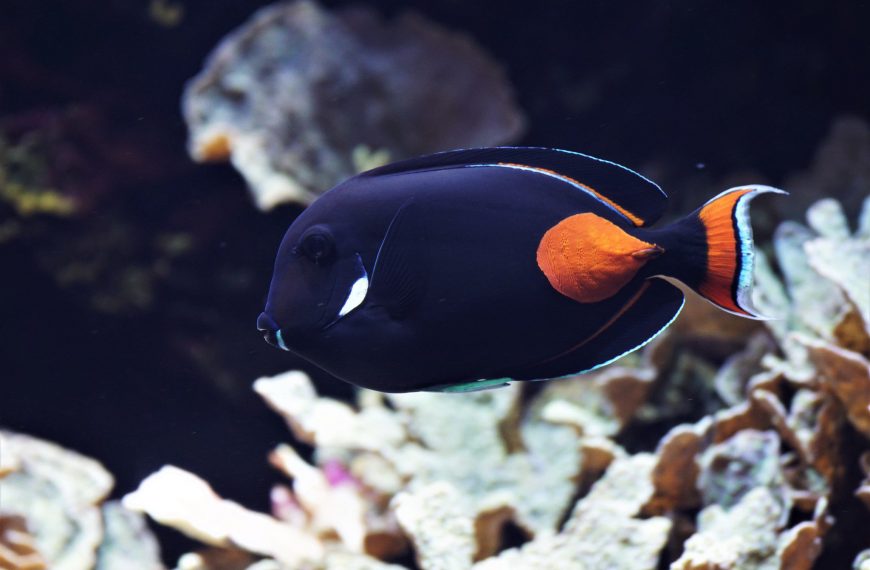
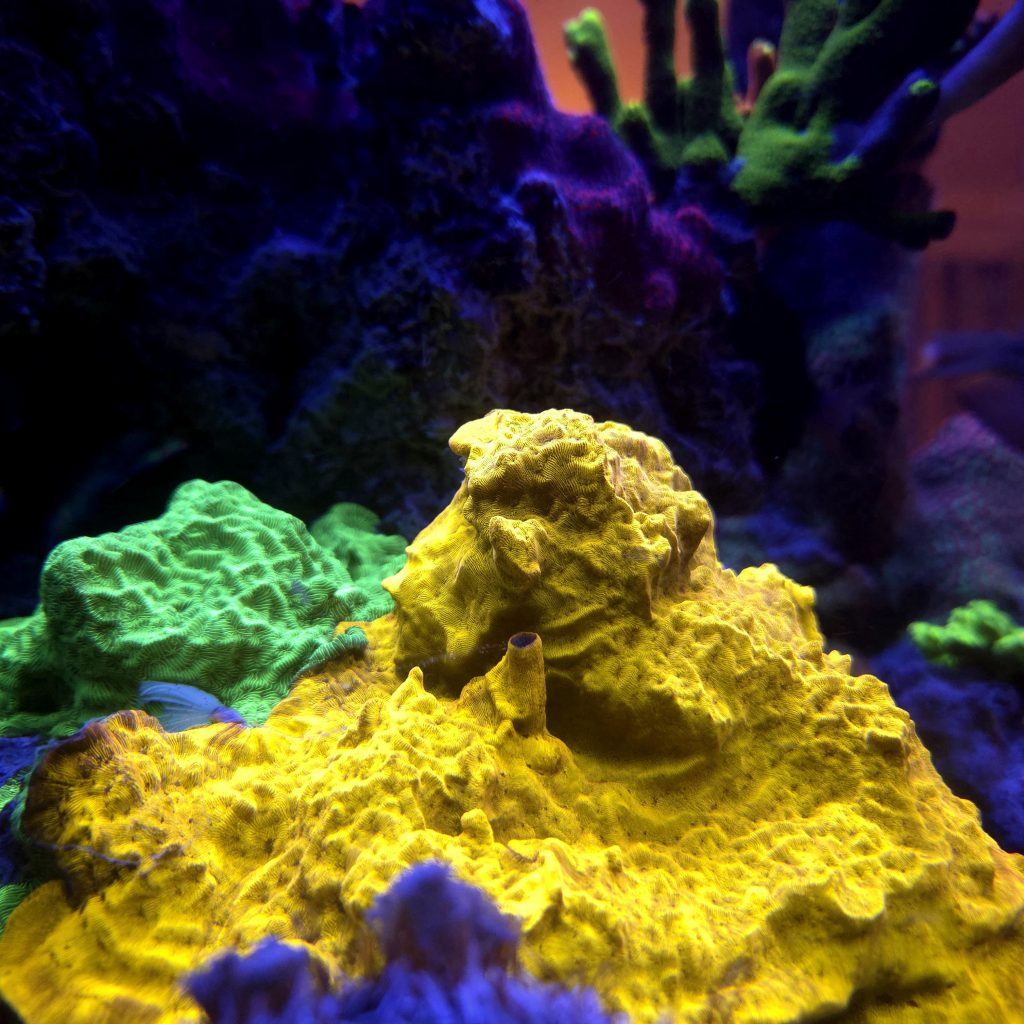
Leptoseris corals are hardy, low-profile LPS that can thrive in many reefs. They reward stable parameters with strong color and steady plating growth. Their needs are simple, but placement and light control matter.
Understanding Leptoseris growth and placement
Leptoseris often grows as thin plates or layered shelves. Many varieties encrust first, then start to plate outward. Give them room to expand. A two-inch frag can become a six-inch plate in a year.
Start them low to mid in the tank. Aim for moderate, indirect flow. Strong laminar flow can peel tissue at the edge. Dead spots can trap detritus and dull color.
Place them on stable rock, not loose rubble. Plates can act like sails in high flow. A fallen plate can sting neighbors. Leave 2 to 3 inches of space from other corals.
Night sweepers are usually short, but contact still causes damage. Use a “growth lane” plan. Keep aggressive LPS like Euphyllia and Galaxea farther away. If you need layout help, see reef aquascaping basics.
- Mount frags on a flat plug to guide plating direction.
- Keep plates away from powerhead intakes and overflows.
- Blow detritus off weekly with a turkey baster.
Lighting, flow, and water parameters that work
Leptoseris prefers moderate light. A safe starting PAR is 60 to 120. Many can adapt to 150 PAR with slow acclimation. Sudden jumps often cause paling within a week.
Use a two-week ramp when changing lights. Reduce intensity by 20% at first. Then increase 5% every three to four days. Watch for tissue thinning at the rim.
Keep alkalinity stable above all else. Target 8.0 to 9.0 dKH. Maintain calcium at 420 to 450 ppm. Keep magnesium at 1280 to 1400 ppm. Stability beats chasing exact numbers.
Nutrients should not be zero. Aim for nitrate 5 to 15 ppm. Keep phosphate 0.03 to 0.10 ppm. Ultra-low nutrients can fade reds and oranges. If you struggle with swings, review reef tank water parameters.
- Temperature: 25 to 26.5°C (77 to 80°F) with under 0.5°F daily swing.
- Salinity: 1.025 to 1.026 specific gravity, measured with a calibrated refractometer.
- pH: 8.1 to 8.3 with strong surface agitation.
Feeding, maintenance, and troubleshooting common issues
Leptoseris can live on light and dissolved nutrients. Feeding helps growth and color. Offer fine foods one to two times per week. Use reef roids, powdered plankton, or blended mysis dust.
Feed after lights dim, when polyps extend more. Turn off return pumps for 10 minutes. Keep a small powerhead on for gentle circulation. Target feed lightly to avoid nutrient spikes.
Common mistake one is placing them too bright too soon. You may see a washed center and bright rim. Move the coral lower and reduce PAR by 20. Color often returns in two to four weeks.
Common mistake two is letting detritus sit on the plate. This can cause brown film and edge recession. Increase random flow and baste the coral weekly. If recession continues, check alkalinity swings and pests. Flatworms and vermetids can irritate edges. For quarantine steps, see coral dip and quarantine.
- If tissue recedes: test dKH daily for one week and correct dosing drift.
- If algae grows on the plate: raise flow and reduce feeding by 25%.
- If color fades: increase nitrate to 5 to 10 ppm and stabilize phosphate.
Leptoseris corals do best with moderate light, gentle flow, and stable chemistry. Start low, acclimate slowly, and keep nutrients measurable. With consistent care, they will plate out and add bold texture to your reef.
Sources: Borneman, Eric H. “Aquarium Corals” (TFH); Sprung, Julian. “The Reef Aquarium” Vol. 1–3; Delbeek & Sprung. “The Reef Aquarium” science and husbandry references.
Was this helpful?
Related Posts
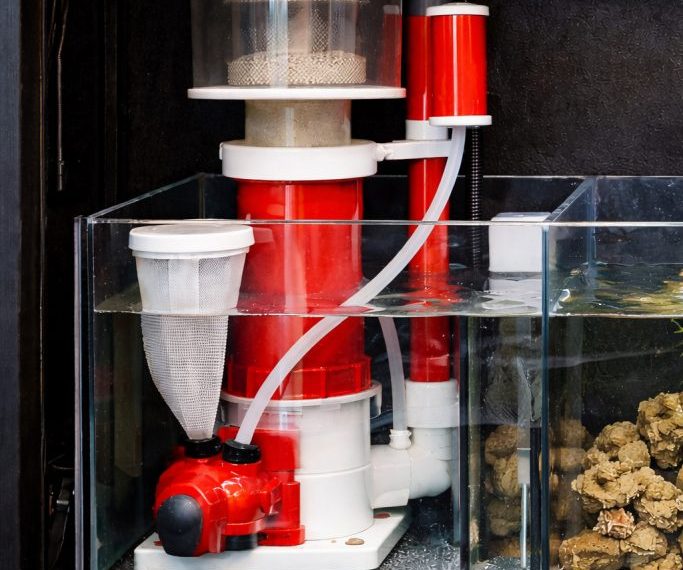
Protein Skimmer Reef Tank Guide
Learn how a protein skimmer works, how to size one, and how to tune it for a cleaner,…
 By
By
Reef Aquarium Water Parameters
Learn the ideal reef aquarium water parameters, safe ranges, and how to keep salinity, alkalinity, nutrients, and pH…