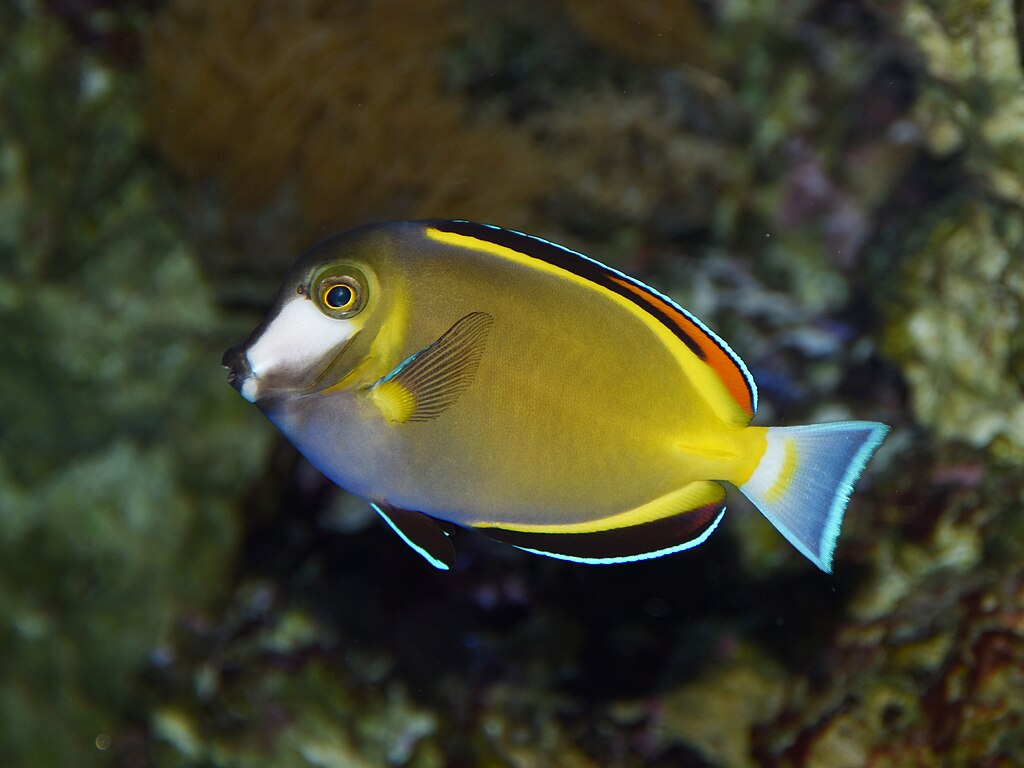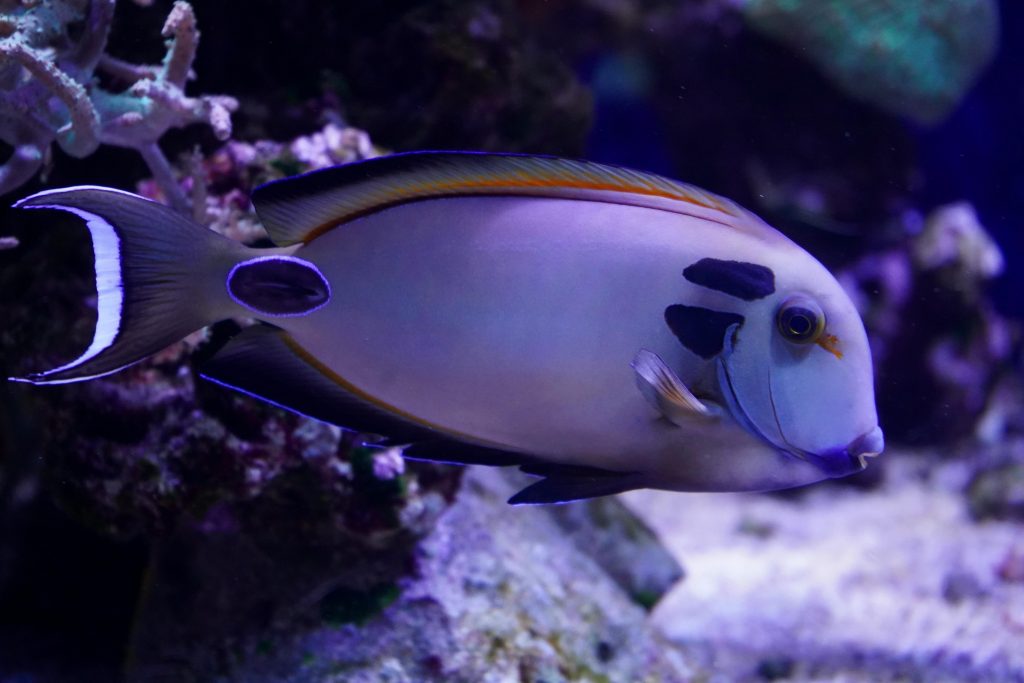
The Lieutenant Tang, also called Acanthurus tennenti, is a large, active surgeonfish with bold patterning and a strong grazing instinct. It can work well in big reef tanks, but it needs space, stable water, and careful stocking. This guide covers care, feeding, compatibility, and common problems.
The Lieutenant Tang is often overlooked next to more famous tangs. That is a mistake. This species has striking juvenile markings, a handsome adult look, and constant movement that brings life to a reef aquarium. It is also a serious herbivore that helps control film algae and some nuisance growth. Still, this fish is not for small tanks or rushed setups. It grows large, swims hard, and can become territorial in tight quarters. Beginners can keep one successfully if they plan ahead. In this article, you will learn how to house, feed, and maintain a healthy Lieutenant Tang. You will also learn how to avoid common mistakes that lead to stress, aggression, and disease.
Quick Reference Care Table
| Common name | Lieutenant Tang |
| Scientific name | Acanthurus tennenti |
| Care level | Moderate |
| Temperament | Semi-aggressive |
| Diet | Herbivore with omnivorous needs |
| Minimum tank size | 180 gallons |
| Adult size | Up to 10 inches or more |
| Reef safe | Generally yes |
| Temperature | 75–79°F |
| Salinity | 1.025–1.026 |
| pH | 8.1–8.4 |
| Flow | Moderate to strong |
| Lighting | No special need beyond reef tank norms |
Use this table as a starting point. Adult size and swimming behavior matter most with this species. Many care issues come from tanks that are simply too small.
Natural Habitat
The Lieutenant Tang comes from the Indo-Pacific. It is found around reef slopes, lagoons, and outer reef areas. In nature, it spends much of the day cruising open water near rockwork. It grazes algae and organic film from hard surfaces. It also picks at detritus and small food items in the water column.
This natural behavior explains its aquarium needs. The fish wants room to move. It also wants mature rock surfaces to inspect and graze. Young fish often stay closer to structure. Adults become more confident and spend more time in open areas. On wild reefs, this species deals with strong oxygen levels and constant water movement. That is why it struggles in tanks with low flow or poor gas exchange. A Lieutenant Tang also relies on stable conditions. Sudden swings in salinity or temperature can weaken its immune system fast. If you build the tank around its natural habits, long-term success becomes much easier.
Aquarium Setup
A 180-gallon tank is the practical minimum for one adult Lieutenant Tang. Bigger is better. A 220-gallon or larger tank gives much better swimming room and reduces aggression. Tank length matters more than height. Long tanks support natural cruising behavior.
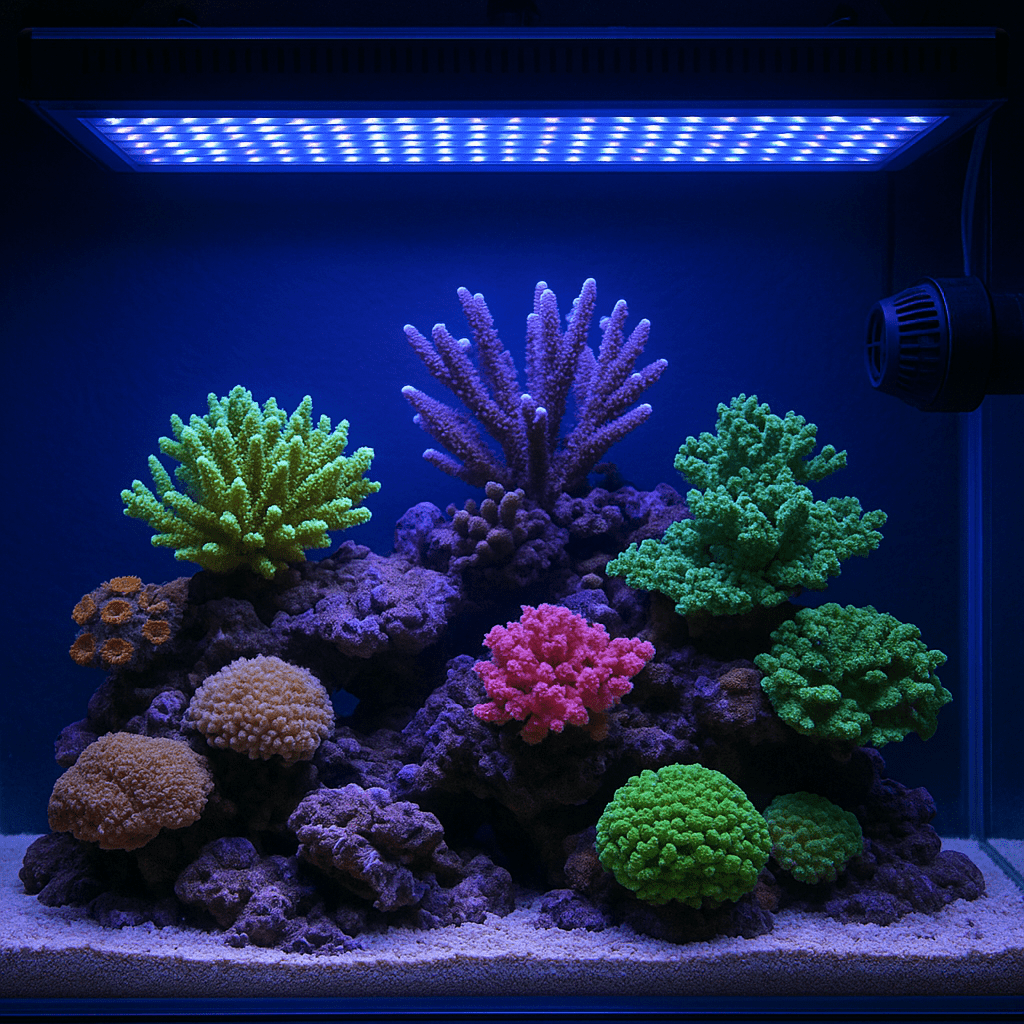
Build the aquascape with a mix of open lanes and solid rock structure. Do not wall off the entire back of the tank with rock. Leave broad channels for swimming. Create caves and shaded resting spots. Use stable rockwork that cannot shift if the tang darts into it. Mature live rock is ideal because it grows natural algae and biofilm. Strong filtration is important. This fish eats heavily and produces plenty of waste. A good protein skimmer helps keep oxygen high and organics low. Add a lid if possible. Tangs are not famous jumpers, but startled fish can launch. Quarantine every new specimen before display introduction. For more setup basics, see: reef tank setup guide, marine fish quarantine guide, aquarium aquascaping tips.
Lighting Requirements
The Lieutenant Tang has no specialized lighting demands. It does well under normal reef lighting used for corals. Lighting matters more for the tank ecosystem than for the fish itself. Good light supports algae growth on rock and keeps the reef environment stable.
Avoid sudden lighting changes. New tangs often arrive stressed and pale. Intense light on day one can make them hide and refuse food. Use a normal acclimation schedule if your reef runs powerful LEDs or metal halides. Provide shaded zones under ledges so the fish can retreat when needed. In mixed reefs, balance light around coral needs rather than the tang. If the tank is very sterile and spotless, the fish may lose a natural grazing source. That does not mean you should allow nuisance algae to take over. It means the display should feel mature and biologically active. A healthy reef with stable photoperiods helps this fish settle in faster. If you are tuning your reef system, read: reef lighting schedule and PAR guide.
Water Flow
Lieutenant Tangs enjoy moderate to strong flow. They come from oxygen-rich reef zones and benefit from brisk water movement. Good flow keeps waste suspended, improves oxygen exchange, and supports overall fish health.
Use varied flow rather than one harsh stream. The fish should be able to swim through stronger areas and then rest in calmer pockets. Random flow patterns work well in large reef tanks. Surface agitation is especially important. Surgeonfish often show stress first when oxygen drops. Signs include heavy breathing, hanging near pumps, or reduced activity. Poor flow also contributes to detritus buildup and algae issues. That creates a weaker environment for a grazing fish. If your tank has dead spots, adjust pumps or rock placement. Keep powerheads guarded and secure. Large tangs can wedge into strange places when startled at night. Strong, clean, well-oxygenated water is one of the simplest ways to keep this species robust.
Feeding
Feed the Lieutenant Tang often and with variety. This is the core of good care. It is mainly an herbivore, but it also benefits from mixed foods. Offer dried nori daily. Clip it to the glass in at least one feeding station. In larger tanks, two stations reduce competition.
Also feed spirulina flakes, quality herbivore pellets, and frozen foods with plant content. Mysis shrimp, enriched brine, and blended reef foods can be offered in smaller amounts. Feed two to three times daily when possible. Frequent feeding supports weight, color, and immune function. A thin tang is a warning sign. So is a fish that stops grazing between meals. Soak foods in vitamins a few times each week. This can help during acclimation and after shipping stress. Do not rely on algae in the tank alone. Even mature reefs rarely provide enough for a large tang long term. Watch the belly line. It should look full, not pinched. If you keep multiple herbivores, spread food around the tank to reduce chasing.
Compatibility
The Lieutenant Tang is generally reef safe with corals and most invertebrates. It does not usually nip fleshy corals the way some angelfish do. Its main compatibility issue is aggression toward other tangs, especially similar-shaped species. In cramped tanks, conflict can become severe.
This fish often does best as one of the last additions. That is especially true if the tank already contains tangs. Introduce with care. Rearranging some rock can help break established territories. Use an acclimation box if needed. Avoid pairing it with other large Acanthurus tangs unless the system is very large. Zebrasoma species may work better, but there are no guarantees. With reef fish, it is usually fine alongside wrasses, clownfish, gobies, anthias, and larger peaceful angels. Avoid very aggressive triggerfish or bullying tankmates that may stress it. Cleaner shrimp and cleaner wrasses are often appreciated. They can support natural grooming behavior. For stocking ideas, see: reef fish compatibility chart and best cleanup crew for reef tanks.
Step-by-Step Acclimation Guide
1. Quarantine first. Keep the fish in a separate tank for observation. Watch for ich, velvet, and bacterial issues.
2. Offer food immediately. Start with nori and a quality frozen blend. Eating early is a very good sign.
3. Stabilize water quality. Keep ammonia at zero. Match salinity and temperature carefully. Avoid sudden shifts.
4. Reduce stress. Provide PVC shelters or rock in quarantine. Keep lighting dim for the first day.
5. Introduce thoughtfully. Add the fish when the display lights are lower. Feed all fish before release.
6. Monitor aggression. Watch closely for the first week. Use mirrors, acclimation boxes, or temporary dividers if needed.
7. Maintain nutrition. Continue heavy herbivore feeding during the adjustment period. Well-fed tangs handle stress much better.
Propagation or Breeding
Lieutenant Tangs are not realistically bred by home aquarists at this time. Like many surgeonfish, they are pelagic spawners in the wild. Eggs and larvae drift in open water and require specialized rearing systems. That places breeding far beyond normal hobby methods.
For most keepers, the practical goal is not propagation. The goal is long-term health and responsible sourcing. Buy a well-conditioned specimen from a trusted dealer. Look for clear eyes, a full body, and steady grazing behavior. Avoid fish with frayed fins, rapid breathing, or visible spots. Captive breeding may improve in the future as marine fish culture advances. Until then, careful selection and excellent husbandry are the best ways to support this species in the hobby.
Common Problems
Ich and Other Parasites
Like most tangs, this species is prone to marine ich. Stress is a major trigger. Shipping, aggression, and unstable water all increase risk. Quarantine is the best defense. If white spots appear, act fast and confirm the diagnosis. Do not treat blindly in a reef display.
Refusing Food
New specimens may refuse prepared foods at first. Start with nori on a clip. Try red, green, and brown seaweed types. Offer food near the fish’s hiding area. Reduce aggression and bright light. A fish that still refuses food after several days needs close attention.
Aggression in the Display Tank
Chasing usually comes from space limits or tang rivalry. Add more feeding stations. Rearrange rock if needed. Use an acclimation box for introductions. In some cases, one fish must be removed. Constant fighting rarely fixes itself.
Weight Loss
A pinched belly means the fish is not getting enough nutrition. Increase feeding frequency. Improve food variety. Check for bullying that blocks access to food. Also consider internal parasites if appetite seems normal but weight still drops.
Head and Lateral Line Erosion
HLLE can affect tangs in poor conditions. Causes may include weak diet, stray voltage, stress, and low water quality. Feed vitamin-rich foods and marine algae daily. Maintain excellent filtration. Run quality carbon correctly and avoid dusty media.
Frequently Asked Questions
How big does a Lieutenant Tang get?
It can reach around 10 inches or more in captivity. Some individuals grow quite robust. Plan for adult size from the start.
Is the Lieutenant Tang reef safe?
Yes, it is usually reef safe with corals and invertebrates. The main concern is aggression toward other tangs, not coral damage.
What is the minimum tank size for a Lieutenant Tang?
A 180-gallon tank is the minimum for long-term care. Larger tanks are strongly preferred because this fish is a powerful swimmer.
What does a Lieutenant Tang eat?
Feed nori, spirulina foods, herbivore pellets, and some frozen foods. Offer food two to three times daily for best condition.
Can you keep a Lieutenant Tang with other tangs?
Sometimes, yes, but only in large systems with careful planning. Similar species often fight. Introductions should be managed closely.
The Lieutenant Tang is a rewarding fish for reef keepers with enough space and patience. It is active, useful, and attractive in a mature display. Give it room, steady water, and heavy herbivore feeding. Do that, and this underrated tang can become a standout long-term resident.
Was this helpful?
Related Posts
Coral Beauty Angelfish (Centropyge Bispinosa)
Coral Beauty Angelfish are colorful dwarf angels that thrive in mature tanks, but they are only reef safe…
 By
By
Clove Polyps Care
Clove polyps care made simple: placement, light, flow, and stable nutrients. Learn target parameters, feeding, and how to…