
Light Schedule Tips for a Happy Saltwater Aquarium
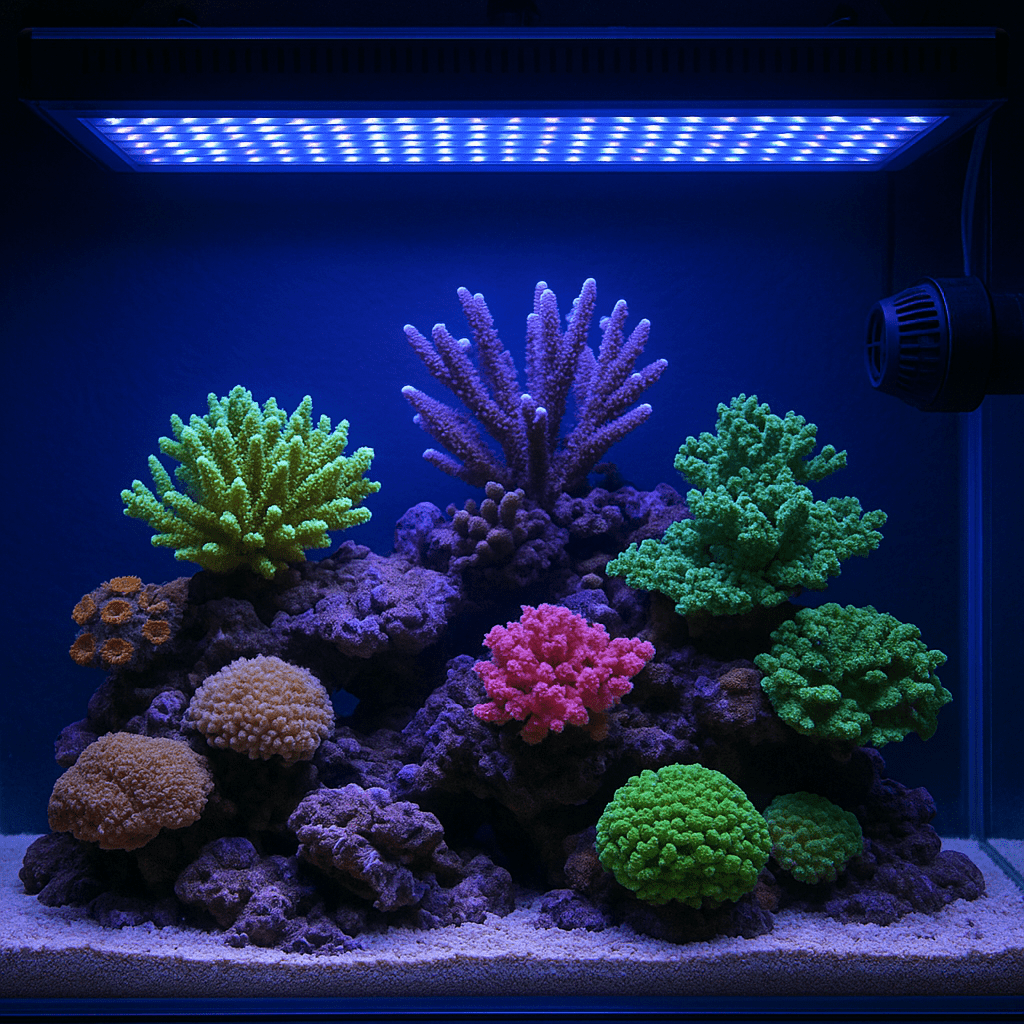
Dialing in your light schedule is one of the most important (and most misunderstood) parts of running a healthy saltwater aquarium. Whether you keep soft corals, LPS, or a full-blown SPS reef, a consistent and well‑planned lighting routine can improve coral color, growth, and even reduce nuisance algae.
Think of your reef lights as a way to mimic a natural sunrise and sunset over a shallow tropical reef. Instead of blasting your tank with full intensity all day, you’ll get better results by easing the tank into daylight and back into darkness.
Designing a Reef-Friendly Daily Light Schedule
Before you set timers or program your LEDs, it helps to understand what your tank actually needs. If you’re just starting out, you may also want to review our guide on beginner saltwater tank setup so your lighting plan matches your livestock and equipment.
Recommended Photoperiod
- Total lighted period: 8–10 hours per day is plenty for most reef tanks.
- Peak intensity: 4–6 hours in the middle of the day when lights are at their strongest.
- Ramp up / ramp down: 1–2 hours of gentle “sunrise” and “sunset” to avoid shocking fish and corals.
A simple example schedule for a mixed reef might look like this:
- 10:00–11:00 – Blue-heavy sunrise at 10–30% intensity
- 11:00–17:00 – Peak daylight at 60–100% (depending on PAR needs)
- 17:00–18:00 – Blue-heavy sunset back down to 10–30%
- 18:00–22:00 – Optional very low blue “viewing” period (5–10%)
That last low-blue period is mainly for you to enjoy the tank. If you’re battling algae, shorten or remove it to reduce total light exposure.
Match Light Schedule to Your Livestock
Different corals and inverts have different light demands. If you’re unsure, start conservative and increase slowly over a few weeks. You can also cross-check with your stocking plan from our article on choosing corals for small reef tanks.
- Soft corals & most LPS: Moderate PAR and a 8–9 hour photoperiod usually works well.
- SPS-dominated tanks: Often prefer higher PAR and a 9–10 hour day, but still with only 4–6 hours at peak.
- Fish-only systems: Can run shorter days (6–8 hours) since there are no photosynthetic corals to support.
Practical Tips for Stable, Algae-Resistant Lighting
Consistency is more important than chasing the “perfect” spectrum. Once you find a schedule your tank likes, resist the urge to tweak it every few days.
- Use a timer or controller: Even simple plug-in timers can keep your schedule rock solid.
- Change slowly: When adjusting intensity or duration, change by 5–10% per week, not overnight.
- Watch your corals: Pale, washed-out corals may be getting too much light; dark, stretched corals may want more.
- Control algae with light: If nuisance algae appears, slightly shorten the photoperiod instead of slashing nutrients immediately.
- Clean your lenses and splash guards: Salt creep and dust can cut PAR and change your effective schedule without you realizing it.
If you’re experimenting with different intensities, logging changes in a simple reef journal or alongside your reef tank maintenance checklist makes it easier to see what actually helps.
Pro tip: Program your lights so that the brightest part of the day happens when you’re usually home. That way, you and your corals both get the best of your lighting schedule.
In the end, a good light schedule is predictable, gentle at the edges of the day, and tailored to your specific tank. Give your reef time to respond to changes, observe your corals closely, and adjust in small steps. With a stable, thoughtful lighting routine, you’ll see better color, growth, and happier fish and inverts over the long term.
Sources
- Borneman, E. H. (2001). Aquarium Corals. TFH Publications.
- Delbeek, J. C., & Sprung, J. (1994–2005). The Reef Aquarium Vol. 1–3. Ricordea Publishing.
- Dana Riddle, assorted articles on coral photobiology and PAR/photoperiod in reef aquaria.
Was this helpful?
Related Posts
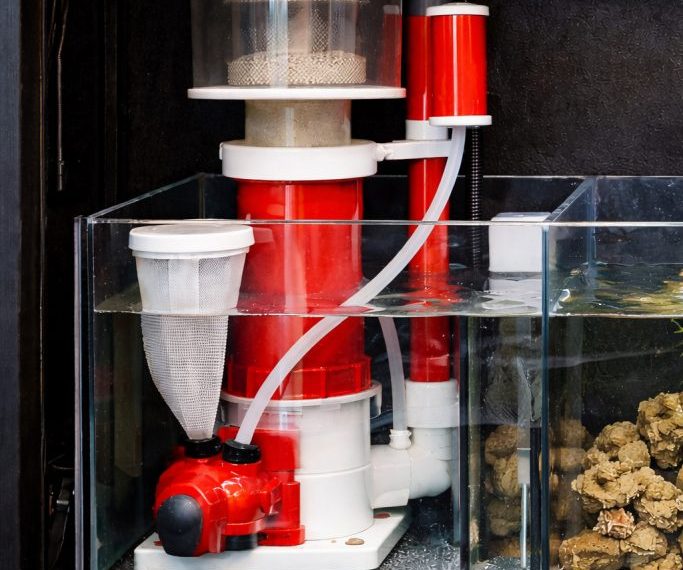
Protein Skimmer Reef Tank Guide
Learn how a protein skimmer works, how to size one, and how to tune it for a cleaner,…
 By
By
Reef Aquarium Water Parameters
Learn the ideal reef aquarium water parameters, safe ranges, and how to keep salinity, alkalinity, nutrients, and pH…