

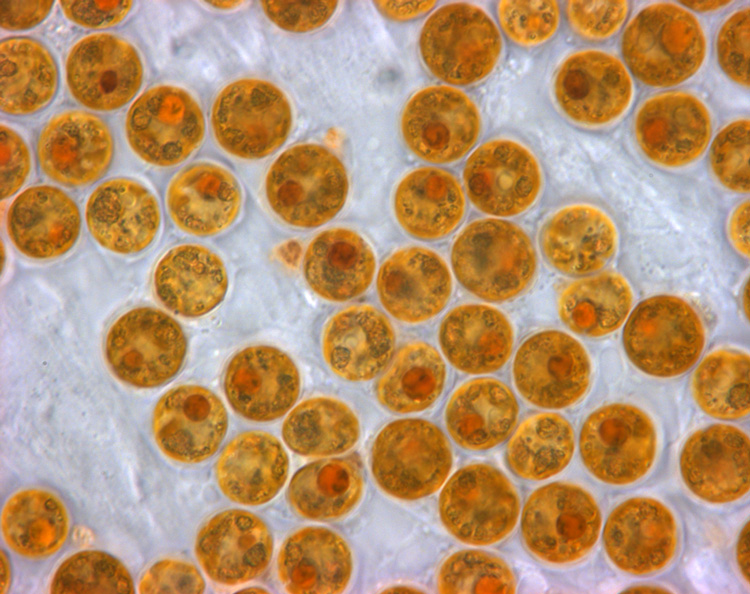
Zooxanthellae are tiny symbiotic algae that live inside coral tissue. They turn light into energy and share much of it with their coral host. This partnership fuels growth, color, and reef building. When it breaks down, corals can bleach and decline quickly.
If you keep corals, you are really caring for two organisms at once. You are caring for the animal and its microscopic algae partners. Understanding zooxanthellae helps explain why lighting, nutrients, temperature, and flow matter so much in reef tanks. In this guide, you will learn what zooxanthellae are, how they support coral survival, what causes stress in this relationship, and how to keep conditions stable in a home aquarium. This topic sits at the center of successful reef keeping. Once you understand it, many coral care decisions become easier and more logical.
Quick Reference Table
| Topic | Key Point |
| What are zooxanthellae? | Photosynthetic algae that live inside many corals and other invertebrates. |
| Main benefit to coral | They provide sugars, oxygen, and energy from light. |
| What coral provides back | Shelter, carbon dioxide, and waste nutrients like nitrogen and phosphorus. |
| Why they matter | They support coral growth, color, and skeleton formation. |
| What happens during bleaching | Corals expel or lose zooxanthellae, exposing pale tissue and reducing energy supply. |
| Main stress triggers | Heat, unstable parameters, sudden light changes, poor water quality, and disease. |
| Reef tank takeaway | Stable light, temperature, nutrients, and flow protect the coral-algae partnership. |
What Are Zooxanthellae?
Zooxanthellae are microscopic dinoflagellate algae. They live inside the tissues of many reef-building corals. They also occur in some anemones, clams, and other reef invertebrates. In modern reef science, many belong to the family Symbiodiniaceae. Hobbyists still often use the older and simpler term zooxanthellae.
These algae are not just passive residents. They perform photosynthesis using light, carbon dioxide, and nutrients. That process creates energy-rich compounds. The coral then uses much of that energy to grow, repair tissue, and build skeleton. This is why many popular corals depend heavily on light. It is not only for the coral animal. It is also for the algae living within it.
Different corals can host different strains of zooxanthellae. Some strains handle heat better. Some adapt better to brighter light. This helps explain why coral responses vary between tanks. Two similar corals may react very differently under the same conditions.
How Zooxanthellae Help Corals Survive
The coral and zooxanthellae relationship is a classic example of symbiosis. Both partners benefit. The algae receive a protected place to live. They also gain access to carbon dioxide and dissolved nutrients from coral metabolism. In return, the coral receives food made through photosynthesis.
This energy transfer is massive. In many stony corals, zooxanthellae can supply most of the coral’s daily energy needs. That energy supports tissue growth and calcification. Calcification is the process of building the calcium carbonate skeleton. Without enough energy, skeleton growth slows. Tissue can thin. Color may fade. Recovery from stress becomes harder.
Zooxanthellae also produce oxygen during photosynthesis. That supports the coral’s internal environment during the day. Their pigments contribute to the look of many corals too. Coral color comes from several sources. It includes zooxanthellae pigments and the coral’s own fluorescent proteins. When algae density changes, coral appearance often changes with it.
Natural Habitat and Why Light Matters
Most zooxanthellate corals come from shallow tropical seas. These waters are clear, warm, and bright. Sunlight penetrates deeply enough to support photosynthesis. That is why reef-building corals dominate sunlit reef zones. They thrive where light, flow, and chemistry support both coral tissue and algae.
In nature, coral shape often reflects light and flow conditions. Branching Acropora usually grow in brighter, higher-energy areas. Many LPS corals prefer lower light and gentler zones. Soft corals vary widely. The common thread is this. The coral’s habitat matches the needs of its zooxanthellae and the coral animal itself.
In aquariums, we try to recreate those conditions in a controlled way. Strong reef lighting supports photosynthesis. Good flow helps deliver gases and nutrients. Stable temperature protects the partnership from stress. If one of these factors swings too far, the coral-algae balance can break down fast.
Lighting Requirements in a Reef Aquarium
Lighting is one of the biggest factors affecting zooxanthellae. Too little light limits photosynthesis. Corals may darken as algae density increases to capture more energy. Growth often slows. Too much light can also be harmful. Excess light can overwhelm the photosynthetic system. That creates oxidative stress inside coral tissue.
This is why acclimation matters. A coral moved from dim light to intense LEDs can bleach quickly. The coral and its algae need time to adjust. Use light acclimation modes when possible. You can also reduce intensity or shorten the photoperiod at first. Then raise it gradually over one to three weeks.
Different corals need different PAR ranges. Many soft corals do well in lower to moderate light. Many LPS corals prefer moderate light. Many SPS corals need higher light and very stable conditions. If you want a better foundation, read our guide on reef tank lighting basics. It helps connect PAR, spectrum, and placement to coral health.
Water Chemistry and Nutrients
Zooxanthellae need more than light. They also need access to nutrients in balanced amounts. Nitrogen and phosphorus support cell function and photosynthesis. In reef tanks, this creates a common challenge. Corals need clean water, but they do not thrive in water stripped of all nutrients.
Ultra-low nutrients can cause pale corals, weak growth, and poor extension. High nutrients can encourage nuisance algae and stress sensitive species. The goal is balance and stability. Keep nitrate and phosphate detectable, but controlled. Avoid sudden swings caused by aggressive media changes, overfeeding, or heavy dosing.
Alkalinity, calcium, and magnesium also matter. These support skeleton growth and overall coral health. Temperature should stay stable too. Heat is a major bleaching trigger. Salinity swings also stress coral tissue and its algae. If you are dialing in stability, our article on ideal reef tank parameters is a useful companion.
Water Flow and Gas Exchange
Water flow strongly affects the coral-zooxanthellae partnership. Flow brings oxygen, carbon dioxide, and dissolved nutrients to coral tissue. It also removes waste and excess mucus. During the day, photosynthesis can change oxygen levels around the coral surface. Good flow prevents stagnant boundary layers from forming.
Low flow can reduce gas exchange and trap detritus. That increases stress and raises the risk of tissue irritation. Very harsh direct flow can also damage tissue, especially in fleshy LPS corals. The best approach is varied, indirect flow that matches the coral type. SPS usually prefer stronger, turbulent movement. Many soft corals enjoy moderate, changing flow. Many LPS prefer gentler but still active flow.
Good flow also helps corals feed. Even highly photosynthetic corals benefit from suspended food and dissolved organics. Zooxanthellae provide much of the energy, but corals are still animals. They can capture food and use it to support growth and recovery.
Feeding and the Limits of Photosynthesis
Many beginners assume corals only need light because of zooxanthellae. That is not fully true. Photosynthesis provides a large share of energy, but many corals also benefit from direct feeding. This is especially true for LPS corals and many non-SPS species with larger feeding responses.
Corals can capture plankton, fine particulate foods, amino acids, and dissolved organics. Feeding helps during growth, recovery, and stress. It can also support corals after mild bleaching events. A coral with reduced algae still needs energy. Supplemental feeding can buy time while conditions improve.
Do not overfeed the tank. Excess food can spike nutrients and reduce water quality. Feed small amounts. Watch coral response. Adjust based on export capacity and nutrient trends. For practical food options, see our guide to best coral foods for reef tanks. It covers target feeding, broadcast feeding, and common mistakes.
What Is Coral Bleaching?
Coral bleaching happens when corals lose a significant amount of their zooxanthellae or their pigments. The tissue becomes pale or stark white because the underlying skeleton shows through. Bleaching is a stress response. It does not always mean immediate death, but it is serious.
Heat is the best-known trigger in the ocean. In aquariums, bleaching can also result from sudden light increases, unstable alkalinity, poor acclimation, low nutrients, chemical contamination, salinity swings, and disease. The common theme is stress that damages photosynthesis or coral tissue. When that happens, the coral may expel algae to protect itself.
A bleached coral has far less energy available. If conditions improve quickly, it may recover and regain color over weeks or months. If stress continues, tissue recession often follows. Fast action matters. Check temperature, salinity, alkalinity, light intensity, and recent changes. Stability is the first treatment.
Aquarium Setup Tips That Protect Zooxanthellae
The best reef setups protect stability before problems appear. Use a reliable heater and controller if possible. Keep salinity steady with an auto top-off. Match your lighting system to the corals you plan to keep. Leave room for placement zones with different PAR and flow levels.
Aquascaping matters too. Corals should not shade each other heavily unless planned. Good rock structure allows circulation and gas exchange. Avoid dead spots where detritus settles. Keep maintenance consistent. Clean pumps and test key parameters regularly. Small drifts are easier to fix than major swings.
Quarantine and observation help as well. New corals often arrive stressed from shipping. They may have reduced zooxanthellae density already. Acclimate them slowly to your lights. Watch for pests, tissue damage, and excessive paling. Our how to acclimate new corals guide can help you avoid common early losses.
Common Problems
Why is my coral turning white?
This usually points to bleaching or tissue loss. Check for recent light increases, heat spikes, salinity changes, or alkalinity swings. Review any new dosing, media, or equipment changes. If tissue is still present, reduce stress and improve stability. Do not make several big changes at once.
Why is my coral brown instead of colorful?
Brown corals often have higher zooxanthellae density. This can happen under lower light or elevated nutrients. The coral is trying to capture more energy. Improve lighting only if the species needs it. Make changes slowly. Also review nitrate and phosphate trends before chasing color.
Can a bleached coral recover?
Yes, many can recover if stress is removed early. Keep temperature, salinity, and alkalinity stable. Avoid intense light. Feed lightly if the coral accepts food. Recovery often takes time. Do not expect full color in a few days.
Do all corals have zooxanthellae?
No. Many popular reef corals do, but some corals are non-photosynthetic. These species rely on feeding instead of light-driven energy. They are often more demanding in captivity because they need regular food and careful nutrient control.
Frequently Asked Questions
Are zooxanthellae plants?
No. They are photosynthetic dinoflagellates, not true plants. They behave like algae in the reef context.
Do zooxanthellae give corals their color?
Partly. They contribute brown and golden tones. Coral pigments add many bright greens, blues, reds, and other fluorescent colors.
Why do reef lights matter so much for coral survival?
Reef lights power photosynthesis in zooxanthellae. Without suitable light, many corals cannot meet their energy needs.
Can too much light harm zooxanthellae?
Yes. Excess light can cause photo stress and bleaching, especially after sudden changes or poor acclimation.
What is the biggest takeaway for reef hobbyists?
Protect stability. Stable light, temperature, salinity, nutrients, and flow keep the coral-algae partnership healthy. That partnership is the foundation of most reef aquariums.
Zooxanthellae are one of the most important hidden players in a reef tank. They turn light into usable energy and help corals build the reefs we admire. When hobbyists understand this relationship, coral care becomes less mysterious. Good husbandry is really about protecting a delicate partnership. Keep conditions stable, acclimate slowly, and respond early to stress. Your corals will reward you with better color, stronger growth, and greater long-term survival.
Was this helpful?
Related Posts
What to Do During a Power Outage
A reef tank power outage demands fast action. Protect oxygen, temperature, and circulation first to keep fish and…
 By
ByCoral Placement: Low Flow Vs. High Flow Zones
Learn how to place corals in low flow and high flow zones for better growth, cleaner tissue, and…
[favorite_button]
My Bookmarks:
To see full list click here
[user_favorites user_id="" include_links="true" site_id="" post_types="" include_thumbnails="true" thumbnail_size="thumbnail" include_excerpt="false"]