
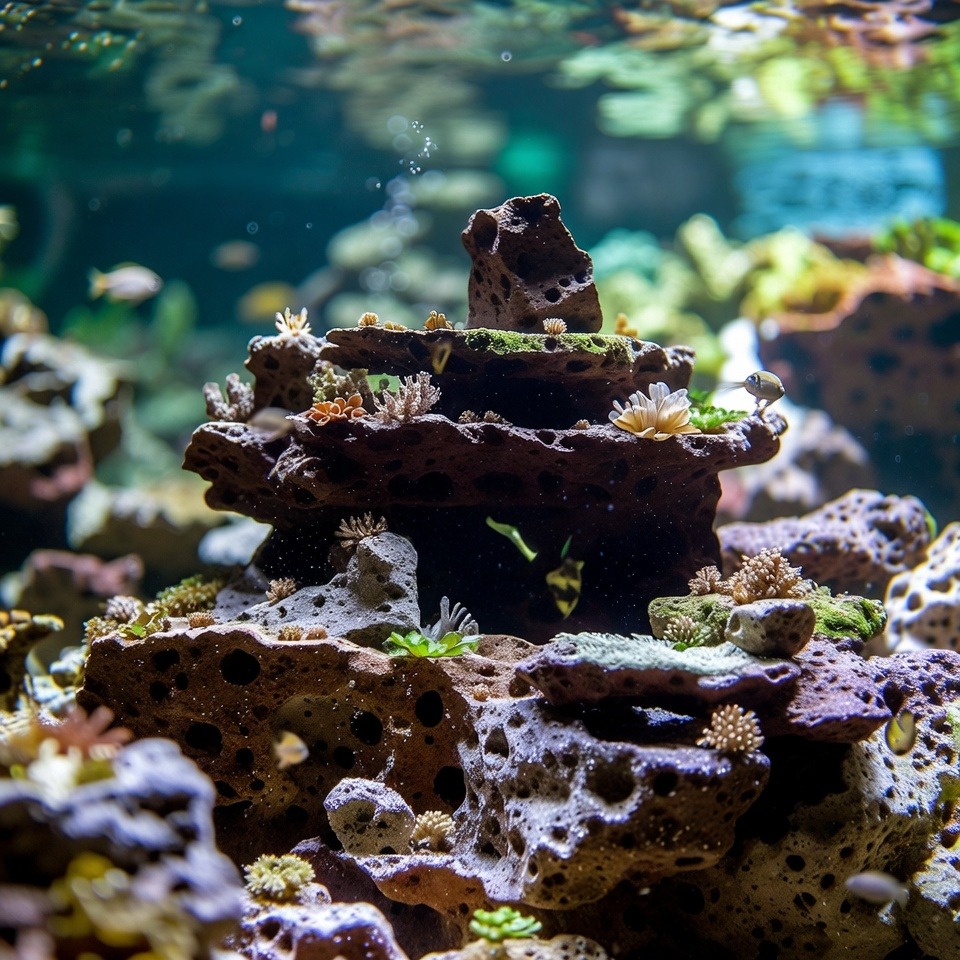
Great live rock aquascape ideas balance beauty, coral placement, and fish behavior. The best layouts create open swimming space, stable rockwork, and many ledges for corals. In this guide, you will learn practical reef-safe designs, planning tips, and common mistakes to avoid before you stack a single rock.
Live rock aquascaping shapes the entire reef tank experience. It affects flow, lighting, maintenance, fish territories, and future coral growth. Many beginners focus only on how the tank looks on day one. Experienced reef keepers think about how it will function after a year of coral growth. A smart aquascape gives fish room to swim, keeps detritus from collecting, and makes coral placement easier. It also helps your reef look natural instead of crowded. Below, we will cover proven live rock aquascape ideas, how to match them to tank size, and how to build a structure that stays stable for the long term.
Quick Reference Table
| Topic | Best Practice |
|---|---|
| Rock amount | Use enough for filtration and structure, but avoid overfilling the tank |
| Open space | Leave 30 to 50 percent of the tank open for swimming and flow |
| Rock stability | Use epoxy, mortar, or rods for larger builds |
| Coral placement | Create shelves, ledges, and islands with varied light zones |
| Flow | Prevent dead spots behind and under rock structures |
| Sand clearance | Lift rock slightly to reduce detritus buildup and sand pressure |
| Maintenance access | Leave room for algae scraping and coral trimming |
| Fish habitat | Add caves, arches, and escape routes for shy species |
Why Live Rock Aquascape Matters
Your aquascape is more than decoration. It is the backbone of the reef tank. Live rock supports beneficial bacteria. It also creates habitat for fish and invertebrates. The layout changes how water moves through the aquarium. That directly affects nutrient export and detritus buildup.
A poor layout often causes problems later. You may struggle with cyanobacteria in dead spots. Fish may fight over cramped territory. Corals can shade each other too quickly. A better design prevents many of these issues from the start. It also makes the tank easier to clean.
Think in three dimensions. Look at height, depth, and negative space. Negative space means the open areas around the rock. Those open areas make the reef look larger. They also improve flow and swimming room. Many modern reef tanks use less rock than older setups. This cleaner style often performs better and looks more natural.
Popular Live Rock Aquascape Ideas
There is no single best reef layout. The right design depends on your tank size, coral plans, and fish list. Still, a few aquascape styles work especially well in reef aquariums.
The island aquascape uses one or two separate rock structures. This style leaves lots of open sand and swimming space. It works very well in mixed reefs. Corals have room to grow outward without touching too soon.
The arch or bridge layout adds dramatic shape and shaded zones. Fish love swimming through arches. These structures also create natural ledges for coral placement. Make sure each arch is firmly secured.
The bonsai style uses a narrow base with branching rock above. It looks modern and clean. It is ideal for SPS-dominant reefs. Flow reaches more surfaces in this type of layout.
The lagoon layout keeps rock lower and more spread out. This creates a calm, open look. It suits LPS corals, soft corals, and reef fish that prefer open water.
The wall aquascape was once common. It uses stacked rock across the back. It offers lots of surface area. However, it often traps detritus and limits flow. Most hobbyists now avoid full rock walls unless the tank is very large.
How to Choose the Right Layout for Your Tank
Start with tank dimensions. A shallow reef can support wide, low islands. A tall tank can handle more vertical structures. Long tanks often look best with two separate focal points. Cube tanks often suit a central bonsai or pillar design.
Next, think about your coral plans. SPS corals need room for upward and outward growth. They also need strong flow around the colony. LPS corals often need wider spacing because of sweeper tentacles. Soft corals can spread fast and fill gaps quickly.
Fish choice matters too. Wrasses and tangs need open swimming lanes. Gobies and blennies want perches and crevices. Basslets and dottybacks prefer caves and shaded retreats. Build around the animals you plan to keep.
Finally, consider maintenance. Can you reach the back glass? Can you siphon detritus around the base? Can you remove or frag corals later? A layout that looks great but blocks access will become frustrating over time.
Step-by-Step Guide to Building a Live Rock Aquascape
Plan before the tank is filled. Dry fitting rock outside the aquarium saves time and stress. It also lets you test several designs without clouding the water.
- Measure the tank and mark the footprint on the floor or a table.
- Sort your rock by size and shape. Separate base pieces, shelves, and accent pieces.
- Choose a main design. Islands, arches, and bonsai shapes are easiest to plan.
- Build with stability first. Use broad base rocks and avoid top-heavy stacks.
- Create caves and swim-throughs. Fish need shelter and multiple escape routes.
- Leave space between the glass and the rock. This helps cleaning and water movement.
- Test coral placement zones. Make high, medium, and low light areas.
- Secure key joints with reef-safe epoxy, super glue gel, rods, or mortar.
- Check from every angle. The tank should look balanced from the front and sides.
- Place the finished structure carefully. Confirm it cannot shift under pressure.
Take photos during the dry build. This helps you rebuild the same design inside the tank. It also lets you compare options more clearly.
Aquarium Setup and Aquascaping Tips
Most reef tanks benefit from open aquascaping. Avoid filling the entire back wall with rock. Leave channels for flow behind the structure. This reduces detritus buildup and improves oxygen exchange.
Set rock on the tank bottom or on stable supports before adding sand. This prevents burrowing animals from undermining the structure. Sand under heavy rock can shift over time. That can cause collapses.
Use varied heights. A flat pile looks unnatural and limits coral options. Taller points draw the eye upward. Lower sections create visual contrast. Try to keep the highest rock below the waterline. This gives corals room to grow.
Think about equipment placement too. Return nozzles and powerheads should work with the aquascape, not against it. Strong flow should wrap around the rock without blasting sand everywhere. Test flow once the structure is in place. Small changes can make a big difference.
Lighting and Coral Placement Considerations
Lighting should match the zones you create with rock. Upper ledges usually receive the strongest PAR. These areas suit many SPS corals and high-light species. Mid-level shelves work well for many LPS and hardy mixed reef corals. Lower shaded areas suit mushrooms, some zoanthids, and lower-light species.
A good aquascape creates many microhabitats. Overhangs reduce direct light. Flat shelves give frags a secure place to grow. Vertical faces can hold encrusting corals. Branching sections support acropora and birdsnest colonies later.
Do not pack shelves too tightly. Corals expand as they mature. A small frag can become a large colony within a year. Leave more room than you think you need. This is one of the most common planning mistakes in reef tanks.
Water Flow and Detritus Control
Water flow is often overlooked during aquascaping. Yet it is one of the biggest factors in tank cleanliness. Rock should guide water, not block it. If flow cannot reach the back and underside of the structure, waste will settle there.
Use open channels and raised sections where possible. Arches and islands usually perform better than solid walls. They let pumps move water around the entire reef. This helps corals, keeps oxygen levels stable, and limits nuisance algae.
After setup, watch where food and debris collect. Those spots reveal weak flow zones. Adjust powerheads or shift small rocks if needed. Sometimes a tiny opening improves circulation across the whole structure. Good aquascaping and good flow always work together.
Compatibility With Fish, Corals, and Invertebrates
A smart aquascape supports the behavior of your livestock. Reef fish use rock differently. Clownfish may stay near a hosting coral. Wrasses need open water and sleeping spots. Blennies want ledges and holes. Timid fish need hidden retreats to feel secure.
Coral compatibility also matters. Aggressive LPS corals need extra spacing. Fast-growing soft corals can overtake nearby rock. Encrusting corals spread over surfaces and may crowd neighbors. Build clear coral zones from the start.
Invertebrates also benefit from thoughtful design. Cleaner shrimp need overhangs and caves. Urchins need stable rock they cannot topple. Snails need access to surfaces without getting trapped in narrow gaps. A reef-safe aquascape should work for the whole ecosystem, not just the viewer.
Common Problems
Why does my aquascape trap detritus?
This usually happens when rock is packed too tightly. Water cannot move through the structure. Detritus settles in low-flow pockets. Open the layout slightly. Add space behind the rock. Reposition pumps to create better crossflow.
Why does my rockwork look crowded?
Most crowded tanks simply use too much rock. Remove a few pieces and keep stronger shapes. Negative space improves the look immediately. It also gives fish more room and helps future coral growth.
How do I stop rocks from falling?
Use larger base rocks and secure contact points. Reef-safe epoxy and mortar help a lot. Acrylic or fiberglass rods add strength to tall builds. Never rely on unstable balancing alone, especially in tanks with burrowing fish or urchins.
Why are corals shading each other too quickly?
The layout likely lacked growth planning. Leave more horizontal and vertical space between coral zones. Place fast-growing species where they can expand without touching slower corals. Fragging can help later, but prevention is easier.
Frequently Asked Questions
How much live rock should I use in a reef tank?
Use enough rock for structure and biological support, but avoid overpacking. Modern reefs often use less rock than older systems. Open space usually improves both looks and function.
Is dry rock better than live rock for aquascaping?
Dry rock is easier to shape and plan with. Live rock adds biodiversity. Many hobbyists now start with dry rock and seed it over time. Both can work well with proper cycling.
Should live rock touch the back glass?
No. Leave room behind the rock if possible. This improves flow and makes cleaning easier. It also reduces hidden detritus buildup.
What aquascape is best for SPS corals?
Bonsai, branching, and open island layouts work very well for SPS tanks. These styles allow stronger flow and better light penetration around growing colonies.
Can I change my aquascape after the tank is established?
Yes, but it is easier before corals attach and fish claim territory. Make changes slowly. Secure every piece well. Expect some temporary stress in the tank.
Final Thoughts
The best live rock aquascape ideas combine form and function. A reef should look natural, stay stable, and support healthy coral growth. Keep the design open. Build with flow in mind. Leave room for maintenance and future colonies. If you plan carefully now, your reef will look better and run better for years.
For more reef planning help, see reef tank aquascaping basics, how to cycle a reef tank, best clean up crew for reef tank, and reef tank flow guide.
Was this helpful?
Related Posts
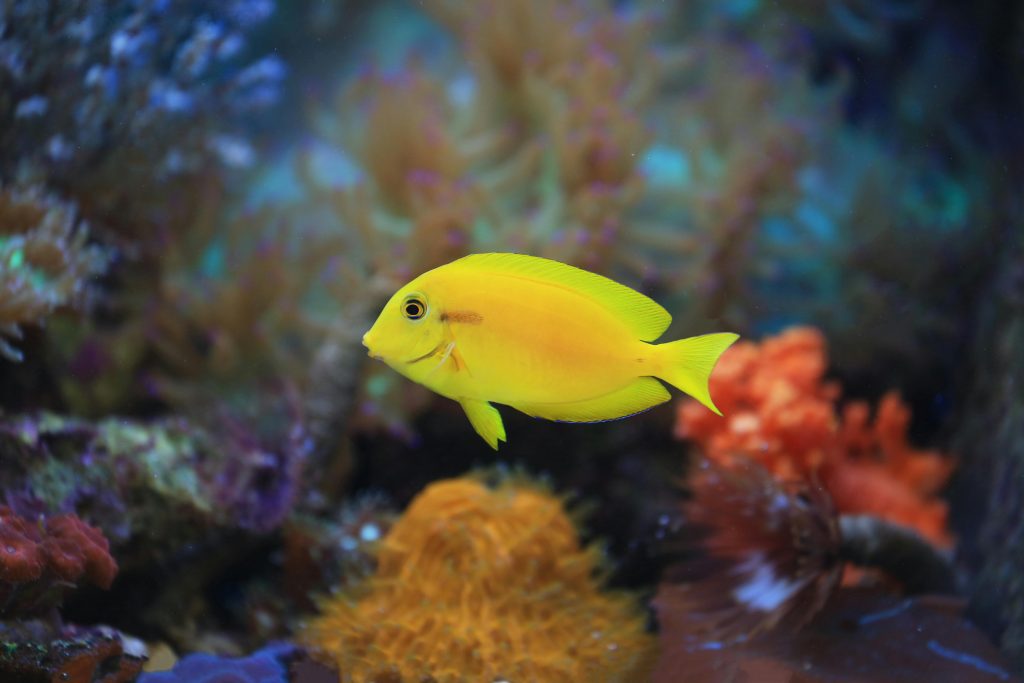
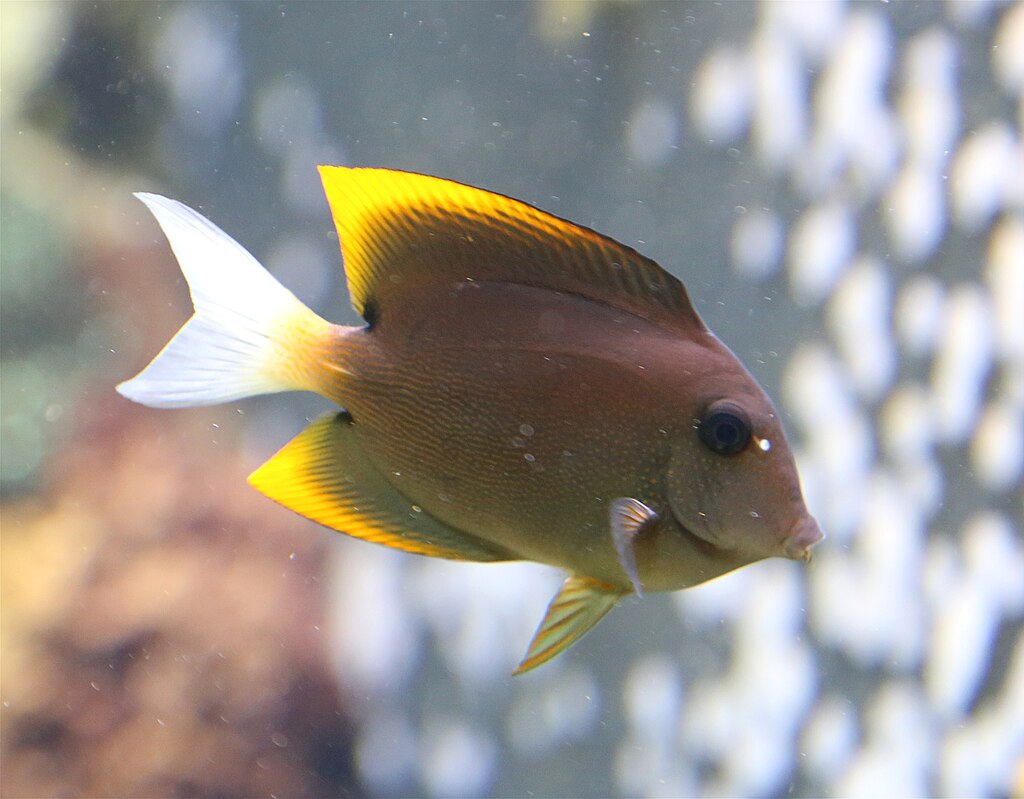
Juvenile Orange Shoulder (acanthurus Olivaceus)
Juvenile orange shoulder tangs are bright, hardy, and reef safe, but they grow large and need a spacious…
 By
By
Best Filtration Systems
Best Filtration Systems for a Healthy Saltwater Aquarium Choosing the best filtration system for your saltwater aquarium is…
[favorite_button]
My Bookmarks:
To see full list click here
[user_favorites user_id="" include_links="true" site_id="" post_types="" include_thumbnails="true" thumbnail_size="thumbnail" include_excerpt="false"]