

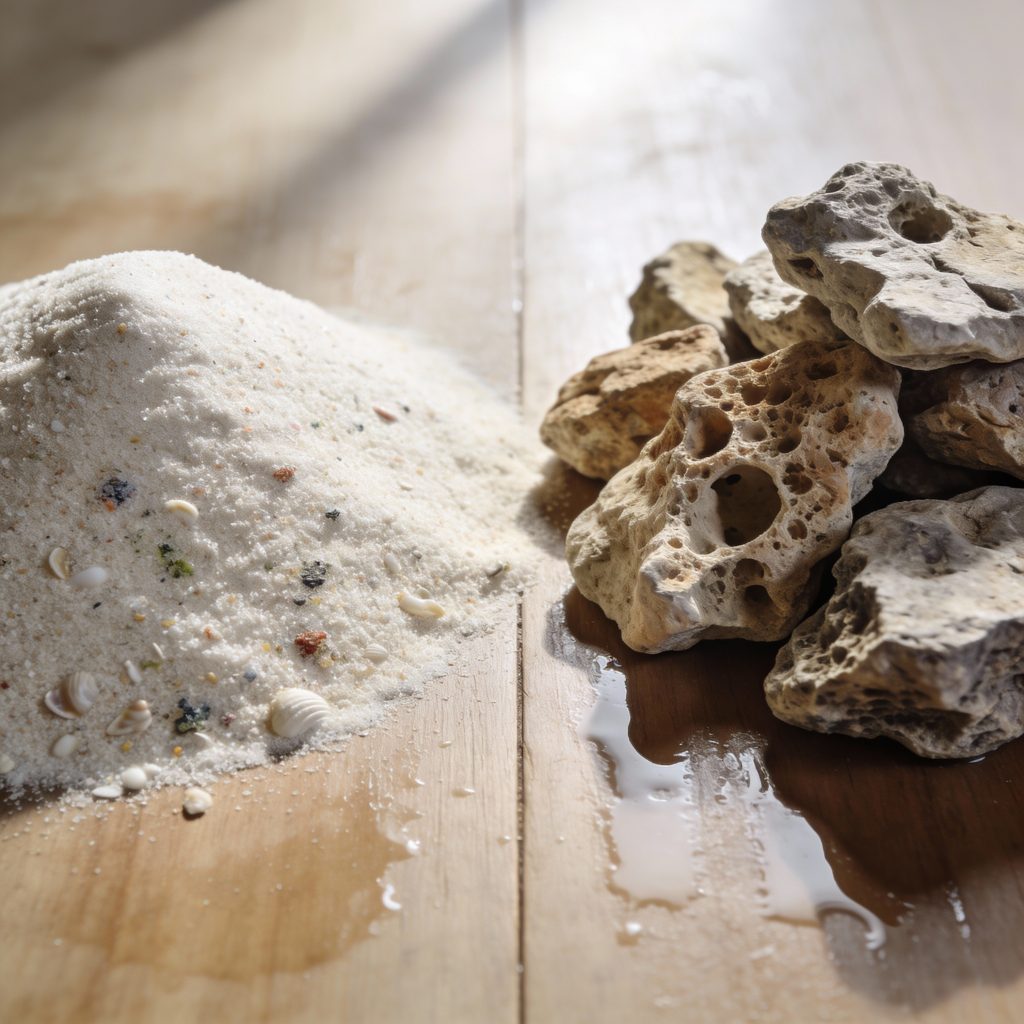
Live sand and live rock help reef tanks mature faster. They add bacteria, microfauna, and natural structure. Used well, they improve stability and biodiversity. Used poorly, they can bring pests, die-off, and nutrient spikes. The key is choosing quality material and introducing it with a plan.
Many reef keepers ask if live sand and rock are still worth using. The short answer is yes, but with some caveats. Modern dry rock systems can succeed, but true live material still offers major benefits. It seeds the tank with nitrifying bacteria. It also introduces copepods, worms, sponges, and other useful life. In this guide, you will learn what live sand and live rock really are, how they differ from dry options, how to use them safely, and how to avoid common mistakes. If you are building a new reef or refreshing an older one, this article will help you make a smart choice.
Quick Reference Table
| Item | Main Benefit | Main Risk | Best Use |
|---|---|---|---|
| Live Sand | Seeds bacteria and microfauna | Cloudiness and trapped detritus | New tanks and biodiversity boosts |
| Live Rock | Biological filtration and habitat | Pests, die-off, and hitchhikers | Primary aquascape and filtration base |
| Bagged Live Sand | Easy and clean to use | Less biodiversity than ocean-cured sand | Beginner setups |
| Ocean-Cured Live Rock | Highest biodiversity | Highest pest risk | Experienced hobbyists |
| Dry Rock + Live Seed | Lower pest risk | Slower maturation | Controlled modern reef builds |
What Live Sand And Live Rock Mean
Live sand is aragonite sand that contains beneficial bacteria and, sometimes, small organisms. These may include copepods, worms, and tiny crustaceans. Some products are truly active and diverse. Others are mostly bacterial inoculants in wet packaging. Both can help start a tank, but they are not equal.
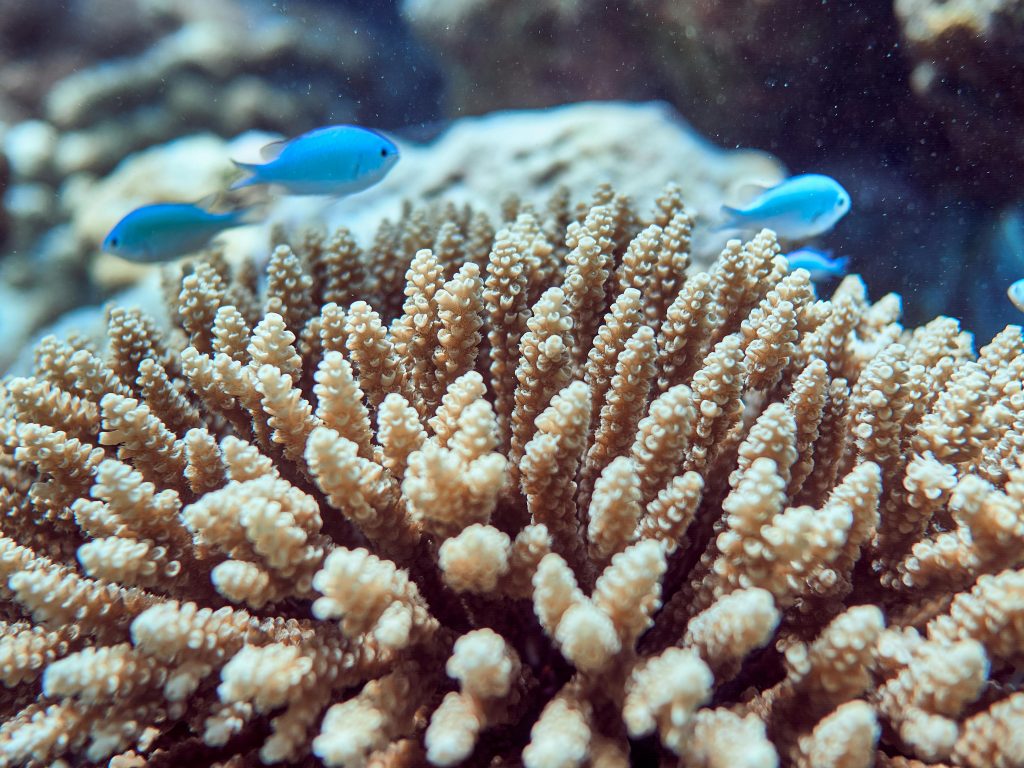
Live rock is porous calcium carbonate rock covered and filled with life. It carries nitrifying and denitrifying bacteria. It also provides shelter for fish and invertebrates. Good live rock often includes coralline algae, sponges, feather dusters, and harmless microfauna. That life gives a reef tank a mature feel much faster than dry rock alone.
The word “live” matters because reef tanks depend on biology. Bacteria process ammonia into nitrite and then nitrate. Microfauna recycle waste and feed picky fish and corals. Porous rock creates huge surface area for this work. That is why live rock was once considered the heart of every reef tank. It still plays that role today, even if many hobbyists now start with dry rock and add small live pieces later.
Natural Habitat
In nature, reef sand and reef rock are part of a living ecosystem. Tropical reefs form from coral skeletons, coralline algae, shell fragments, and other calcium carbonate material. Water moves constantly across these surfaces. Fish graze on algae. Invertebrates burrow into the sand. Sponges and bacteria occupy tiny pores inside the rock.
This matters in the aquarium because live materials bring a small piece of that ecosystem home. Reef sand in the wild is not sterile. It is full of bacteria, detritivores, and microscopic life. Reef rock is not just decoration. It is habitat, filtration, and food web support in one package. When you use high-quality live material, you mimic this natural biological complexity.
Still, a home aquarium is much smaller and less forgiving. A real reef can absorb die-off and nutrient swings better than a glass box. That is why transport, curing, and quarantine matter so much. The goal is to keep the benefits of natural reef biology while reducing the risks that come with imported living material.
Benefits Of Live Sand And Rock
The biggest benefit is faster biological maturity. Tanks started with quality live rock usually cycle more naturally. They often develop fewer ugly stages. Diatoms, dinoflagellates, and nuisance films can still appear, but diverse biology helps compete with them. That is a major advantage over sterile starts.
Live rock also acts as excellent biological filtration. Its pores hold aerobic bacteria near the surface and lower-oxygen zones deeper inside. This supports both nitrification and some nitrate reduction. Live sand adds more bacterial surface area and supports burrowing organisms that keep the substrate active.
Another benefit is biodiversity. Pods, worms, and filter feeders create a healthier food web. Mandarins and some wrasses benefit from pod populations. Corals often respond well to a richer microbial environment. Coralline algae can spread faster too. Finally, live rock simply looks better sooner. It has color, texture, and natural shapes that make a tank feel established.
Risks And Drawbacks To Know
Live material is not risk free. The biggest issue is unwanted hitchhikers. Aiptasia, majano anemones, vermetid snails, mantis shrimp, pest crabs, and nuisance algae can all arrive hidden in rock. Some are manageable. Others become long-term headaches.
Die-off is another common problem. If live rock spends too long out of stable water, sponges and other organisms die. That decay releases ammonia and phosphate. The result can be a strong cycle, cloudy water, and bad odors. Fresh imported rock often needs curing before it enters a display tank.
Live sand can trap detritus if used too deep or in low-flow tanks. It can also create a nutrient sink if neglected. Bagged live sand is usually safer than wild or heavily cured sand, but it offers less biodiversity. Cost is also higher. Good live rock is expensive, and legal collection limits have changed the market. Today, many hobbyists balance cost and safety by combining mostly dry rock with a smaller amount of trusted live rock.
Aquarium Setup
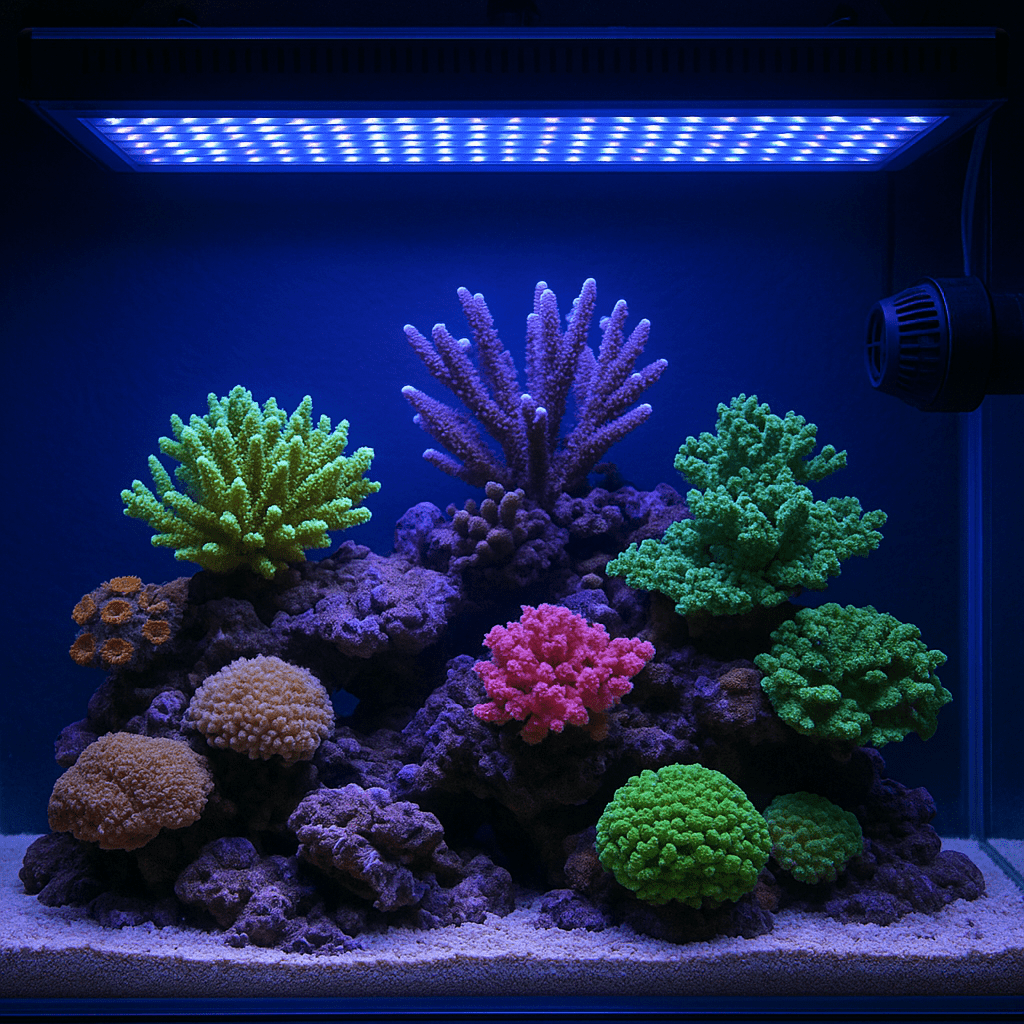
For most reef tanks, use enough rock to create structure without blocking flow. Older advice suggested one to two pounds per gallon. That rule is less useful now because rock density varies. Instead, build around swim space, coral placement, and filtration needs. Open aquascapes usually work best. They improve circulation and reduce detritus buildup.
Sand depth depends on your goals. A shallow bed of one to two inches is easiest to manage. It looks natural and supports many sand-dwelling animals. Deeper beds can work, but they need planning and stable husbandry. For most beginners, shallow sand is the safer choice.
Place rock directly on the tank bottom or on stable supports before adding sand. Never stack major rock structures on loose sand alone. Burrowing fish and invertebrates can undermine the base. That can cause collapses. Leave room around the rock for flow and cleaning. If you want more setup help, see these guides: reef tank setup checklist, how to cycle a reef tank, best clean up crew for reef tanks, and reef tank water parameters.
Step-By-Step: How To Add Live Sand And Rock Safely
Start by inspecting everything before it enters the tank. Smell the rock. Healthy cured rock smells like the ocean. Foul odor suggests die-off. Look for obvious pests, nuisance algae, and dead areas.
Next, rinse bagged live sand only if the manufacturer recommends it. Many bagged products are designed to go in as-is. Dry dust can cloud the tank, but over-rinsing may remove useful fines and bacteria. Add sand first if you want a flat bed. Add rock first if you want maximum structural stability. In most cases, rock-first is safer.
If the live rock is fresh or uncured, cure it in a separate container. Use heated saltwater, flow, and a protein skimmer if possible. Test ammonia and phosphate. Perform water changes until readings stabilize and odor fades. Then move it to the display.
Once in the tank, monitor ammonia, nitrite, nitrate, and phosphate closely. Run carbon if the water smells or looks yellow. Keep lights low at first if the rock is fresh. This limits nuisance algae during the early phase. Add livestock slowly. Even live systems need time to stabilize.
Lighting Requirements
Live sand and live rock do not have direct lighting needs in the way corals do. Still, lighting affects what grows on them. Strong reef lighting supports coralline algae, photosynthetic hitchhikers, and coral placement on the rock. It also fuels nuisance algae if nutrients are high.
In a new tank, moderate lighting is often smarter than blasting full intensity. Fresh rock can release nutrients. Bright light plus excess phosphate often leads to hair algae or diatom blooms. Start conservatively and ramp up as the tank matures. If your live rock arrives with colorful coralline algae, stable calcium, alkalinity, and magnesium will help preserve it.
Sand beds reflect light back into the aquarium. White aragonite can brighten the tank and improve coral appearance. That is useful, but it also means light-loving algae can spread across the substrate if nutrients rise. Good maintenance and balanced feeding matter more than chasing lighting alone.
Water Flow
Water movement is critical around both sand and rock. Good flow keeps detritus suspended so filtration can remove it. It also prevents dead spots inside and behind the aquascape. Poor flow leads to cyanobacteria, nuisance algae, and dirty sand.
Aim for varied, turbulent flow rather than a constant blast. Strong direct flow can create sandstorms and expose the glass bottom. If that happens, redirect pumps upward or switch to wider flow patterns. Around the rock, look for areas where food and debris settle. Those spots need better circulation.
Live rock benefits from flow because oxygen-rich water supports surface bacteria and filter-feeding life. Sand benefits from enough movement to keep the top layer clean without stripping it bare. In mixed reefs, this balance often takes a few adjustments. Watch the tank closely after every pump change.
Compatibility With Fish, Corals, And Invertebrates
Live rock is compatible with almost every reef inhabitant. It gives shy fish places to hide. It offers coral mounting surfaces. It supports pods for mandarins and other micro-predators. Many invertebrates also graze on the films and algae that grow across rock.
Live sand works best with sand-sifting species when the bed is mature enough. Gobies, some wrasses, nassarius snails, and fighting conchs all use the substrate. Be careful with animals that overwork a new bed. Diamond gobies, for example, can strip microfauna quickly in small tanks.
Corals generally do well with mature live rock because it supports stable biology. The main caution is pests. Aiptasia and nuisance algae can spread to coral frags and sting or overgrow them. Inspect all new additions. A healthy reef starts with good compatibility, but it stays healthy through prevention and observation.
Common Problems
Why does live rock cause an ammonia spike?
The usual cause is die-off during shipping or handling. Sponges and hidden organisms decay inside the rock. Cure the rock separately if ammonia rises. Increase flow, skim wet, and change water as needed.
Why is my live sand turning brown?
Brown sand is often diatoms in newer tanks. Silicates and immature biology are common triggers. It usually fades as the tank matures. Use RO/DI water, avoid overfeeding, and keep flow steady across the substrate.
What pests can come on live rock?
Common pests include aiptasia, vermetid snails, pest crabs, mantis shrimp, and nuisance algae. Inspect at night with a flashlight. Remove obvious pests early. Quarantine is ideal when possible.
Why does my sand bed stay dirty?
Dirty sand usually means low flow, excess feeding, or weak cleanup crew support. Siphon small sections during water changes. Improve circulation. Add suitable sand stirrers only if the tank can support them.
Can live rock leach phosphate?
Yes, especially if the rock absorbed organics before curing. Test phosphate regularly. Use water changes, phosphate media, and time. Avoid trying to solve every issue with chemical media alone.
Frequently Asked Questions
Is live sand necessary for a reef tank?
No, but it helps. Many successful reefs use dry sand. Live sand can speed biological maturity and add useful microfauna.
Is live rock better than dry rock?
It is better for biodiversity and faster maturation. Dry rock is better for pest control and budget planning. Many hobbyists use both.
How much live rock do I need?
Use enough to create stable structure and biological surface area. Focus on open aquascaping rather than old pound-per-gallon rules.
Can I add live rock to an established reef tank?
Yes, but inspect and cure it first if needed. New live rock can introduce pests or cause nutrient spikes in mature systems.
How long does it take live rock to cure?
It depends on freshness and transport time. Lightly affected rock may cure in days. Heavily uncured rock can take several weeks.
Final Thoughts
Live sand and rock can still give reef tanks a major advantage. They add biology that sterile systems lack. They can shorten the ugly phase and create a more natural aquarium. The tradeoff is risk. Pests, die-off, and nutrient issues are real. The best approach is careful sourcing, patient curing, and slow stocking. If you want the benefits of a mature reef without as many surprises, combine trusted live seed material with clean dry rock. That balance works very well for many modern reef keepers.
Was this helpful?
Related Posts
Reef Tank Fallow Period Guide
A reef tank fallow period removes fish hosts so parasites die out. Learn the right timeline, setup, and…
 By
By
Gold Spotted Rabbitfish (Siganus Punctatus)
Gold Spotted Rabbitfish care includes large tanks, heavy algae feeding, and caution with corals. Learn tank size, diet,…
[favorite_button]
My Bookmarks:
To see full list click here
[user_favorites user_id="" include_links="true" site_id="" post_types="" include_thumbnails="true" thumbnail_size="thumbnail" include_excerpt="false"]