

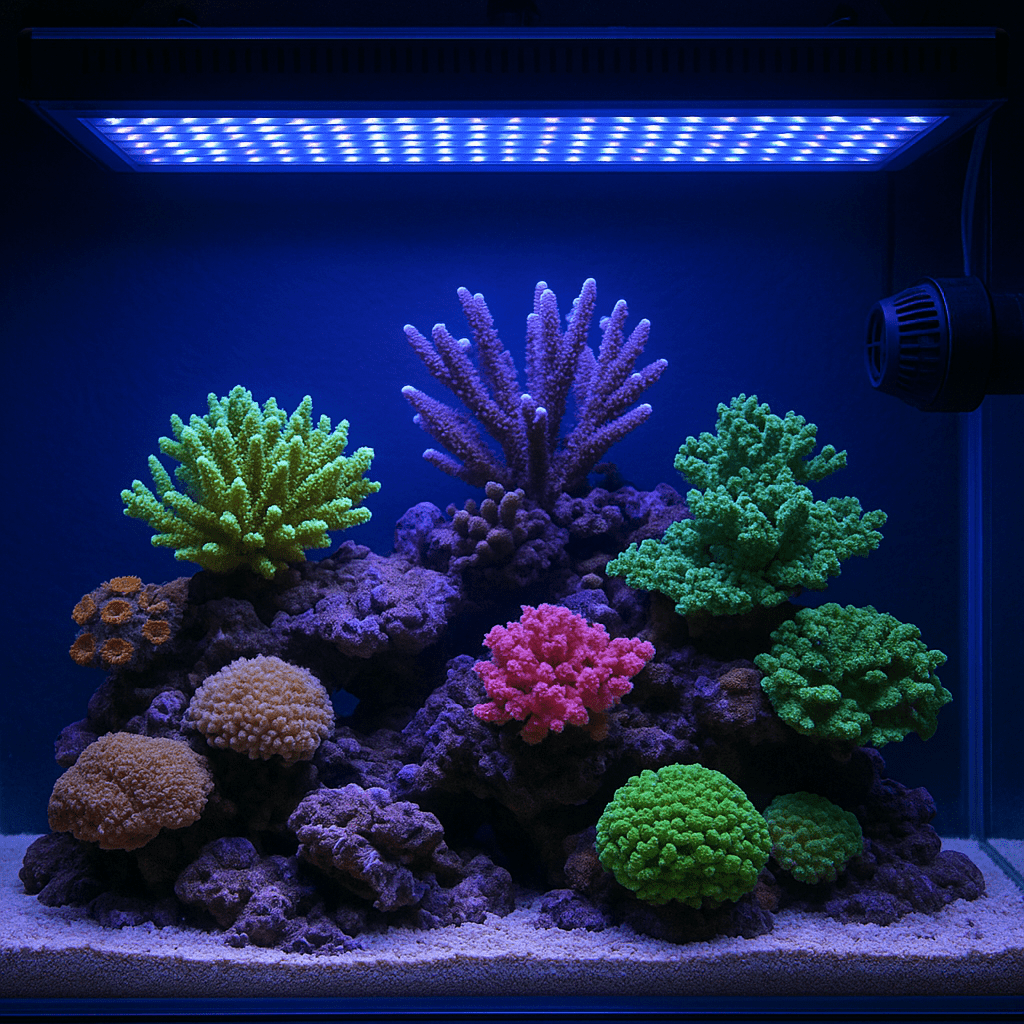
Mandarin dragonets are stunning reef fish, but they are not beginner-easy. They need a mature aquarium, constant access to live pods, and stable reef conditions. With the right setup, they can thrive for years and become one of the most rewarding fish in a peaceful reef tank.
Many hobbyists buy a mandarin dragonet for its color and calm behavior. Then feeding problems appear. Unlike many reef fish, mandarins spend the entire day hunting tiny crustaceans from rock and sand. That natural feeding style shapes every part of their care. In this guide, you will learn how to choose a healthy specimen, build a pod-rich system, feed successfully, and avoid the common mistakes that cause slow starvation. We will also cover tank size, compatibility, lighting, flow, breeding behavior, and practical troubleshooting for long-term success.
Mandarin Dragonet Quick Reference
| Common name | Mandarin dragonet, mandarinfish |
| Scientific name | Synchiropus splendidus |
| Care level | Moderate to difficult |
| Temperament | Peaceful |
| Adult size | About 3 inches |
| Minimum tank size | 30 gallons for trained eaters, 50+ gallons preferred |
| Diet | Copepods, amphipods, enriched frozen foods if trained |
| Reef safe | Yes |
| Temperature | 76-78°F |
| Salinity | 1.025-1.026 |
| pH | 8.1-8.4 |
| Nitrate | Low to moderate, stable |
| Special need | Constant natural food supply |
The table gives the short version, but the key point is food. A mandarin dragonet can look healthy in a store and still decline later. Their rounded belly matters more than bright color alone. A healthy fish should actively peck at surfaces all day. If it ignores the rockwork, that is a warning sign.
Natural Habitat
Mandarin dragonets come from the Indo-Pacific. They live on sheltered reefs, lagoons, and rubble zones. These areas contain dense microfauna. In nature, the fish spends the day gliding over rock and sand while picking tiny prey. It does not rush for large meals. It grazes constantly.
This habitat explains why mandarins fail in new aquariums. A sterile tank cannot support their natural feeding pattern. They evolved to hunt copepods, amphipods, and other tiny benthic crustaceans. Their small mouth is built for this job. They are not strong competitors during feeding time. Fast fish often outcompete them.
Mandarins also prefer calm, structured environments. They weave through branches, caves, and rock faces. They rest on the substrate at times. They do not need open-water swimming space like tangs. They need mature surfaces full of life. When you recreate that environment, their behavior becomes more natural and their chances improve greatly.
Aquarium Setup
A mature reef tank is the best home for a mandarin dragonet. The usual recommendation is at least 50 gallons. That size gives more rock surface and more stable pod production. Some hobbyists keep them in smaller tanks. That only works when the fish eats prepared food reliably and the keeper monitors body condition closely.
Use porous live rock or established dry rock with strong microfauna growth. Build caves, ledges, and low-flow hunting zones. Add a sand bed if possible. Sand and rock together increase feeding surfaces. A refugium helps a lot. It can produce pods away from predators and send them back into the display.
Avoid adding a mandarin to a brand-new tank. Six months is often considered the minimum. Longer is better. The tank should show visible signs of maturity. You should see pods on the glass at night. Stable salinity and temperature matter. So does low stress. Mandarins do best in peaceful reef systems with predictable conditions.
Lighting Requirements
Mandarin dragonets do not have special lighting needs. They adapt well to standard reef lighting. Your coral choices should determine the light, not the fish. They are often active under bright reef lights, especially once settled. They also hunt during lower light periods and around dusk.
Very intense lighting can increase algae and microfauna activity on rock surfaces. That may create more grazing opportunities. Still, lighting alone will not solve feeding issues. A brightly lit but biologically poor tank is still a poor mandarin tank. Focus on maturity and pod density first.
Provide shaded areas within the aquascape. Overhangs and caves reduce stress. These fish like to move in and out of cover. If your tank houses aggressive fish, shaded areas become even more important. They give the mandarin safe zones to forage without constant pressure.
Water Flow
Mandarin dragonets prefer moderate flow overall. They can handle reef movement, but they should have protected areas. Their body shape is not built for battling strong current all day. They hunt best on surfaces where food can settle and where they can move slowly.
Create varied flow zones. Keep stronger random flow for corals in open areas. Then leave gentler flow behind rock structures and near the lower aquascape. This layout helps the fish forage comfortably. It also reduces energy waste. A fish that burns too much energy while underfed declines faster.
If you see the fish avoiding large sections of the tank, check your flow pattern. A mandarin should explore calmly and peck often. If it struggles to perch or gets pushed around, the current may be too strong in its preferred feeding zones.
Feeding
Feeding is the most important part of mandarin dragonet care. In many tanks, they need live copepods every day. A healthy mandarin hunts constantly. It does not eat one large meal and stop. That means your aquarium must either produce enough pods or the fish must accept supplemental foods.
The best candidates are captive-bred mandarins that already eat frozen or prepared foods. Even then, pods remain valuable. Offer enriched baby brine, frozen cyclops, calanus, finely chopped mysis, or specialty small-particle diets. Feed in a quiet area. Some hobbyists use a feeding dish or target station. This keeps faster fish away and helps the mandarin learn where food appears.
Watch the belly closely. A healthy fish has a gently rounded abdomen. A pinched belly means trouble. Seed pods before adding the fish. Continue replenishing them if needed. Refugiums, pod hotels, and periodic live pod cultures can all help. For deeper food planning, see pod culture basics and reef fish feeding schedule.
Compatibility
Mandarin dragonets are peaceful and reef safe. They ignore corals and most invertebrates. That makes them excellent community fish in the right tank. The main issue is food competition, not aggression. Avoid housing them with fish that hunt pods heavily. Many wrasses, scooter dragonets, and some gobies can reduce food availability fast.
Also avoid boisterous feeders that dominate every meal. Large clownfish, aggressive damsels, and pushy dottybacks can stress a mandarin. The fish may hide more and feed less. Peaceful tankmates work best. Good companions include many small gobies, firefish, cardinalfish, and calm reef-safe species that do not constantly raid the rockwork.
Keeping two mandarins together can work, but care is needed. A bonded male-female pair may coexist in a larger pod-rich tank. Two males often fight. Males have a taller first dorsal spine. If you want a pair, choose carefully and provide abundant space and food. For broader planning, read peaceful reef fish guide and reef tank compatibility chart.
Step-by-Step Guide to Keeping a Mandarin Dragonet
Step 1: Let the tank mature. Wait until the system is stable and pod populations are visible.
Step 2: Build pod habitat. Use live rock, rubble, macroalgae, and a refugium if possible.
Step 3: Choose the right fish. Pick a captive-bred specimen or a fish with a full belly.
Step 4: Quarantine carefully if needed. Observe feeding response without exposing the fish to starvation.
Step 5: Seed pods before introduction. Do this at night for better survival.
Step 6: Add the fish to a peaceful display. Reduce competition during the first weeks.
Step 7: Train onto prepared foods if possible. Use a feeding station and repeat consistently.
Step 8: Monitor body condition weekly. Belly shape tells you more than behavior alone.
Propagation or Breeding
Spawning Behavior
Mandarin dragonets are known for beautiful courtship displays. Healthy pairs may rise into the water column at dusk and release eggs and sperm. This usually happens in calm, established systems with excellent nutrition. The fish often form a daily rhythm before spawning begins.
Can Hobbyists Breed Them?
Yes, but raising larvae is difficult. The adults may spawn in home aquariums, yet the larvae need very small live foods and specialized rearing methods. Most hobbyists focus on keeping adults healthy rather than raising fry. Captive-bred mandarins are becoming more available, which is a major benefit for the hobby.
Why Captive-Bred Fish Are Better
Captive-bred mandarins often adapt better to aquarium life. Many accept frozen foods sooner. They may also arrive in better condition. If you have the choice, captive-bred is usually the smarter and more sustainable option.
Common Problems
Mandarin Dragonet Not Eating
The most common cause is lack of natural prey or stress from competition. Check for pods at night with a flashlight. Watch whether other fish rush every feeding. Move food to a quiet station. Add live pods. Reduce aggressive tankmates if needed.
Skinny Belly or Weight Loss
This usually means chronic underfeeding. Act fast. Increase pod supply immediately. Offer small frozen foods several times daily. Consider temporary relocation to a refugium-connected system or low-competition tank. Weight loss in mandarins can become severe before death.
Hiding All the Time
New fish often hide at first. Persistent hiding suggests stress. Check for bullying, excessive flow, or unstable parameters. Make sure the aquascape includes caves and calm zones. A settled mandarin should spend much of the day pecking openly.
Pod Population Keeps Crashing
Heavy predation is the usual reason. Too many pod-eating fish can strip the tank. Overcleaning also reduces habitat. Add macroalgae, rubble, and refugium space. Dose phytoplankton if you culture pods. Rebuild the food web before adding another grazer.
Frequently Asked Questions
Are mandarin dragonets good for beginners?
Usually no. They are best for hobbyists with established reef tanks and a plan for constant feeding.
Can a mandarin dragonet live in a 30-gallon tank?
It can, but only under the right conditions. The fish should eat prepared foods well, and the tank should still be mature and stable.
Do mandarin dragonets eat pellets?
Some captive-bred specimens may learn. Many never do. Frozen and live foods are far more realistic options.
Are mandarin dragonets reef safe?
Yes. They are considered reef safe with corals and most invertebrates.
How long do mandarin dragonets live?
With proper care, they can live several years in captivity. Long-term success depends mostly on nutrition and tank maturity.
Mandarin dragonets reward patience more than impulse. If you prepare the tank first, choose the right specimen, and protect its food supply, this fish can thrive and display natural behavior every day. For more help building a stable system, see reef tank cycling guide.
Was this helpful?
Related Posts
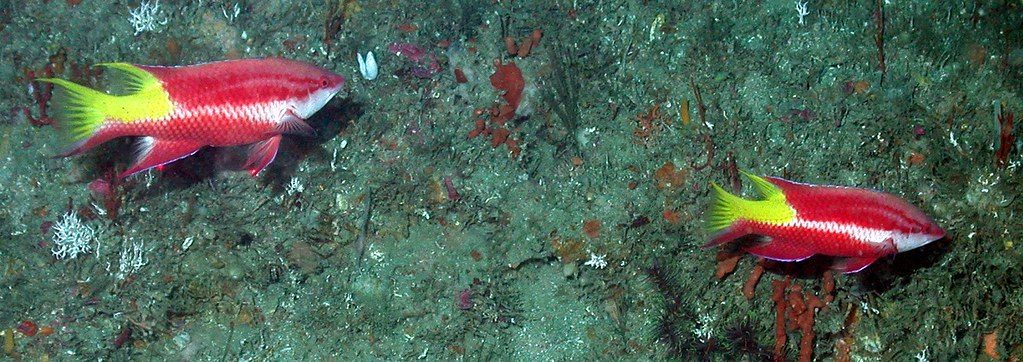
Cuban Hogfish (bodianus Pulchellus)
Cuban Hogfish care is straightforward in larger reef tanks. Learn tank size, diet, compatibility, and reef safety before…
 By
ByWhat to Do During a Power Outage
A reef tank power outage demands fast action. Protect oxygen, temperature, and circulation first to keep fish and…
 By
By[favorite_button]
My Bookmarks:
To see full list click here
[user_favorites user_id="" include_links="true" site_id="" post_types="" include_thumbnails="true" thumbnail_size="thumbnail" include_excerpt="false"]