

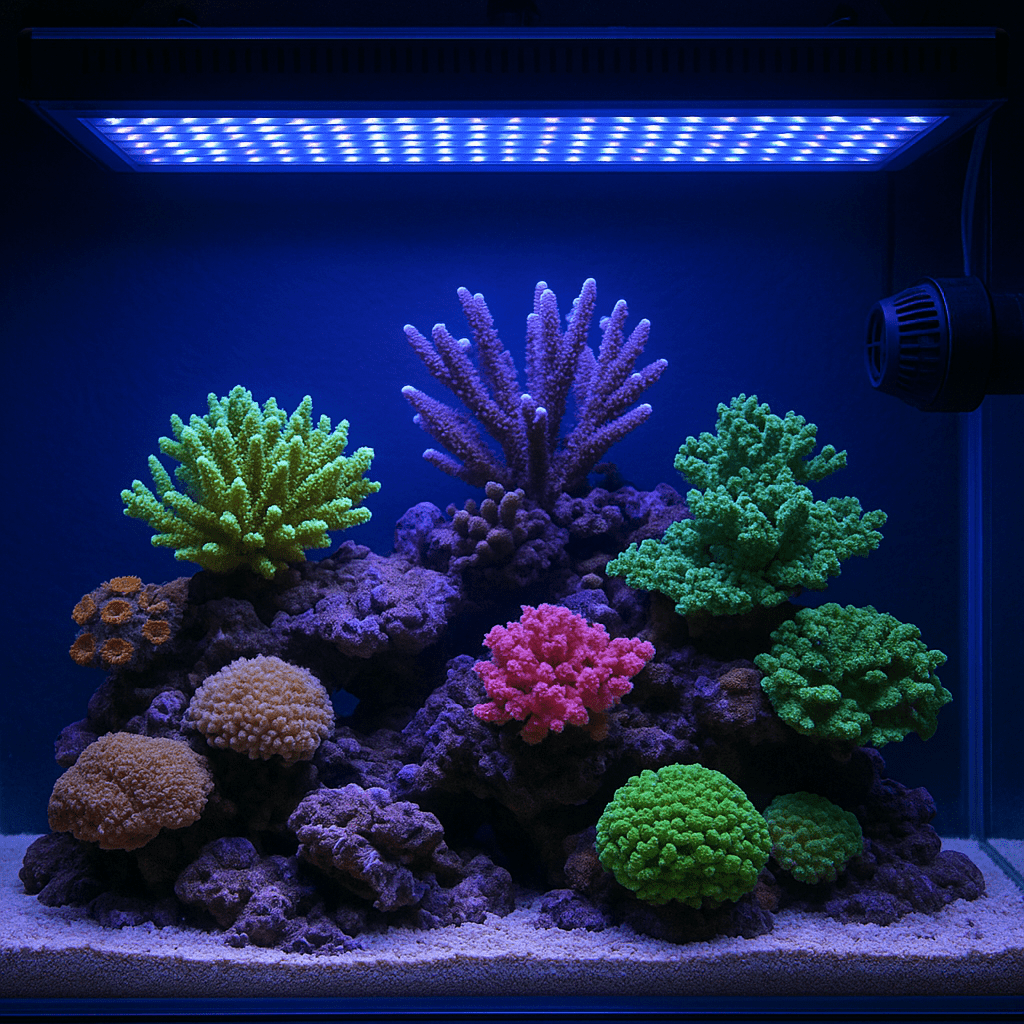
A dosing pump keeps reef chemistry stable by adding small amounts of supplements on a schedule. It helps prevent swings in alkalinity, calcium, and magnesium, while reducing daily work and dosing mistakes.
Many reef keepers start dosing by hand. That works on small tanks with low demand. It gets harder as coral growth increases. Stony corals, coralline algae, and clams consume major elements every day. Manual dosing can become inconsistent. A dosing pump solves that problem by spreading supplements across the day. This guide explains how to use a dosing pump, how to set it up, how to calculate doses, and how to avoid common mistakes. You will also learn where to place dosing lines, how to test safely, and when to adjust your schedule for a growing reef.
Quick Reference Table
| Topic | Best Practice |
|---|---|
| What to dose | Alkalinity, calcium, magnesium, trace elements, or kalkwasser if appropriate |
| Where to dose | High-flow sump section, usually near return pump chamber |
| How often | Split total daily dose into many small doses |
| Testing first | Measure tank consumption before programming the pump |
| Calibration | Calibrate each head before use and recheck monthly |
| Safety | Keep additives separate unless product directions say otherwise |
| Common mistake | Dosing too much too fast after one test result |
| Best goal | Stable parameters, not chasing exact numbers daily |
What a Dosing Pump Does
A dosing pump automates liquid supplement delivery. Most reef hobbyists use it for two-part dosing. That means alkalinity and calcium are added separately. Some hobbyists also dose magnesium, trace elements, amino acids, or nitrate and phosphate solutions. The main benefit is consistency. Corals respond well to stable chemistry. Large swings often cause poor polyp extension, tissue recession, or slow growth.
Peristaltic dosing pumps move liquid through flexible tubing. The liquid never touches the motor. That design is reliable and precise when calibrated correctly. Many modern units let you schedule multiple doses each day. This is far better than adding one large daily dose. Smaller doses reduce pH spikes and sudden alkalinity changes. They also help maintain more even levels over 24 hours. For mixed reefs and SPS systems, that stability can make a big difference in color and growth.
When You Need a Dosing Pump
You need a dosing pump when your tank consumes enough supplements that manual dosing becomes inconvenient or inconsistent. This often happens after corals begin growing well. New tanks with a few soft corals may not need one yet. Tanks with LPS, SPS, clams, and heavy coralline algae usually benefit much sooner.
Watch your alkalinity first. It usually shows demand fastest. If alkalinity drops noticeably between tests, your tank is consuming carbonate faster than water changes can replace it. That is a strong sign to automate. A dosing pump also helps if your schedule is busy. Missed doses lead to instability. Automation removes that weak point. It also helps during travel. You still need someone to check the tank, but the pump handles daily additions. If you want a cleaner, repeatable routine, a dosing pump is one of the best reef equipment upgrades.
How to Choose the Right Dosing Pump
Choose a pump with enough channels for your current needs and some room to grow. Two heads are enough for basic two-part dosing. Three heads add magnesium. Four or more heads allow trace elements or nutrient control. Accuracy matters more than extra features. A simple, dependable pump is often better than a complex one with poor calibration.
Look for easy calibration, clear programming, and replacement tubing availability. Quiet operation is helpful if the tank is in a living space. Wi-Fi control is convenient, but not required. Standalone models work very well. If you use a controller, check compatibility first. Also consider dosing container size. Small containers need frequent refills. Larger reservoirs are easier for busy hobbyists. Read real user feedback about long-term reliability. Cheap pumps can drift over time. That can lead to silent overdosing. In reef tanks, precision matters. Stable delivery is worth paying for.
Step-by-Step: How to Use a Dosing Pump
1. Test your water before dosing
Measure alkalinity, calcium, and magnesium with reliable test kits. Test at the same time each day. Do this for several days without changing your routine. You need to learn your tank’s actual consumption. Never guess. Dosing based on assumptions causes problems fast.
2. Calculate daily consumption
If alkalinity drops from 8.3 to 7.7 dKH in 24 hours, your tank uses 0.6 dKH daily. Use the supplement instructions or a reef chemistry calculator to convert that drop into milliliters. Do the same for calcium and magnesium if needed. Alkalinity is usually adjusted first. Calcium often changes more slowly.
3. Set up dosing containers and tubing
Place each additive in a clearly labeled container. Run the intake tubing from the container to the pump head. Run the output tubing from the pump to the sump. Keep tube ends secure. Use tubing holders or clips so they cannot slip out. Never let alkalinity and calcium lines drip into the exact same spot. They can precipitate on contact.
4. Calibrate each pump head
Calibration is critical. Most pumps ask you to run liquid for a set time. Then you measure the output volume. Enter that volume into the pump. Repeat for every channel. Even identical heads can differ. Recalibrate after tubing changes and at regular intervals. Monthly is a good baseline.
5. Program small doses across the day
Split the total daily dose into many smaller additions. For example, dose alkalinity 8 to 24 times daily rather than once. This keeps parameters steadier. Many reef keepers dose alkalinity at night to offset the normal nighttime pH drop. That can help, but stability matters most. Calcium can be dosed during different hours than alkalinity.
6. Monitor and fine-tune
Test alkalinity daily at first. Make small adjustments only. Wait a few days between changes when possible. Once the tank stabilizes, test less often but stay consistent. Coral growth increases demand over time. Your program will need periodic updates.
Where to Place Dosing Lines
The best place for dosing lines is a high-flow area of the sump. This helps additives mix quickly before they reach corals or equipment. The return pump section is often ideal. Avoid stagnant compartments. Avoid dripping directly onto heaters, probes, or filter socks. Concentrated additives can damage equipment or create buildup.
Keep alkalinity and calcium output lines separated by several inches. Better yet, place them in different sump chambers if possible. This reduces precipitation. Precipitation wastes supplements and can coat pumps and heaters with hard deposits. Keep the line ends above the water surface if your setup allows it safely. That reduces back siphon risk. If the line must sit below water, use proper anti-siphon planning and secure mounting. A loose tube can dose onto the floor or empty a container into the tank.
What You Can Dose
Most reef hobbyists start with alkalinity and calcium. Magnesium is often added as a third channel. These are the core building blocks for coral skeleton growth. In advanced systems, hobbyists may also dose trace elements, amino acids, carbon sources, or nutrient solutions. Each has a purpose, but each also adds complexity.
Start simple. If your tank does not need trace dosing yet, do not add it. Water changes often replace enough minor elements in mixed reefs. Dose only what testing supports. Blind dosing is risky. Some additives can build up over time. Others can bottom out nutrients and stress corals. Kalkwasser is another option. It adds alkalinity and calcium together, but it requires careful handling and evaporation planning. For many beginners, a standard two-part dosing pump setup is the safest and easiest place to start.
Common Problems
Alkalinity keeps rising
This usually means the dose is too high or the pump is miscalibrated. Recheck your test kit first. Then recalibrate the pump head. Confirm the programmed total matches your intended daily amount. Also verify container labels. Dosing the wrong solution happens more often than hobbyists admit.
Calcium will not stay up
Low calcium can result from high coral demand, precipitation, or unbalanced dosing. Check alkalinity too. If alkalinity is very high, calcium may precipitate instead of remaining available. Inspect heaters and pumps for white crust. That is a common clue. Increase calcium slowly and avoid large corrections.
The pump is dosing air
Air in the line often means a loose connection, empty container, worn tubing, or poor intake placement. Tighten fittings and prime the line again. Replace old tubing if it has hardened. Make sure the intake stays submerged at all times.
White buildup appears in the sump
This is usually precipitation from additives meeting too closely or entering low-flow water. Separate dosing lines more. Increase flow at the dosing point. Spread doses out over time. Recheck your alkalinity target. Running too high increases precipitation risk.
Corals look worse after starting dosing
Rapid chemistry changes are the usual cause. Corals prefer stable numbers over perfect numbers. Review your recent adjustments. Large alkalinity swings are especially stressful. Return to a stable range and correct slowly. Also check salinity. Dosing errors sometimes distract from the real issue.
Best Practices for Long-Term Success
Test regularly, but do not chase every small fluctuation. Use quality test kits and replace reagents on schedule. Label every container clearly. Keep supplements out of reach of children and pets. Refill reservoirs before they run dry. A dry line can lose prime and stop dosing accurately.
Clean salt creep around the sump often. Salt buildup can pull tubing out of place. Review your dosing log weekly. If coral growth improves, demand may increase gradually. Make changes in small steps. A good rule is to adjust based on trends, not one isolated result. Stable salinity, temperature, and nutrient levels also affect how well dosing works. Chemistry is connected. A dosing pump is a powerful tool, but it cannot fix poor overall husbandry. Pair automation with good testing, good flow, and regular maintenance.
Frequently Asked Questions
How often should a dosing pump dose a reef tank?
More frequent, smaller doses are usually best. Many hobbyists dose 8 to 24 times daily. This improves stability and reduces sharp chemistry swings.
Can I dose alkalinity and calcium at the same time?
It is better to separate them. Dose them at different times or in different sump areas. This helps prevent precipitation.
Do I need a dosing pump on a new reef tank?
Not always. Many new tanks can rely on water changes at first. A dosing pump becomes useful when coral demand increases.
How do I know my dosing amount is correct?
Test regularly and compare results over several days. If levels stay stable, your dose is close. If they drift, adjust slowly.
How often should I calibrate my dosing pump?
Calibrate before first use, after tubing changes, and about once a month. Recheck sooner if test results look unusual.
Helpful FancyReef Guides
reef tank water parameters
how to raise alkalinity in a reef tank
reef tank calcium guide
reef tank magnesium guide
how to test reef tank water
Was this helpful?
Related Posts
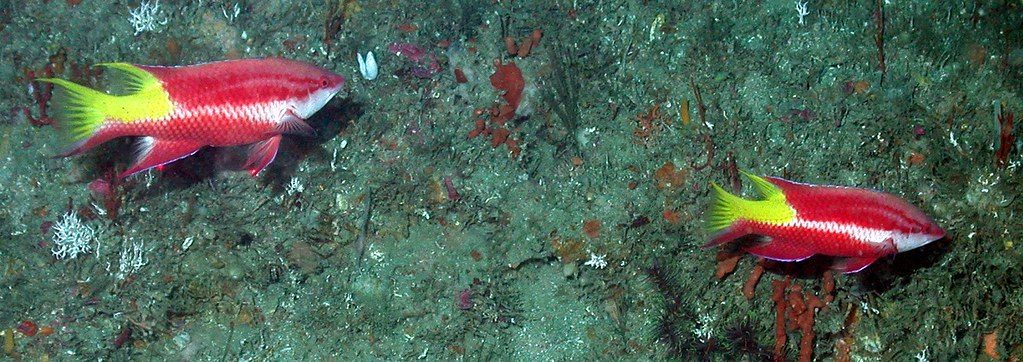
Cuban Hogfish (bodianus Pulchellus)
Cuban Hogfish care is straightforward in larger reef tanks. Learn tank size, diet, compatibility, and reef safety before…
 By
ByWhat to Do During a Power Outage
A reef tank power outage demands fast action. Protect oxygen, temperature, and circulation first to keep fish and…
 By
By[favorite_button]
My Bookmarks:
To see full list click here
[user_favorites user_id="" include_links="true" site_id="" post_types="" include_thumbnails="true" thumbnail_size="thumbnail" include_excerpt="false"]