Saltwater fish compatibility decides whether a reef tank stays peaceful or turns stressful fast. The best stocking plans match fish by temperament, size, diet, swimming behavior, and territory needs. When you choose species carefully, you reduce aggression, protect corals and invertebrates, and build a healthier marine aquarium.
Many beginner problems come from mixing beautiful fish that should never share the same tank. A fish may be reef safe, yet still bully tank mates. Another may look calm in a store, then become territorial at home. In this guide, you will learn how to judge marine fish compatibility, avoid common stocking mistakes, and build a community that works long term. We will cover aggression levels, tank size, feeding competition, reef safety, and practical pairing tips for popular saltwater fish.
Quick Reference Table
| Factor | Why It Matters | Best Practice |
|---|---|---|
| Temperament | Aggressive fish can injure peaceful species | Match fish with similar behavior |
| Adult size | Large fish intimidate or eat smaller fish | Research full grown size |
| Tank size | Crowding increases stress and fights | Stock lightly and provide space |
| Territory | Many marine fish defend caves and rockwork | Add hiding spots and visual breaks |
| Diet | Fast feeders can starve shy fish | Target feed slower species |
| Reef safety | Some fish nip corals or eat inverts | Check coral and invert compatibility |
| Addition order | Established fish often harass newcomers | Add peaceful fish first |
What Saltwater Fish Compatibility Really Means
Compatibility is more than whether two fish fight. It includes stress, feeding access, sleeping space, and reef safety. A fish can survive with another species, yet still live under constant pressure. That stress weakens immunity and often leads to disease.
Marine fish use body shape, color, and behavior to judge rivals. Two fish that occupy the same niche often clash. This happens often with tangs, dwarf angelfish, dottybacks, and some wrasses. Similar fish compete for the same caves, algae patches, or swimming lanes.
Compatibility also changes as fish mature. A juvenile may seem peaceful for months. Then it reaches adult size and starts defending territory. This is why research must focus on adult behavior, not store behavior. Always plan your community around the fish you will have later, not the fish you see today.
The Main Factors That Affect Compatibility
Temperament is the first filter. Peaceful fish include many gobies, firefish, assessors, and captive-bred clownfish. Semi-aggressive fish include many wrasses, dwarf angels, and some blennies. Aggressive fish include triggers, large dottybacks, some damsels, and many mature maroon clownfish.
Adult size matters just as much. A small chromis may not defend itself against a large hawkfish or predatory wrasse. Even if the larger fish does not attack, the smaller fish may hide constantly and miss meals.
Swimming style also matters. Active open-water fish need room. Shy perchers need calm zones. If every fish wants the same part of the tank, tension rises. This is common in small reef aquariums with limited rockwork and few escape routes.
Diet is another hidden factor. Fast, bold fish often dominate feeding time. Mandarin dragonets, pipefish, and timid gobies lose out easily. A compatible tank must allow every species to eat without fear.
How Tank Size Changes Fish Behavior
Tank size strongly affects aggression. A fish that behaves well in a 120-gallon tank may become hostile in a 40-gallon breeder. Small tanks force constant contact. They also reduce territory choices.
Long tanks usually work better than tall tanks for community fish. Length gives fish room to establish separate zones. Extra rockwork helps too, but it cannot fully replace swimming space. Tangs, rabbitfish, and anthias need open water. Gobies and blennies need rock and sand structure.
Overstocking increases waste and stress. It also creates stronger feeding competition. Many hobbyists add one fish too many, then wonder why the tank turns unstable. When in doubt, stock fewer fish. The reef often looks calmer and healthier that way.
If you are still planning your system, read our reef tank setup guide. It helps match livestock choices to aquarium size from the start.
Best Compatible Saltwater Fish for Peaceful Reef Tanks
Some marine fish are far easier to mix than others. Ocellaris and percula clownfish are usually good beginner choices, especially captive-bred pairs. Firefish are peaceful and colorful, but they need covered tanks and calm tank mates. Watchman gobies, clown gobies, and many blennies also fit peaceful communities well.
Royal grammas are usually reliable in mixed reefs. They may defend a cave, but they rarely dominate the whole tank. Many flasher and fairy wrasses also work well in larger peaceful systems. They add movement without the constant aggression seen in some other wrasse groups.
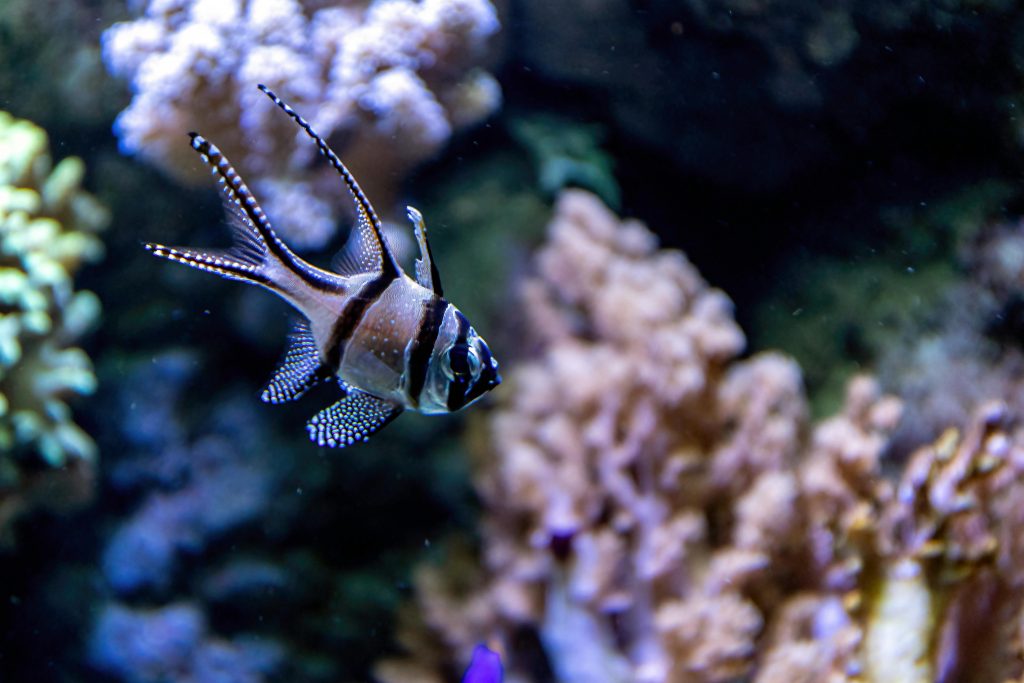
Banggai cardinals and pajama cardinals often mix well with calm species. They are slower swimmers and suit moderate flow zones. Assessors are another underrated option for peaceful reefs. They stay small and do not usually bully other fish.
Before buying, compare each candidate against your coral plans. Our reef safe fish guide can help narrow safe choices.
Fish That Commonly Cause Compatibility Problems
Not all problem fish are impossible to keep. Many simply need careful planning. Damsels are the classic example. Small juveniles look harmless, but many become territorial adults. They can chase gobies, cardinals, and firefish without pause.
Dottybacks are another common issue. They are beautiful and hardy, but many species are fierce in small tanks. They often target fish with similar size and shape. Hawkfish can also be trouble around small shrimp and tiny fish.
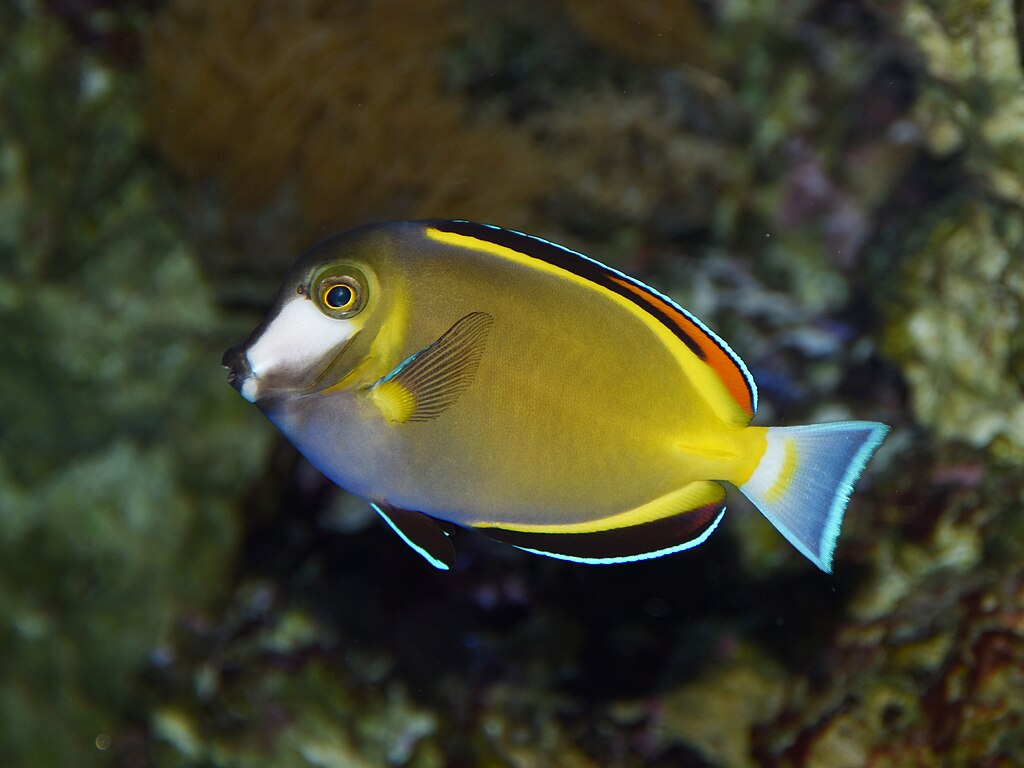
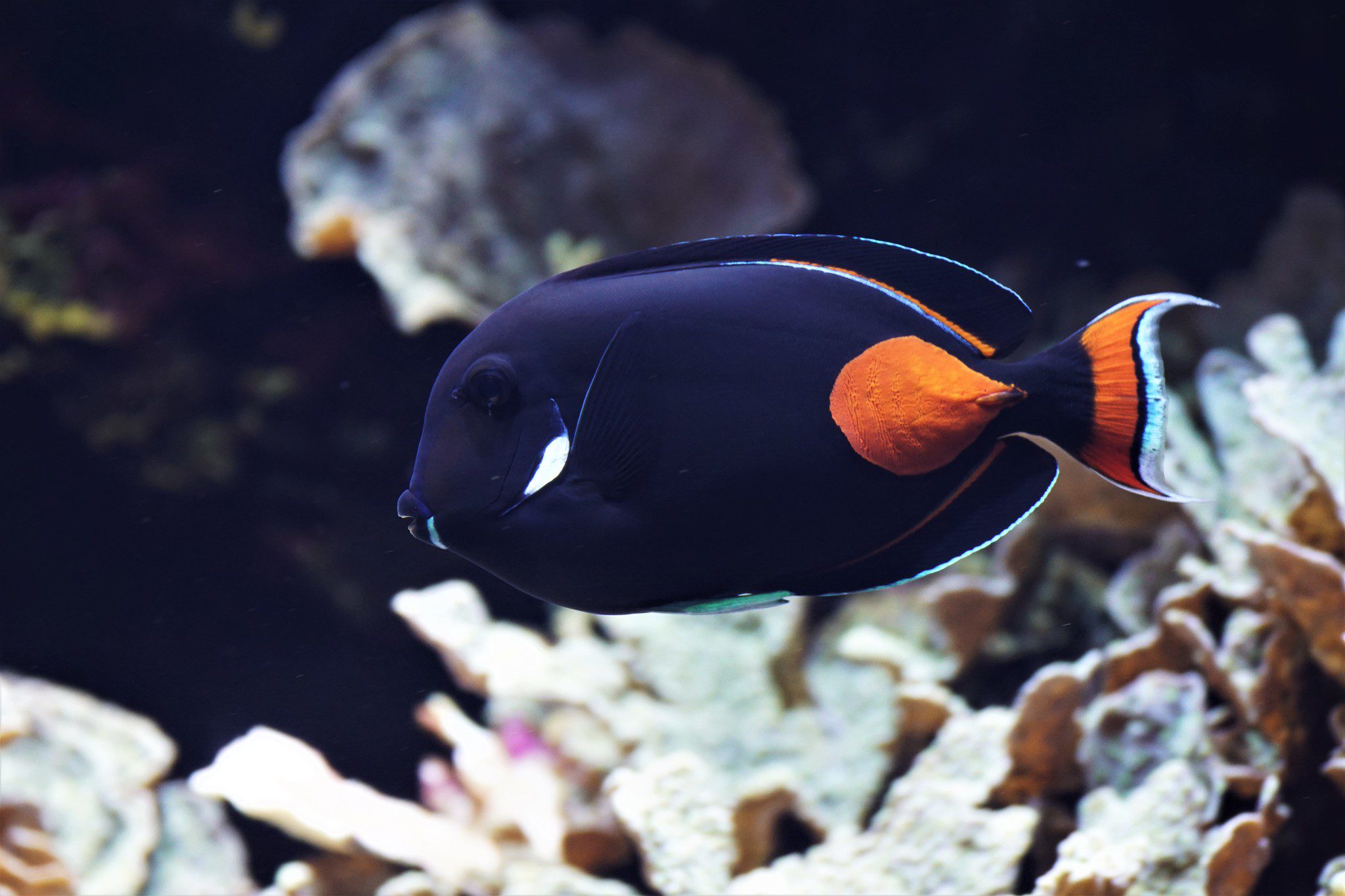
Dwarf angelfish are unpredictable. Some ignore corals and tank mates. Others nip fleshy LPS corals and harass similar fish. Tangs can be excellent community fish in large tanks, but they often fight with other tangs or fish with similar body shapes.
Predatory wrasses, lionfish, triggers, and large groupers need species-specific planning. They are poor fits for typical beginner reef tanks. Research every fish beyond the store label. “Semi-aggressive” can mean very different things in practice.
Compatibility With Corals and Invertebrates
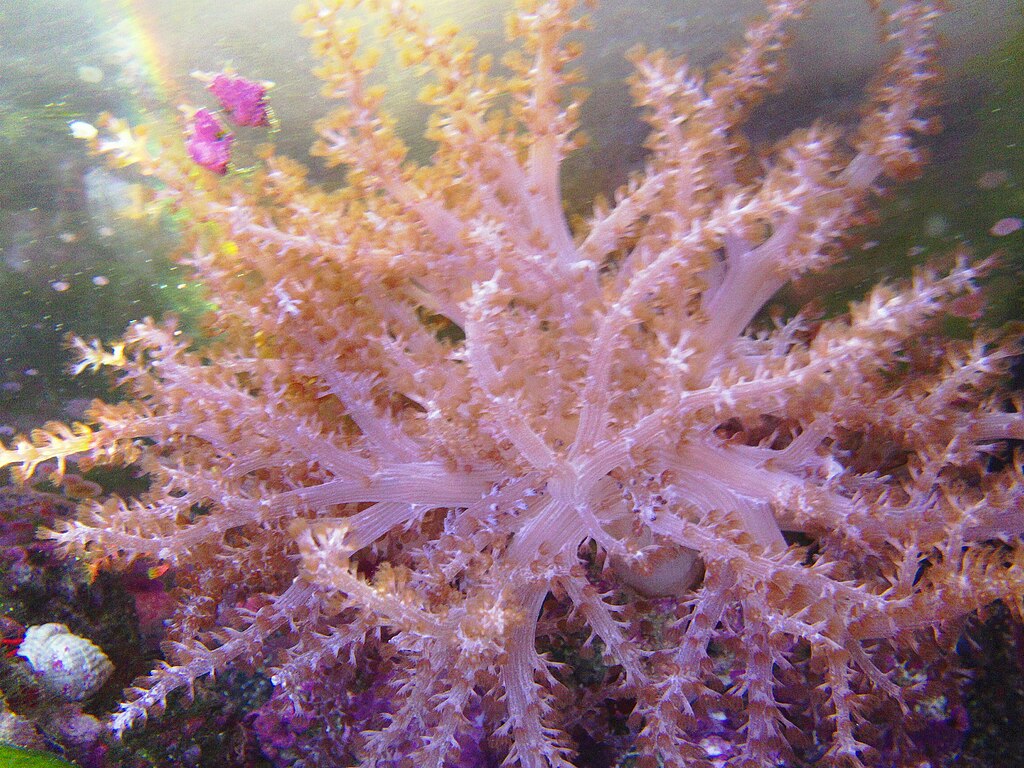
Fish compatibility in reef tanks includes coral and invert safety. A fish may coexist with other fish, yet still cause major reef problems. Butterflyfish, many angelfish, and some filefish often nip corals. Puffers and triggers may attack snails, crabs, and shrimp.
Wrasses vary widely. Many fairy and flasher wrasses are reef safe. Some larger wrasses eat ornamental shrimp, worms, and snails. Hawkfish often perch harmlessly on rock, but they may hunt small cleaner shrimp. Even clownfish can irritate corals if they choose one as a host.
Always ask two separate questions. Is this fish compatible with my other fish? Is this fish compatible with my reef clean-up crew and coral list? Both answers must be yes for a true reef-safe match.
If you keep shrimp or snails, review our clean-up crew for reef tank article before adding predators.
Step-by-Step Guide to Building a Compatible Stock List
Start with your tank size and aquascape. List how much open swimming room and rock shelter you have. Then decide your tank style. Peaceful nano reef, mixed community, or active larger reef all need different fish.
Next, choose one centerpiece fish. This may be a pair of clownfish, a wrasse, or a tang in a larger tank. Build around that species. Avoid adding multiple fish that fill the same role unless the tank is large enough.
Then rank all candidates by aggression. Add the most peaceful fish first. Add semi-aggressive fish later. Add territorial fish last. Quarantine each fish when possible. This prevents disease and gives you time to observe behavior.
Feed generously during introductions. Rearrange a little rockwork if a dominant fish claims the whole tank. Use an acclimation box for sensitive additions. This lets fish see each other without direct contact. It often reduces attack behavior after release.
For disease prevention during stocking, see our saltwater fish quarantine guide.
Common Problems
Why are my saltwater fish suddenly fighting?
Sudden fighting often starts after a new fish is added, a fish matures, or territory shrinks. Check whether the fish are similar in shape or color. That often triggers rivalry. Also check feeding. Hungry fish become more aggressive.
Add more hiding places if the tank feels exposed. Use an acclimation box for reintroduction if needed. In severe cases, remove the aggressor. Some fish simply will not tolerate certain tank mates.
Why is one fish hiding all the time?
Constant hiding usually means stress. The fish may be bullied, outcompeted for food, or placed with overly active tank mates. Observe the tank before and during feeding. Many shy fish only reveal problems when food enters the water.
Dim the lights slightly during acclimation. Provide caves near low-flow zones. Make sure the fish is eating. If not, target feed and consider moving it to a calmer tank.
Can I keep more than one clownfish?
Usually, keep either a bonded pair or a large species group in a very specific setup. In most home reefs, extra clownfish lead to aggression. This is especially true in smaller tanks. Maroon clownfish are often the most aggressive.
Why did my new fish get chased immediately?
Established fish defend their territory. The newcomer enters as an intruder. This is normal at first, but nonstop chasing is not acceptable. Use mirrors, acclimation boxes, and strategic feeding to break the pattern. Add new fish with lights dimmed when possible.
Frequently Asked Questions
What is the most peaceful saltwater fish for beginners?
Firefish, captive-bred ocellaris clownfish, watchman gobies, and royal grammas are strong beginner choices. They are not identical, but they usually adapt well in peaceful reef tanks.
Can tangs live together in one reef tank?
Sometimes, yes. Success depends on tank size, species choice, and introduction order. Larger tanks work best. Tangs with similar body shapes often fight more.
Are damsels always aggressive?
No, but many become territorial with age. Some species are milder than others. Even mild damsels can dominate very small tanks.
Should I add all my fish at once?
No. Add fish slowly. This protects biofiltration and lowers aggression. It also gives you time to observe health and behavior.
How do I know if a fish is reef safe?
Check whether it nips corals, eats ornamental invertebrates, or disturbs sessile livestock. Reef safe with caution means results vary by individual fish and feeding habits.
Final Thoughts
Successful saltwater fish compatibility comes from planning, not luck. Match fish by temperament, adult size, diet, and space needs. Add peaceful fish first. Give every species room, shelter, and fair access to food. If you do that, your reef tank will stay calmer, healthier, and far easier to manage over time.
Was this helpful?
Related Posts
Peaceful Reef Fish Compatibility
Peaceful reef fish compatibility made simple. Learn tank size rules, safe stocking order, and quick fixes for bullying.
 By
By
Nuisance Algae Control Guide
Learn how to identify, remove, and prevent nuisance algae in reef tanks with practical nutrient control, maintenance, and…