

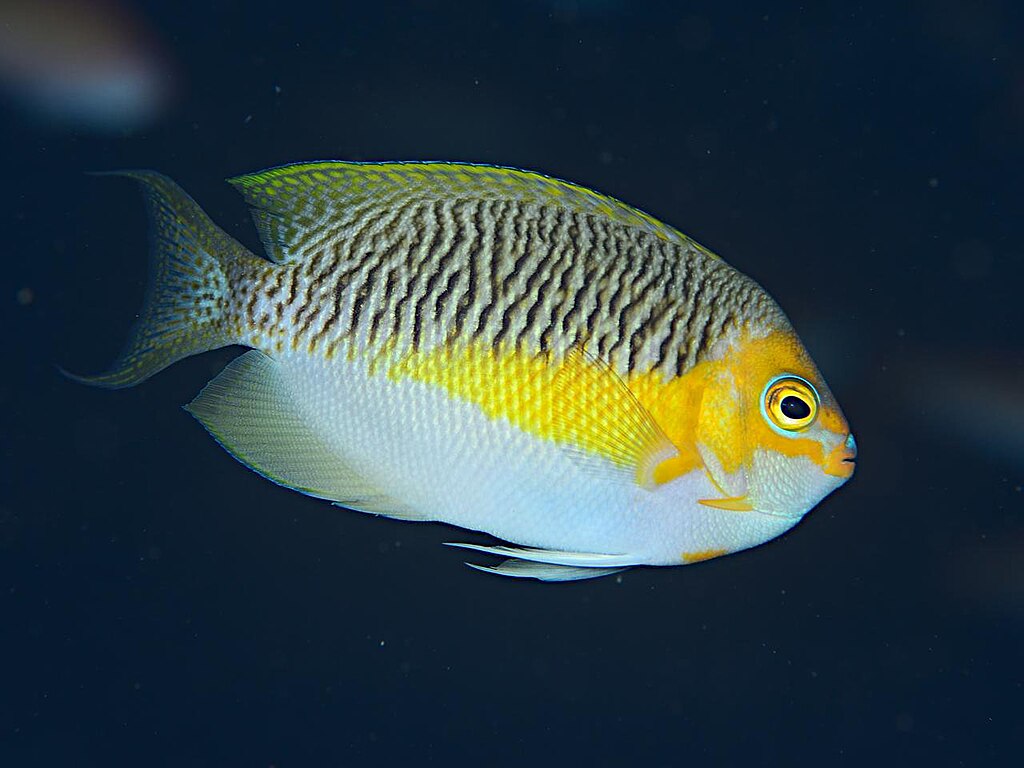
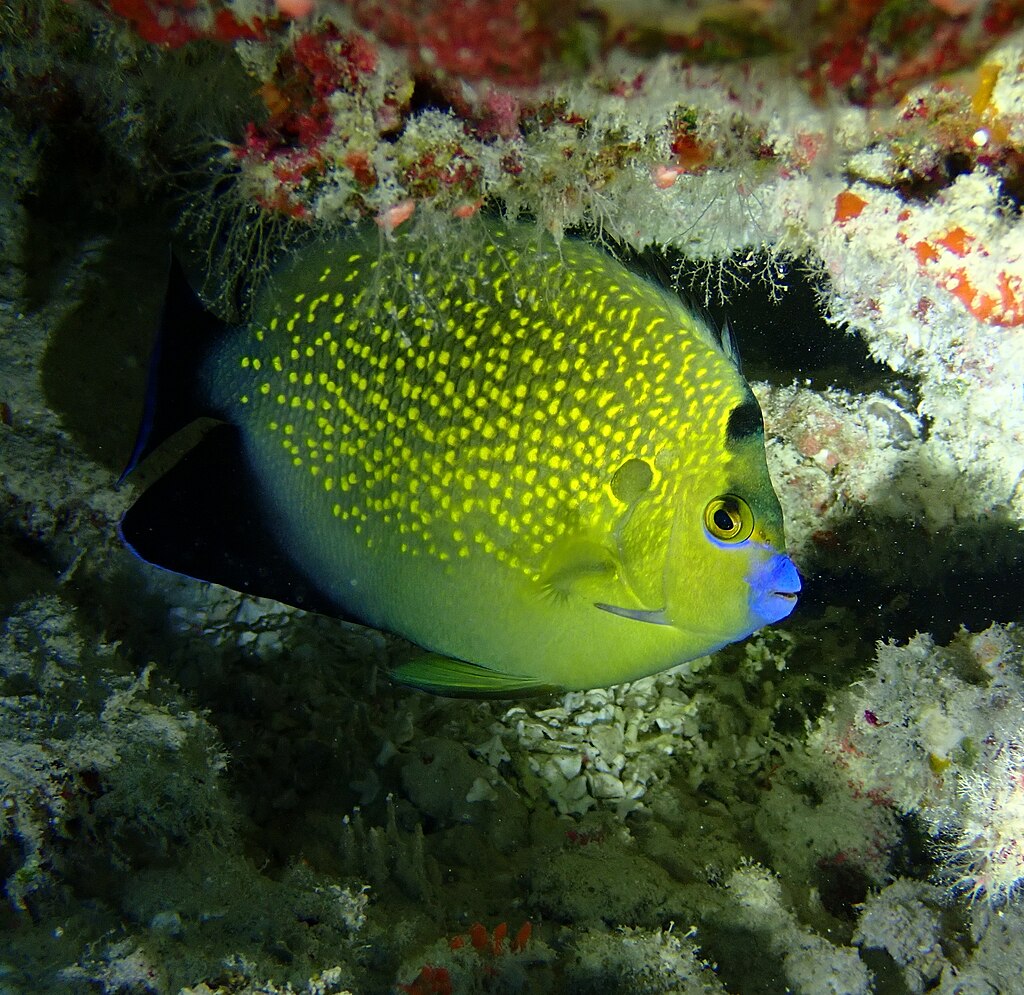
The male Masked Swallowtail Angelfish is one of the most striking reef-safe angelfish available. It does best in large, mature aquariums with open swimming room, strong oxygenation, and frequent feedings. This species is peaceful, active, and better suited to experienced hobbyists who can provide stable water quality.
The Masked Swallowtail Angelfish, Genicanthus semifasciatus, is a dream fish for many reef keepers. The male shows bold black facial markings, elegant striping, and the classic swallowtail shape that makes this genus so popular. Unlike many dwarf and large angelfish, Genicanthus species are planktivores. That matters in reef tanks. They are far less likely to nip corals than many other angelfish. In this guide, you will learn how to care for the male Masked Swallowtail Angelfish, including tank size, diet, flow, compatibility, and common problems. You will also learn what makes this species challenging and how to improve long-term success.
Quick Care Facts
| Common name | Masked Swallowtail Angelfish (male) |
| Scientific name | Genicanthus semifasciatus |
| Family | Pomacanthidae |
| Care level | Moderate to advanced |
| Temperament | Peaceful |
| Reef safe | Usually yes |
| Minimum tank size | 180 gallons |
| Adult size | Up to 7 inches |
| Diet | Planktivore; frozen, pellets, and frequent small feedings |
| Temperature | 74–78°F |
| Salinity | 1.024–1.026 |
| pH | 8.1–8.4 |
| Nitrate | Low to moderate, ideally under 15 ppm |
| Flow | Moderate to strong |
| Lighting | No special demand; reef lighting is fine |
Natural Habitat
Genicanthus semifasciatus comes from deeper reef slopes in the Western Pacific. It is commonly associated with Japan, Taiwan, and nearby regions. In nature, these fish spend much of their time in the water column. They hover above reef structure and feed on zooplankton carried by currents. This behavior explains many of their aquarium needs.
They are not constant rock pickers like some angelfish. They prefer open water and steady movement. They also live in clean, oxygen-rich marine environments. In the wild, they often occur in pairs or loose groups. Males display stronger coloration and more dramatic markings. Females are subtler but still attractive. Because they come from deeper zones, newly imported specimens can be sensitive to transport stress. They may also need time to adjust to bright lighting and aggressive tankmates. Understanding their habitat helps you design a better aquarium for them.
Aquarium Setup
A large tank is essential for this species. I recommend 180 gallons as a practical minimum for a male. Bigger is better. These fish are active swimmers and use the full water column. A cramped aquarium often leads to stress, pacing, and feeding issues.
Build the aquascape with two goals in mind. First, create open swimming lanes. Second, provide caves and shaded retreat areas. Avoid stacking rock too tightly against the front glass. Leave room for long passes across the tank. This species appreciates structure but does not want a wall of rock. Strong gas exchange is also important. Use good surface agitation, a properly sized skimmer, and stable filtration. Mature tanks are strongly preferred. New systems often swing too much in pH, oxygen, and nutrient levels. Quarantine is wise before introduction. For help with stability, see: reef tank cycling guide, protein skimmer setup tips, and quarantine tank basics.
Lighting Requirements
The Masked Swallowtail Angelfish has no special lighting demand. It does not rely on intense reef lighting the way photosynthetic corals do. Standard reef lighting works well. The main concern is acclimation. A newly imported fish may feel exposed under very bright lights, especially in a sparse aquascape.
If the fish arrives shy, reduce intensity for a few days. You can also shorten the photoperiod at first. Overhangs and shaded zones help a lot. In mixed reefs, your coral lighting schedule is usually fine. Just make sure the angelfish has places to retreat. Sudden lighting changes can increase stress. If you run powerful LEDs, use acclimation mode when adding this species. Stable day and night cycles are more important than chasing a specific PAR target for the fish. The goal is simple. Give the fish a predictable environment with enough cover to feel secure.
Water Flow
This species likes moderate to strong water movement. In nature, it feeds where currents deliver plankton. Good flow helps mimic that environment. It also supports oxygenation, which is important for active swimmers.
Avoid one harsh jet aimed across the whole tank. Instead, create broad, turbulent flow. Gyres and alternating pumps work well. The fish should be able to swim comfortably without being pinned in one area. Dead spots should be minimal. Strong circulation also helps keep detritus suspended for filtration. That improves water quality over time. If your fish constantly hides behind rocks, review both flow and aggression. Sometimes the issue is not current at all. It may be a dominant tang or angelfish causing stress. Watch how the fish uses the tank during feeding and lights-on periods. A healthy specimen will spend much of the day in open water.
Feeding
Feeding is one of the most important parts of success. Masked Swallowtail Angelfish are planktivores. They do best with frequent, varied meals. Offer food at least two to three times daily. More frequent small feedings are even better if your filtration can handle it.
Start with enriched frozen mysis, calanus, brine shrimp, finely chopped seafood, and high-quality marine pellets. Many specimens also accept flakes once settled. Rotate foods often. Variety improves nutrition and feeding response. Soak foods in vitamins if the fish is thin or newly imported. An automatic feeder can help with pellets during the day. Do not rely on algae sheets as a primary diet. This is not a grazing angelfish. Watch the belly line closely. A pinched stomach means the fish is not getting enough food or is losing out during feeding. For more nutrition tips, see: best foods for reef fish and how to reduce nitrate in a reef tank.
Compatibility
The male Masked Swallowtail Angelfish is usually peaceful. That makes it a strong candidate for community reef tanks. It generally ignores corals, clams, and most invertebrates. No fish is risk free, but Genicanthus species are among the safest angelfish choices for reefs.
Choose tankmates carefully. Avoid very aggressive species that may intimidate it during acclimation. Large established tangs, triggers, or territorial angelfish can be a problem. Peaceful wrasses, anthias, fairy basslets, gobies, and reef-safe tangs are usually good companions. If keeping more than one Genicanthus, add them to a large tank with planning. Harems are possible in very spacious systems, but this is best left to advanced keepers. Do not combine similar angelfish in cramped aquariums. Introduce the Masked Swallowtail after the most aggressive fish, or use an acclimation box if needed. A fish that feels secure will feed faster and show better color.
Step-by-Step Acclimation Guide
Proper acclimation greatly improves survival. This species does not respond well to rushed handling.
- Prepare a quarantine tank before the fish arrives.
- Match temperature slowly during the first 15 to 20 minutes.
- Keep room lights dim during transfer.
- Use drip acclimation if salinity differs significantly.
- Transfer the fish gently without adding shipping water.
- Provide PVC shelters or rock for security.
- Offer a small meal after the fish settles.
- Observe breathing, posture, and feeding response daily.
- Treat disease only when symptoms are clear or quarantine protocol requires it.
- Move the fish to the display only after it is eating well and acting normally.
Patience matters here. A fish that begins feeding quickly often does very well long term. A fish that hides, breathes heavily, or refuses food needs close observation.
Propagation and Breeding
Breeding Genicanthus semifasciatus in home aquariums is extremely rare. Like other members of the genus, they are pelagic spawners. Eggs and larvae drift in the water column. That makes rearing difficult in typical hobby systems.
Sexual Differences
Males are more colorful and show the signature mask-like facial pattern. Females are less dramatic. This species is protogynous, like other Genicanthus. That means females can transition to males under the right social conditions.
Spawning Behavior
In very large systems, pairs may display at dusk. They rise into the water column during courtship. Even if spawning occurs, raising larvae is the real challenge. Specialized live foods and larval systems are required.
Common Problems
Why is my Masked Swallowtail Angelfish not eating?
New imports often refuse food from stress. Aggressive tankmates can also suppress feeding. Try dimmer lighting, more cover, and smaller frozen foods. Offer food several times daily. Check for rapid breathing, which may suggest disease or shipping damage.
Why is it hiding all the time?
Hiding usually means stress. The tank may be too small, too bright, or too aggressive. Review aquascape, flow, and social dynamics. Add more sheltered zones. Observe the tank from a distance. Some fish hide only when people approach at first.
Is it reef safe with corals?
Usually yes. This genus is one of the safest angelfish groups for reef aquariums. Still, individual behavior can vary. Observe any new fish closely around fleshy LPS, clam mantles, and coral feeding time.
Why is the fish breathing heavily?
Heavy breathing can point to low oxygen, ammonia exposure, parasites, or shipping stress. Test water immediately. Increase aeration. Inspect gill movement and body condition. If symptoms persist, move to quarantine for closer evaluation.
Frequently Asked Questions
How big does a male Masked Swallowtail Angelfish get?
Most reach around 7 inches in captivity, sometimes a bit less. Provide a large tank to support normal swimming behavior.
What is the minimum tank size?
A 180-gallon tank is a realistic minimum for a male. Larger systems are strongly preferred.
Can it live in a reef tank?
Yes. It is usually considered reef safe. That is one reason this species is so desirable.
Is the Masked Swallowtail Angelfish hard to keep?
It is not the hardest angelfish, but it is not a beginner fish either. Success depends on tank size, stable water, and strong feeding response.
Can I keep more than one?
Possible in very large aquariums. It requires planning and careful social management. Most hobbyists should keep a single specimen unless they have significant space.
Final Thoughts
The male Masked Swallowtail Angelfish is a standout fish for advanced reef displays. Its beauty is obvious, but its care still demands respect. Give it space, clean water, strong oxygenation, and frequent feeding. Avoid aggressive tankmates. Start with a healthy specimen that is already eating. If you meet those needs, this fish can become one of the most elegant and rewarding centerpiece fish in a reef aquarium. For more help building a stable system, explore: reef aquarium water parameters.
Was this helpful?
Related Posts
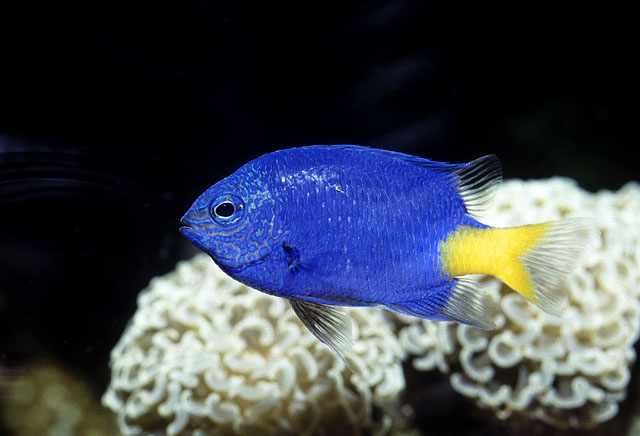
Yellowtail Damselfish (Chrysiptera Parasema)
Yellowtail Damselfish are hardy, colorful, and reef safe, but they can be territorial. Learn their care, feeding, tank…
 By
By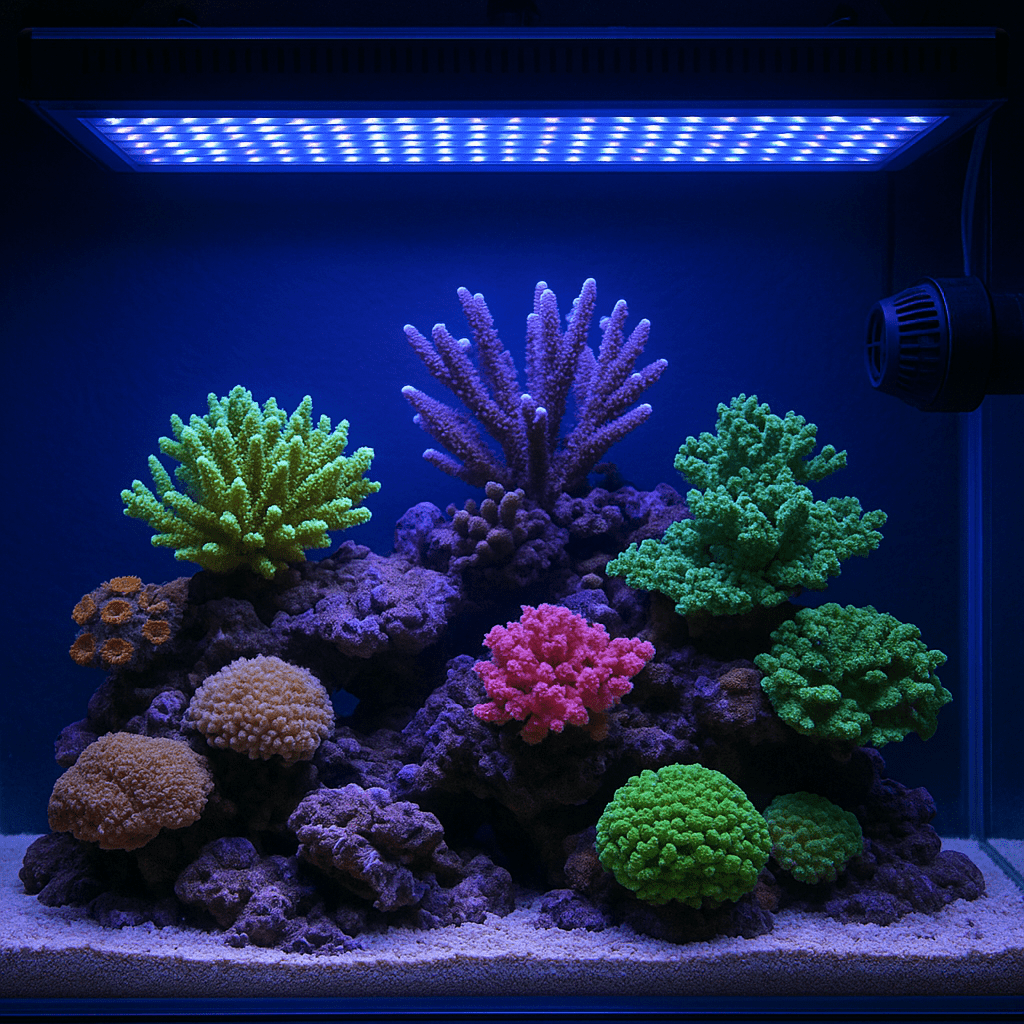
Water Chemistry Basics
Water chemistry basics are the foundation of reef success. Learn the key parameters, target ranges, and simple ways…
[favorite_button]
My Bookmarks:
To see full list click here
[user_favorites user_id="" include_links="true" site_id="" post_types="" include_thumbnails="true" thumbnail_size="thumbnail" include_excerpt="false"]