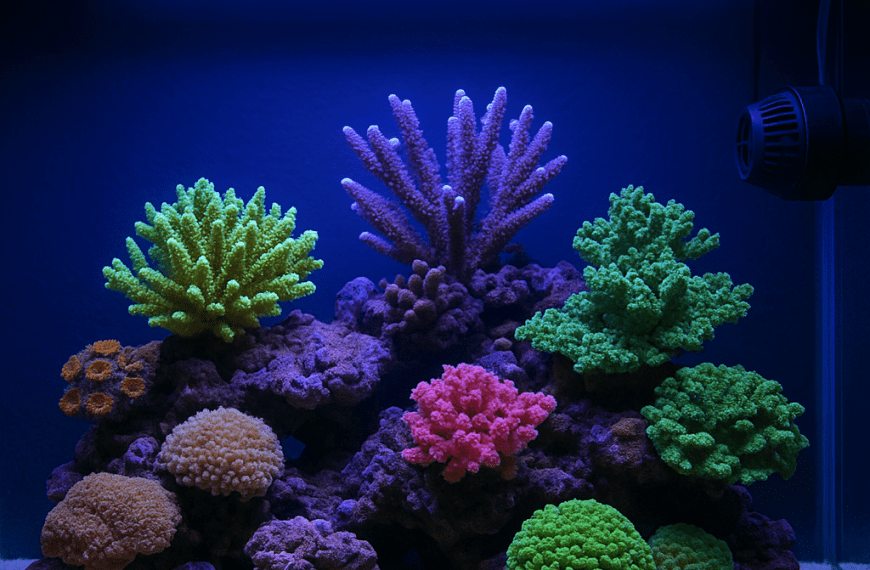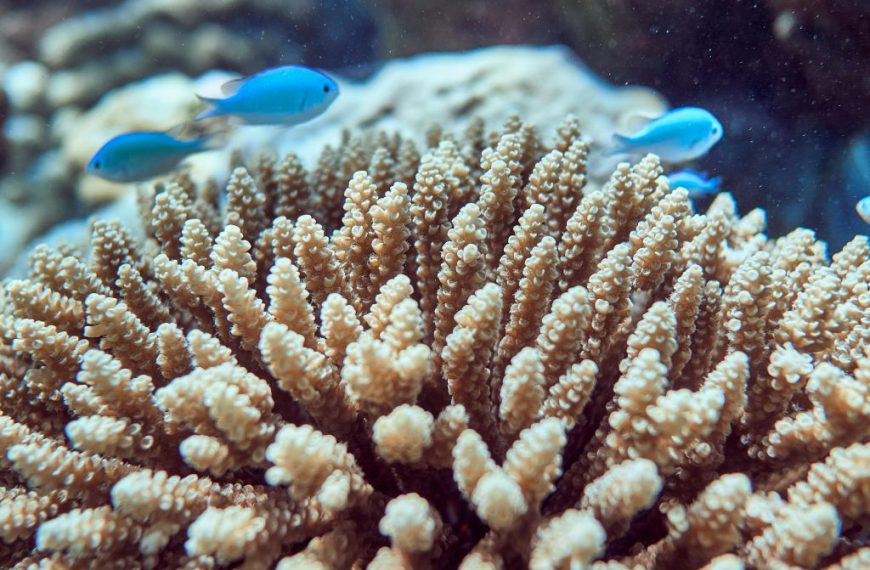
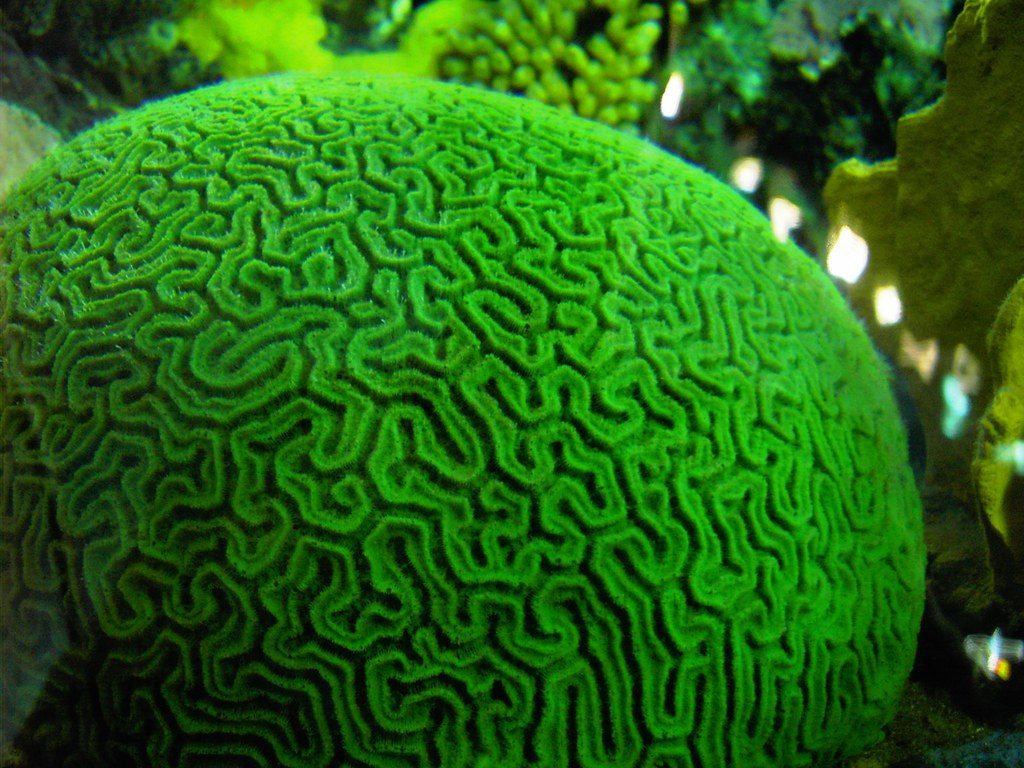
Maze brain corals are hardy LPS corals with bold, winding ridges. They reward steady care with strong growth and great color. Most issues come from light, flow, or chemistry swings.
Picking the right tank, placement, and stability
Start with a stable reef tank that is at least 20 gallons. Bigger systems swing less each day. Keep salinity at 1.025 to 1.026. Hold temperature at 77 to 79°F.
Maze brain corals like moderate light and moderate flow. Aim for 80 to 150 PAR in most tanks. Start lower if the coral is new. Increase light over two weeks.
Place the coral on sand or a stable rock ledge. Leave space for tissue expansion at night. Keep 3 to 6 inches from other LPS corals. Sweeper tentacles can sting nearby neighbors.
Stability matters more than chasing perfect numbers. Keep alkalinity 8 to 9 dKH. Keep calcium 420 to 460 ppm. Keep magnesium 1280 to 1400 ppm. Track trends in a log, like in our reef tank parameter log guide.
- Acclimate new frags for 30 to 45 minutes to match salinity
- Use a coral dip for 5 to 10 minutes to reduce pests
- Mount on a removable tile for easy moving and cleaning
Feeding and daily care for better inflation and growth
Maze brains get energy from light and from feeding. Target feeding helps when nutrients are low. Feed one to two times per week. Feed after lights dim, when feeder tentacles show.
Use small meaty foods that match polyp size. Try mysis, brine, or chopped shrimp. Reef roids can work, but start with tiny amounts. Turn off pumps for 10 to 15 minutes during feeding.
Keep nutrients in a safe range for color and tissue health. Aim for nitrate 5 to 15 ppm. Aim for phosphate 0.03 to 0.10 ppm. Ultra-low nutrients can cause pale tissue and slow healing.
Watch for inflation cycles. Some deflation is normal during waste release. Long deflation can signal irritation. Check for sand on tissue, pests, or too much flow. Review flow basics in our reef tank flow patterns article.
- Feed small portions that are eaten in 2 to 3 minutes
- Rinse frozen food in tank water to reduce extra phosphate
- Keep a turkey baster for gentle spot feeding and debris removal
Troubleshooting common problems and preventing tissue loss
Receding tissue often starts at sharp skeletal edges. It can follow alkalinity swings or low nutrients. Keep daily alkalinity change under 0.3 dKH. Use an auto top-off to prevent salinity swings.
Brown jelly infections can hit stressed LPS corals. You may see brown slime and rapid tissue loss. Act fast. Siphon the jelly, then dip in iodine-based coral dip. Increase flow slightly around the coral.
Bleaching points to too much light or heat. Move the coral lower and reduce white intensity by 10 to 20%. Check peak temperature during the afternoon. A small fan can drop the heat by 1 to 2°F.
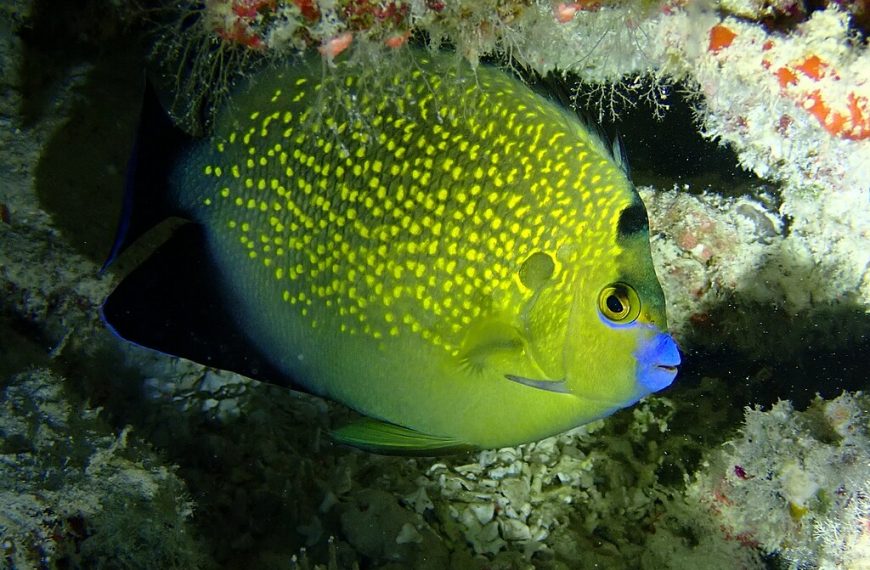
Also check for fish and inverts that pick at LPS. Some angels, butterflies, and crabs can irritate tissue. If you see repeated nips, use a breeder box for a week. Consider a coral-safe stocking plan like our reef-safe fish list.
- If tissue recedes, test alkalinity daily for one week
- If slime appears, isolate the coral and run fresh carbon
- If algae grows on the skeleton, gently brush and improve the flow
Maze brain corals do well when light, flow, and chemistry stay steady. Feed lightly, give them space, and respond fast to stress signs. With stable parameters, they can thrive for years and become a tank centerpiece.
Sources: Borneman, E. (2001) Aquarium Corals; Sprung, J. (2005) The Reef Aquarium Vol. 3; Delbeek & Sprung (1994) The Reef Aquarium Vol. 1.
Was this helpful?
Related Posts
Best Reef Safe Cleanup Crew
The best reef safe cleanup crew includes hardy snails, selective scavengers, and a few specialty invertebrates matched to…
 By
By
Dragonets Fish Care
Dragonets are beautiful reef fish, but they need mature tanks and steady food sources. Learn how to keep…