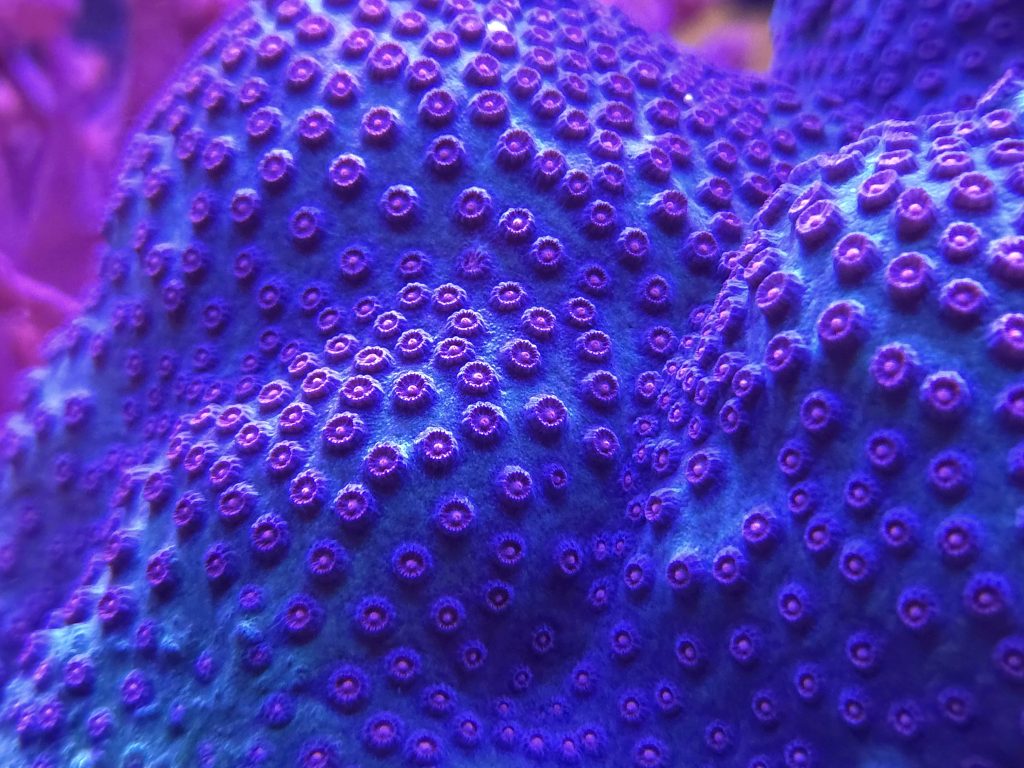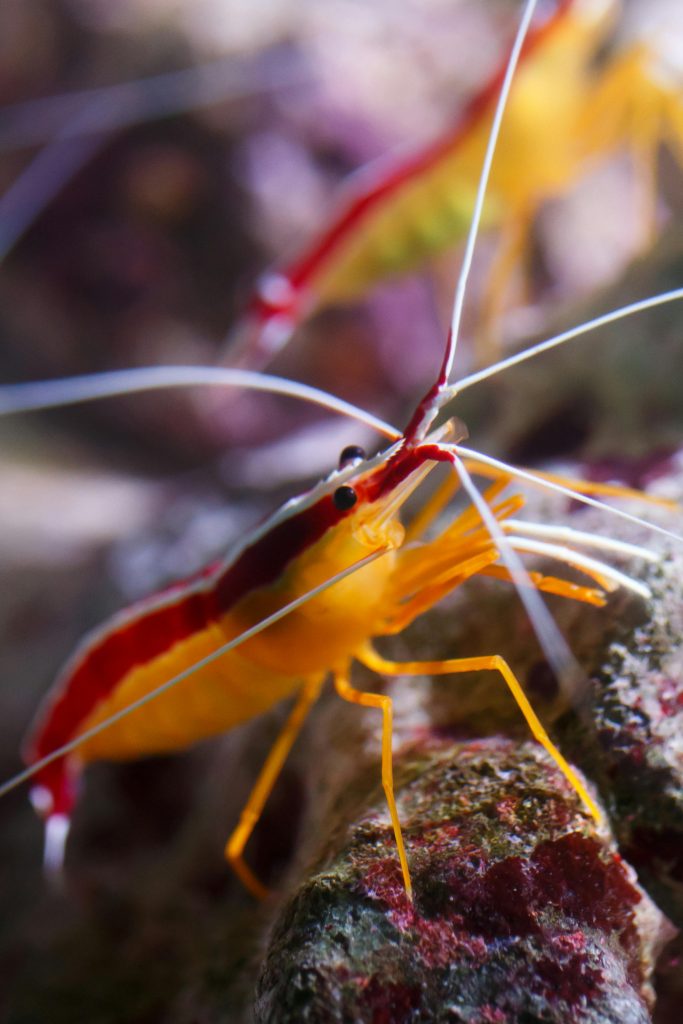
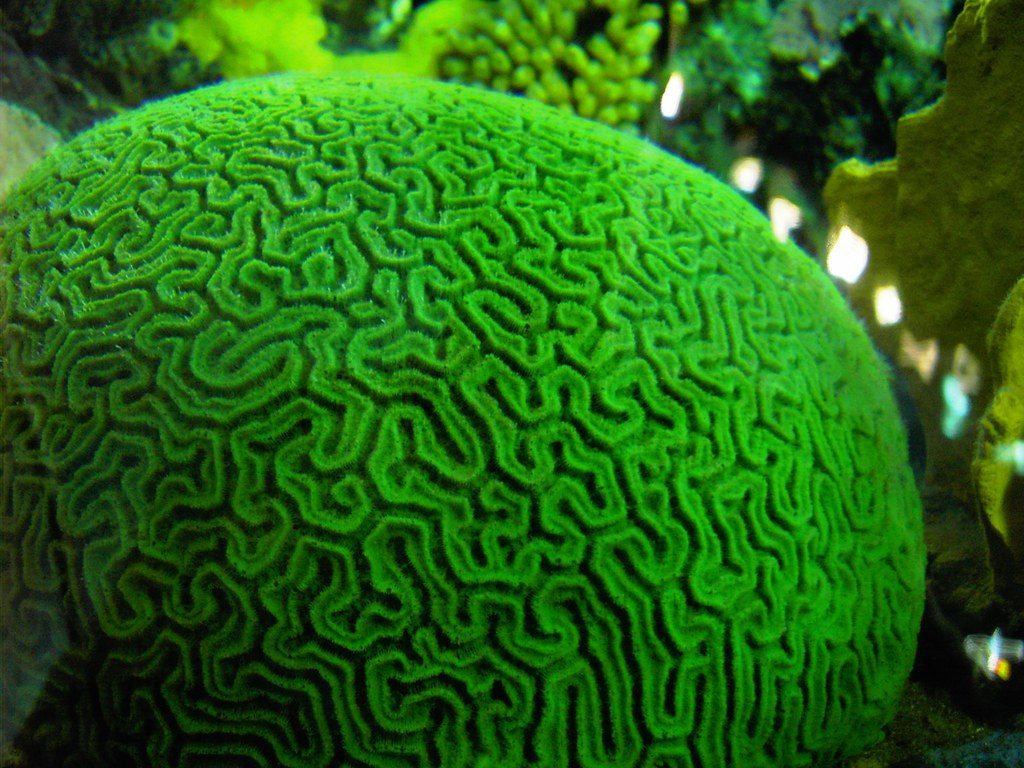
Maze brain corals are hardy LPS corals with bold ridges and valleys. They suit many beginner and intermediate reef tanks. Success depends on stable alkalinity, moderate light, moderate flow, and careful placement away from aggressive neighbors.
These corals are popular because they look dramatic without needing extreme care. Their folded skeleton creates the classic maze pattern that gives them their name. Many hobbyists keep species from Platygyra, Goniastrea, and related genera under this common label. In this guide, you will learn how to identify their needs, place them correctly, feed them well, and solve common problems before tissue loss starts. You will also learn what growth to expect, how to frag them safely, and how to keep them compatible with fish, invertebrates, and nearby corals.
Maze Brain Corals Quick Care Table
| Common name | Maze brain coral |
| Type | LPS coral |
| Care level | Easy to moderate |
| Lighting | Moderate |
| Flow | Moderate, indirect |
| Placement | Sand bed or stable rockwork |
| Aggression | Moderate to high at night |
| Feeding | Photosynthesis plus meaty foods |
| Temperature | 76–79°F |
| Salinity | 1.025–1.026 specific gravity |
| Alkalinity | 8–9.5 dKH |
| Calcium | 400–450 ppm |
| Magnesium | 1250–1400 ppm |
| Nitrate | 5–15 ppm preferred |
| Phosphate | 0.03–0.10 ppm preferred |
Use this table as a starting point. Stability matters more than chasing exact numbers. Sudden swings cause more damage than slightly imperfect values.
What Are Maze Brain Corals?
Maze brain corals are large polyp stony corals with winding ridges that resemble a brain. Their fleshy tissue covers a hard calcium skeleton. During the day, many look smooth and inflated. At night, feeder tentacles often extend between the valleys. Colors vary widely. You may see green, brown, gold, red, gray, or mixed patterns with fluorescent highlights.
They are often sold under broad common names. That can confuse new hobbyists. Different species may have slightly different growth forms and aggression levels. Still, their care is very similar in most reef tanks. They prefer mature systems with stable chemistry. They also appreciate room around them. Their sweeper tentacles can sting nearby corals after lights out. If you like LPS corals with texture and movement, they are an excellent choice. They add structure to the aquascape and usually become more attractive as they grow.
Natural Habitat
In the wild, maze brain corals occur on Indo-Pacific and Caribbean reefs, depending on the species. Many live on reef slopes, lagoons, and protected back reef areas. They usually grow where light is moderate to strong and water movement is steady but not violent. Sediment may settle nearby, but healthy colonies can shed some debris with mucus.
These reefs are chemically stable year round. Temperature shifts are limited. Salinity stays consistent. That is why maze brain corals often react poorly to rapid changes in home aquariums. Their natural habitat also explains their shape. The ridges and valleys increase surface area for tissue and feeding. Zooxanthellae provide much of their energy through photosynthesis. Small plankton and organic particles add extra nutrition. When you recreate these conditions at home, growth is usually steady and color remains strong. Think stable reef water, moderate light, and enough flow to keep detritus from collecting in the folds.
Aquarium Setup
Maze brain corals do best in established aquariums. A tank that is at least six months old is safer than a new system. They can live in smaller reefs, but a 30-gallon tank is a practical minimum. Larger tanks are easier to keep stable. Stability is especially important for alkalinity and salinity.
Place the coral on a stable surface where it cannot topple. Many hobbyists keep them on the sand bed. Others place them on lower rock shelves. Avoid narrow ledges that can trap waste beneath the colony. Leave several inches of open space around it. Nighttime sweepers can reach farther than expected. Keep sharp rock edges away from the tissue. Inflated flesh can tear if it rubs against rough surfaces. If you are building a mixed reef, plan coral spacing early. This prevents future stinging wars. For broader system planning, see our anchor text and anchor text guides.
Lighting Requirements
Moderate lighting works best for most maze brain corals. A PAR range of about 80 to 150 is a safe target. Some specimens can handle more light after slow acclimation. New arrivals should start lower in the tank. Then move them upward only if needed. Sudden exposure to strong LEDs can bleach tissue fast.
Watch the coral for feedback. Faded color can suggest too much light. Browning can suggest low light or excess nutrients. Healthy tissue should look full and evenly colored. If your lights are powerful, use acclimation mode or reduce intensity for a week or two. Keep the photoperiod reasonable. Eight to ten hours of full intensity is enough in most systems. Blue-heavy reef lighting often brings out fluorescence, but appearance should never come before coral health. If you want a deeper overview of PAR and placement, read our anchor text article before moving sensitive LPS corals.
Water Flow
Maze brain corals prefer moderate, indirect flow. The goal is gentle movement across the tissue. You want enough flow to prevent detritus buildup in the valleys. You do not want a direct blast that keeps the tissue retracted. Strong, narrow flow can damage flesh over time.
Look for subtle tissue movement rather than whipping. If debris collects on the coral daily, flow is too weak. If the coral stays shrunken or one side recedes, flow may be too strong or too direct. Random flow patterns are ideal. They help the coral breathe, feed, and shed mucus. In mixed reefs, powerhead placement can change as colonies grow. Recheck flow every few months. A coral that was happy before may become stressed when nearby rockwork or coral growth redirects current. Fine tuning flow is one of the easiest ways to improve LPS health without changing chemistry.
Feeding
Maze brain corals get much of their energy from light, but feeding helps growth and recovery. Offer small meaty foods one or two times per week. Good options include mysis shrimp, finely chopped seafood, reef roids, and other coral foods sized for LPS mouths. Feed after lights dim if tentacles are visible. That is when many specimens respond best.
Turn off strong pumps for ten to fifteen minutes during feeding. Use a turkey baster or pipette to target the coral gently. Do not overfeed. Excess food can rot in the valleys and raise nutrients. If the coral grabs food and closes around it, that is a good sign. If it ignores food repeatedly, check flow, lighting, and water chemistry. New imports may need time before feeding strongly. Keep nitrate and phosphate detectable but controlled. Ultra-low nutrient tanks often leave LPS corals pale and slow to grow. For more on nutrient balance, our anchor text guide explains practical ranges for mixed reefs.
Compatibility
Maze brain corals are generally reef safe, but they are not passive. They can sting nearby corals with sweeper tentacles. Give them space from euphyllia, acans, favias, chalices, and other LPS corals. They can also lose fights with very aggressive neighbors. In mixed reefs, distance is your best defense.
Most reef-safe fish ignore them. Still, some angels, butterflies, and large wrasses may nip tissue. Certain crabs can irritate the coral while climbing over it. Urchins may knock it loose if placement is unstable. Shrimp are usually fine, though aggressive feeding by cleaner shrimp can steal food from the coral. If that happens, use a feeding dome or distract the shrimp first. Avoid placing maze brain corals where sand constantly blows over the tissue. A little sediment is manageable. Constant burial is not. If you are stocking a peaceful community, review our anchor text article to avoid fish that may pick at fleshy LPS corals.
Step-by-Step Placement and Acclimation
Start with a slow acclimation process. This gives the coral the best chance to settle in. Follow these steps for new purchases:
- Inspect the coral for tissue damage, pests, and exposed skeleton.
- Dip it if appropriate for the species and vendor guidance.
- Match temperature carefully before adding it to the tank.
- Place it in low to moderate light at first.
- Choose an area with indirect, moderate flow.
- Leave at least several inches around the colony.
- Do not move it daily. Give it one to two weeks.
- Monitor inflation, color, and feeding response.
- Adjust placement only if signs of stress continue.
Most problems begin with rushing this stage. New corals need time to adapt to your light spectrum, nutrient level, and flow pattern. Stable placement reduces stress and helps the coral form a normal feeding rhythm.
Propagation and Fragging
When to Frag
Frag only healthy, established colonies. The coral should show full tissue, good color, and steady growth. Avoid fragging newly imported or stressed specimens. Wait until the coral has adapted well to your system.
How to Frag Safely
Use a band saw or rotary tool designed for coral cutting. Plan cuts through the skeleton while avoiding as much living tissue as possible. Wear eye protection and gloves. Rinse the frag in clean saltwater after cutting. Many hobbyists use an iodine-based dip afterward. Place fresh frags in lower light and gentler flow during recovery.
Recovery After Fragging
Healing can take weeks. Keep alkalinity stable and nutrients reasonable. Do not blast new cuts with direct flow. Feed lightly once the coral resumes normal extension. Watch closely for brown jelly or tissue recession around cut edges.
Common Problems
Why Is My Maze Brain Coral Bleaching?
Bleaching usually follows light shock, temperature stress, or rapid chemistry changes. Move the coral to lower light. Confirm temperature stability. Test alkalinity, salinity, nitrate, and phosphate. Avoid large corrections in one day. Slow recovery is safer.
Why Is Tissue Receding?
Tissue recession often points to unstable alkalinity, physical damage, excessive flow, or coral aggression. Check for stings from nearby neighbors. Inspect for exposed skeleton spreading from one side. Improve stability and remove the source of irritation quickly.
Why Won’t It Open or Inflate?
Recent shipping stress is common. So is poor placement. Review flow first. Then review lighting. Test salinity and alkalinity. Look for pests or fish nipping. Give the coral several days of calm conditions before making more changes.
Brown Jelly or Rapid Tissue Loss
This is an emergency. Isolate the coral if possible. Gently remove dead tissue. Consider a coral dip and stronger export of waste. Improve flow around, not at, the coral. If one area is badly affected, fragging healthy parts may save the colony.
Frequently Asked Questions
Are maze brain corals good for beginners?
Yes, they are often beginner friendly in stable tanks. They are more forgiving than many SPS corals. They still need consistent water chemistry and careful placement.
How fast do maze brain corals grow?
Growth is usually moderate. Feeding, stable alkalinity, and proper light improve growth. Most colonies thicken and expand more than they branch.
Can maze brain corals live on the sand bed?
Yes, many do very well there. Keep the coral stable and prevent constant sand from blowing onto the tissue.
Do maze brain corals need feeding?
They can survive mostly on light, but feeding improves growth and recovery. Offer small meaty foods once or twice weekly.
How much space should I leave around them?
Leave several inches at minimum. More is better in mixed reefs. Night sweepers can reach farther than daytime appearance suggests.
Maze brain corals reward patience. Keep their environment stable. Give them moderate light, indirect flow, and room to expand. Feed lightly, watch for nighttime aggression, and correct stress early. Do that, and these classic LPS corals can become long-lived centerpieces in your reef.
Was this helpful?
Related Posts
Choosing The Right Corals
Learn how to choose the right corals for your reef tank based on lighting, flow, tank size, and…
 By
ByNano Reef Stability Tips
Nano reef stability depends on consistency. Learn how to control salinity, nutrients, feeding, and maintenance in small reef…