Planning Your Mixed Reef Tank Stocking List
A mixed reef tank is one of the most rewarding setups in the saltwater aquarium hobby. You get the motion of soft corals, the structure of LPS, the color of SPS, and a lively community of fish and inverts all in one display. The key to success is planning your stocking list around compatibility, territory, and long-term growth rather than impulse buys at the fish store.
Before you bring anything home, make sure you’ve already thought through your saltwater aquarium setup checklist and have stable parameters, adequate filtration, and strong export (skimmer, refugium, or both). A mixed reef thrives on stability more than any single piece of equipment.
Start with a Cleanup Crew and Peaceful Foundation Fish
Every mixed reef should begin with a solid cleanup crew and hardy, peaceful fish that won’t harass future additions.
Cleanup Crew Basics
- Snails: Trochus, Nassarius, and Cerith snails tackle film algae, detritus, and leftover food.
- Hermit crabs: Blue-leg or scarlet hermits add movement but don’t overstock; they can bother snails.
- Microfauna: Copepods and amphipods help with film algae and provide natural food for small fish.
Introduce your cleanup crew once the tank has completed its cycle and you see the first signs of algae. For more details on starting out, see our beginner saltwater fish for your first reef tank guide.
Good First Fish for a Mixed Reef
- Clownfish (Ocellaris or Percula): Hardy, reef-safe, and stay relatively small.
- Firefish or Helfrichi: Peaceful, colorful, and low bioload when kept singly or as a bonded pair.
- Royal Gramma or Assessors: Great for rockwork, generally peaceful if not overcrowded.
- Small gobies and blennies: Tailspot blennies, neon gobies, and watchman gobies add personality and utility.
Focus on fish that are fully reef-safe, not just “reef compatible with caution.” In a mixed reef, you’ll eventually keep fleshy LPS and delicate SPS that can’t tolerate nippers.
Layering In Corals and Higher-Risk Fish
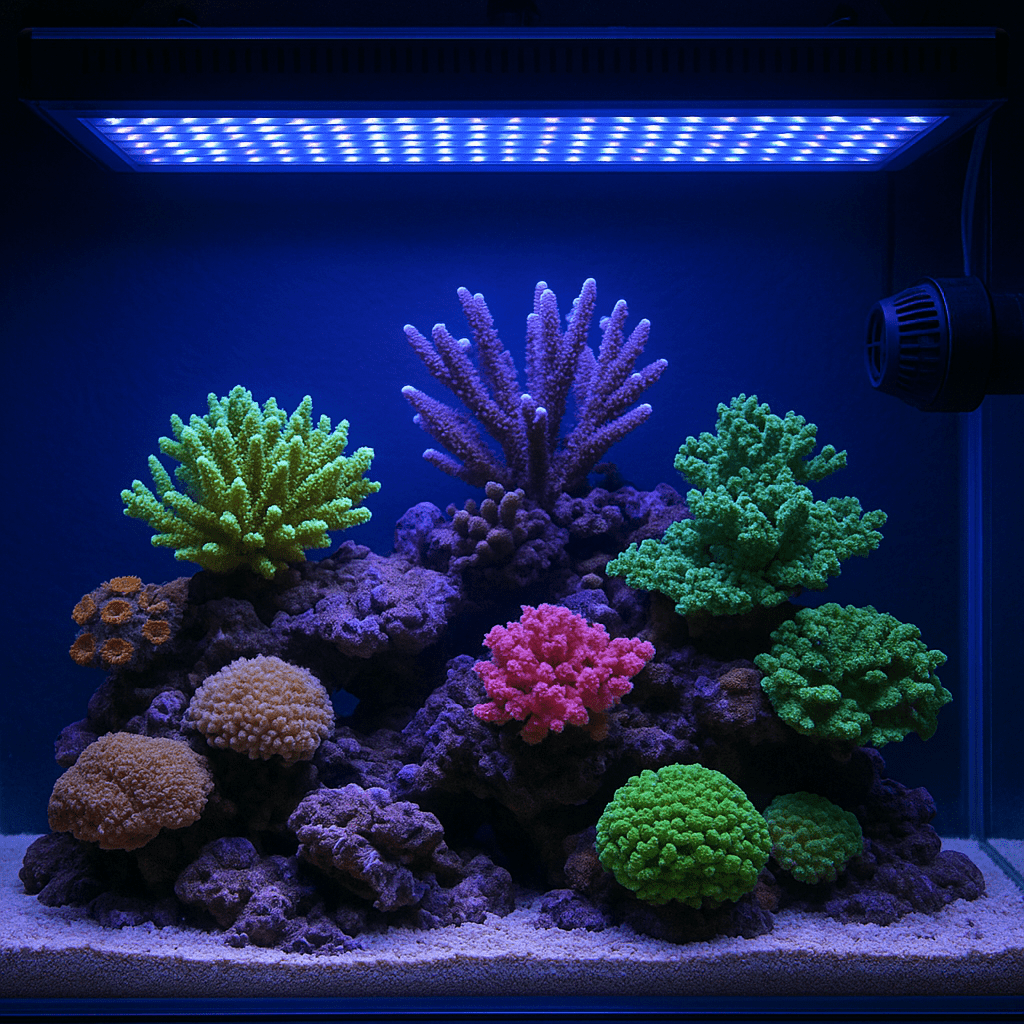
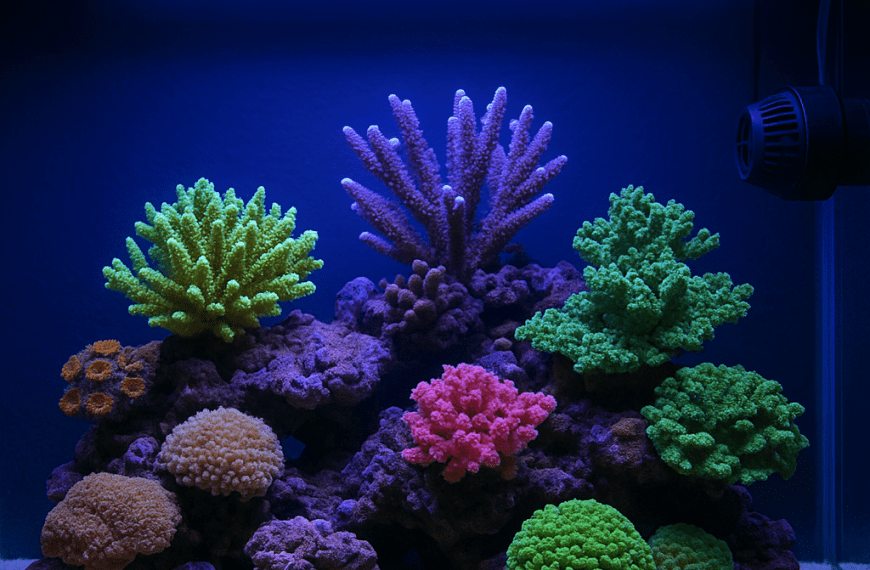
Once your tank is stable and nutrient levels are under control, you can start adding corals and more specialized fish. Think in terms of zones: lower rockwork and sand for LPS, mid-level for softies, and high light/high flow areas for SPS.
Corals for a Mixed Reef
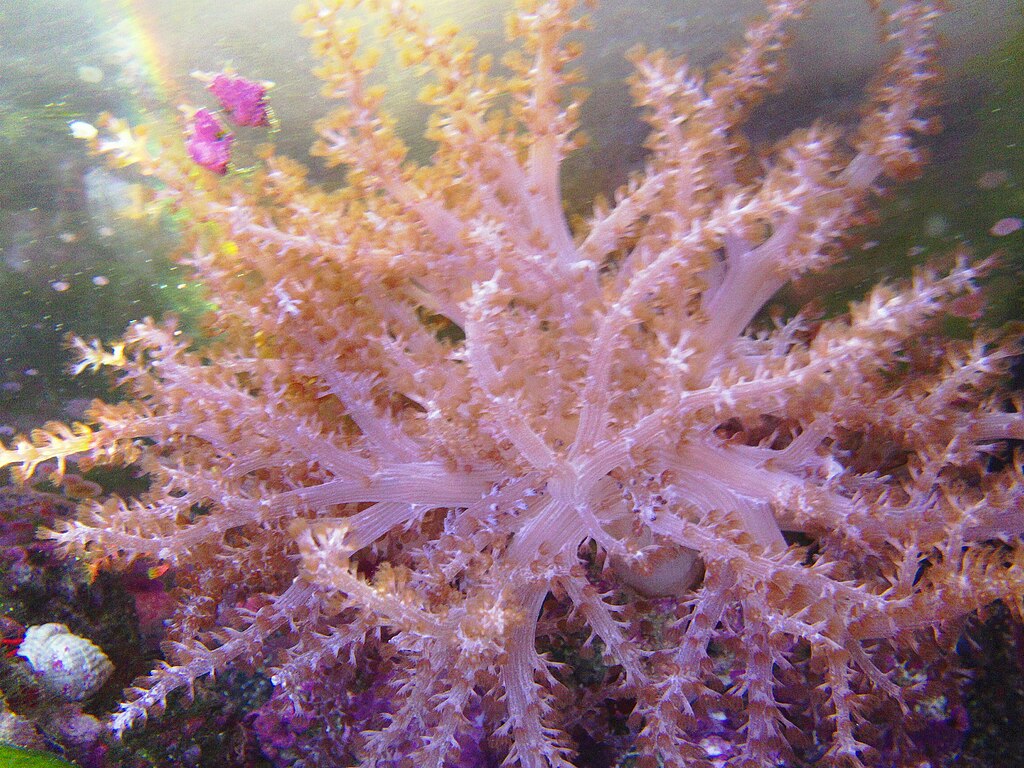
- Soft corals: Zoanthids, mushrooms, leathers. Fast-growing and forgiving but can overshadow slower corals.
- LPS corals: Euphyllia (torches, hammers, frogspawn), acans, favias. Keep space for sweeper tentacles.
- SPS corals: Montipora and easier Acropora varieties once you’re confident with stability.
Tip: Add more aggressive or fast-growing corals last and give them an “island” rock to prevent them from overrunning your aquascape.
Choosing Fish for a Mature Mixed Reef
- Tangs: Great algae grazers for larger tanks (4 ft+). Add them later and avoid mixing similar-shaped species.
- Wrasses: Fairy and flasher wrasses are colorful and active; ensure a tight lid to prevent jumping.
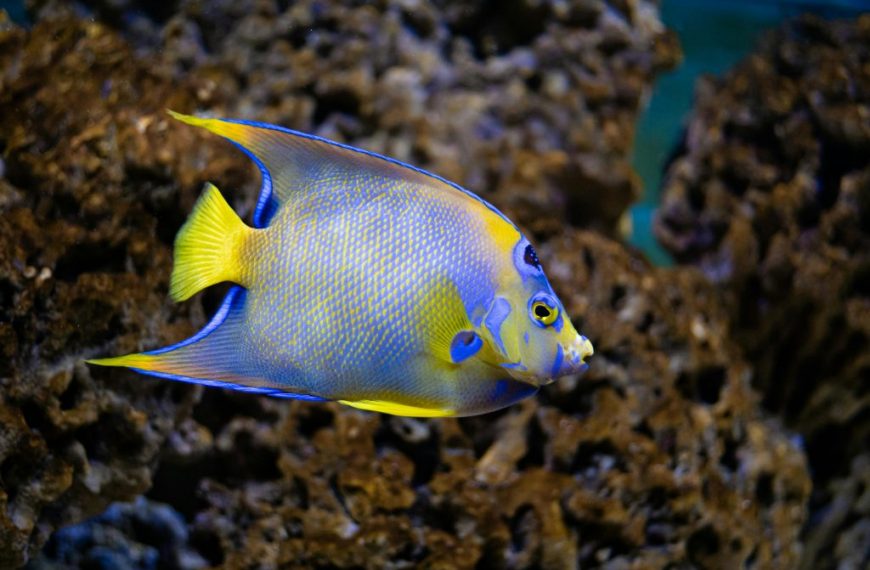
- Dwarf angels (with caution): Coral nipping is possible; they’re best reserved for experienced keepers willing to accept some risk.
Always research adult size, temperament, and diet. Stock from most peaceful to most assertive, and quarantine new arrivals. If you’re planning a reef tank maintenance schedule, factor in how much feeding and cleaning each new addition will require.
Putting It All Together
A well-stocked mixed reef tank feels busy but not crowded, colorful but not chaotic. Plan your stocking in stages: cleanup crew and starter fish, then softies and LPS, and finally SPS and any more demanding or semi-aggressive fish. Leave room in both your aquascape and your bioload for growth—future you will appreciate the restraint.
With patience, research, and a thoughtful stocking plan, your mixed reef can evolve into a thriving slice of the ocean that’s stable, vibrant, and a joy to maintain for years.
Sources
- Sprung, J. & Delbeek, J. C. The Reef Aquarium, Vol. 1–3.
- Borneman, E. H. Aquarium Corals: Selection, Husbandry, and Natural History.
- Fenner, R. The Conscientious Marine Aquarist.
Was this helpful?
Related Posts
Reef Safe Fish for Beginners
Discover the best reef safe fish for beginners, plus tank size, feeding, and compatibility tips for a peaceful…
 By
By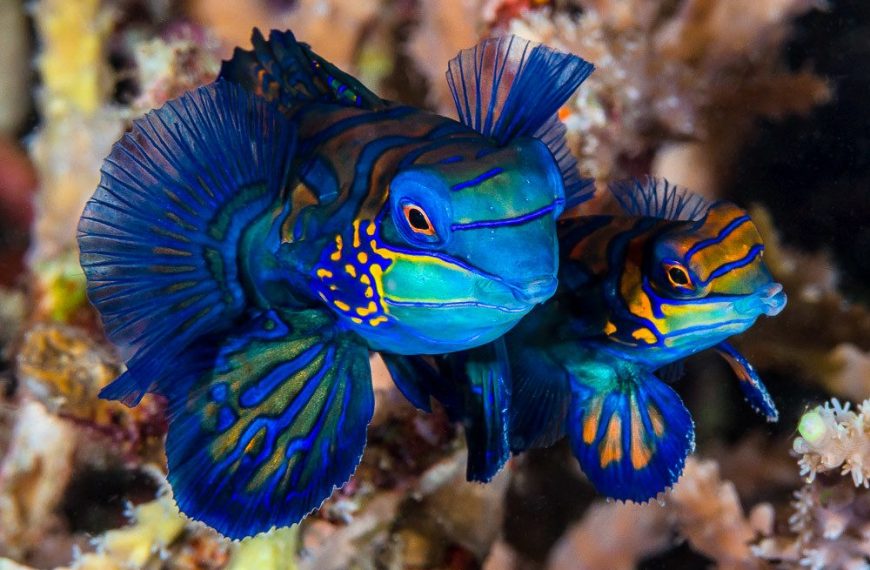
Dragonets Fish Care
Dragonets are beautiful reef fish, but they need mature tanks and steady food sources. Learn how to keep…