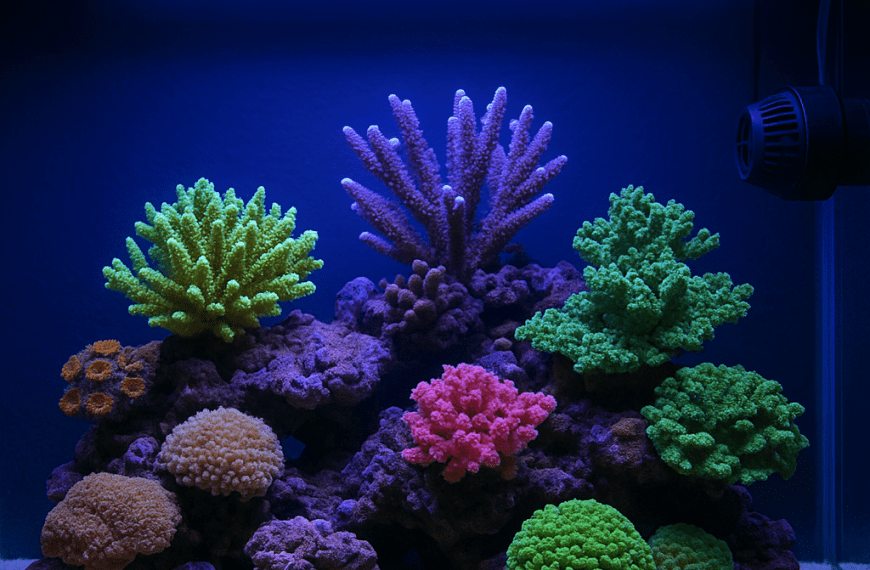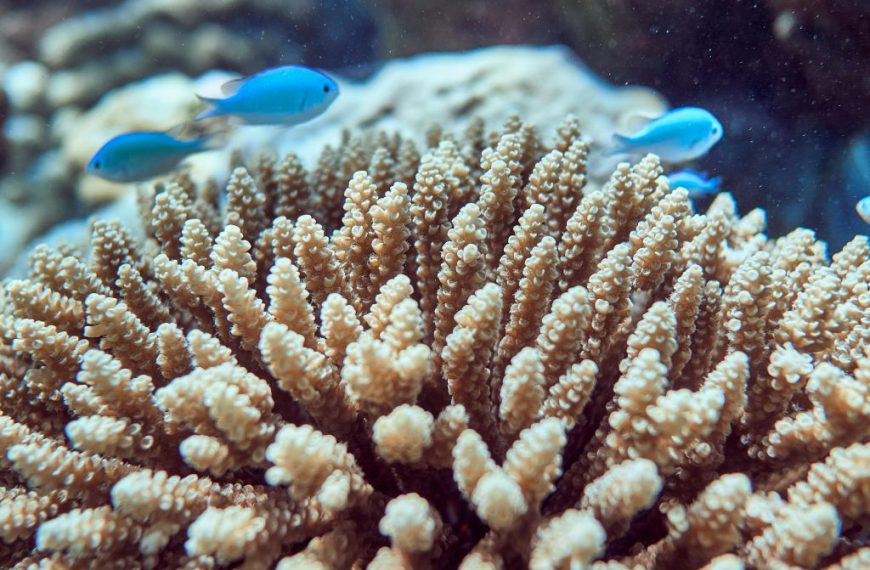
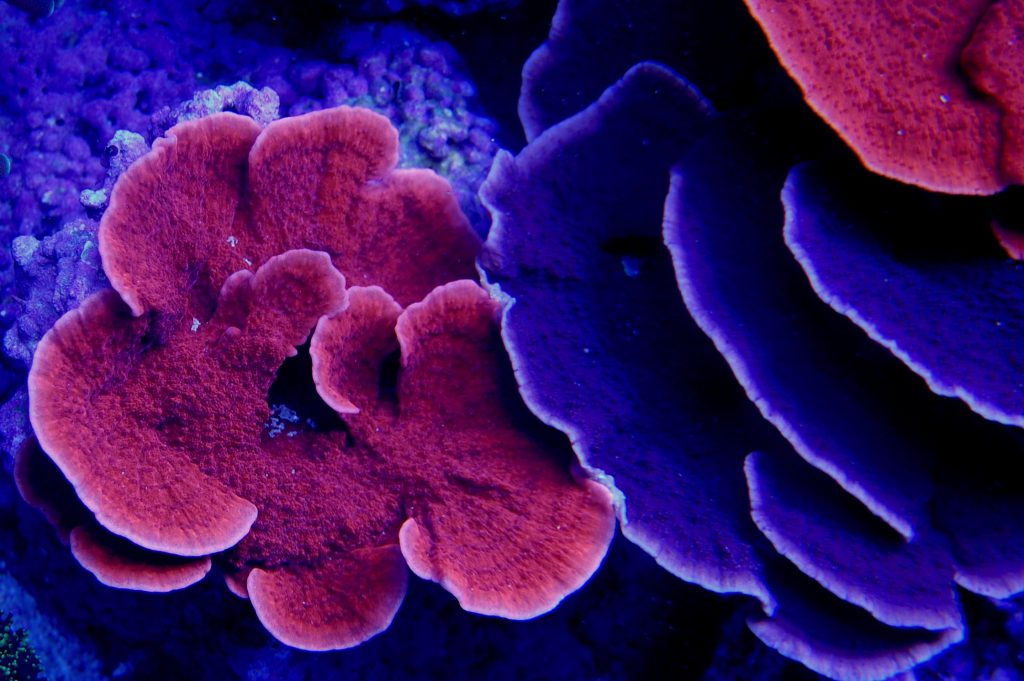
Montipora corals are hardy SPS favorites with huge variety. They can grow fast and reward stable tanks. With the right light, flow, and nutrients, they color up and plate out.
Choosing a Montipora and setting up placement
Montipora comes in plating, encrusting, and branching forms. Plating types need room to expand outward. Encrusting types spread over rock and can shade neighbors. Branching types need spacing to avoid stinging and breakage.
Start with a stable reef tank that is at least 6 months old. Keep salinity at 1.025 to 1.026. Hold temperature at 25 to 26 C (77 to 79 F). Aim for alkalinity 8 to 9 dKH, calcium 420 to 450 ppm, and magnesium 1300 to 1400 ppm.
Place new frags in lower light for the first week. Move them up slowly every 5 to 7 days. Target PAR of 200 to 350 for most Montipora. Some high-light strains tolerate 400 PAR, but only with strong stability.
Use moderate to strong, random flow. Aim for 20 to 40 times tank turnover per hour. Avoid a direct jet on the tissue. A wavemaker on pulse mode often works well. For more on flow planning, see our reef tank water flow guide.
- Acclimate frags to light over 2 to 3 weeks.
- Leave 5 to 10 cm clearance from other SPS.
- Mount plating types where they cannot shade LPS below.
Lighting, nutrients, and feeding for steady growth
Montipora color depends on light and nutrients working together. Too much light with very low nutrients can cause paling. Too little light can cause browning and slow growth. Use a consistent photoperiod of 8 to 10 hours of peak light.
Keep nitrate between 2 and 10 ppm. Keep phosphate between 0.03 and 0.10 ppm. Test weekly until your tank is predictable. If nutrients hit zero, raise feeding or reduce export. If nutrients climb, tune skimming and refugium.
Montipora get most energy from light, but they still benefit from fine foods. Feed 1 to 3 times per week at night. Use reef roids, rotifers, or a fine plankton blend. Turn off return flow for 10 to 15 minutes during feeding.
Keep alkalinity stable above all else. Limit swings to 0.3 dKH per day. Dose two-part daily, or use a calcium reactor. If you need help dialing in dosing, read our alkalinity, calcium, and magnesium guide.
- Run carbon if you see yellow water or chemical warfare signs.
- Calibrate your refractometer monthly with 35 ppt fluid.
- Log PAR, nutrients, and dosing changes in a simple notebook.
Troubleshooting, pests, and common mistakes
Slow tissue loss often comes from instability. Check alkalinity first, then salinity and temperature. A heater swing of 2 C in a day can stress SPS. Also check for low phosphate with very high PAR.
Watch for Montipora-eating nudibranchs. They hide under plates and near frag plugs. Look for bite marks and white patches at night. Dip new frags in coral dip for 5 to 10 minutes, then inspect with a flashlight.
Common mistakes include placing frags too high too fast. Another is chasing numbers with big corrections. Make changes in small steps and wait a week. If a colony browns, reduce nutrients slowly and increase flow.
When fragging, use bone cutters and wear eye protection. Cut healthy edges and avoid the center of a stressed colony. Glue frags to dry plugs, then return them to strong flow. For a step-by-step process, see our how to frag SPS corals guide.
- If tips burn, lower alkalinity to 8 to 9 dKH and stabilize dosing.
- If tissue pales, reduce PAR by 10% and raise nitrate to 2 to 5 ppm.
- If algae grows on plates, increase flow and clean nearby rocks.
Montipora thrive when you keep things steady and measured. Start with smart placement and gradual light increases. Maintain stable alkalinity and balanced nutrients for the best color and growth.
Sources: Borneman, E. H. “Aquarium Corals” (TFH); Delbeek, J.C. & Sprung, J. “The Reef Aquarium” Vol. 1–3; Paletta, M. “The New Marine Aquarium”.
Was this helpful?
Related Posts
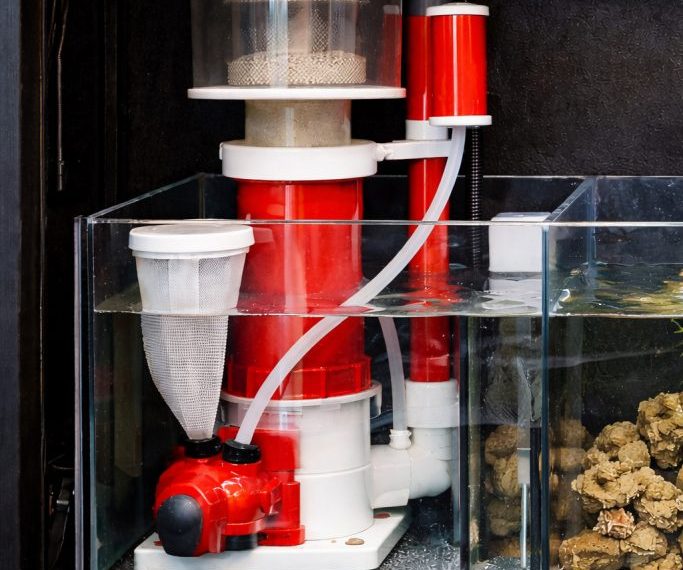
Protein Skimmer Reef Tank Guide
Learn how a protein skimmer works, how to size one, and how to tune it for a cleaner,…
 By
By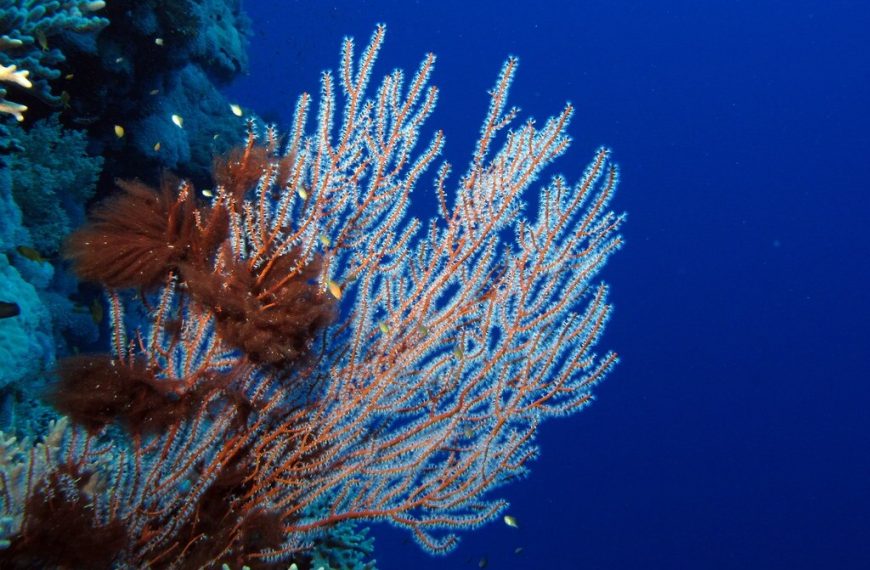
Reef Aquarium Water Parameters
Learn the ideal reef aquarium water parameters, safe ranges, and how to keep salinity, alkalinity, nutrients, and pH…