


Mushroom coral care is simple compared with many reef corals. These soft corals tolerate minor mistakes, adapt to many tanks, and grow well under moderate conditions. Most species prefer lower light, gentle to moderate flow, and stable water chemistry. They are excellent starter corals for new reef keepers.
If you want an easy coral with bright color and movement, mushrooms are hard to beat. They come in many forms, from common Discosoma to textured Rhodactis and colorful Ricordea. In this guide, you will learn how to choose a healthy specimen, place it correctly, feed it if needed, and solve common problems before they become serious. You will also learn how mushroom corals spread, when they become invasive, and how to keep them thriving without letting them overrun your reef.
Quick Reference Table
| Care Factor | Recommendation |
|---|---|
| Difficulty | Easy |
| Common Types | Discosoma, Rhodactis, Ricordea florida, Ricordea yuma |
| Tank Size | 10 gallons minimum, larger tanks are more stable |
| Lighting | Low to moderate |
| Water Flow | Low to moderate, indirect |
| Temperature | 76-79°F |
| Salinity | 1.025-1.026 specific gravity |
| pH | 8.1-8.4 |
| Alkalinity | 8-10 dKH |
| Nitrate | 2-15 ppm |
| Phosphate | 0.03-0.10 ppm |
| Feeding | Mostly photosynthetic, occasional target feeding helps some species |
| Aggression | Moderate space competition, can overgrow nearby corals |
| Placement | Lower to middle rockwork, shaded areas often work well |
What Are Mushroom Corals?
Mushroom corals are soft-bodied corallimorphs. They look like corals, but they are not true stony corals. They do not build a hard skeleton. Instead, they attach to rock and expand into a fleshy disc. Their shape and texture vary by genus. Some are smooth and flat. Others are bumpy, hairy, or covered in bubble-like vesicles.
In the hobby, the most common groups are Discosoma, Rhodactis, and Ricordea. Discosoma are usually the easiest. They handle lower light and nutrient-rich systems well. Rhodactis often have a fuzzy or textured surface. They can grow larger and may accept meaty foods. Ricordea are often more colorful. They can be slightly more demanding, especially Ricordea yuma, which can react poorly to sudden changes.
Many reef keepers start with mushrooms because they are forgiving. They also add color to lower-light zones where other corals may struggle. That said, easy does not mean careless. Stable conditions still matter. Good placement matters too.
Natural Habitat
Mushroom corals occur in tropical reef environments around the Indo-Pacific and Caribbean, depending on species. In nature, many live in protected reef zones with lower light and gentler water movement than exposed SPS-dominated reef crests. You often find them attached to rock faces, rubble, shaded ledges, and lagoon areas.
This natural habitat explains a lot about their care. Mushroom corals are built to handle less intense conditions. They do not need blasting flow. They also do not need extreme lighting. In fact, many species shrink, bleach, or detach when placed under intense reef lights too quickly.
Some mushrooms also live in nutrient-richer zones than delicate SPS corals. That is why they often do well in mixed reefs and beginner tanks. They still need clean water, but they usually appreciate a little nitrate and phosphate instead of ultra-low nutrient conditions.
Aquarium Setup
Mushroom coral care starts with a stable tank. A 10-gallon reef can work, but larger tanks are easier to manage. More water volume means slower swings in salinity, temperature, and nutrients. Those swings stress mushrooms, especially newly added ones.
Use mature live rock or well-cycled dry rock. Mushrooms need a firm surface for attachment. Place them on isolated rocks if you want to control spreading. This is a smart move in mixed reefs. Once established, mushrooms can reproduce quickly and cover nearby rockwork.
Keep temperature between 76 and 79 degrees Fahrenheit. Maintain salinity at 1.025 to 1.026. Aim for pH between 8.1 and 8.4. Keep alkalinity stable around 8 to 10 dKH. Calcium and magnesium matter less than with stony corals, but stable reef parameters still support overall tank health. Avoid sudden changes after water changes, dosing adjustments, or lighting upgrades.
If you are new to reefing, read our guides on reef tank setup and reef tank water parameters.
Lighting Requirements
Most mushroom corals prefer low to moderate light. That makes them ideal for the bottom of the tank, shaded overhangs, and corners with softer PAR. A common range is about 50 to 120 PAR for many species. Some Ricordea may enjoy slightly more, but they still need careful acclimation.
Too much light is a common mistake. A mushroom under excessive light may stay tightly closed, bleach, detach, or produce excess mucus. It may also move on its own in search of a better spot. If your tank uses strong LEDs, start mushrooms lower in the aquascape. Then watch their response for one to two weeks.
Healthy mushrooms usually expand during the day. Their color should look full and even. If they stretch upward, they may want slightly more light. If they remain shrunken and pale, reduce intensity or move them to a more sheltered area. Light acclimation is especially important for Ricordea yuma.
Water Flow
Mushrooms prefer low to moderate, indirect flow. They like enough movement to carry away waste and prevent detritus buildup. They do not like direct, constant blasting from a powerhead. Strong flow can keep them closed and stressed. It can also cause them to detach.
A good rule is to look for gentle swaying nearby, not hard whipping. The mushroom should inflate naturally without folding over on itself. If debris settles on the disc and stays there, flow may be too weak. If the edges curl tightly or the coral cannot open fully, flow may be too strong.
In mixed reefs, lower corners and indirect channels often work best. This is another reason mushrooms fit well in areas that are less suitable for SPS corals. Try to balance clean water movement with a calm placement zone.
Feeding
Most mushroom corals rely heavily on photosynthesis. Their symbiotic algae provide much of their energy. Still, some mushrooms benefit from occasional feeding. This is especially true for larger Rhodactis and some Ricordea. Feeding can improve growth and color when done carefully.
Offer very small meaty foods once or twice per week. Good choices include finely chopped mysis, brine shrimp, reef roids, and other coral foods. Use a turkey baster or pipette. Turn off flow briefly so the food can settle. Do not give large chunks. Oversized food often gets rejected and pollutes the tank.
Do not overfeed. Mushrooms in nutrient-rich tanks often need no direct feeding at all. If nitrate and phosphate already run high, extra feeding may create more problems than benefits. Watch the coral. A feeding response usually looks like slight folding or closing around the food.
Compatibility
Mushroom corals are generally reef safe with most fish and invertebrates. They do well in peaceful community reefs. Clownfish, gobies, blennies, and many wrasses usually ignore them. Cleaner shrimp and snails are also fine. The bigger issue is coral-to-coral competition.
Mushrooms can be surprisingly aggressive through overgrowth and chemical competition. They may not have long sweeper tentacles, but they can spread onto nearby rock and crowd out slower corals. Keep them away from prized SPS frags, chalices, and low-growing LPS. Give them their own island if possible.
Some large angelfish and butterflyfish may nip at soft corals, including mushrooms. Emerald crabs and hermits usually leave them alone, but any opportunistic animal can bother a stressed specimen. If you keep a mixed reef, plan spacing early. Prevention is much easier than removal later. For more stocking help, see our articles on reef safe fish list and best clean up crew for reef tank.
Step-by-Step Placement Guide
Start by inspecting the mushroom before adding it. Look for full tissue, good color, and no foul smell. Avoid melting, torn, or severely bleached specimens. Dip only if appropriate for the source and species. Some mushrooms dislike harsh dipping. Follow product directions carefully.
Next, acclimate to salinity and temperature. Then place the mushroom in a low-light, low-flow area. Leave it there for several days. Do not keep moving it unless it shows clear stress. Mushrooms need time to attach and settle.
If the coral is loose, place it in a small rubble container or breeder box with gentle flow. Once attached to rubble, glue the rubble, not the mushroom itself. Direct glue on soft tissue often fails. After placement, monitor expansion, color, and attachment. Gradually adjust light only if needed. Slow changes work best.
Propagation and Fragging
How Mushroom Corals Reproduce
Mushrooms reproduce easily in aquariums. They spread by pedal laceration, splitting, and tissue regrowth. As they move, they can leave behind bits of tissue. Those bits may become new mushrooms. This is why one mushroom can become many over time.
How to Frag Mushroom Corals
Fragging is simple but messy. Use a clean scalpel or razor. Remove the mushroom from the tank if possible. Cut the disc into halves or quarters, making sure each piece includes part of the mouth when possible. Place the pieces in a low-flow container with rubble or mesh. They will attach over time.
Post-Frag Care
Fresh cuts need clean, stable water. Use low flow at first. Too much flow can blow frags away. Avoid intense light during healing. Once attached, move them gradually into their final position. Expect some shrinking for a few days after cutting. That is normal if tissue remains intact.
Common Problems
Why Is My Mushroom Coral Shrinking?
Shrinking usually points to stress. Common causes include too much light, too much flow, unstable salinity, or sudden parameter swings. Check recent changes first. Did you increase LED intensity? Did you move a powerhead? Did salinity shift after top-off problems? Correct the issue slowly. Stable conditions usually restore normal expansion.
Why Is My Mushroom Coral Detaching?
Detaching often means the coral dislikes its location. Strong flow is a major cause. Excessive light can also trigger movement. Poor attachment surfaces and pest irritation are other possibilities. Move the mushroom to a calmer, shadier spot. Use a rubble cup until it reattaches securely.
Why Is My Mushroom Coral Bleaching?
Bleaching means the coral has lost color, often from light stress or sudden environmental change. Reduce light intensity or move the coral lower. Confirm temperature stability. Check alkalinity and salinity for swings. Bleached mushrooms can recover, but recovery takes time. Avoid repeated adjustments.
Why Won’t My Mushroom Open?
A closed mushroom may be reacting to shipping stress, poor water quality, irritation, or nearby aggression. Test nitrate, phosphate, alkalinity, and salinity. Inspect for pests and detritus. Make sure no coral is stinging or shading it heavily. Give new arrivals several days before making major changes.
How Do I Stop Mushrooms From Taking Over?
Use isolation rocks from the start. Frag and remove extras early. Do not let them grow into the main structure. Scraping them off can leave tissue behind, which often regrows. If needed, remove the whole rock and trade frags locally. Planning ahead is the best control method.
Frequently Asked Questions
Are mushroom corals good for beginners?
Yes. They are among the best beginner corals. They tolerate a wider range of conditions than many reef species. They still need stable water, but they are forgiving.
Do mushroom corals need feeding?
Usually not. Most get enough energy from light and dissolved nutrients. Some larger species benefit from occasional small feedings.
Can mushroom corals live in nano reefs?
Yes. They do very well in nano tanks if salinity and temperature stay stable. Nano tanks need close attention because parameters can swing quickly.
Are Ricordea harder to keep than other mushrooms?
Often, yes. Ricordea florida is usually manageable. Ricordea yuma can be more sensitive to stress, light shock, and shipping damage.
Can mushroom corals sting other corals?
They are not the strongest stingers, but they can still win space through contact and overgrowth. Give them room, especially in mixed reefs.
Final Tips for Long-Term Success
The best mushroom coral care advice is simple. Keep conditions stable. Start with lower light. Avoid direct flow. Give them room to spread. Resist the urge to keep moving them. Most problems come from too much adjustment, not too little.
If you want a colorful, hardy coral that rewards patience, mushrooms are an excellent choice. They fit beginner tanks well. They also earn a place in advanced reefs when used thoughtfully. With smart placement and stable husbandry, mushroom corals can thrive for years and multiply into a beautiful living carpet.
For more coral guides, visit our articles on zoanthid care and other beginner-friendly reef species here on FancyReef.
Was this helpful?
Related Posts
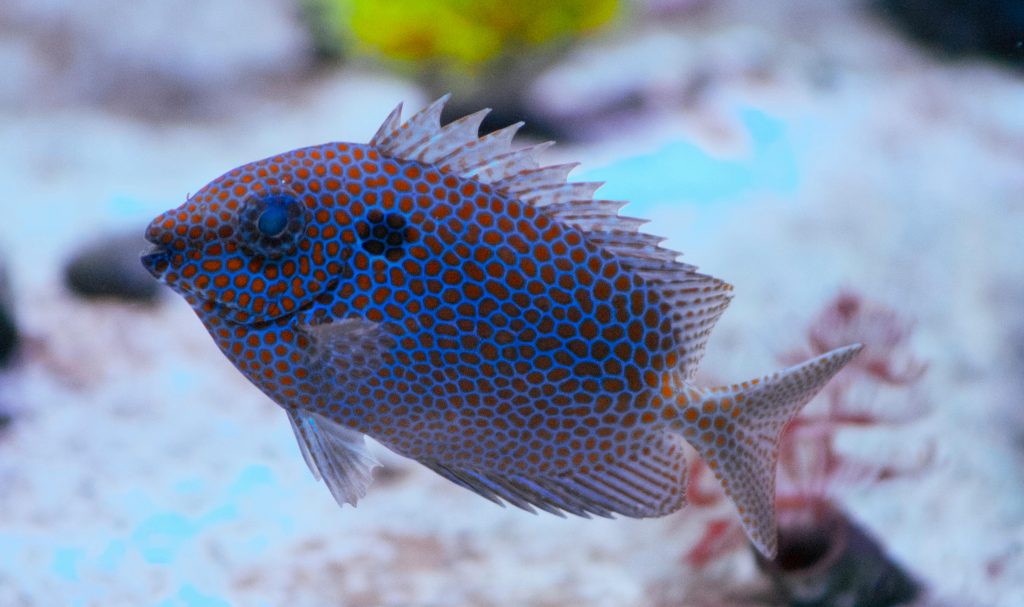
Gold Spotted Rabbitfish (Siganus Punctatus)
Gold Spotted Rabbitfish care includes large tanks, heavy algae feeding, and caution with corals. Learn tank size, diet,…
 By
By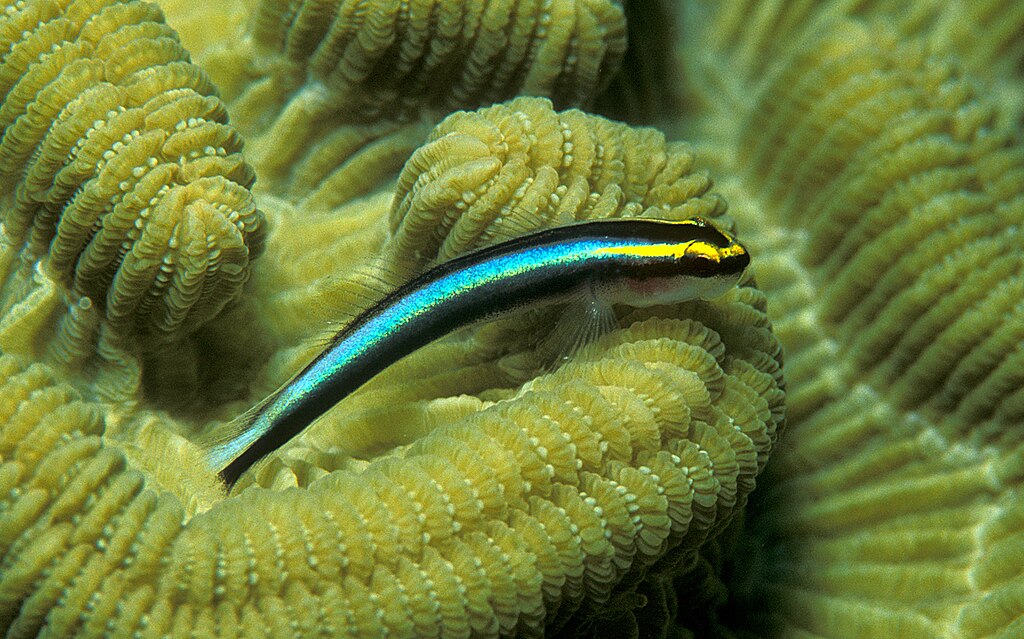
Sharknose Goby (Elacatinus evelynae)
Sharknose Goby care is simple in stable reef tanks. Learn feeding, tank setup, compatibility, and common problems for…
[favorite_button]
My Bookmarks:
To see full list click here
[user_favorites user_id="" include_links="true" site_id="" post_types="" include_thumbnails="true" thumbnail_size="thumbnail" include_excerpt="false"]