

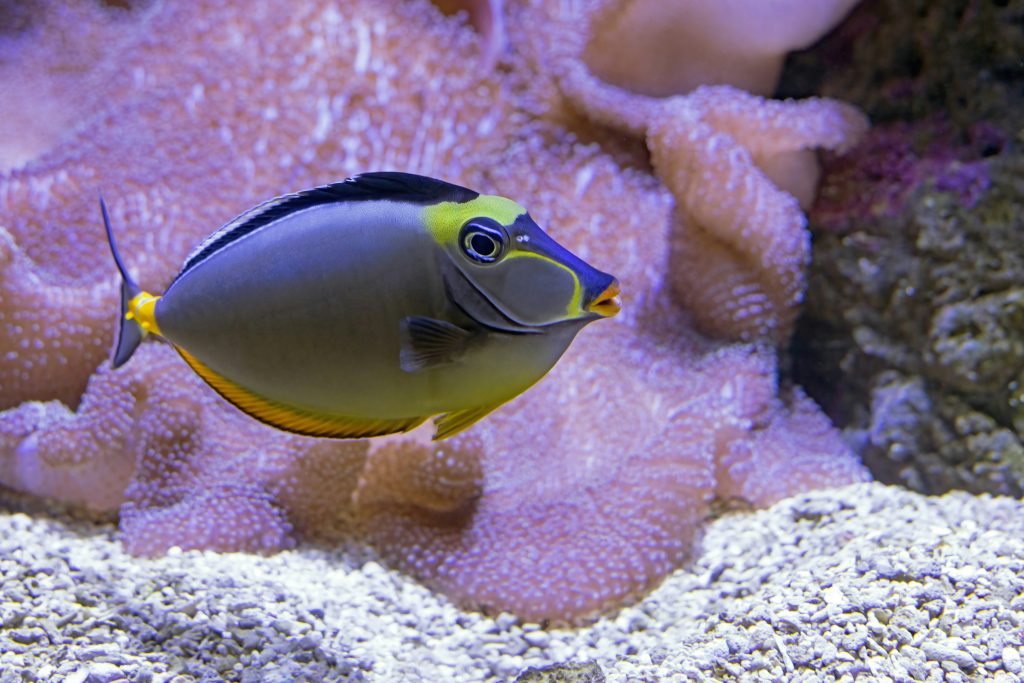
The Naso Tang, or Naso lituratus, is a striking reef fish with a calm personality and impressive adult size. It suits large, mature aquariums with strong swimming room, stable water quality, and a steady supply of algae-based foods. Hobbyists love its elegant shape, active behavior, and generally peaceful nature.
This guide covers the care of the Naso Tang in home reef aquariums. You will learn about tank size, feeding, water flow, lighting, compatibility, and common health issues. Many beginners admire this fish in stores, but few realize how large it becomes. That makes planning essential. A healthy Naso Tang needs more than good looks. It needs space, oxygen, routine feeding, and consistent husbandry. If you can provide those basics, this species can become a centerpiece fish for many years.
Quick Reference Care Table
| Common Name | Naso Tang |
| Scientific Name | Naso lituratus |
| Care Level | Moderate |
| Temperament | Generally peaceful |
| Minimum Tank Size | 180 gallons |
| Adult Size | Up to 18 inches |
| Diet | Herbivore with omnivorous tendencies |
| Reef Safe | Yes, with caution around some macroalgae |
| Temperature | 74–80°F |
| Salinity | 1.024–1.026 |
| pH | 8.1–8.4 |
| Flow | Moderate to strong |
| Lighting | No special need beyond reef lighting |
This table gives a fast overview, but the details matter. A juvenile Naso Tang may look manageable in a dealer tank. That can be misleading. Adults become large, muscular swimmers. They need room to cruise without constant turning. They also need stable nutrition and low stress. Keep this species only if you can support its full adult needs.
Natural Habitat
The Naso Tang occurs across the Indo-Pacific. It is found from East Africa to Hawaii and south into parts of the Great Barrier Reef region. In nature, it inhabits outer reef slopes, lagoons, and seaward reef faces. These areas have high oxygen levels, open water, and strong current. Fish often move in loose groups or pairs while grazing on algae.
This natural habitat explains much of its aquarium behavior. Naso Tangs are built for constant movement. Their long bodies and crescent tails support efficient swimming. They do not spend all day weaving through tight rockwork. Instead, they prefer broad open lanes with access to grazing surfaces. In the wild, they feed heavily on brown macroalgae and other plant material. That means captive specimens need frequent vegetable-based meals. Understanding their habitat helps hobbyists design a better tank. It also helps prevent common issues like pacing, weight loss, and stress-related disease.
Aquarium Setup
A 180-gallon aquarium is the practical minimum for a Naso Tang. Larger is better. A 220-gallon or 240-gallon tank offers a much better long-term home. Tank length matters more than height. This species needs long, uninterrupted swimming space. Short tanks create stress and limit natural movement.
Use an aquascape that balances open water with stable rock structure. Build islands or separated bommies rather than one solid wall. This layout gives the fish room to turn and cruise. It also creates grazing surfaces for natural feeding. Strong gas exchange is important. Use a quality skimmer and good surface agitation. Oxygen demand rises in larger active fish. Stable salinity and temperature are also critical. Avoid sudden swings. Add the Naso Tang only to a mature system with established biofiltration. New tanks often lack the stability and natural grazing this species appreciates. Quarantine before introduction whenever possible. That step reduces disease risk and improves feeding response.
Lighting Requirements
Naso Tangs do not need specialized lighting in the way corals do. Their lighting needs are simple. They do well under standard fish-only or reef aquarium lighting. In mixed reefs, they adapt well to moderate or strong reef lights as long as the tank provides shaded areas and open swimming space.
Lighting still affects this species indirectly. Strong reef lighting supports algae growth on rocks and glass. That gives the fish more natural grazing opportunities. It also supports macroalgae growth in refugiums, which can help with nutrient control and food production. Sudden lighting changes can make a newly imported Naso Tang nervous. Dim the lights during acclimation if needed. Keep a stable day and night schedule. About eight to ten hours of full lighting works well in many systems. If your fish hides constantly under bright lights, review aquascape and traffic in the tank. Stress is often the real cause, not the light itself.
Water Flow
This species appreciates moderate to strong water movement. In nature, it lives in high-energy reef zones. Good flow helps mimic that environment. It also improves oxygenation and waste export. Both are important for large active fish.
Avoid creating one harsh jet that blasts the fish from one side. Instead, aim for broad, varied flow across the tank. Gyre pumps and alternating powerheads work well in larger aquariums. The fish should be able to swim through stronger zones and also rest in calmer areas. Good flow also benefits any corals in the system. If your Naso Tang pants heavily, hangs near the surface, or becomes lethargic, check oxygen levels and circulation. Warm water and poor gas exchange can cause serious stress fast. Clean pumps regularly. Reduced flow is easy to miss in established tanks. Stable circulation is one of the simplest ways to support long-term health.
Feeding
Feeding is one of the most important parts of Naso Tang care. This fish is primarily herbivorous. It should receive algae-based foods every day. Dried nori is a staple. Clip it to the glass at least once or twice daily. Many healthy specimens will graze eagerly throughout the day.
Also offer quality herbivore pellets, spirulina flakes, and frozen blends with marine algae. Supplement with mysis shrimp or finely chopped meaty foods a few times each week. These extras provide variety but should not replace plant matter. Frequent small feedings work better than one large feeding. A thin Naso Tang often has a pinched belly and reduced energy. That usually means underfeeding, internal parasites, or bullying. Soak foods in vitamins if the fish is newly imported or recovering. Garlic is optional, but vitamin support is useful. A well-fed specimen shows full body shape, smooth swimming, and strong interest in food. Never rely on live rock alone to feed this species.
Compatibility
Naso Tangs are often more peaceful than many other tangs. They usually coexist well with reef-safe fish, larger wrasses, clownfish, gobies, angelfish, and many peaceful community species. They are generally safe with corals and most invertebrates. That makes them attractive for large reef displays.
Problems usually arise with other tangs, especially in smaller systems. Surgeonfish may compete for algae, territory, and swimming space. Introduce with care. If you plan to keep multiple tangs, use a very large tank and add them in a thoughtful order. Species with different body shapes often mix more easily. Even then, no result is guaranteed. A stressed Naso Tang may become shy and stop feeding if chased often. Watch for torn fins, pacing, and refusal to leave one corner. This species is not aggressive toward corals, but it may nip decorative macroalgae. Keep that in mind if you run an algae display. Overall, compatibility is good when space and feeding are adequate.
Step-by-Step Acclimation Guide
Proper acclimation improves survival and feeding response. Follow a simple, calm process.
- Prepare a quarantine tank before purchase. Match temperature and salinity closely.
- Dim the room lights. Bright light increases stress during transfer.
- Float the bag for temperature equalization for about 15 to 20 minutes.
- Open the bag and test salinity if possible. Adjust slowly if there is a large difference.
- Transfer the fish gently without adding store water to your tank.
- Provide hiding structure and strong aeration in quarantine.
- Offer nori within the first day. Try mysis or herbivore foods if needed.
- Observe for ich, velvet, bacterial issues, and feeding response for several weeks.
- Move the fish to the display only when it is eating well and appears stable.
This species ships poorly compared with hardier fish. Many arrive thin. That makes quarantine even more valuable. The goal is simple. Reduce stress, restore feeding, and prevent disease introduction.
Common Problems
Naso Tang Not Eating
This is one of the most common concerns. Newly imported fish often refuse food for several days. Stress, shipping damage, bullying, and poor water quality are common causes. Start with nori on a clip. Add multiple clips if tankmates are aggressive at feeding time. Try red, green, and brown algae sheets. Offer frozen mysis and high-quality herbivore blends. Soak foods in vitamins. Check for rapid breathing or visible spots, which may suggest disease.
White Spots and Ich
Naso Tangs are vulnerable to marine ich and other parasites. Stress lowers resistance. Crowding, unstable salinity, and aggression make outbreaks more likely. Quarantine is the best defense. If white spots appear, confirm the diagnosis before treatment. Do not medicate a reef display blindly. Use a proper hospital tank when needed. Improve nutrition and oxygenation during recovery.
Weight Loss
A pinched stomach is a warning sign. Many hobbyists underestimate how much this species needs to eat. Increase feeding frequency first. Ensure the fish gets access to food before faster tankmates consume it. Review parasite risk if weight loss continues despite strong appetite. Chronic stress can also burn calories and suppress digestion.
Pacing or Glass Surfing
This usually points to stress, limited space, aggression, or poor tank layout. Check whether the tank is simply too small. Rearrange rockwork to improve open lanes. Reduce conflict with other tangs if present. Review reflection issues on side panels. A large active fish needs room to settle and move naturally.
Long-Term Care Tips
Success with Naso Tangs comes from consistency. Keep salinity stable. Feed often. Maintain strong oxygen levels. Perform regular water changes and clean mechanical filtration. Watch body condition every week. A healthy fish should look full, alert, and confident. Faded color, clamped fins, or reduced appetite usually signal a problem early.
Plan for the adult fish, not the juvenile in the store. This is the biggest mistake hobbyists make. A small specimen can grow quickly with proper feeding. Rehoming a large tang is stressful and often difficult. Buy this fish only if your system can support it for years. For more reef fish planning, see best reef safe fish for beginners, reef tank parameter guide, how to quarantine saltwater fish, and tang compatibility guide.
Frequently Asked Questions
How big does a Naso Tang get?
Adults can reach around 18 inches in ideal conditions. Many aquarium specimens stay smaller, but they still become very large fish.
Is a Naso Tang reef safe?
Yes. It is generally considered reef safe with corals and most invertebrates. It may graze on some macroalgae.
What is the minimum tank size for a Naso Tang?
A 180-gallon tank is the minimum for long-term care. Larger tanks are strongly recommended.
How often should I feed a Naso Tang?
Feed algae-based foods daily, ideally more than once. Add varied prepared foods through the week for balance.
Can Naso Tangs live with other tangs?
They can, but success depends on tank size, aquascape, and species mix. Large systems give the best chance of peace.
Was this helpful?
Related Posts
Best Filtration Systems
Best Filtration Systems for a Healthy Saltwater Aquarium Choosing the best filtration system for your saltwater aquarium is…
 By
By
Clown Triggerfish (Balistoides Conspicillum)
Clown triggerfish are stunning but aggressive marine fish that need very large tanks, strong filtration, and careful tankmate…
[favorite_button]
My Bookmarks:
To see full list click here
[user_favorites user_id="" include_links="true" site_id="" post_types="" include_thumbnails="true" thumbnail_size="thumbnail" include_excerpt="false"]