

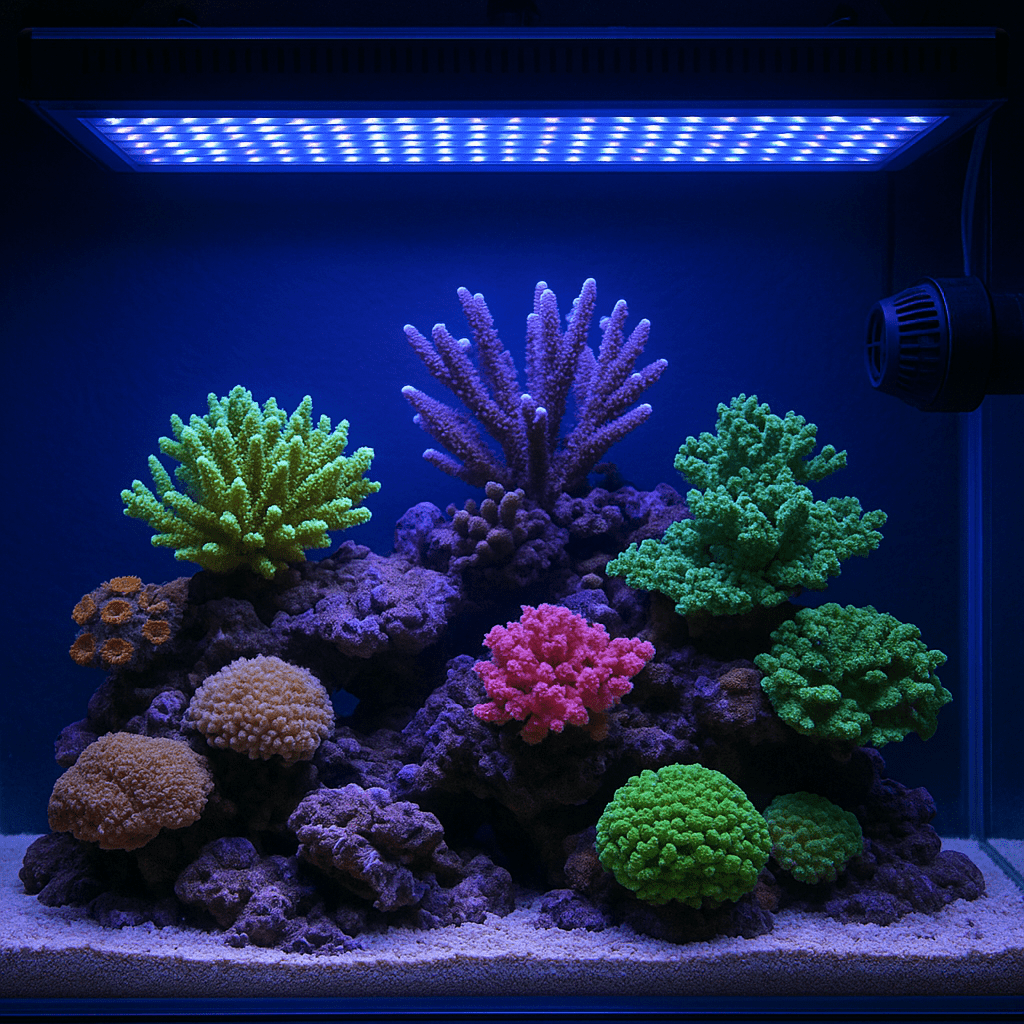
Bringing home a new reef fish is exciting. It is also a risky moment. Good acclimation lowers stress, reduces losses, and helps your fish settle in fast. The best approach combines quarantine, temperature matching, slow salinity adjustment, and careful observation during the first week.
Many hobbyists lose fish in the first 48 hours. The cause is often not the store. It is the transition. Fish move from bag water to a new system with different salinity, pH, oxygen, and bacteria. This guide explains how to acclimate new fish safely, what tools you need, when to drip acclimate, and what mistakes to avoid. You will also learn how quarantine changes the process, how long acclimation should take, and how to troubleshoot common problems after introduction.
Quick Reference Table
| Step | Best Practice | Target Time |
|---|---|---|
| Lights | Dim or off before introduction | 30 to 60 minutes |
| Temperature | Float sealed bag to equalize | 15 to 20 minutes |
| Salinity check | Test bag water and tank water | 2 to 3 minutes |
| Acclimation method | Use drip acclimation if salinity differs | 20 to 45 minutes |
| Transfer | Net fish or use specimen container | 1 to 2 minutes |
| Bag water | Do not pour into tank | Always |
| Feeding | Wait until fish calms down | Same day or next day |
| Observation | Watch breathing and swimming | First 24 hours |
Use this table as a simple checklist. It works for most reef-safe fish. Sensitive species may need more time. Hardy fish may need less. The key is matching the method to the fish and the water difference.
Why New Fish Acclimation Matters
Fish handle shipping poorly. The bag is small. Oxygen drops over time. Carbon dioxide rises. Waste builds up. Temperature also shifts during transport. That stress weakens the immune system.
Then the fish reaches your tank. Your water may be cleaner, but it is still different. Salinity can vary a lot between stores and home aquariums. pH can also change fast once the bag is opened. That matters because ammonia becomes more toxic as pH rises.
A rushed transfer can shock the fish. A very slow transfer can also hurt it if the fish sits too long in dirty bag water. That is why acclimation is not just about going slow. It is about going smart. You want the fish out of shipping water quickly, but not so quickly that salinity shock occurs.
Good acclimation reduces heavy breathing, laying on the bottom, darting, and later disease outbreaks. It also improves feeding response. Fish that settle calmly usually start eating sooner. That gives them a better chance to recover from shipping stress.
What You Need Before the Fish Arrives
Preparation makes acclimation easier. Set up everything before opening the bag. Keep the room quiet. Turn off bright lights. Reduce sudden movement around the tank.
Useful tools include a clean bucket, airline tubing, a valve or knot for drip control, a refractometer, and a thermometer. A specimen container is also helpful. It lets you move the fish without exposing it to air for long. For fish with spines, this is safer than a net.
If you quarantine, have the quarantine tank fully ready. It should be cycled, heated, and aerated. Add hiding places like PVC elbows. Match salinity to the store if possible. This lowers stress during the first transfer. You can then adjust salinity slowly over the next few days.
Keep an ammonia neutralizer on hand for emergencies. It can help if shipping was delayed. Still, it does not replace proper acclimation. Also prepare a lid. Many new fish jump. Wrasses, gobies, and dartfish are famous for this. A secure cover prevents a common first-night loss.
Step-by-Step New Fish Acclimation Guide
First, dim the tank lights or turn them off. Bright light adds stress. This is especially important for fish shipped overnight. Let the bag float unopened for 15 to 20 minutes. This matches temperature.
Next, test the salinity of your tank and the bag water. This step is often skipped. It should not be. If salinity is very close, a shorter acclimation is usually safer. If the difference is large, use drip acclimation.
Open the bag only after temperature matching. Pour the fish and bag water into a clean bucket or specimen container. Secure the fish so it cannot jump. Start a siphon with airline tubing from the tank or quarantine tank. Tie a loose knot or use a valve. Aim for a slow drip.
For small salinity differences, 20 to 30 minutes is enough. For larger differences, 30 to 45 minutes is usually better. Avoid stretching the process too long. Shipping water gets worse once opened. If ammonia is a concern, move the fish sooner into matched quarantine water.
Finally, transfer the fish without adding bag water to the tank. Use a net or specimen cup. Release the fish gently near shelter. Leave the lights low for a few hours. Do not chase the fish if it hides. That is normal.
Quarantine vs Display Tank Acclimation
The safest destination for a new fish is quarantine. This protects your display from parasites like marine ich and velvet. It also lets the fish rest without competition. New fish often feed better when aggressive tankmates are absent.
Acclimation into quarantine is usually easier. You can match the store salinity more closely. Many stores keep fish at lower salinity. If your display runs higher salinity, direct transfer can be harder on the fish. Quarantine lets you bridge that gap slowly.
Direct-to-display acclimation is common, but it has more risk. Existing fish may chase the newcomer. The new fish may also face different flow patterns and stronger lighting right away. If you must add directly to the display, feed the tank lightly first and use an acclimation box if aggression is likely.
If you are still building your reef routine, read our guides on cycling a reef tank, quarantine tank setup, and reef fish compatibility. Those topics make acclimation much easier in practice.
Lighting, Flow, and First-Day Tank Conditions
New fish do best in calm conditions. Keep the lights dim on arrival day. Strong reef lighting can overwhelm stressed fish. This matters even more for deepwater species and fish that hide in caves.
Flow should be moderate. Avoid blasting a weak fish with direct pump output. Fish need oxygen-rich water, but they also need a place to rest. Aim powerheads away from the release area. Make sure there are shaded spots and rockwork gaps for cover.
Aquascape also matters. Fish settle faster when they can claim a safe spot. Provide caves for wrasses and dwarf angels. Offer ledges for tangs to sleep under. Gobies and blennies like lower rock shelves and sand access. A fish that can hide feels less exposed. That lowers stress hormones and improves feeding response.
Keep your hands out of the tank after release. Let the fish explore quietly. Avoid moving rocks or cleaning glass right away. The first few hours should feel stable and predictable.
Feeding After Acclimation
Do not force feeding right away. Some fish eat within minutes. Others need a day. Both can be normal. The goal is calm behavior first, then food.
Offer a small meal later the same day if the fish looks settled. Use familiar foods if you know what the store fed. Mysis shrimp, enriched brine, pellets, and nori cover many common species. Feed small portions. Remove leftovers if the fish ignores them.
Watch how the fish responds. Interest in food is a good sign. Spitting food can mean stress, internal issues, or simply unfamiliar texture. Keep trying different foods over several days. Soaking food in vitamins can help recently shipped fish recover.
Do not overfeed to “help” the fish. Excess food harms water quality and adds more stress. Stable ammonia and oxygen matter more than a heavy first meal. In quarantine, bare-bottom tanks can foul quickly, so feed carefully and siphon waste.
Compatibility Concerns During Introduction
Even perfect acclimation can fail if tankmates are hostile. Territorial fish often target newcomers. Tangs, dottybacks, damsels, and some clownfish can be rough. Size and body shape also matter. Fish that look similar often fight more.
Use an acclimation box when adding delicate fish to established systems. It lets residents see the newcomer without contact. This often lowers aggression after release. Rearranging a small part of the rockwork can also break old territories.
Add peaceful fish before aggressive species whenever possible. Introduce fish at similar sizes. Avoid adding tiny fish to tanks with large predatory wrasses, hawkfish, or groupers. New shrimp-safe assumptions can also be wrong. Some fish behave differently after settling in.
If you are unsure about stocking order, our articles on peaceful reef fish, best beginner saltwater fish, and stocking a community reef can help you plan ahead.
Common Problems
Fish breathing heavily after acclimation
Heavy breathing often means stress, low oxygen, ammonia exposure, or disease. Check temperature first. Then check salinity and pH. Increase surface agitation if needed. In quarantine, add an air stone. If breathing stays rapid and the fish shows flashing or excess mucus, consider parasites.
Fish lies on the bottom or hides constantly
Some species rest after shipping. Others hide for days. This can be normal at first. Keep the lights low and the area quiet. Check for bullying. Look for torn fins or repeated chasing. If the fish cannot leave hiding to eat, move the aggressor or use a box.
Fish will not eat
Start with small, tempting foods. Try frozen mysis, live blackworms, or nori depending on species. Verify that the fish is not being intimidated. Poor appetite beyond a few days may point to internal parasites, stress, or unsuitable food type.
White spots appear soon after introduction
Stress can reveal disease fast. White spots may be marine ich, but not always. Observe size, number, and behavior. Quarantine is the best place for diagnosis and treatment. Do not medicate a reef display without a clear plan.
Fish dies during long drip acclimation
This usually happens when fish remain too long in poor shipping water. Once the bag opens, pH rises and ammonia becomes more toxic. If salinity is close, shorten the process. For large differences, match quarantine salinity ahead of time instead of dragging out the drip.
Frequently Asked Questions
How long should I acclimate a new saltwater fish?
Most fish need 20 to 45 minutes total. Use the shorter end when salinity is close. Use the longer end when salinity differs more. Avoid very long acclimation in dirty shipping water.
Should I drip acclimate every new fish?
No. Drip acclimation is most useful when salinity differs. If bag and tank salinity are nearly the same, a short acclimation is often safer. The fish spends less time in polluted water.
Can I pour store water into my reef tank?
No. Avoid adding bag water to your system. It may contain waste, medications, or pathogens. Transfer the fish only.
When should I feed a new fish?
Offer a small meal after the fish settles. That may be later the same day or the next day. Keep portions small and remove leftovers.
Is quarantine really necessary for new reef fish?
Yes, if you want the safest path. Quarantine reduces disease risk, helps fish recover, and allows treatment without harming corals or invertebrates.
Final Tips for Better Acclimation Success
Keep the process calm and simple. Match temperature first. Check salinity every time. Do not rush, but do not drag it out either. Use quarantine whenever possible. Skip adding bag water. Dim the lights. Watch the fish closely for the first day.
The best acclimation routine is repeatable. Build a checklist and follow it for every fish. Over time, this habit prevents many common losses. It also helps new fish settle faster, eat sooner, and thrive in your reef.
Related reading: quarantine tank setup, best beginner saltwater fish, reef fish compatibility, cycling a reef tank, marine ich treatment.
Was this helpful?
Related Posts
Our Reef Emergency Plan
A reef emergency plan helps you act fast during outages, leaks, and water quality crashes. Here is the…
 By
ByReef Alkalinity and Calcium Guide
Learn the ideal reef alkalinity and calcium ranges, how they interact, and how to test, dose, and troubleshoot…
[favorite_button]
My Bookmarks:
To see full list click here
[user_favorites user_id="" include_links="true" site_id="" post_types="" include_thumbnails="true" thumbnail_size="thumbnail" include_excerpt="false"]