

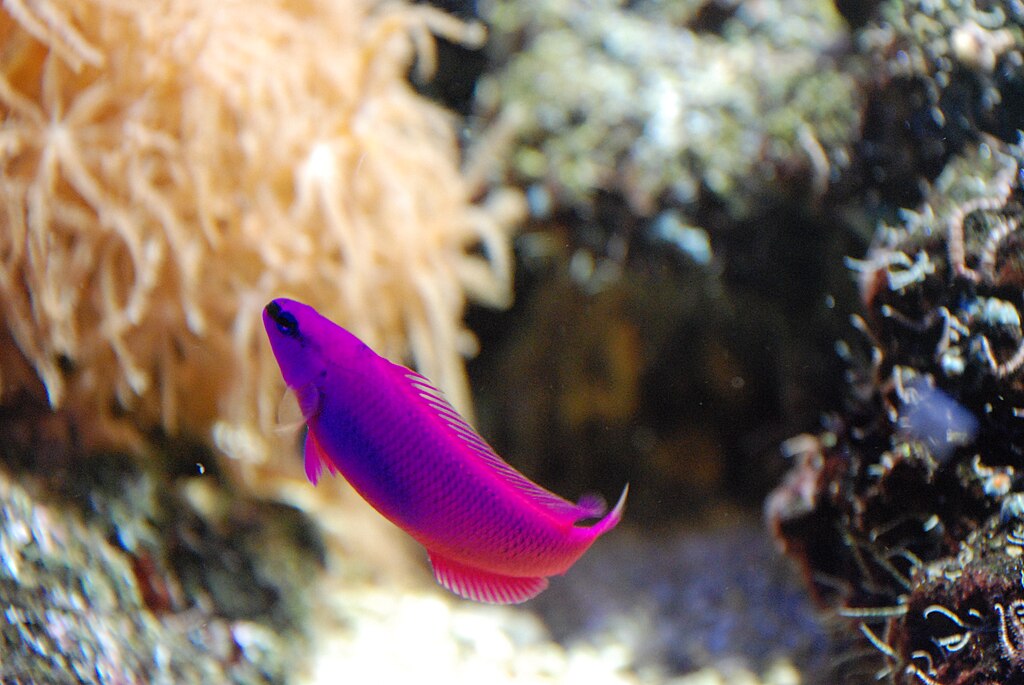
The Orchid Dottyback is one of the best small purple fish for reef tanks. It stays compact, shows bold color, and adapts well to captive life. Unlike many dottybacks, Pseudochromis fridmani is usually manageable in community reefs when given space, rockwork, and careful tankmate selection.
This guide covers care, feeding, compatibility, tank setup, and common problems. You will also learn how to reduce aggression, choose the right environment, and keep this Red Sea species healthy for years. For many hobbyists, the Orchid Dottyback offers a rare mix of beauty, hardiness, and reef-safe behavior.
Quick Care Facts
| Common name | Orchid Dottyback |
| Scientific name | Pseudochromis fridmani |
| Care level | Easy to moderate |
| Temperament | Semi-aggressive |
| Adult size | About 3 inches |
| Minimum tank size | 30 gallons |
| Diet | Carnivore |
| Reef safe | Usually yes |
| Temperature | 76–80°F |
| Salinity | 1.025–1.026 specific gravity |
| pH | 8.1–8.4 |
| Lifespan | 5–8 years, sometimes longer |
The table above gives a fast snapshot for planning. The Orchid Dottyback is hardy, but success still depends on stable reef conditions. It does best in mature aquariums with plenty of rock structure and low stress. Captive-bred fish are strongly preferred. They adapt better to prepared foods and usually show calmer behavior than wild imports.
Natural Habitat
The Orchid Dottyback comes from the Red Sea. In nature, it lives along reef slopes and rocky crevices. It stays close to shelter and darts in and out of caves. This behavior explains much of its aquarium personality. It wants a secure home base and nearby hiding spots.
These fish are adapted to complex reef structure. They use cracks and overhangs for protection and hunting. In the wild, they feed on small crustaceans and tiny meaty prey. They are not open-water swimmers. They are ambush-oriented fish that prefer short bursts of movement. A tank that copies this habitat helps them settle faster and show better color.
Because this species comes from warm, stable marine conditions, it dislikes rapid shifts in salinity, temperature, and pH. Stability matters more than chasing exact numbers. If your reef is mature and consistent, the Orchid Dottyback usually becomes a confident and active display fish.
Aquarium Setup
A 30-gallon tank is the practical minimum for one Orchid Dottyback. Bigger tanks are better, especially in mixed communities. In nano reefs, aggression can become more obvious because territory is limited. A 40-gallon breeder or larger gives better rock layout options and helps reduce conflict.
Build the aquascape with caves, arches, and shaded crevices. Leave open swimming lanes, but focus on structure. This fish wants retreat points in several areas. If it can move from cave to cave, it feels safer. That often leads to more daytime activity. Use stable rockwork. Dottybacks are quick and can wedge into tight spaces.
A covered tank is wise. They are not famous jumpers like wrasses, but startled fish can still launch. Keep ammonia and nitrite at zero. Nitrate should stay reasonable. Most reef keepers aim for moderate nutrient levels rather than ultra-low numbers. For more on system planning, see: reef tank setup guide, live rock in reef aquariums, and reef tank water parameters.
Lighting Requirements
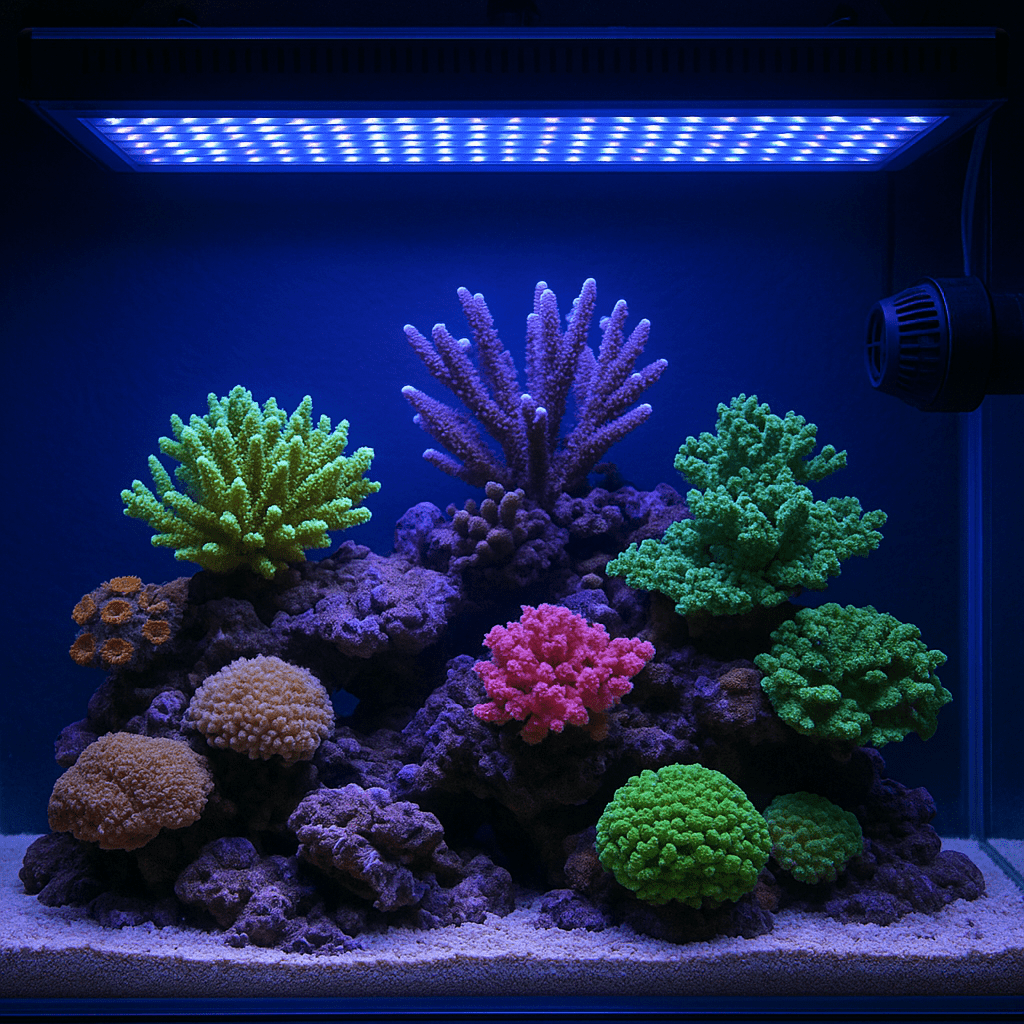
The Orchid Dottyback has no special lighting demand. Lighting should be chosen for the reef as a whole, not for this fish alone. It handles typical reef lighting very well, from moderate mixed reef systems to brighter SPS tanks. What matters most is access to shaded rockwork.
Under strong lights, the fish often spends more time under ledges at first. That is normal. Once acclimated, it usually becomes bolder. Purple coloration often looks best under balanced reef spectrum lighting with enough blue to enhance contrast. Avoid sudden lighting changes during acclimation. New fish settle better when stress is low.
If your tank has intense LEDs, use a normal ramp-up period. Harsh on-off lighting can spook shy newcomers. This species appreciates a predictable day-night cycle. Consistency helps feeding response and reduces stress-related hiding.
Water Flow
Moderate flow works best. The Orchid Dottyback does not need direct blasting current. It prefers areas where it can duck behind rock and move through calmer pockets. In most reef tanks, standard random flow patterns are ideal. The fish will choose its preferred zone.
Very weak flow can allow waste to collect in caves and behind rockwork. That can hurt water quality over time. Very strong direct flow can make the fish hide too much or avoid parts of the tank. Aim for varied movement. Let your pumps create both active and sheltered areas.
Good flow also supports oxygen levels and coral health. Since this fish spends time near structure, keep dead spots to a minimum. Watch how food moves through the tank. If meaty foods settle quickly in caves, adjust circulation slightly.
Feeding
The Orchid Dottyback is a carnivore. It usually accepts food readily, especially if captive-bred. Offer a varied diet with small meaty items. Good choices include mysis shrimp, brine shrimp enriched with vitamins, finely chopped seafood, copepods, and quality marine pellets. Small sinking foods often work very well.
Feed once or twice daily. Smaller portions are better than one large dump of food. This fish has a quick feeding response and may grab food aggressively. Variety helps maintain color and body condition. It also reduces the risk of nutritional gaps. If the fish is new, start with frozen foods. Then mix in pellets over time.
Watch for competition during feeding. Faster tankmates can outcompete a shy newcomer. Target feeding is not always needed, but it helps in busy tanks. If you keep ornamental microfauna, remember this fish may hunt tiny crustaceans between feedings. For more nutrition tips, see: best foods for reef fish.
Compatibility
The Orchid Dottyback is one of the more reef-friendly dottybacks, but it is still semi-aggressive. That matters. It can bully very timid fish, especially in small aquariums. It may also chase fish with similar shape or cave-dwelling habits. Good tankmates include clownfish, many gobies, blennies, cardinalfish, and peaceful wrasses in suitable tank sizes.
Use caution with firefish, very shy assessors, and other dottybacks. Avoid mixing it with similar pseudochromis species unless the tank is large and carefully planned. It is usually safe with corals. It does not nip polyps like some angelfish or butterflies. It is also generally fine with cleaner shrimp and larger ornamental invertebrates.
Very small shrimp may be at risk. Tiny sexy shrimp, new peppermint shrimp, or delicate micro-inverts can be seen as prey. Add the Orchid Dottyback later in the stocking order if possible. That often limits territorial claims. Quarantine and observation are smart before introduction. See also: reef fish compatibility chart.
Step-by-Step Acclimation Guide
- Prepare a covered quarantine or display tank with stable salinity and temperature.
- Dim the lights before opening the shipping bag.
- Float the bag for temperature equalization for about 15 to 20 minutes.
- Use drip acclimation if salinity differs significantly.
- Transfer the fish without adding bag water to the tank.
- Provide immediate access to caves or PVC shelters.
- Do not force feeding right away. Offer food after the fish settles.
- Observe breathing, swimming, and aggression during the first week.
A calm acclimation makes a big difference with this species. Many losses happen from stress, not fragility. Avoid chasing the fish with nets in the tank. If quarantined, watch closely for external parasites, bacterial issues, and refusal to eat. Captive-bred Orchid Dottybacks usually settle quickly and begin feeding within a day or two.
Propagation and Breeding
Can Orchid Dottybacks breed in aquariums?
Yes, they can. In fact, this species is well known in captive breeding. That is one reason it is so available in the hobby. Spawning usually occurs in secure cave-like areas. The male guards the eggs after they are laid. Breeding is easier in species-focused systems or peaceful setups with established pairs.
How do hobbyists encourage spawning?
Start with healthy, well-fed fish and stable water quality. Offer multiple cave options. Feed a rich diet with frozen meaty foods and quality pellets. Keep stress low. Pairs may form naturally, but sexing juveniles is not simple for most hobbyists. Once spawning begins, eggs are usually hidden deep in the chosen shelter.
What makes larval rearing difficult?
Raising larvae is the hard part. It requires live foods, timing, and specialized rearing methods. Most hobbyists do not attempt it casually. Still, the species proves that captive-bred marine fish can be practical and sustainable. Choosing captive-bred stock supports that progress.
Common Problems
Why is my Orchid Dottyback hiding all the time?
New fish often hide for several days. That is normal. Constant hiding can mean stress, aggressive tankmates, too little rock cover, or sudden lighting intensity. Check the aquascape first. Add more caves if needed. Watch for chasing, especially from established fish. Also test salinity and temperature for swings.
Why is my Orchid Dottyback aggressive?
Territorial behavior usually increases in small tanks or sparse rockwork. Rearranging a few rocks can help reset boundaries. Adding the fish last often helps. Feeding small meals more often can also reduce constant hunting behavior. If aggression is severe, the tank may simply be too small for the mix.
Why is it not eating?
Refusal to eat is often linked to shipping stress or bullying. Offer frozen mysis first. Reduce activity around the tank. Make sure food reaches its hiding area. If breathing is heavy or the fish looks thin, investigate disease. Quarantine makes this much easier. Captive-bred fish usually resume feeding quickly.
Can it bother shrimp or tiny invertebrates?
Yes, sometimes. Larger cleaner shrimp are usually safe. Very small shrimp may be hunted. This is more likely in underfed fish or cramped tanks. If your reef centers on micro-inverts, choose tankmates carefully and provide dense structure for refuge.
Frequently Asked Questions
Is the Orchid Dottyback reef safe?
Yes, in most cases. It is considered reef safe with corals. Use caution with very small shrimp and tiny crustaceans.
How big does an Orchid Dottyback get?
Most reach about 3 inches in length. They stay small but still claim territory.
What is the minimum tank size for an Orchid Dottyback?
A 30-gallon tank is the usual minimum for one fish. Larger tanks make compatibility easier.
Are captive-bred Orchid Dottybacks better?
Usually yes. They adapt well to aquarium foods and often show steadier behavior.
Can I keep two Orchid Dottybacks together?
It is risky in small tanks. A bonded pair may work, but random mixing often leads to fighting.
Final Thoughts
The Orchid Dottyback earns its popularity. It is colorful, hardy, and usually reef safe with corals. It also stays small enough for many home aquariums. The key is smart planning. Give it caves, stable water, and suitable tankmates. Choose captive-bred stock whenever possible. If you do, Pseudochromis fridmani can become one of the most reliable and eye-catching fish in your reef.
Was this helpful?
Related Posts
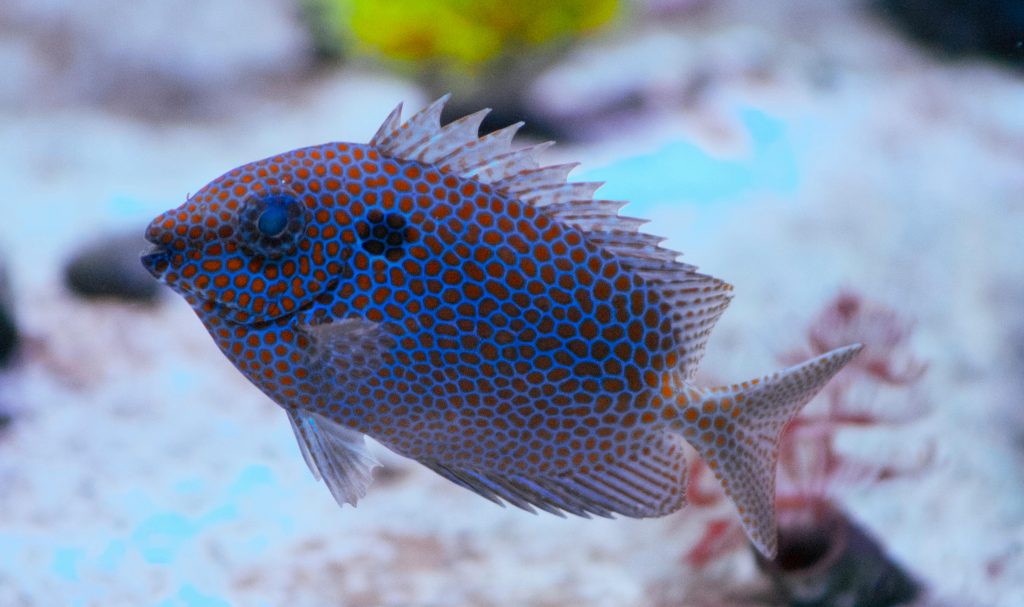
Gold Spotted Rabbitfish (Siganus Punctatus)
Gold Spotted Rabbitfish care includes large tanks, heavy algae feeding, and caution with corals. Learn tank size, diet,…
 By
By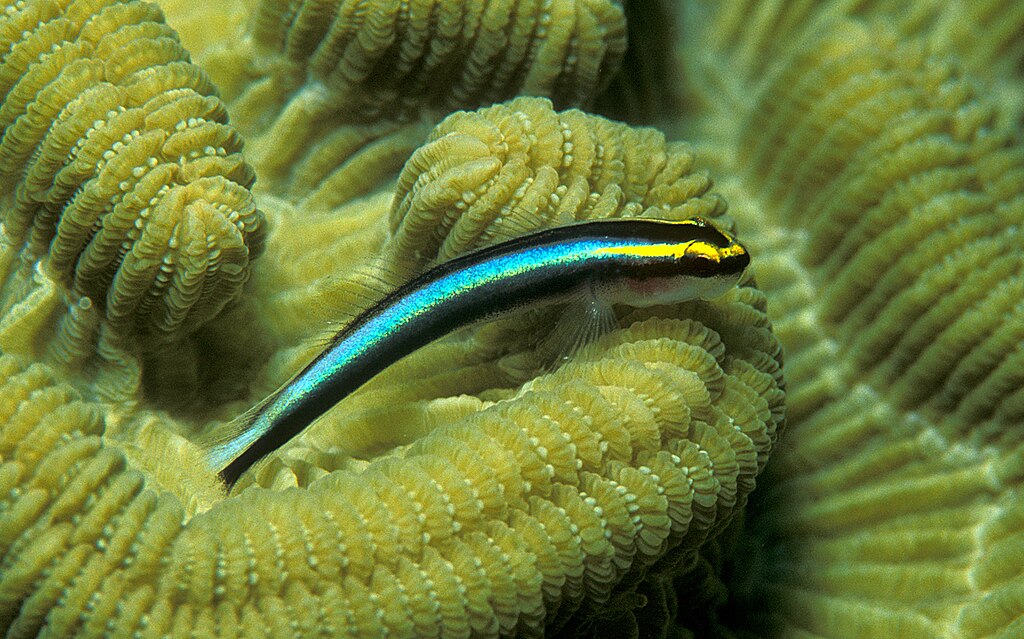
Sharknose Goby (Elacatinus evelynae)
Sharknose Goby care is simple in stable reef tanks. Learn feeding, tank setup, compatibility, and common problems for…
[favorite_button]
My Bookmarks:
To see full list click here
[user_favorites user_id="" include_links="true" site_id="" post_types="" include_thumbnails="true" thumbnail_size="thumbnail" include_excerpt="false"]