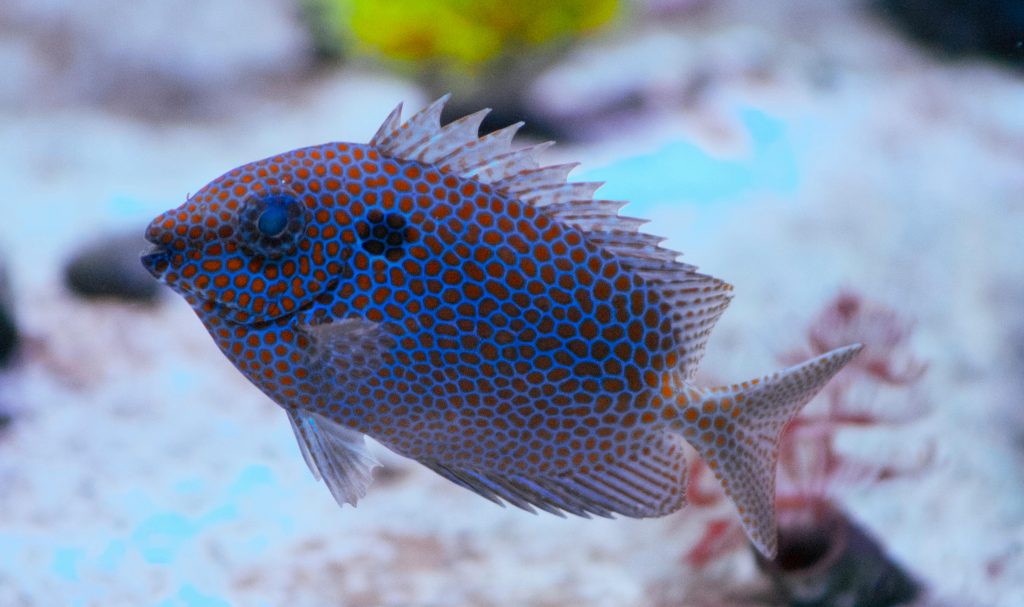
The Gold Spotted Rabbitfish, Siganus punctatus, is a striking algae-grazing marine fish with useful reef tank benefits and a few important cautions. It can help control nuisance algae, but it grows large, carries venomous spines, and may nip some corals if underfed or stressed.
This guide covers the care of the Gold Spotted Rabbitfish in practical terms. You will learn about tank size, aquascaping, diet, temperament, reef safety, and common problems. Many hobbyists buy rabbitfish for algae control first. Later, they realize these fish need long-term planning. Siganus punctatus is hardy once established, but it is not a casual purchase for small tanks. Stable water quality, strong swimming space, and frequent herbivore feeding make a big difference. If you want a bold display fish that also grazes naturally, this species can be rewarding when kept in the right setup.
Gold Spotted Rabbitfish Care Quick Reference
| Common name | Gold Spotted Rabbitfish |
| Scientific name | Siganus punctatus |
| Care level | Moderate |
| Temperament | Generally peaceful |
| Adult size | Up to 10-12 inches |
| Minimum tank size | 125 gallons |
| Diet | Herbivore with omnivorous tendencies |
| Reef safe | With caution |
| Lighting | No special fish requirement |
| Flow | Moderate to strong overall movement |
| Temperature | 76-80°F |
| Salinity | 1.024-1.026 |
| pH | 8.1-8.4 |
| Special caution | Venomous dorsal and anal spines |
Use this table as a quick starting point. The details below matter just as much. Tank maturity, feeding frequency, and aquascape layout often determine success with rabbitfish.
Natural Habitat
The Gold Spotted Rabbitfish occurs in the Indo-Pacific region. It is found around coral-rich coastal habitats, lagoons, seaward reefs, and areas with algae growth. In nature, rabbitfish spend much of the day browsing surfaces for plant matter and biofilm. They move steadily through rockwork and open water, rather than hiding all day.
This natural behavior explains several aquarium needs. First, they require room to cruise. Second, they need mature rock surfaces to graze. Third, they do best when offered frequent plant-based foods. Wild rabbitfish often feed in pairs or loose groups, but home aquariums usually keep a single specimen unless the tank is very large. Their body shape and feeding style make them effective algae pickers. However, that same constant grazing drive can turn toward soft coral tissue or fleshy polyps if food is limited. Understanding the natural habitat helps you prevent many common husbandry mistakes before they start.
Aquarium Setup
A 125-gallon tank is the realistic minimum for a Gold Spotted Rabbitfish. Larger is better. This fish becomes deep-bodied and active with age. A long tank footprint works better than a tall, narrow tank. Swimming room matters every day. It is not just about adult length.
Build the aquascape with open lanes and stable rock structures. Leave broad areas for the fish to turn easily. Include caves or overhangs for security. Rabbitfish often wedge into rockwork when startled or sleeping. Make sure every rock is secure. A panicked fish can crash into loose structures.
A mature tank is strongly preferred. New systems often lack enough natural grazing and stability. Strong filtration helps because large herbivores produce significant waste. Use a quality protein skimmer and maintain regular nutrient export. Keep ammonia and nitrite at zero. Nitrate and phosphate should stay controlled, but not stripped completely. Like many reef fish, rabbitfish respond best to stable conditions. Sudden swings in salinity or temperature can trigger stress, fading color, and poor feeding.
Lighting Requirements
The Gold Spotted Rabbitfish has no demanding lighting needs of its own. Fish care is more about stability than spectrum. Standard reef lighting is fine if the tank contains corals. Moderate to bright lighting can even encourage algae and film growth on rocks, which gives this species more natural browsing opportunities.
That said, lighting still affects behavior. A newly introduced rabbitfish may be shy under intense lights. Provide shaded areas and rock cover during acclimation. If the fish hides all day, reduce stress first before changing foods or medications. Sudden light changes can also startle rabbitfish. Use a normal ramp-up schedule if your fixture allows it.
If you keep this species in a fish-only system, you do not need expensive coral lighting. You still want a consistent day and night cycle. This supports feeding rhythm and reduces stress. For more on balancing fish needs with coral systems, see: reef tank lighting guide.
Water Flow
Moderate to strong overall flow works well for Siganus punctatus. In the wild, these fish inhabit areas with regular water movement and high oxygen exchange. They do not need direct blasting flow all the time, but they benefit from a well-circulated tank with no stagnant zones.
Good flow supports oxygen levels and keeps detritus from collecting in grazing areas. It also helps maintain coral health in mixed reefs. Place pumps so the fish can move through calmer and stronger zones. This allows natural choice and reduces stress. If your rabbitfish constantly avoids one side of the tank, watch the flow pattern there.
Heavy breathing can indicate low oxygen, poor water quality, or recent stress. Check temperature first. Warm water holds less oxygen. Then inspect surface agitation and pump performance. If needed, increase aeration immediately. For a broader look at circulation strategy, read: reef tank flow basics.
Feeding
Feeding is where many rabbitfish successes or failures begin. Gold Spotted Rabbitfish are primarily herbivores. They should receive algae-based foods every day. Do not rely on nuisance algae in the tank alone. That works only for a short time. Once visible algae declines, a hungry rabbitfish may sample corals, zoanthids, LPS flesh, or soft coral tissue.
Offer dried nori daily. Use a clip in an easy grazing spot. Supplement with spirulina foods, herbivore pellets, and quality frozen blends that include marine algae. Many specimens also accept mysis and finely chopped seafood. These foods add variety, but plant matter should remain the core diet.
Feed at least two times daily in established tanks. Large adults often do better with three smaller offerings. A full rabbitfish is usually a better-behaved rabbitfish. Watch body shape from above. A pinched back or hollow belly means the fish needs more food or is being outcompeted. For more herbivore feeding ideas, see: best foods for reef fish.
Compatibility
The Gold Spotted Rabbitfish is usually peaceful with other fish. It mixes well with tangs, wrasses, clownfish, gobies, and many community reef species in large systems. Problems are more likely in cramped tanks. Space reduces conflict. Introduce with care if you already keep territorial algae grazers.
Rabbitfish may spar with similar-shaped herbivores, especially in tanks with limited grazing room. Aggressive tangs can harass new rabbitfish. Use an acclimation box if needed. Avoid housing this fish with predators that may attack it despite the venomous spines.
Reef safety is mixed. Many hobbyists keep rabbitfish in reefs without major issues. Others report nipping at zoanthids, Xenia, fleshy LPS, or soft corals. This risk rises when the fish is underfed, stressed, or housed in a sparse environment. Individual personality matters too. Monitor closely after introduction. If you keep prized coral colonies, be ready with a backup plan. For fish pairing ideas, read: peaceful reef fish for community tanks.
Step-by-Step Acclimation Guide
Proper acclimation lowers stress and improves feeding response. Follow these steps for the best start:
- Quarantine the fish if possible. This protects the display tank.
- Dim the lights before opening the bag.
- Match temperature slowly over 15 to 20 minutes.
- Use drip acclimation if salinity differs significantly.
- Never handle the fish carelessly. The spines are venomous.
- Transfer with a container when possible. Avoid nets if practical.
- Release the fish near rock cover.
- Offer nori within the first day.
- Keep tankmates calm during introduction.
- Watch breathing, posture, and grazing for the first week.
New rabbitfish often darken or show stress patterning at first. This is normal. Color usually improves as the fish settles and starts feeding confidently.
Propagation and Breeding
Gold Spotted Rabbitfish are not commonly bred by home aquarists. Like many marine fish, they spawn pelagic eggs in the wild. Larval rearing is difficult and requires specialized live food culture, controlled systems, and detailed timing. Most specimens in the hobby are wild collected.
Can hobbyists breed this species?
In typical home aquariums, breeding is unlikely. Pair formation is not simple, and larval survival is the real challenge. Even if spawning occurs, raising the larvae is beyond standard reef setups.
What matters more than breeding?
For most keepers, long-term health matters more. Focus on diet, swimming space, and low stress. A healthy rabbitfish can live for years and remain a useful algae grazer in large reef systems.
Common Problems
Why is my Gold Spotted Rabbitfish turning dark?
Darkening often signals stress, sleep coloration, or recent acclimation. Check for aggression, poor water quality, or sudden lighting changes. If the fish still eats and behaves normally, temporary color change is often harmless.
Why is it nipping my corals?
Hunger is the most common cause. Increase algae-based feeding first. Add more nori and feed more often. If nipping continues, the fish may simply be a poor fit for that reef. Some individuals develop a taste for certain corals.
Why is it breathing fast?
Fast breathing can mean low oxygen, ammonia exposure, shipping stress, or parasites. Test water immediately. Increase aeration. Observe for flashing, excess mucus, or spots. Quarantine is valuable here. You may need to investigate disease rather than husbandry alone.
What if the fish refuses food?
Start with nori on a clip in a quiet area. Try red, green, and brown algae sheets. Offer spirulina brine or mysis as a bridge food. Reduce aggression from tankmates. New rabbitfish sometimes need several days before feeding confidently.
Frequently Asked Questions
Is the Gold Spotted Rabbitfish reef safe?
It is reef safe with caution. Many behave well. Some nip corals, especially when underfed.
How big does Siganus punctatus get?
It can reach roughly 10 to 12 inches in captivity, depending on diet and space.
What does a Gold Spotted Rabbitfish eat?
It eats marine algae, nori, herbivore pellets, spirulina foods, and some frozen meaty foods.
Are rabbitfish venomous?
Yes. Their dorsal and anal spines are venomous. Handle them with great care.
What tank size is best?
A 125-gallon tank is the minimum. Larger tanks provide better long-term results.
The Gold Spotted Rabbitfish can be a valuable and beautiful addition to a large marine aquarium. It offers constant movement, strong algae-grazing behavior, and a unique look that stands out in bigger reef displays. Still, it is not the right fish for every setup. Plan for adult size, feed heavily with plant-based foods, and respect the venomous spines. If you can meet those needs, Siganus punctatus is often a hardy and rewarding long-term fish.
Was this helpful?
Related Posts
Light Schedule Tips
Light Schedule Tips for a Happy Saltwater Aquarium Dialing in your light schedule is one of the most…
 By
By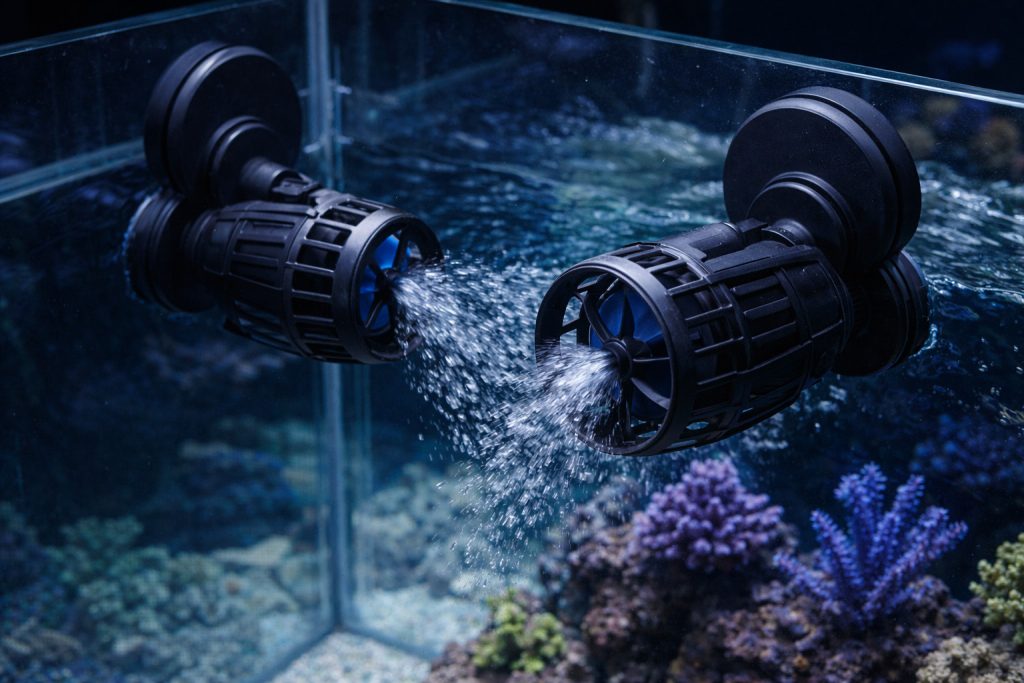
Reef Tank Flow And Circulation
Reef tank flow and circulation keep corals healthy, waste suspended, and oxygen levels stable. Learn how to set…