

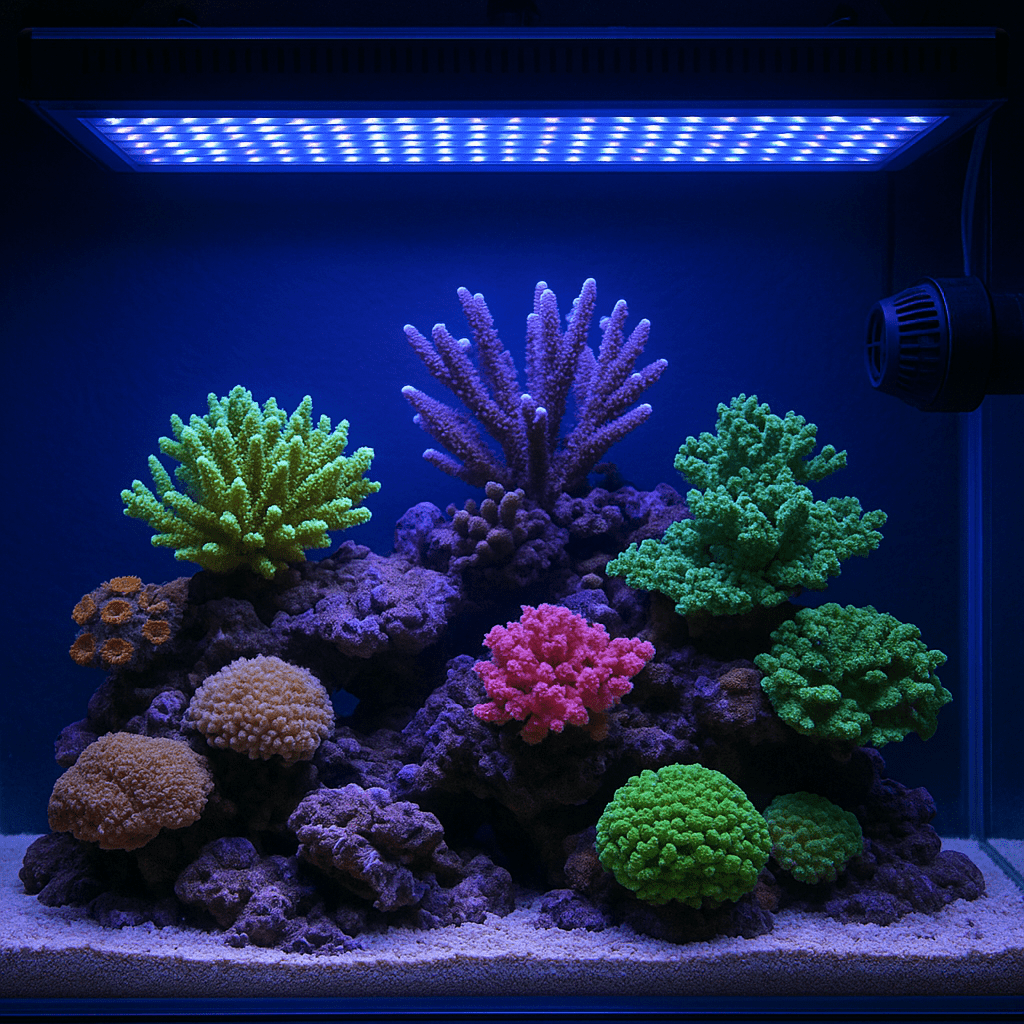
Choosing the best reef-safe fish for beginners means finding species that stay peaceful, eat well, and adapt to captive life. The right fish make a new reef tank easier to manage. They also reduce stress, limit aggression, and help beginners build confidence while learning reef aquarium basics.
Many new hobbyists want colorful fish that will not nip corals or harass tank mates. That goal is realistic, but it requires careful species selection. Some fish are labeled reef safe, yet still cause problems in small tanks or mixed communities. In this guide, you will learn which beginner reef fish are the safest choices, how to match them to tank size, what they eat, and how to avoid common stocking mistakes. You will also get practical care tips that help these fish thrive long term in a reef aquarium.
Quick Reference Table
| Fish | Minimum Tank Size | Temperament | Reef Safe | Feeding Difficulty |
|---|---|---|---|---|
| Ocellaris Clownfish | 20 gallons | Peaceful to semi-aggressive | Yes | Easy |
| Firefish Goby | 20 gallons | Peaceful | Yes | Easy |
| Royal Gramma | 30 gallons | Peaceful to semi-aggressive | Yes | Easy |
| Watchman Goby | 20 gallons | Peaceful | Yes | Easy |
| Banggai Cardinalfish | 30 gallons | Peaceful | Yes | Easy |
| Tailspot Blenny | 20 gallons | Peaceful | Yes | Easy to moderate |
| Yellow Watchman Goby | 20 gallons | Peaceful | Yes | Easy |
| Chalk Bass | 30 gallons | Peaceful | Yes | Easy |
This table gives a fast overview, but every fish still needs proper planning. Tank size, aquascape, and stocking order matter just as much as species choice. A peaceful fish can become territorial in a cramped aquarium. A reef-safe fish can also struggle if food competition is too intense.
What Makes a Fish Reef Safe for Beginners?
A beginner-friendly reef fish should meet several goals at once. It should leave corals alone. It should not hunt most clean-up crew invertebrates. It should also accept prepared foods quickly. Hardy species handle small mistakes better than delicate ones. That gives beginners more room to learn.
Temperament is another major factor. Peaceful fish fit better in mixed reef tanks. Aggressive species often create stress that leads to disease, hiding, and poor feeding. Size matters too. Many marine fish start small in stores. Some outgrow beginner tanks quickly. Always plan for adult size, not current size.
The best beginner reef fish also tolerate normal reef conditions. Stable salinity, temperature, and low nutrients are still essential. Yet hardy fish recover more easily from minor swings. That does not replace good husbandry. It simply makes early success more likely.
Best Reef-safe Fish for Beginners
1. Ocellaris and Percula Clownfish
Clownfish are often the first recommendation for new reef keepers. They are hardy, widely available, and easy to feed. Most accept pellets, frozen foods, and flakes without much trouble. Their bright color also makes them very appealing in smaller aquariums.
They are generally reef safe. They do not bother corals in most tanks. However, bonded pairs can become territorial once established. This behavior is usually manageable in beginner systems. Give them a defined home area with rock structure or a hosting coral substitute.
A 20-gallon tank works for a pair of common ocellaris or percula clownfish. Avoid mixing clown species in small tanks. That often leads to fighting. If you want a simple and reliable first fish, clownfish remain one of the best choices.
2. Firefish Goby
Firefish are peaceful, elegant, and excellent for calm reef tanks. Their long dorsal fin and hovering behavior stand out nicely. They usually ignore corals and invertebrates. That makes them a true reef-safe option for beginners.
These fish need a secure lid. Firefish are famous jumpers. Many losses happen after sudden scares or aggression from tank mates. Keep them with peaceful companions. Avoid boisterous wrasses or aggressive damsels in smaller systems.
Feed small frozen foods, enriched brine, mysis, and quality pellets. Most settle in quickly if the tank is quiet. Provide caves and overhangs so they feel secure. Stress drops fast when they have a bolt-hole nearby.
3. Royal Gramma
Royal grammas offer strong color and solid beginner durability. Their purple and yellow body makes them a standout fish in reef tanks. They are reef safe and usually leave corals, shrimp, and snails alone.
They can be territorial around caves. This is more common in smaller tanks. Build rockwork with several hiding places to spread out attention. A 30-gallon tank or larger gives them enough room to claim a space without dominating the whole aquarium.
Royal grammas eat frozen meaty foods, pellets, and small prepared diets. They are usually easy to maintain once acclimated. For many hobbyists, they are one of the best colorful fish that still behave well in a reef.
4. Yellow Watchman Goby
The yellow watchman goby is a classic nano and beginner reef fish. It stays near the substrate and spends much of its time perched near a burrow. Its bright yellow body adds color without adding aggression.
This species is reef safe and very hardy. It does best with sandy areas and rock placed securely on the tank bottom. Like many gobies, it may move sand around its burrow. That is normal behavior. It rarely causes serious issues in a well-planned aquascape.
Many hobbyists pair it with a pistol shrimp. This symbiotic relationship is fascinating to watch. Feed meaty frozen foods and sinking pellets. It usually adapts well to captive diets and stable reef conditions.
5. Banggai Cardinalfish
Banggai cardinalfish are calm, attractive, and easy to feed. Their silver body, black bars, and spotted fins look striking in reef lighting. They are also reef safe with corals and most invertebrates.
They are slow swimmers and prefer peaceful tanks. Avoid housing them with very aggressive feeders. Faster fish can outcompete them at mealtime. Offer frozen mysis, finely chopped seafood, and quality pellets. Watch to make sure each fish actually eats.
Single specimens are often easiest for beginners. Groups can become unstable in smaller tanks. Once mature, aggression may develop unless the tank is large and carefully managed. For a calm display fish, one Banggai is a strong choice.
6. Tailspot Blenny
Tailspot blennies are full of personality and fit well in smaller reef tanks. They perch on rock, inspect the aquascape, and often graze on film algae. This makes them both useful and entertaining.
They are considered reef safe. Most ignore corals completely. In tanks with limited natural algae, they need extra feeding support. Offer herbivore pellets, frozen foods, and algae-based diets. Do not assume algae in the tank will be enough forever.
Tailspot blennies may show mild attitude toward similar-shaped fish. In most beginner community reefs, this is not a major issue. They are excellent for adding movement and character without major risk to coral colonies.
7. Chalk Bass
Chalk bass are underrated beginner reef fish. They stay fairly small, show gentle schooling behavior, and adapt well to aquarium life. Their lavender body and subtle striping look better in person than photos suggest.
They are reef safe and usually peaceful. In groups, they need enough space and structure. A single fish or small group works best in a larger beginner reef. They eat most prepared foods and settle in without much drama.
If you want something different from the usual clownfish and gobies, chalk bass deserve a look. They are hardy, attractive, and rarely create coral compatibility issues.
Natural Habitat and Why It Matters
Most beginner reef-safe fish come from coral reef environments in the Indo-Pacific or Caribbean. In nature, they use rock crevices, branching corals, sandy burrows, and reef ledges for shelter. This matters in captivity. Fish behave better when the tank matches those needs.
Clownfish stay close to a host area. Gobies rely on burrows and low perches. Grammas prefer caves and shaded rockwork. Firefish need open water above a secure retreat. These natural habits explain many aquarium problems. A fish that feels exposed often hides, stops eating, or jumps.
When you understand habitat, stocking becomes easier. You can choose fish that use different parts of the tank. That reduces competition. It also creates a more active and balanced display.
Aquarium Setup for Beginner Reef Fish
A stable tank matters more than chasing rare fish. Most beginner reef-safe species do well in aquariums from 20 to 40 gallons and up. Bigger tanks are easier to keep stable. They also give fish more room to avoid each other.
Use porous live rock or quality dry rock with many caves and swim-throughs. Add open sand for gobies and bottom perching fish. Secure all rock before adding sand-burrowing species. This prevents collapses when fish dig underneath.
Keep salinity stable around 1.025, temperature around 76 to 78 degrees Fahrenheit, and ammonia and nitrite at zero. Nitrate and phosphate should stay controlled, but not stripped to zero. Good filtration, regular water changes, and a protein skimmer help a lot. A lid is strongly recommended for firefish, gobies, and other jumpers.
Feeding Beginner Reef Fish
Most beginner reef-safe fish are not difficult feeders, but variety still matters. Feed small amounts once or twice daily. Use a mix of pellets, frozen mysis, finely chopped seafood, and algae-based foods where appropriate. Rotating foods improves nutrition and supports immune health.
Watch each fish during feeding. This simple habit catches problems early. A fish that hangs back may be stressed, bullied, or getting sick. Slow feeders like cardinalfish may need target feeding in busy tanks. Herbivorous grazers like blennies still need regular prepared foods, especially in clean systems.
Avoid overfeeding. Excess food raises nutrients and fuels nuisance algae. Feed enough for strong body weight and active behavior, but not so much that food settles and decays. Consistency is better than large occasional feedings.
Compatibility and Stocking Tips
Even reef-safe fish can clash if added carelessly. Stock peaceful fish first. Add semi-aggressive species later. This helps shy fish settle in before territories form. Avoid combining too many fish that use the same niche. Two cave fish may compete. Two sand-perching gobies may also argue in small tanks.
Do not rush stocking. Add fish slowly so the biofilter can adjust. Quarantine is strongly recommended. It protects your reef from ich, velvet, and bacterial issues. One sick fish can threaten the whole system.
Be careful with common beginner mistakes. Damsels are often sold as starter fish, but many become aggressive. Some wrasses are reef safe, but they can be too active for quiet nano tanks. Research each fish before purchase. A peaceful community is easier to maintain and far more enjoyable to watch.
Step-by-Step: How to Choose Your First Reef Fish
- Check your tank size and final stocking plan.
- Choose fish that fit the adult size, not store size.
- Prioritize peaceful and hardy species first.
- Match fish to the aquascape and swimming space.
- Confirm they are reef safe with corals and invertebrates.
- Make sure they accept prepared foods.
- Use a quarantine tank before display introduction.
- Add fish slowly and observe behavior daily.
This process prevents many expensive mistakes. It also helps your reef mature with less stress. Beginners usually do best with two to four carefully chosen fish rather than a crowded stocking list.
Common Problems
Why is my new reef fish hiding all the time?
New fish often hide from transport stress. They may also feel exposed in sparse aquascapes. Provide more caves and reduce sudden movement near the tank. Check for bullying from established fish. Test water quality if hiding continues beyond the first week.
Why did my firefish or goby jump?
Jumping usually follows stress, aggression, or sudden fright. Tight-fitting lids are essential. Review tank mates and remove bullies if needed. Dim lights during acclimation and provide secure hiding places.
Why is my fish not eating prepared food?
Some fish need time to adjust. Start with frozen mysis or enriched brine. Feed small portions in a quiet area. If the fish still refuses food, inspect for parasites, heavy breathing, or harassment from tank mates.
Why is a reef-safe fish acting aggressive?
Territory is the usual cause. Rearrange rockwork if needed. Add more hiding spots. Check whether the tank is too small for the species mix. Aggression often increases after pairing, maturity, or overcrowding.
Frequently Asked Questions
What is the easiest reef-safe fish for beginners?
Ocellaris clownfish are often the easiest choice. They are hardy, easy to feed, and widely available.
Can beginners keep reef fish in a nano tank?
Yes, but stocking must stay light. Choose small peaceful fish like clownfish, gobies, or a tailspot blenny.
Are all gobies reef safe?
Most common watchman and clown gobies are reef safe, but always research the exact species first.
How many fish should a beginner add first?
Start with one or two hardy fish. Wait several weeks before adding more. This protects water quality and reduces stress.
Should I quarantine beginner reef fish?
Yes. Quarantine lowers the risk of disease outbreaks in the display tank. It is one of the best habits a beginner can learn.
Final Thoughts
The best reef-safe fish for beginners are hardy, peaceful, and easy to feed. Clownfish, firefish, royal grammas, gobies, cardinalfish, and tailspot blennies all fit that goal well. Choose species that match your tank size and aquascape. Stock slowly and quarantine carefully. That approach gives you a healthier reef and a much better start in the hobby.
Related reading: reef tank setup guide, best clean up crew for reef tank, reef tank water parameters, how to quarantine saltwater fish, best beginner corals
Was this helpful?
Related Posts
What to Do During a Power Outage
A reef tank power outage demands fast action. Protect oxygen, temperature, and circulation first to keep fish and…
 By
By
What is Zooxanthellae, and What Role Does it Play in Coral Survival?
Zooxanthellae are symbiotic algae that power coral growth through photosynthesis. They are essential to coral color, health, and…
 By
By[favorite_button]
My Bookmarks:
To see full list click here
[user_favorites user_id="" include_links="true" site_id="" post_types="" include_thumbnails="true" thumbnail_size="thumbnail" include_excerpt="false"]