

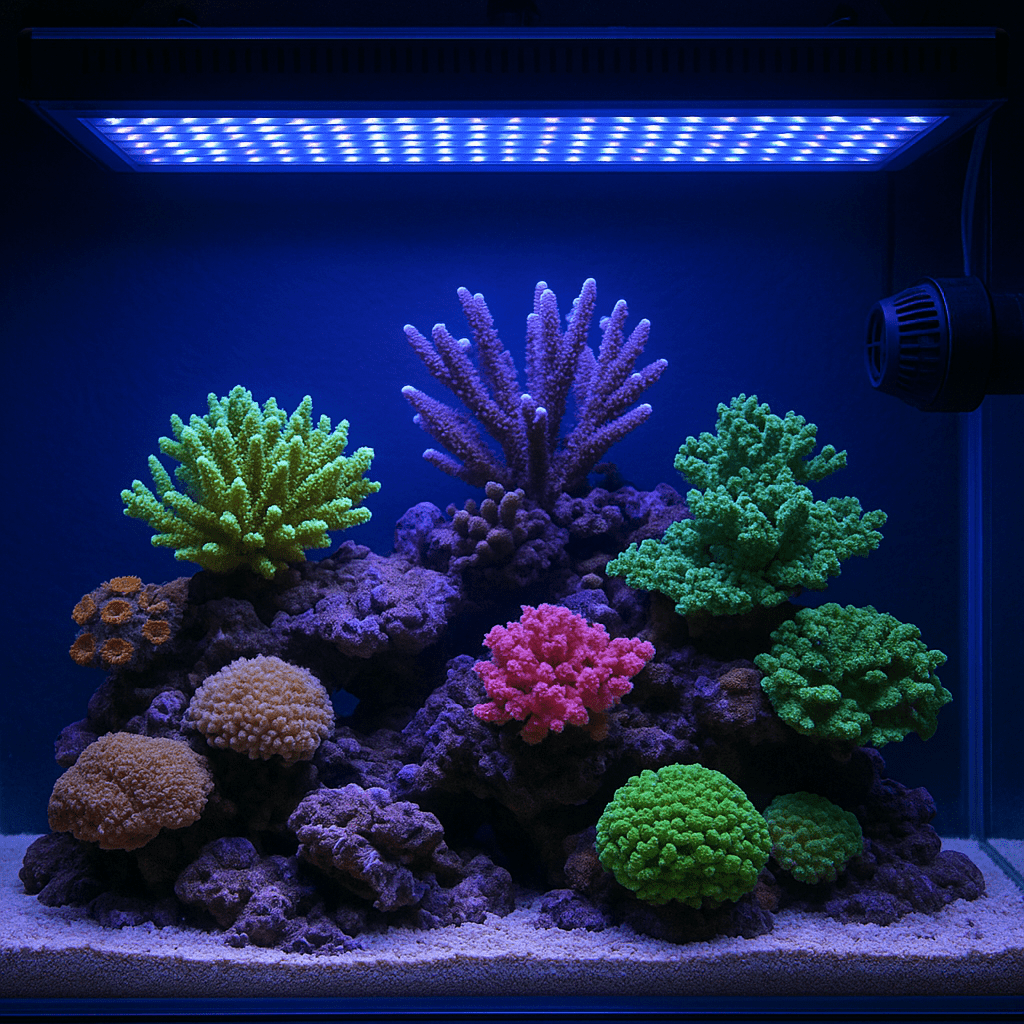
Pest management in aquariums starts with prevention, fast identification, and steady action. Most reef pests arrive on coral frags, live rock, macroalgae, or even frag plugs. A simple quarantine routine and careful inspection can stop major outbreaks before they damage corals, stress fish, or spread through the display.
Every reef tank eventually faces a pest issue. It might be flatworms on zoanthids, aiptasia on rock, vermetid snails near SPS, or nuisance algae taking over weak spots in the aquascape. The good news is that most aquarium pests are manageable. Success depends on early detection and a calm plan. In this guide, you will learn how pests enter reef tanks, how to identify common offenders, and which control methods actually work. We will also cover quarantine, manual removal, biological controls, and long-term prevention. The goal is simple. Protect coral health without causing more instability than the pests themselves.
Quick Reference Table
| Pest | Common Signs | Main Risk | Best First Step |
|---|---|---|---|
| Aiptasia | Small translucent anemones on rock | Spreads fast and stings corals | Target early with removal or treatment |
| Majano anemones | Bubble-tip look on small pest anemones | Coral irritation and rapid spread | Manual removal and spot treatment |
| Red planaria flatworms | Rust-colored worms on rock and glass | Toxin release during die-off | Siphon first and reduce population |
| Acropora-eating flatworms | Bite marks and poor Acro polyp extension | Serious SPS tissue loss | Dip, inspect, and quarantine colonies |
| Montipora nudibranchs | White edges and tissue loss on Montis | Fast colony damage | Remove eggs and dip repeatedly |
| Vermetid snails | Mucus webs from tubes | Coral irritation and poor extension | Break tubes and seal openings |
| Bubble algae | Green bubbles on rock | Spreads in low-maintenance areas | Careful manual removal |
| Dinoflagellates | Brown strings and trapped bubbles | Coral stress and toxic blooms | Confirm ID before treatment |
Use this table as a starting point. Proper identification matters. Many pests look similar at first. Treating the wrong problem often wastes time and harms tank stability.
How Pests Enter Reef Aquariums
Most aquarium pests hitchhike into the system. Coral frags are the most common source. Eggs can hide under frag plugs, in encrusted bases, or between coral branches. Live rock can carry pest anemones, nuisance algae, crabs, worms, and snails. Macroalgae can also bring in bryopsis, bubble algae, and small invertebrates.
Fish and invertebrates can introduce pests too. Snail shells often carry algae spores or vermetids. Frag swaps and local purchases increase risk because systems vary widely in cleanliness. Even trusted stores can miss tiny eggs or juvenile pests. That is why dipping alone is not enough for every problem.
The best mindset is simple. Assume every new addition may carry something unwanted. Build your routine around inspection, isolation, and patience. This reduces losses and saves work later. FancyReef readers often focus on lighting and flow first. Those matter. But biosecurity matters just as much in a thriving reef.
Step-by-Step Pest Management Plan
A good pest management plan follows clear steps. Do not jump straight to chemicals. Start with identification and population control. Then choose the least disruptive method that fits the pest.
- Identify the pest correctly. Use a flashlight and magnifying glass. Inspect after lights out if needed.
- Assess the spread. Check the display, sump, frag rack, and overflow areas.
- Remove what you can manually. Siphon flatworms. Scrape eggs. Pull nuisance algae carefully.
- Isolate affected corals. Move frags to a treatment container or quarantine tank.
- Use dips or targeted treatments. Match the treatment to the pest. Follow product directions exactly.
- Consider biological controls. Use them only if they fit your tank and livestock.
- Repeat inspections weekly. Many pests return from eggs or hidden survivors.
- Fix the root cause. Improve quarantine, nutrient balance, and maintenance habits.
This approach works because it treats the outbreak and the source. Many hobbyists only kill visible pests. Then the tank gets reinfested within weeks. Consistency matters more than speed.
Common Aquarium Pests and How to Control Them
Aiptasia and Majano Anemones
Aiptasia are among the most common reef pests. They sting nearby corals and multiply fast. Majanos cause similar trouble. Small outbreaks are easier to beat than established infestations. Manual removal rarely works if tissue is left behind. Spot treatments can help, but they must be precise.
Peppermint shrimp may eat aiptasia, but results vary. Copperband butterflyfish and filefish can work in some systems, but they are not safe choices for every reef. Use biological controls only after researching compatibility. If you use a paste or injection product, turn off flow briefly and avoid blasting fragments around the tank.
Flatworms
Not all flatworms are equal. Red planaria are ugly and can cover surfaces quickly. Acropora-eating flatworms are far worse. They can destroy SPS colonies before new hobbyists notice the signs. Siphoning is the best first step for visible populations. It lowers numbers without stressing the system.
For coral-specific flatworms, remove affected colonies and dip them outside the display. Inspect for eggs carefully. Eggs survive many dips. Repeat treatment on a schedule. Running carbon after large die-offs is smart because toxins can enter the water. Never wipe out a huge flatworm population all at once without preparation.
Nudibranchs
Montipora nudibranchs and zoanthid-eating nudibranchs are stealthy pests. They often match the coral color. Damage usually appears before the pest is seen. Look for bite marks, missing tissue, and tiny egg spirals on undersides and bases. Dips can knock adults off. They do not reliably kill eggs.
That means repeated inspection is essential. Remove eggs by hand. Use a turkey baster during dips to dislodge hidden adults. Quarantine all affected frags. If the colony is large, fragging healthy sections away from infested bases may save the coral. This is one reason many reef keepers discard original frag plugs immediately.
Vermetid Snails and Problem Hitchhikers
Vermetid snails cast mucus webs that irritate nearby corals. They are common in mature systems. You can often manage them by snapping their tubes and sealing the opening with reef-safe glue. This is tedious, but effective for localized outbreaks. Bumblebee snails are sometimes suggested, though results are mixed.
Other hitchhikers include predatory crabs, fireworms, and colonial hydroids. Some are harmless scavengers. Others are not. If a mystery pest appears, observe behavior before acting. A flashlight session after dark reveals a lot. Many nighttime pests stay hidden during the day.
Quarantine and Inspection Best Practices
Quarantine is the strongest pest prevention tool in reef keeping. A simple coral quarantine tank does not need to be fancy. It needs stable salinity, heater control, moderate light, and enough flow for the corals inside. Bare-bottom setups make pests easier to see and remove.
Inspect every coral before it enters quarantine. Remove the frag plug if possible. Dip the coral using a trusted coral dip. Rinse it in clean saltwater before placing it in the quarantine tank. Then inspect again over several weeks. This matters because many eggs hatch later. A single dip cannot solve that.
Use separate tools for quarantine and display systems. Cross contamination is common. Even a shared turkey baster can move pests or algae. If you want to improve your coral intake process, also read coral quarantine guide, how to dip coral safely, and reef tank parameter stability.
Natural Habitat and Why It Matters
Most reef pests are not random invaders. They come from natural reef habitats where they fill specific roles. Flatworms, nudibranchs, algae, and pest anemones all exist as part of marine ecosystems. In nature, predators, grazing pressure, wave action, and competition keep many of them in check.
In aquariums, those checks are often missing. A coral pest may arrive without its natural predators. Aiptasia may spread because no fish touches it. Bubble algae may thrive in low-flow pockets with trapped detritus. Understanding this helps you think in systems. You are not only killing a pest. You are restoring balance.
This also explains why healthy, stable tanks resist outbreaks better. Good export, steady nutrients, proper flow, and regular maintenance reduce the weak zones where pests gain ground. Prevention is less dramatic than treatment, but it works better over time.
Aquarium Setup Factors That Influence Pest Outbreaks
Tank setup shapes pest pressure more than many hobbyists realize. Crowded rockwork traps detritus. Dead spots collect waste. Overfeeding fuels algae and cyanobacteria. Weak maintenance lets nuisance organisms establish a foothold. Even coral placement matters. Stressed corals are easier targets for pests and infections.
Build an aquascape with access in mind. You should be able to inspect key surfaces. Leave room to siphon debris and remove frags if needed. Good random flow helps prevent waste buildup. Stable lighting also matters. Corals under poor light decline faster and recover more slowly from pest damage.
If nuisance algae is part of the problem, review your nutrient control strategy. Avoid chasing zero nutrients. Ultra-low nutrients can create other issues, including dinoflagellate blooms. For more help, see reef tank clean up crew and how to control nitrates and phosphates.
Common Problems
Why do pests keep coming back after treatment?
The usual cause is incomplete removal. Eggs survive. Hidden adults remain in crevices. The display tank also gets reinfected by untreated frags or tools. Repeat treatment on a schedule and inspect all connected systems. One successful session is rarely enough for coral pests.
Why did corals look worse after I treated the tank?
Some treatments stress corals directly. Others cause mass pest die-off, which pollutes the water. Flatworm toxins are a classic example. Always remove as many pests as possible first. Run fresh carbon when appropriate. Increase aeration and monitor the tank closely after treatment.
Is every hitchhiker a pest?
No. Many hitchhikers are harmless or helpful. Copepods, amphipods, feather dusters, and small brittle stars are usually beneficial. The key is observation. Do not kill unknown organisms on sight. Learn what they do first. Reef biodiversity can support long-term tank health.
How do I know if algae is a pest or a symptom?
Usually both. Algae becomes a pest when it spreads aggressively. But it often reflects excess nutrients, trapped detritus, weak flow, or unstable maintenance. Removing algae helps. Fixing the cause matters more. Test nutrients, improve export, and clean problem zones regularly.
Frequently Asked Questions
What is the best way to prevent aquarium pests?
Quarantine all corals and inspect every new addition. Remove frag plugs when possible. Dip corals and recheck them over time. Prevention beats treatment every time.
Do coral dips kill eggs?
Usually not. Dips are useful, but limited. Many pest eggs survive dips. That is why repeated inspection and quarantine are essential.
Are biological controls always reef safe?
No. Some fish and invertebrates may nip corals, starve later, or ignore the target pest entirely. Research each species before adding it.
Should I treat the whole display tank?
Only when necessary. Targeted treatment is safer in many cases. Whole-tank treatment can stress livestock and create water quality problems if pests die in large numbers.
How often should I inspect my reef for pests?
Inspect weekly at minimum. Check new corals more often. A short flashlight inspection after lights out can reveal pests you will miss during the day.
Final Thoughts
Pest management in aquariums is really about habits. Strong quarantine, careful observation, and fast response prevent most disasters. Do not chase miracle cures. Identify the pest, reduce its numbers, and choose the least disruptive control method. Then keep watching. Reef tanks reward patience. If you stay consistent, even stubborn pests become manageable, and your corals have a much better chance to thrive.
Was this helpful?
Related Posts
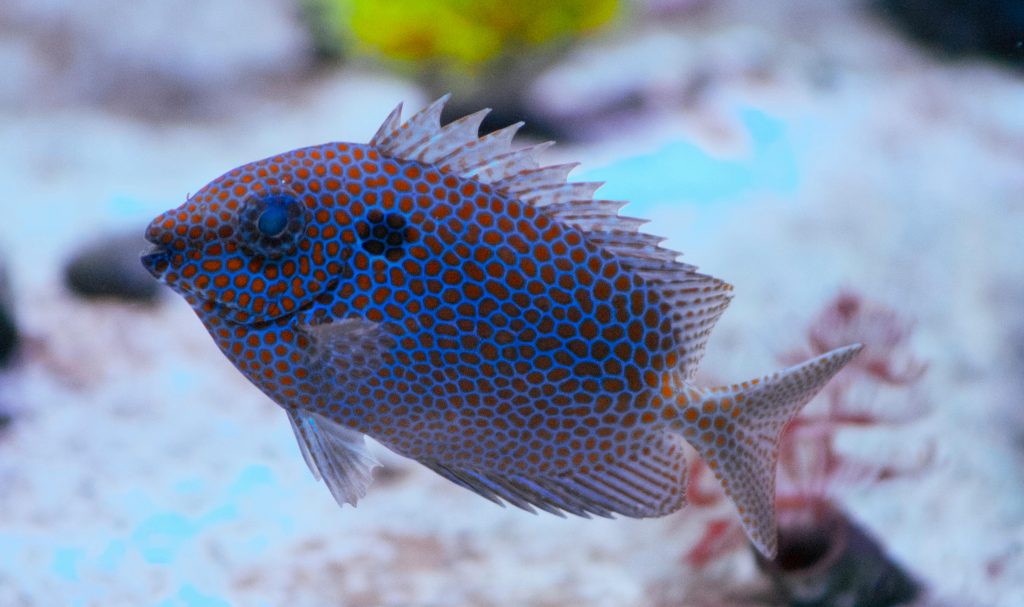
Gold Spotted Rabbitfish (Siganus Punctatus)
Gold Spotted Rabbitfish care includes large tanks, heavy algae feeding, and caution with corals. Learn tank size, diet,…
 By
By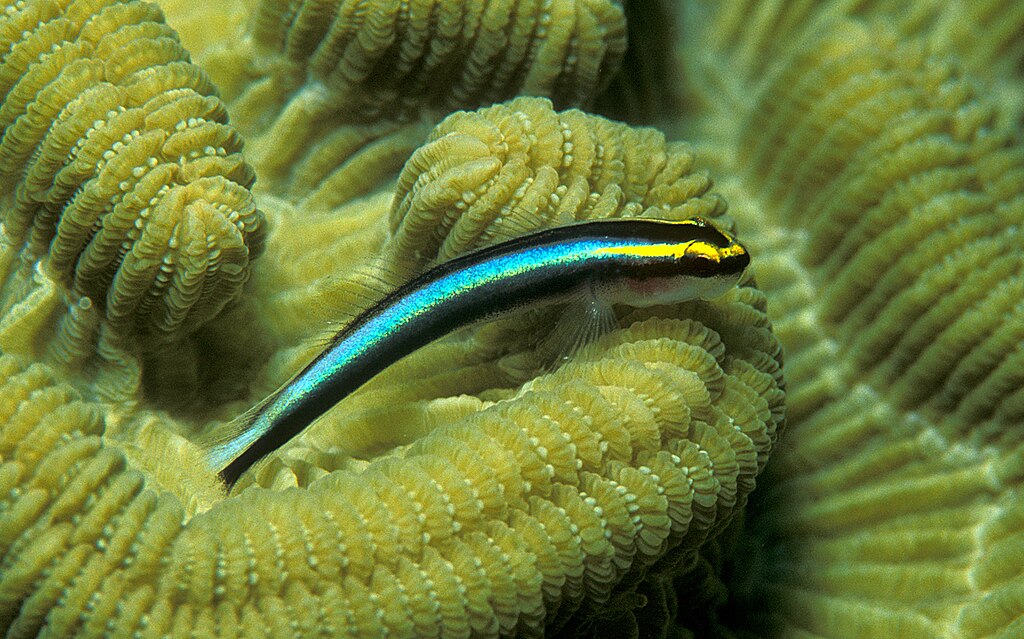
Sharknose Goby (Elacatinus evelynae)
Sharknose Goby care is simple in stable reef tanks. Learn feeding, tank setup, compatibility, and common problems for…
[favorite_button]
My Bookmarks:
To see full list click here
[user_favorites user_id="" include_links="true" site_id="" post_types="" include_thumbnails="true" thumbnail_size="thumbnail" include_excerpt="false"]