

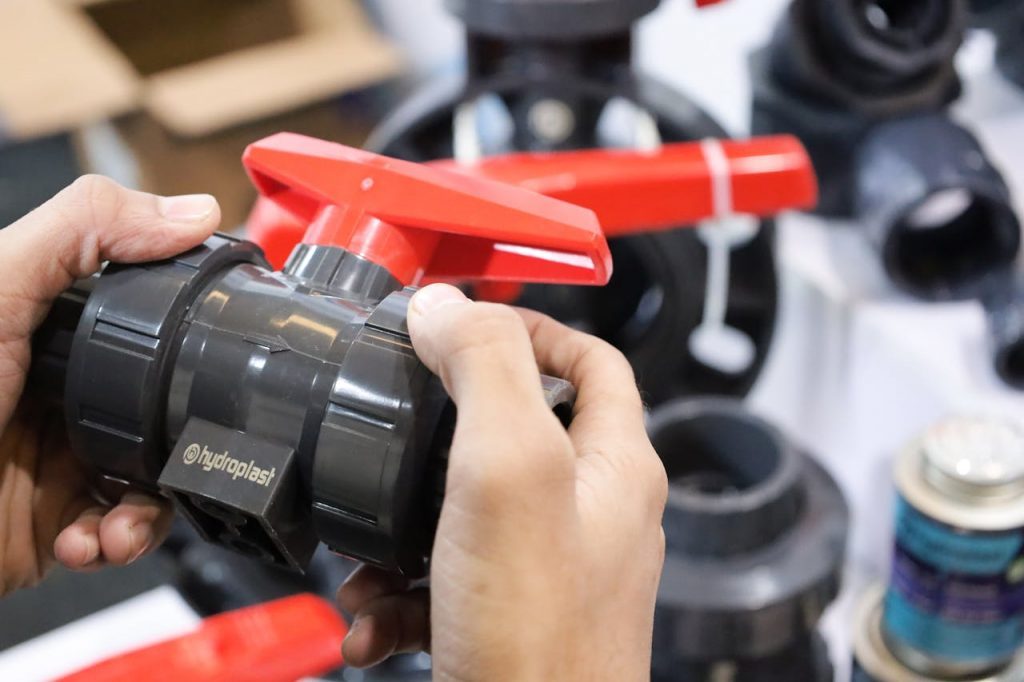
Gate valve tuning controls the water level in a full siphon overflow. It helps your reef tank run quietly and safely. The goal is simple. Match the drain rate to the return pump output. When tuned well, the overflow stays stable, the sump runs consistently, and noise drops fast.
Many reef keepers struggle with gate valve adjustment at first. Small turns can change a lot. Water levels rise, siphons break, and the overflow starts flushing. That can feel frustrating. The good news is that gate valve tuning follows a clear process. Once you understand what the drain is doing, the adjustment becomes much easier. In this guide, you will learn how a gate valve works, how to tune it step by step, what causes common problems, and how to keep your overflow stable long term.
Quick Reference Table
| Topic | Best Practice |
|---|---|
| Best valve type | Use a true union gate valve for precise adjustment |
| Where to install | On the full siphon drain line only |
| Adjustment style | Make very small turns, then wait 30 to 60 seconds |
| Target water level | Stable overflow box level with no flushing |
| Emergency drain | Keep dry or with only a slight trickle |
| Common mistake | Turning the valve too much and too fast |
| After feeding or maintenance | Recheck water level and sump level |
| When to retune | After pump cleaning, plumbing changes, or algae buildup |
This table covers the basics. The details matter more in practice. A stable overflow depends on patience, clean plumbing, and small adjustments. Most tuning problems come from rushing the process.
What Gate Valve Tuning Actually Does
A gate valve restricts flow in the full siphon drain. That restriction raises the water level in the overflow box. As the water rises, air gets pushed out of the siphon line. Once the line runs full of water, it becomes quiet and efficient. That is the sweet spot.
In most reef systems, this applies to Herbie and Bean Animal overflows. The full siphon drain gets the gate valve. The emergency drain does not. On a Bean Animal setup, the open channel also stays mostly unrestricted. The gate valve is not there to shut flow off. It is there to fine tune the siphon so the overflow handles the exact amount of water your return pump sends upward.
If the valve is too open, the siphon may not fully engage. Air enters the line. You hear slurping or flushing. If the valve is too closed, the overflow water rises too high. The emergency drain may start taking water. Good tuning lands between those two points.
Why Reef Keepers Prefer Gate Valves Over Ball Valves
Gate valves allow finer control. That is their biggest advantage. A small turn changes flow gradually. This makes tuning much easier. Ball valves are cheaper, but they are less precise. A tiny movement can change the drain rate too much. That often leads to frustration.
For reef tanks, precision matters. Overflow systems respond to very small changes. Return pumps also vary with head pressure, dirt buildup, and pump age. A gate valve helps you match those shifts more accurately. True union gate valves are even better. They can be removed for cleaning or replacement without cutting plumbing.
If you are building a new sump system, this is one place to spend a little more. A quality valve saves time. It also reduces noise and lowers the risk of unstable overflow behavior. Many hobbyists regret using a cheap valve later. Few regret using a good one from the start.
Step-by-Step Guide to Tuning a Gate Valve
Start with the return pump running at your normal setting. Make sure the sump water level is stable. Check that filter socks, fleece rollers, and strainers are not clogged. A dirty system changes flow. You want normal operating conditions before tuning.
- Open the gate valve more than you think you need.
- Let the overflow begin draining freely.
- Watch the overflow box water level.
- Slowly close the gate valve in very small increments.
- Wait 30 to 60 seconds after each adjustment.
- Listen for slurping, flushing, or gurgling.
- Stop when the full siphon runs quietly and steadily.
- Check that the emergency drain stays dry or nearly dry.
The waiting step is critical. Water takes time to stabilize through the plumbing. Many reef keepers adjust again too soon. That creates a cycle of overcorrection. Let the system settle before touching the valve again.
When tuned correctly, the overflow level should remain steady. The full siphon should carry almost all the flow. The emergency line should remain ready for backup. If the water level creeps upward over time, your valve may be too closed or the drain may be dirty.
Aquarium Setup Factors That Affect Tuning
Plumbing design changes how easy a system is to tune. Long horizontal runs can trap air. Sharp elbows add resistance. Small pipe sizes reduce flow capacity. Return pump strength also matters. A stronger pump needs more drain capacity and often a narrower tuning window.
Sump design plays a role too. If the return chamber level swings a lot from evaporation, pump output can change slightly. That can alter the overflow balance. An auto top off helps keep conditions steady. Clean plumbing matters as well. Biofilm, algae, and snail shells can reduce drain performance over time.
If you are planning a new build, keep the full siphon line simple. Use the correct pipe diameter. Avoid unnecessary bends. Place the gate valve where it is easy to reach. Accessibility matters because every reefer needs to retune eventually. For broader system planning, see aquarium sump setup guide, reef tank plumbing basics, and how to choose a return pump.
Common Problems
Why does my overflow keep flushing?
Flushing usually means the siphon is not staying stable. The valve may be too open. Air enters the line, the siphon weakens, water rises, and then the siphon restarts. This cycle repeats. Close the gate valve slightly and wait. Also check for air leaks, loose fittings, or a drain intake that sits too close to the water surface.
Why is my emergency drain taking water?
This often means the gate valve is too closed. The full siphon cannot keep up, so the water level rises into the emergency standpipe. Open the gate valve a little. Then wait for the level to settle. Also inspect for clogs in the siphon line. Snails, algae, and debris can reduce flow.
Why is the system noisy after cleaning?
Clean pumps often move more water than before. That changes the balance between the return and the drain. Retuning is normal after pump maintenance. Filter sock changes can also alter sump water movement and sound. Always recheck the overflow after any cleaning session.
Why does tuning change during the day?
Evaporation can lower the sump return section. That may change pump performance slightly. Salt creep, partial clogs, or wavemaker interference near the overflow can also affect stability. Make sure your auto top off works properly. Keep overflow teeth and standpipes clean.
Why is the valve hard to adjust?
Cheap valves often bind or jump during adjustment. Salt buildup can also stiffen the mechanism. If tuning feels inconsistent, the valve may be the problem. A quality true union gate valve gives smoother control and easier servicing.
Long-Term Maintenance for Stable Tuning
Gate valve tuning is not a one-time task. Reef systems change slowly. Pumps collect calcium deposits. Drain pipes build biofilm. Snails enter overflow boxes. Even seasonal room temperature changes can affect evaporation and sump behavior. A stable system still needs occasional checks.
Inspect the overflow box weekly. Remove algae and debris from teeth and standpipes. Check that the emergency drain remains clear. Clean the return pump on a regular schedule. Watch for changes in noise. New sounds often appear before major overflow instability. If your system becomes harder to tune over time, inspect the entire drain path before blaming the valve alone.
It also helps to mark the valve position once tuned. A small reference line can save time later. If someone bumps the plumbing during maintenance, you can quickly return near the original setting. For more stability tips, read auto top off setup and reef tank maintenance schedule.
Best Practices for Safe Overflow Operation
Never rely on a single drain without a backup plan. A clogged drain can cause flooding fast. Herbie and Bean Animal systems are popular because they include redundancy. Keep the emergency line unobstructed at all times. Do not add valves to emergency drains. They must stay open and ready.
Test your overflow after any plumbing change. Shut the return pump off and restart it. Watch how quickly the siphon reestablishes. Confirm that the sump can handle drain down volume during power loss. Make sure the return chamber does not run dry during normal operation. Stable tuning is not only about silence. It is about safety too.
If you are building a new reef tank, dry fit the plumbing first. Think about service access. Think about pump cleaning. Think about how you will reach the valve months later. Good plumbing design makes future tuning much easier.
Frequently Asked Questions
How long should I wait between gate valve adjustments?
Wait at least 30 to 60 seconds. Large systems may need longer. Always let the overflow settle before adjusting again.
Should the emergency drain be completely dry?
Usually yes, or nearly yes. Some systems run a slight trickle. The key is that it should not carry the main flow.
Can I use a ball valve instead of a gate valve?
You can, but tuning is harder. Ball valves are less precise. Most reef keepers prefer gate valves for overflow control.
Why did my tuning change after I cleaned the return pump?
A clean pump often flows more water. That changes the drain balance. Minor retuning after maintenance is normal.
Do I need to retune after changing return pump speed?
Yes. Any pump speed change affects overflow balance. Adjust the gate valve again after changing flow settings.
Gate valve tuning gets easier with experience. The process rewards patience. Make very small changes. Wait for the system to respond. Keep the plumbing clean. Respect the emergency drain. With those habits, your reef tank will run quieter, safer, and with far less overflow frustration.
Was this helpful?
Related Posts
Best Filtration Systems
Best Filtration Systems for a Healthy Saltwater Aquarium Choosing the best filtration system for your saltwater aquarium is…
 By
By
Clown Triggerfish (Balistoides Conspicillum)
Clown triggerfish are stunning but aggressive marine fish that need very large tanks, strong filtration, and careful tankmate…
[favorite_button]
My Bookmarks:
To see full list click here
[user_favorites user_id="" include_links="true" site_id="" post_types="" include_thumbnails="true" thumbnail_size="thumbnail" include_excerpt="false"]