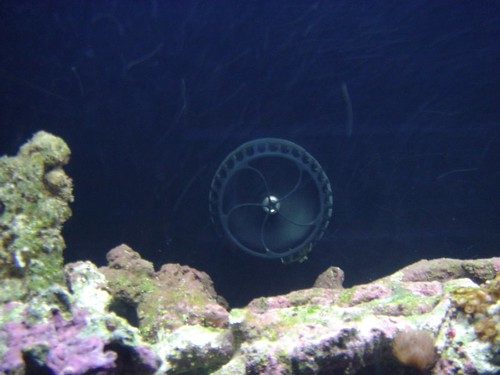
Powerheads keep reef tanks healthy. They boost oxygen and prevent dead spots. They can also hurt livestock or fail if installed poorly.
Choose the right powerhead and place it safely
Match flow to your tank size and animals. Aim for 20–40x turnover in most mixed reefs. Use 10–20x for soft coral tanks. Use 40–60x for SPS systems.
Place pumps to avoid blasting tissue. Point flow across the front glass or toward the surface. Keep at least 6 inches from sand to prevent storms. Keep 3–4 inches from coral heads.
Use two smaller pumps instead of one large unit. This spreads flow and adds redundancy. If one fails, the tank still circulates. This helps during heat waves and feeding time.
Secure mounting matters more than most people think. Clean the glass before attaching magnets or suction cups. Check that cords do not pull the pump downward. For more flow planning, see our reef tank water flow guide.
- Start at 30–50% power for the first week.
- Increase 5–10% every three days while watching coral.
- Re-aim the nozzle if sand drifts or polyps stay closed.
Protect fish, inverts, and hands from intake hazards
Intakes can trap weak fish and wandering inverts. This risk rises at night. It also rises after shipping stress. Small gobies and blennies are common victims.
Use a guard, foam cover, or mesh screen on every intake. Choose foam with 30–45 PPI for reef use. Rinse it in removed tank water twice per week. Replace foam when it stays clogged.
Watch for anemones and euphyllia near pumps. Keep 8–12 inches of clearance for roaming anemones. Use a nem guard if you keep bubble tips. If a nem hits a pump, stop it fast.
Plan safe maintenance habits. Unplug pumps before putting hands in the tank. Use a feeding mode if your controller supports it. Review our anemone care basics if you keep mobile species.
- Inspect guards weekly for gaps and cracked plastic.
- Keep snail shells and macroalgae away from intakes.
- Quarantine new fish so they regain strength before strong flow.
Electrical safety, cleaning, and failure-proofing
Saltwater and electricity do not mix. Use a GFCI outlet for every aquarium circuit. Add a drip loop on each cord. Keep power strips above sump level.
Use a controller or timer to prevent overheating and stalls. Many pumps restart poorly when dirty. Clean wet sides every 4–6 weeks. Soak parts in 1:1 vinegar and water for 20 minutes.
Rinse parts with fresh water after soaking. Reassemble and test in a bucket first. Listen for clicking or grinding. Those sounds often mean a swollen shaft or sand in the rotor.
Plan for failures with backups. Keep a spare impeller or spare pump on hand. During outages, aim for surface agitation. A battery air pump can buy hours. For a full checklist, read our aquarium power outage plan.
- Label plugs so you unplug the right pump during emergencies.
- Replace worn O-rings to prevent water intrusion.
- Do not run pumps dry, even for one minute.
Powerheads are simple tools with real risks. Choose the right flow, guard every intake, and mount them securely. With routine cleaning and smart electrical habits, you will keep your reef safer and more stable.
Sources: Reef Aquarium Volume Three (Delbeek & Sprung); Ecophysiology of Coral Reefs (Dubinsky & Stambler); Manufacturer pump manuals and safety sheets.
Was this helpful?
Related Posts
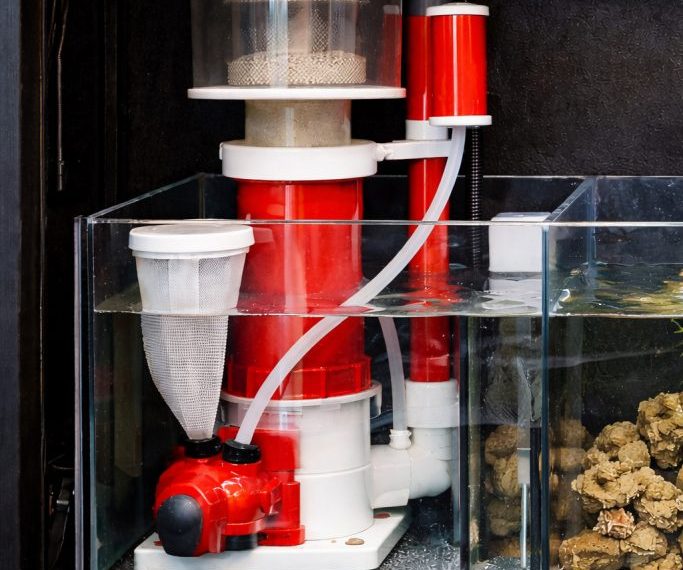
Protein Skimmer Reef Tank Guide
Learn how a protein skimmer works, how to size one, and how to tune it for a cleaner,…
 By
By
Reef Aquarium Water Parameters
Learn the ideal reef aquarium water parameters, safe ranges, and how to keep salinity, alkalinity, nutrients, and pH…