

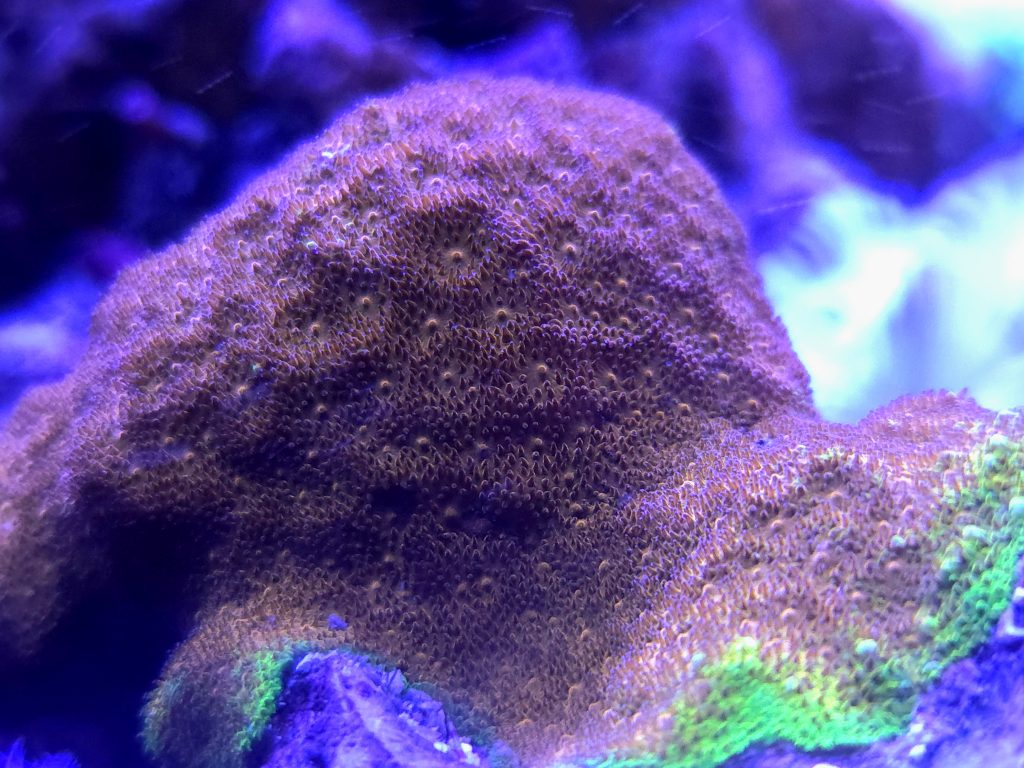
Psammocora corals are hardy small polyp stony corals. They suit many mixed reefs. Most species tolerate a range of conditions once settled. They prefer stable water, moderate light, and steady flow. Their encrusting growth makes them useful for filling bare rock.
In this guide, you will learn how to keep Psammocora healthy long term. We will cover placement, lighting, flow, feeding, water chemistry, compatibility, and fragging. You will also learn how to fix common issues like tissue recession, poor color, and algae on the colony. This makes the article useful for beginners and intermediate reef keepers alike.
Quick Reference Table
| Common Name | Psammocora Coral |
| Scientific Genus | Psammocora spp. |
| Care Level | Easy to moderate |
| Temperament | Mostly peaceful, but can encrust nearby space |
| Lighting | Moderate to moderately high |
| Water Flow | Moderate to strong, indirect |
| Placement | Mid to lower rockwork at first |
| Diet | Mostly photosynthetic, benefits from fine foods |
| Growth Rate | Moderate |
| Ideal Temperature | 76–79°F |
| Salinity | 1.025–1.026 specific gravity |
| Alkalinity | 8–9 dKH |
| Calcium | 400–450 ppm |
| Magnesium | 1250–1400 ppm |
| Nitrate | 2–15 ppm |
| Phosphate | 0.03–0.10 ppm |
What Is a Psammocora Coral?
Psammocora is a genus of stony corals found across the Indo-Pacific. In the hobby, they are often sold as encrusting SPS corals. Some colonies form thin plates or low mounds over time. Their surface texture looks fine and pebbled. Polyps are small and usually not very flashy.
That subtle look is part of their appeal. Psammocora can add texture without overpowering other corals. Many reef keepers use them to cover empty rock. They also work well in tanks where acropora may feel too demanding. While they are classed as SPS, many hobbyists find them more forgiving than delicate branching species.
Color varies by species and strain. Common shades include tan, green, cream, brown, and muted yellow. Under blue-heavy lighting, some pieces show stronger fluorescence. Good color still depends on stable nutrients and strong overall health. These corals rarely become stunning overnight. They reward patience and consistency.
Natural Habitat
Psammocora corals live in tropical reef zones throughout the Indo-Pacific. They occur on reef slopes, lagoons, and shallow hard-bottom areas. In nature, they attach firmly to rock and dead coral skeleton. Many colonies grow where water movement stays constant. This helps keep sediment from settling on the surface.
Light levels in the wild can vary. Some colonies grow in fairly bright shallow water. Others occur deeper or in slightly turbid areas. That helps explain their adaptability in aquariums. Still, wild reefs offer one thing tanks often lack. Conditions stay stable over long periods.
Understanding habitat helps with husbandry. Psammocora wants clean water, oxygen-rich flow, and a hard surface to encrust. It does not like detritus buildup. It also dislikes sudden chemistry swings. If you recreate those broad natural conditions, this coral usually settles in well.
Aquarium Setup
Psammocora can live in tanks as small as 20 gallons. Larger systems are easier to keep stable. A mature reef of 40 gallons or more is a better starting point. Stability matters more than sheer volume. Avoid adding this coral to a fresh tank.
Use porous live rock or reef-safe dry rock. Give the frag a clean place to attach. Keep some open space around the colony. Psammocora encrusts outward over time. It can cover nearby rock and edge toward other corals. Plan for future growth, not just current size.
Good filtration helps a lot. Run a quality protein skimmer if possible. Use mechanical filtration and change it often. Keep detritus from settling in dead spots. Stable dosing of alkalinity, calcium, and magnesium is important as the colony grows. If your tank consumes these elements quickly, use a dosing pump for consistency.
Before adding a new frag, inspect it for pests and nuisance algae. A coral dip is wise. Quarantine is even better. This protects both the new coral and the display tank. It also gives you time to watch for tissue loss or hidden hitchhikers.
Lighting Requirements
Psammocora usually does best under moderate to moderately high light. A PAR range of about 100 to 220 works for many specimens. Some can handle more once acclimated. Start lower if the coral came from dimmer conditions. Then increase slowly over one to two weeks.
LED, T5, and hybrid systems can all work well. The coral does not demand extreme SPS lighting. In fact, sudden exposure to intense light can bleach it. Signs of too much light include pale tissue, reduced extension, and a washed-out look. Too little light often leads to dull brown color and slower growth.
Place new frags on the lower half of the rockwork first. Watch color and polyp response. If the coral stays dark and healthy, you can move it upward later. Make only one change at a time. Light shock is common when hobbyists move SPS too quickly. Slow acclimation usually prevents that problem.
Water Flow
Water flow is a major factor in Psammocora success. Aim for moderate to strong, indirect flow. The colony should receive constant movement across its surface. This keeps waste from settling. It also brings oxygen and dissolved nutrients to the coral.
Avoid a harsh direct blast from a powerhead. That can irritate tissue and create dead spots around the edges. Random flow is best. Gyres, wavemakers, and alternating pumps work well. Watch how debris moves around the frag. If detritus settles on the colony, increase or redirect flow.
Poor flow often causes trouble before lighting does. You may see algae collecting on the skeleton. Tissue can recede in shaded areas. The coral may also look dull and inactive. Better flow often improves appearance within days. In mixed reefs, this coral usually does well where euphyllia flow would be slightly too strong.
Water Chemistry and Stability
Stable chemistry is the real key to long-term growth. Psammocora is forgiving for an SPS coral, but it still reacts to swings. Keep salinity at 1.025 to 1.026. Maintain temperature between 76 and 79°F. Daily swings should be small. Large changes stress tissue and slow calcification.
Alkalinity should stay around 8 to 9 dKH. Calcium should remain between 400 and 450 ppm. Magnesium should stay between 1250 and 1400 ppm. Keep nitrate detectable, but not excessive. Around 2 to 15 ppm works well in many tanks. Phosphate should also remain present. A range of 0.03 to 0.10 ppm is often safe.
Zero nutrients can be a problem. Ultra-low nutrient systems often cause pale color and weak growth. On the other hand, very high nutrients can invite algae and browning. Test regularly. Make corrections slowly. Chasing perfect numbers causes more harm than holding steady, reasonable ones.
Feeding
Psammocora gets much of its energy from light through zooxanthellae. That means direct feeding is not mandatory. Still, many reef keepers report better growth with occasional feeding. Fine particle foods work best. Think reef roids, powdered plankton blends, rotifers, or broadcast coral foods.
Feed lightly one to three times per week. Turn off return flow for a short period if needed. Broadcast feeding is usually easier than target feeding. The polyps are small, so huge food particles will not help much. Avoid overfeeding the tank. Excess organics can raise nutrients and fuel nuisance algae.
Fish feeding also supports coral health. A well-fed reef often supplies dissolved nutrients and tiny suspended particles. That can be enough for this coral. If your tank runs very clean, occasional coral food may improve color and tissue thickness. Watch the coral over several weeks. Then adjust your routine based on growth and nutrient trends.
Compatibility
Psammocora is generally reef safe and peaceful. It does not have long sweeper tentacles like some LPS corals. Even so, it still competes for space. Its encrusting growth can creep toward nearby frags. Leave room around the colony. This prevents future contact wars.
It mixes well with many SPS, soft corals, and LPS if spacing is planned. Avoid placing it next to aggressive corals like galaxea, favia, or some euphyllia. Chemical warfare can also matter in crowded mixed reefs. Good carbon use and water changes help reduce stress from allelopathy.
Most reef-safe fish ignore Psammocora. Be cautious with angelfish, butterflyfish, and some large crabs. These may nip coral tissue. Urchins can also bulldoze loose frags. Secure new pieces well. Snails and cleaner shrimp are usually fine. If you keep coral-nipping fish, monitor the colony closely after introduction.
Step-by-Step Placement Guide
First, inspect the frag for pests, algae, and damaged tissue. Dip it if appropriate. Second, place it in a lower to mid area with moderate light. Third, provide steady indirect flow across the surface. Fourth, secure the frag well with reef glue or epoxy. Loose frags often fall into poor spots.
Fifth, leave the coral alone for several days. Do not keep moving it. Sixth, test alkalinity, calcium, magnesium, nitrate, and phosphate weekly. Seventh, watch for signs of adjustment. Mild color shifts are normal at first. Eighth, raise light slowly if needed after one to two weeks.
Ninth, keep nearby rock clean so algae cannot overgrow the base. Tenth, track growth over a month, not a day. Psammocora often settles quietly before it starts encrusting. Patience matters. Frequent changes usually delay progress.
Propagation and Fragging
When to Frag
Frag only healthy, established colonies. Wait until the coral has encrusted well and shows active growth. Avoid fragging stressed or recently imported pieces. A stable tank improves healing speed. Healthy tissue margins are a good sign that the colony can recover well.
How to Frag Psammocora
Remove the colony if possible. Use bone cutters, a rotary tool, or a coral saw. Cut through the skeleton cleanly. Try to avoid crushing tissue. Small encrusted chips can also be taken from the edge. Mount frags on plugs or rubble with reef glue. Then place them in moderate flow for healing.
Aftercare for New Frags
Keep fresh frags in stable conditions. Do not blast them with intense light. Moderate light and good flow are ideal during recovery. Watch for tissue recession around the cut edge. If healing is slow, check alkalinity swings and detritus buildup first. Most healthy frags recover within a few weeks.
Common Problems
Why Is My Psammocora Turning Brown?
Brown color usually points to excess nutrients, low light, or both. Test nitrate and phosphate first. If they are high, improve export slowly. Increase skimming, water changes, or mechanical filtration. If nutrients are reasonable, the coral may need slightly more light. Make changes gradually to avoid bleaching.
Why Is the Tissue Receding?
Tissue recession often follows alkalinity swings, poor flow, pests, or physical damage. Check recent dosing changes. Inspect for algae growing on exposed skeleton. Increase indirect flow if detritus is settling. If recession continues, frag healthy sections away from damaged tissue to save the colony.
Why Is My Psammocora Pale or Bleached?
Paling usually means too much light, rapid light change, or nutrients that are too low. Lower the coral or reduce intensity. Confirm nitrate and phosphate are not bottomed out. Corals need some nutrients to keep color. Recovery can take weeks, so avoid making repeated changes too fast.
Why Is Algae Growing on the Colony?
Algae often appears where tissue has already died. It can also grow when flow is weak. Remove nuisance algae gently with a soft brush outside the tank if needed. Improve flow and stabilize chemistry. Healthy tissue usually resists algae better than stressed areas do.
Frequently Asked Questions
Is Psammocora a good beginner SPS coral?
Yes. It is often easier than many acropora and montipora species. It still needs stable parameters. But it usually tolerates mixed reef conditions well.
How fast does Psammocora grow?
Growth is usually moderate. In stable tanks, it can encrust noticeably within months. Growth slows in low light, low flow, or unstable chemistry.
Can Psammocora live in a mixed reef?
Yes. It fits well in mixed reefs if placed away from aggressive stinging corals. Give it room to spread across rock.
Does Psammocora need target feeding?
No. It is mainly photosynthetic. Occasional fine broadcast foods may improve growth and color, but direct feeding is optional.
Where should I place Psammocora in the tank?
Start in the lower to middle rockwork. Use moderate light and steady indirect flow. Move it only after it adjusts well.
Final Tips for Success
Psammocora corals reward stable reef keeping. They are not difficult, but they dislike frequent changes. Focus on consistency first. Keep nutrients present but controlled. Provide moderate light, good indirect flow, and room to encrust. If you do that, this understated SPS coral can become a durable and attractive part of your reef.
For more reef care help, see our guides on reef tank parameters, best SPS corals for beginners, coral dipping guide, and how to lower phosphate in a reef tank.
Was this helpful?
Related Posts
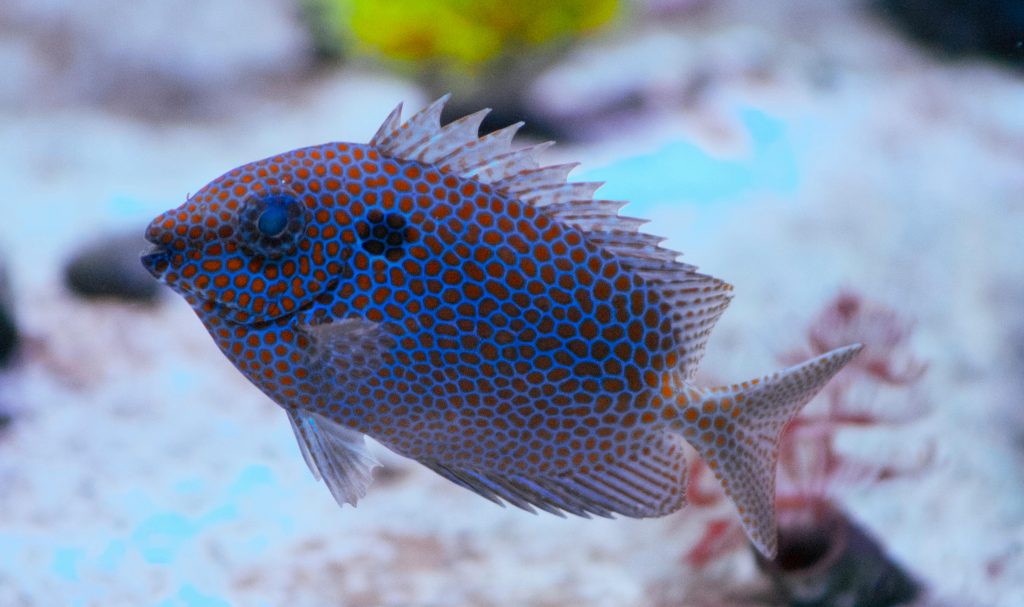
Gold Spotted Rabbitfish (Siganus Punctatus)
Gold Spotted Rabbitfish care includes large tanks, heavy algae feeding, and caution with corals. Learn tank size, diet,…
 By
By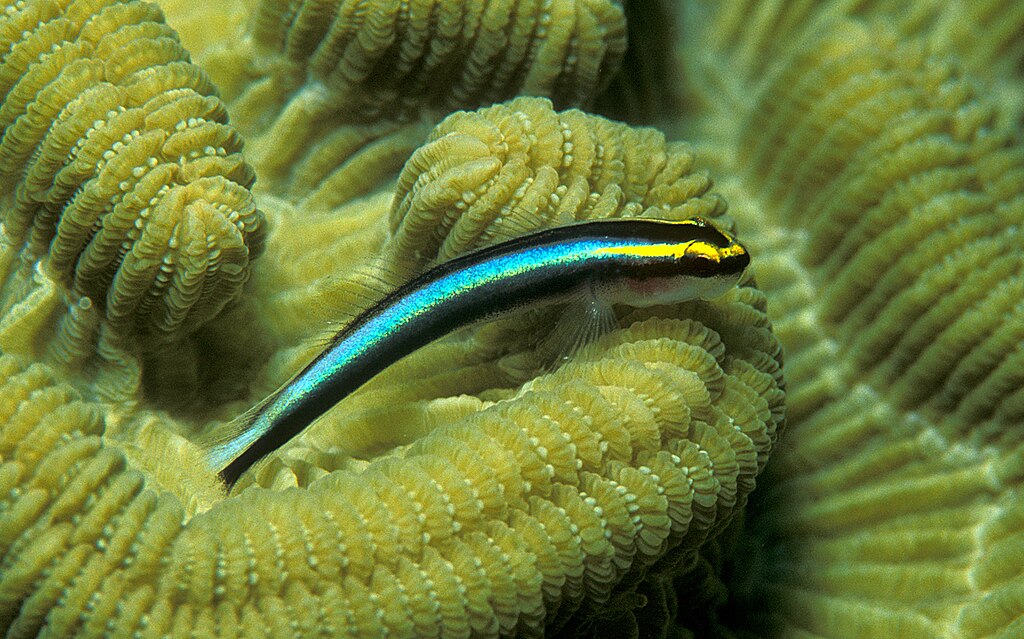
Sharknose Goby (Elacatinus evelynae)
Sharknose Goby care is simple in stable reef tanks. Learn feeding, tank setup, compatibility, and common problems for…
[favorite_button]
My Bookmarks:
To see full list click here
[user_favorites user_id="" include_links="true" site_id="" post_types="" include_thumbnails="true" thumbnail_size="thumbnail" include_excerpt="false"]