

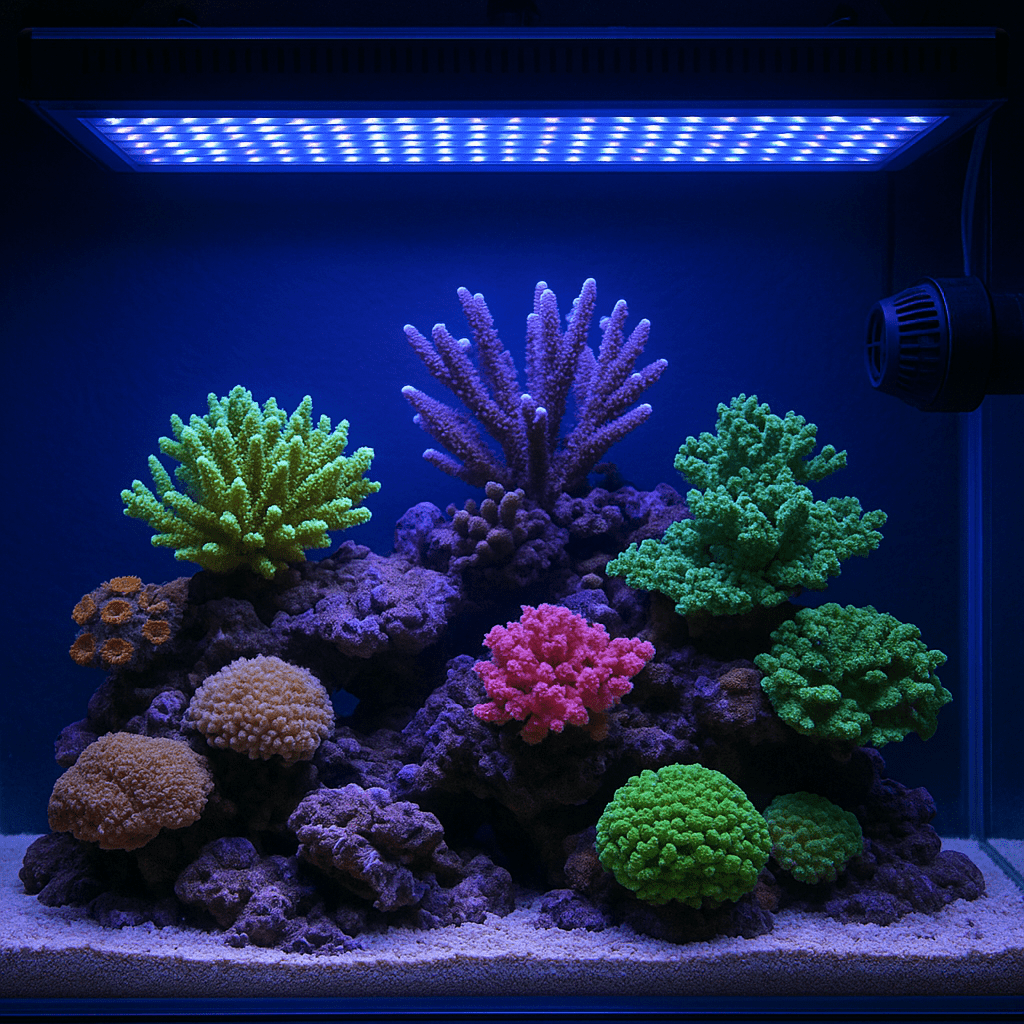
Quarantine corals and inverts before they enter your display reef. This simple step helps block pests, disease, and nuisance algae. It also gives new arrivals time to recover from shipping stress. A short quarantine period can save months of frustration later.
Many hobbyists quarantine fish but skip corals and invertebrates. That is a common mistake. Coral frags can carry flatworms, nudibranchs, vermetid snails, bryopsis, bubble algae, and bacterial issues. Snails, shrimp, crabs, and other inverts can also bring hitchhikers. In this guide, you will learn why coral and invert quarantine matters, how to set up a simple system, what tools to use, and how to handle common problems. You will also learn when dipping is enough and when full observation is the safer choice.
Quick Reference Table
| Item | Recommendation |
|---|---|
| Coral quarantine length | 21 to 45 days |
| Invert quarantine length | 14 to 30 days |
| Tank size | 10 to 20 gallons for most hobbyists |
| Lighting | Moderate, adjustable, matched to coral type |
| Flow | Gentle to moderate, random flow |
| Filtration | Sponge filter, HOB filter, or cycled biomedia |
| Heater | Stable 76 to 78°F |
| Salinity | 1.025 to 1.026 specific gravity |
| Coral dip | Use a reef-safe commercial coral dip |
| Medication | Avoid copper with inverts and corals |
This table gives a safe starting point. Always adjust conditions for the species you keep. Delicate SPS, fleshy LPS, anemones, and filter-feeding inverts may need extra care.
Why Quarantine Corals and Inverts
Quarantine protects your display tank from avoidable problems. A single frag plug can introduce pests that spread fast. Once pests enter a mature reef, removal becomes much harder. Some hide deep in rockwork. Others lay eggs that survive dips.
Coral quarantine also protects the new coral. Shipping causes stress. Tissue can recede after transit. A quiet quarantine tank lets you observe recovery without fish picking at damaged tissue. You can also adjust light slowly. This lowers the risk of bleaching.
Invert quarantine matters for similar reasons. Snails may carry pyramid snails. Crabs may hide unwanted hitchhikers. Shrimp can arrive weak after shipping. Observation helps you spot problems early. It also prevents sudden losses in the display.
If you want a stable reef, quarantine should become routine. It is not just for advanced hobbyists. Beginners benefit the most because pest outbreaks often hit newer tanks harder.
What Can Hitchhike Into a Reef Tank
Coral pests come in many forms. Flatworms are common. Acropora eating flatworms are serious SPS pests. Montipora nudibranchs can wipe out monti colonies. Zoanthid-eating nudibranchs often match the coral color. That makes them hard to see.
Less dramatic pests still cause problems. Vermetid snails irritate nearby corals. Aiptasia spreads quickly. Bubble algae and bryopsis can arrive on plugs and rubble. Red planaria may multiply in nutrient-rich systems. Small crabs can also hitchhike in coral bases.
Inverts can bring unwanted guests too. Snails may carry eggs. Hermits may arrive with pest algae. Decorative macro and soft coral rubble often hide worms or tiny stars. Some are harmless. Some are not. Quarantine gives you time to decide.
Not every hitchhiker is bad. Copepods, feather dusters, and micro brittle stars can be useful. The goal is not sterile perfection. The goal is controlled introduction and careful observation.
Aquarium Setup for Coral and Invert Quarantine
A simple quarantine tank works well. Most hobbyists can use a 10 or 20 gallon aquarium. Bare bottom is easiest to clean. Add a heater, thermometer, and small powerhead. Use a lid if you quarantine shrimp or crabs that may climb.
For filtration, use a sponge filter or small hang-on-back filter. Seed it with cycled media from a healthy system. Do not use rock or sand from a pest-filled tank. Keep the setup easy to inspect. That is the whole point.
Use egg crate, frag racks, or small inert shelves to hold corals. Keep inverts on open surfaces where you can observe them. A small LED reef light is enough for most quarantine systems. You do not need intense lighting on day one.
Match temperature and salinity to your display tank. Stability matters more than chasing exact numbers. Test alkalinity often if you quarantine stony corals. Small systems can swing fast. Frequent water changes help keep parameters stable.
Lighting Requirements
Quarantine lighting should be moderate and adjustable. New corals often arrive light-stressed. Strong light on day one can cause bleaching. Start lower than your display intensity. Raise output slowly over several days.
Soft corals and many LPS do well under modest PAR during quarantine. SPS need more light, but they still benefit from gradual acclimation. If you own a PAR meter, use it. If not, rely on coral response. Pale tissue, retraction, and bleaching suggest excess light. Browning can suggest too little light, excess nutrients, or stress.
Keep the photo period simple. Eight to ten hours works well. Avoid long, intense schedules while corals recover from shipping. The goal is observation and stability, not maximum growth. Healthy extension and steady tissue are better signs than fast color changes.
Inverts usually need less light consideration. Snails, shrimp, and crabs do fine under basic room light and ambient tank lighting. Photosynthetic clams and anemones are exceptions. They need species-specific care and longer observation.
Water Flow
Water movement should be gentle to moderate. Aim for random flow, not a direct blast. Corals need enough flow to remove waste and bring oxygen. Too much flow can strip tissue from stressed frags. Too little flow can allow detritus to settle.
A single small powerhead is enough for many quarantine tanks. Point it at the glass or surface to diffuse the stream. Watch coral behavior. LPS should sway lightly, not fold over. SPS should show polyp extension without tissue damage. Soft corals should open fully after acclimation.
Inverts also benefit from good oxygenation. Surface agitation helps. Shrimp and crabs handle moderate flow well. Snails need stable oxygen levels and clean surfaces. If you see detritus collecting under racks, increase flow slightly or siphon more often.
Clean flow equipment often. Quarantine tanks are small. A dirty pump can reduce output fast. That can lead to dead spots and unstable conditions.
Step-by-Step Quarantine Process
Start by preparing clean saltwater that matches your quarantine tank. Float and acclimate the shipment as needed. Inspect each coral or invert before it enters the tank. Look closely at the plug, base, shell, and bag water.
Next, dip corals in a reef-safe coral dip. Follow the product label exactly. Use a turkey baster or pipette to blow water across the coral during the dip. This helps dislodge pests. Rinse the coral in clean saltwater before transfer.
Remove frag plugs when possible. Many pests and algae hide on plugs. Re-mount the coral on a clean plug or disk if needed. For inverts, skip coral dips unless the species is known to tolerate a specific treatment. Most inverts should only be observed and physically inspected.
Place the new arrival in quarantine and observe daily. Check for eggs, bite marks, tissue loss, pests, algae, and feeding response. Repeat dips for corals if your protocol calls for it. At the end of the observation period, transfer only healthy specimens into the display.
Feeding During Quarantine
Do not overfeed a small quarantine tank. Water quality can decline fast. Feed only what the animal needs. Many corals do fine with light target feeding once or twice each week. LPS often accept mysis, reef roids, or fine frozen foods. Soft corals may rely more on light and dissolved nutrients.
Filter-feeding inverts need more planning. Feather dusters, some clams, and certain shrimp benefit from fine planktonic foods. Feed small amounts and watch nutrient levels. Remove uneaten food when possible. Test nitrate and phosphate if you feed heavily.
Herbivorous snails need algae or supplemental foods if the tank is too clean. Offer dried nori or algae wafers when needed. Shrimp and crabs usually accept small meaty foods. Feed enough to maintain strength, but not enough to foul the water.
Healthy feeding response is a useful sign. A coral that extends feeders at night often settles well. An invert that grazes, molts normally, or scavenges with energy is usually adapting.
Compatibility and Cross-Contamination
Coral and invert quarantine tanks should stay separate from fish treatment tanks. Never use copper with corals or invertebrates. Copper is toxic to most inverts. Medications used for fish can also harm beneficial bacteria and sensitive reef animals.
Avoid mixing aggressive corals in a cramped quarantine system. Sweepers from euphyllia, galaxea, and similar corals can sting nearby frags. Keep enough space between specimens. Use separate racks if needed. Do not let anemones roam through a coral quarantine tank.
Cross-contamination is a major risk. Use dedicated tools for quarantine. That includes tweezers, basters, buckets, towels, and frag cutters. Wash hands and tools between tanks. Even a few drops of water can transfer pests or chemicals.
If you quarantine multiple shipments together, reset the observation clock when a new item arrives. Otherwise, one late pest can expose the whole group. Patience matters here.
Propagation and Fragging in Quarantine
Fragging in quarantine can be useful. It lets you remove damaged tissue, discard dirty plugs, and save healthy sections from a stressed colony. It also helps isolate pests if only one branch or polyp is affected.
When to Frag
Frag only stable corals. Freshly shipped specimens may need several days first. If you see rapid tissue loss on one branch, cut above the damaged area. If a zoa frag has nuisance algae on the plug, remove healthy polyps and remount them.
How to Frag Safely
Use clean cutters or a coral saw. Wear gloves and eye protection, especially with zoanthids. Rinse tools after each use. Mount frags on clean plugs with reef-safe glue. Return them to moderate flow so the cut can heal.
Post-Frag Observation
Watch fresh cuts closely. Look for bacterial film, tissue recession, or poor extension. Stable alkalinity and clean water help most corals heal. Avoid repeated handling during recovery.
Common Problems
Corals Stay Closed After the Dip
This is often normal for a day or two. Shipping stress and dipping both irritate tissue. Check temperature, salinity, and flow first. Reduce light if the coral looks pale. If the coral remains closed for several days, inspect for hidden pests or tissue damage.
Pests Keep Reappearing
Eggs may be hatching between dips. Many dips do not kill eggs. Repeat inspection often. Remove plugs if possible. Scrape egg clusters manually. Extend the quarantine period if you keep seeing new pests.
Nuisance Algae Grows in Quarantine
Small tanks swing fast. Excess light, trapped detritus, and overfeeding all contribute. Shorten the photo period. Increase manual cleaning. Perform water changes. Remove algae from plugs before it spreads. Keep nutrient import under control.
Inverts Die Without Warning
Check salinity and temperature for sudden swings. Test ammonia right away. Many inverts are very sensitive to poor acclimation and unstable water. Never expose them to copper residue. Use dedicated equipment and avoid aerosol contamination near the tank.
Coral Tissue Recedes in Quarantine
Look for too much light, too little flow, alkalinity swings, or bacterial stress. Frag healthy tissue away from dying areas if recession spreads. Keep the tank clean and stable. Avoid chasing numbers with large corrections.
Frequently Asked Questions
Do I need to quarantine every coral?
Yes, if you want the lowest risk. Even trusted sources can ship hidden pests or algae. A clean-looking frag is not always pest-free.
Is dipping enough without quarantine?
Dipping helps, but it is not perfect. Many pest eggs survive dips. Observation catches problems that dips miss. Quarantine is safer than dipping alone.
Can I quarantine corals and inverts together?
Often, yes. Keep species needs in mind. Avoid aggressive corals near delicate inverts. Maintain stable water and separate anything that causes stress.
How long should coral quarantine last?
Three to six weeks is a solid range. Longer is better for pest-prone corals like Acropora and Montipora. Shorter periods carry more risk.
Can I use display tank water in quarantine?
You can use some display water, but it is not required. Freshly mixed saltwater works well. The key is stable parameters and cycled filtration.
Final Tips for Success
Keep your quarantine process simple enough to repeat every time. Label tools. Track dates. Inspect at night with a flashlight. Remove plugs when possible. Resist the urge to rush healthy-looking frags into the display. Most reef pests become expensive only after they spread.
A basic quarantine tank costs far less than replacing corals or tearing apart rockwork. It also builds better reefkeeping habits. If you want more help with coral husbandry, read our guides on reef tank parameters, coral dipping guide, how to cycle a reef tank, and beginner coral care.
Was this helpful?
Related Posts
Reef Tank Basics
Learn reef tank basics, from setup and cycling to lighting, flow, and water chemistry, so your first reef…
 By
By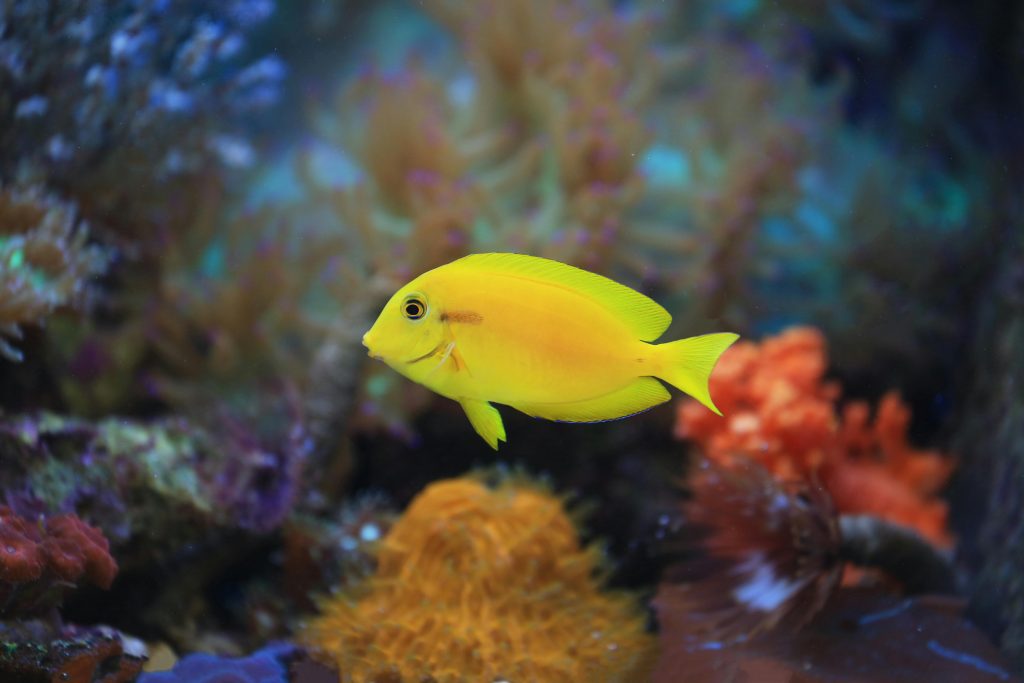
Juvenile Orange Shoulder (acanthurus Olivaceus)
Juvenile orange shoulder tangs are bright, hardy, and reef safe, but they grow large and need a spacious…
[favorite_button]
My Bookmarks:
To see full list click here
[user_favorites user_id="" include_links="true" site_id="" post_types="" include_thumbnails="true" thumbnail_size="thumbnail" include_excerpt="false"]