

Quarantining reef fish prevents disease from reaching your display tank. It also gives new fish time to recover, eat well, and adjust to captive life. A simple quarantine system lowers losses and avoids the stress of treating a full reef aquarium later.
Many hobbyists skip quarantine because it feels complicated. In reality, the process can be simple and repeatable. This guide explains how to set up a reef fish quarantine tank, how long to quarantine, what equipment you need, and how to spot common problems early. You will also learn when to observe, when to medicate, and how to move fish safely into your display tank. A good quarantine routine protects your corals, fish, and budget. It also makes reef keeping much less stressful over time.
Quick Reference Table
| Category | Recommendation |
|---|---|
| Tank size | 10 to 20 gallons for small fish, 20 to 40 gallons for larger fish |
| Quarantine length | 2 to 4 weeks for observation, longer if treating disease |
| Filtration | Sponge filter or HOB filter with seeded media |
| Heater | Yes, keep stable at 76 to 78 F |
| Hiding places | PVC elbows, couplings, or inert plastic shelters |
| Substrate | Bare bottom is best |
| Lighting | Dim to moderate, avoid bright light at first |
| Water changes | As needed to control ammonia and waste |
| Main goal | Observe, stabilize, feed, and treat if needed |
A quarantine tank does not need to look pretty. It needs to be stable, clean, and easy to monitor. Bare-bottom tanks work best because waste is easy to remove. You can also watch fish behavior more clearly in a simple setup.
Why Quarantine Reef Fish Matters
New fish often carry parasites or bacterial infections. Some show symptoms right away. Others look healthy for days. Once a sick fish enters a reef display, treatment becomes much harder. Copper, formalin, and many antibiotics cannot be used safely around corals and invertebrates.
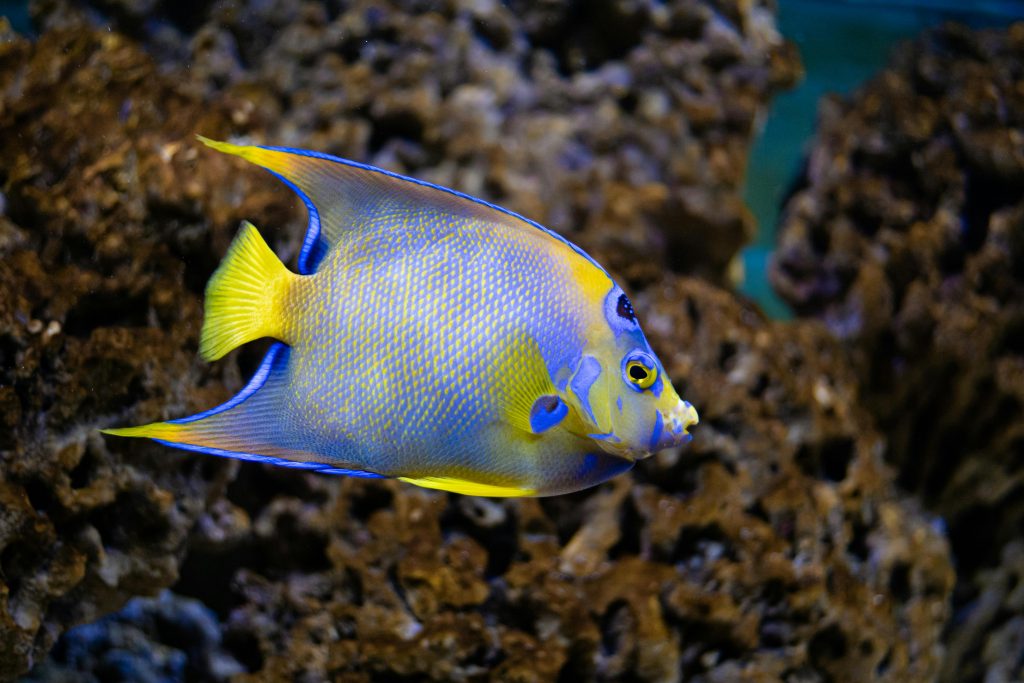
Quarantine protects the fish too. Shipping is stressful. Poor handling, low oxygen, and long transit times weaken immune function. A quiet quarantine tank gives fish time to rest and start eating. This is especially helpful for tangs, wrasses, angelfish, and other sensitive species.
Quarantine also helps you assess temperament. Some fish arrive aggressive. Others are shy and need extra feeding support. It is much easier to solve those issues in a separate tank. If you want fewer surprises in your reef, quarantine should be standard practice.
Quarantine Tank Setup
A basic quarantine tank is inexpensive. Start with a glass aquarium, heater, thermometer, lid, and simple filter. A sponge filter is ideal. It provides biological filtration and gentle flow. A hang-on-back filter also works well. Seed the media in your sump ahead of time if possible.
Use a bare bottom. Add several PVC fittings for shelter. Fish feel safer when they can hide. Avoid live rock and sand in medicated quarantine tanks. Those materials absorb medications and make dosing less accurate. They can also trap waste.
Keep salinity and temperature stable. Match the source water when the fish first arrives. Then adjust slowly if needed. Use an ammonia badge and test kit. Ammonia spikes are one of the biggest quarantine risks. Have mixed saltwater ready for emergency water changes. Stability matters more than fancy equipment.
How Long Should You Quarantine Fish?
The right quarantine length depends on your method. An observation-only quarantine usually lasts two to four weeks. During that time, you watch for flashing, heavy breathing, white spots, frayed fins, cloudy eyes, and poor appetite. If the fish stays healthy and eats well, it may be ready for the display.
If you use a proactive treatment plan, quarantine often lasts longer. Disease treatment takes time. Fish may need medication, followed by observation after treatment ends. Rushing this step often causes failure. A fish can appear improved while parasites remain present.
In general, longer quarantine is safer than shorter quarantine. The exact timeline depends on the fish species, its condition on arrival, and whether symptoms appear. The key is consistency. Every fish should go through the same process before entering your reef tank.
Step-by-Step Reef Fish Quarantine Process
- Prepare the quarantine tank before buying fish.
- Match temperature and salinity to reduce arrival stress.
- Acclimate the fish gently. Avoid long drip acclimation if ammonia is present in the bag.
- Transfer the fish into the quarantine tank with dim lighting.
- Offer food within the first day, but do not overfeed.
- Test ammonia daily during the first week.
- Observe breathing, swimming, skin condition, and appetite.
- Decide whether to use observation only or a treatment protocol.
- Perform water changes as needed to maintain quality.
- Move the fish to the display only after quarantine goals are met.
This routine works because it is simple. It helps you catch problems early. It also creates a calm transition period. Fish that eat aggressively in quarantine usually adapt better in the display tank.
Observation Only vs Preventive Treatment
Reef keepers often debate quarantine strategy. Some prefer observation only. They watch closely and treat only when symptoms appear. This method uses fewer medications and reduces drug stress. It can work well if you buy from trusted vendors and inspect fish carefully.
Others prefer preventive treatment. They treat for common parasites before symptoms appear. This approach can reduce the chance of hidden disease entering the display. It is popular with hobbyists who keep valuable fish collections or cannot risk an outbreak.
Neither method is perfect for every situation. The best choice depends on your experience, fish source, and comfort level with medication. If you medicate, always research the species first. Some fish, such as certain wrasses and scaleless species, can be more sensitive to treatment.
Lighting, Water Flow, and Feeding
Quarantine lighting should be gentle at first. Bright light can stress new arrivals. Use a simple fixture or ambient room light during the first day. Increase brightness slowly once the fish settles. The goal is comfort, not coral growth.
Water flow should be moderate. Fish need oxygen, but they should not fight strong current constantly. Aim for enough surface movement to keep gas exchange high. Add an air stone if the fish breathes heavily or if medication lowers oxygen levels.
Feeding is critical in quarantine. Offer small meals two to three times daily when possible. Start with easy foods. Mysis shrimp, brine shrimp, pellets, and nori are common options. Match the diet to the species. Remove leftovers quickly. Good nutrition helps fish recover and resist disease.
Compatibility and Biosecurity
Do not overcrowd a quarantine tank. Small groups can work, but each added fish increases stress and waste. Aggressive fish may bully weaker tankmates. This can hide disease symptoms and make feeding difficult. When possible, quarantine fish separately.
Use dedicated equipment for quarantine. Nets, buckets, algae scrapers, and towels should not move between tanks. Cross contamination is common. A single wet hand or shared siphon can transfer pathogens. Good biosecurity is just as important as medication.
Never add invertebrates, live rock, or corals to a medicated fish quarantine tank. Keep systems separate. If you also quarantine corals, use a different setup entirely. This protects your reef and keeps treatment options open.
Common Problems
Fish is not eating
New fish often refuse food for a day or two. Stress is the usual cause. Keep lighting low and provide hiding spots. Try several food types. Soak food in vitamins if needed. Check ammonia and temperature. Poor water quality quickly suppresses appetite.
Ammonia is rising
This is common in new quarantine tanks. Perform a water change right away. Reduce feeding for a day if needed. Add seeded media if available. Use an ammonia detoxifier only with caution, since some medications interact poorly with water conditioners.
Fish is breathing fast
Rapid breathing can signal stress, low oxygen, ammonia, or gill parasites. Test water first. Increase aeration. Observe for flashing or excess mucus. If breathing remains heavy, research likely disease causes before treating. Fast action matters here.
White spots appeared after arrival
White spots may indicate marine ich, but not always. Some fish show stress spots or sand irritation. Watch the pattern closely. If spots persist or spread, begin an appropriate treatment plan in quarantine. Never move a symptomatic fish into the display tank.
Fish looks fine, then crashes suddenly
Sudden decline often points to hidden stress, ammonia, or fast-moving disease. Quarantine tanks can change quickly. Test water daily during the first week. Observe fish closely at feeding time. Small warning signs usually appear before major loss.
Moving Fish Into the Display Tank
Only transfer fish that are eating well, behaving normally, and free of symptoms. Match salinity and temperature between systems. Use a specimen container or fish trap when possible. Nets can damage fins and slime coats, especially on delicate species.
Add the fish with lights dimmed. If the display has established tankmates, consider using an acclimation box. This helps reduce aggression. Continue watching the fish closely for the first week. Quarantine lowers risk, but it does not replace careful observation after introduction.
A disciplined transfer process protects all the work you already did. The goal is a healthy fish entering a stable reef. Take your time. The final step matters as much as the first one.
Frequently Asked Questions
Do all reef fish need quarantine?
Yes. Any new fish can carry disease. Even healthy-looking fish can introduce parasites into a reef tank.
Can I use live rock in a quarantine tank?
It is not recommended for medicated quarantine. Rock absorbs treatments and makes dosing less reliable.
What is the best quarantine tank size?
For most small reef fish, 10 to 20 gallons works well. Larger or active fish need more room.
Should I quarantine captive-bred fish?
Yes. Captive-bred fish are often hardier, but quarantine still helps with observation, feeding, and disease prevention.
Can I quarantine corals and fish together?
No. Fish treatments can harm corals and invertebrates. Keep separate quarantine systems for each group.
Final Tips for Quarantine Success
Keep your process simple and repeatable. Prepare equipment before you need it. Test water often. Feed carefully. Observe fish every day. Most quarantine failures come from rushed decisions or unstable water quality, not from lack of expensive gear.
If you are building a stronger reef care routine, also read our guides on how to cycle a reef tank, reef tank water parameters, best clean up crew for a reef tank, and beginner reef tank mistakes. These topics work together. Better systems produce healthier fish.
Was this helpful?
Related Posts
Best Filtration Systems
Best Filtration Systems for a Healthy Saltwater Aquarium Choosing the best filtration system for your saltwater aquarium is…
 By
By
Clown Triggerfish (Balistoides Conspicillum)
Clown triggerfish are stunning but aggressive marine fish that need very large tanks, strong filtration, and careful tankmate…
[favorite_button]
My Bookmarks:
To see full list click here
[user_favorites user_id="" include_links="true" site_id="" post_types="" include_thumbnails="true" thumbnail_size="thumbnail" include_excerpt="false"]