

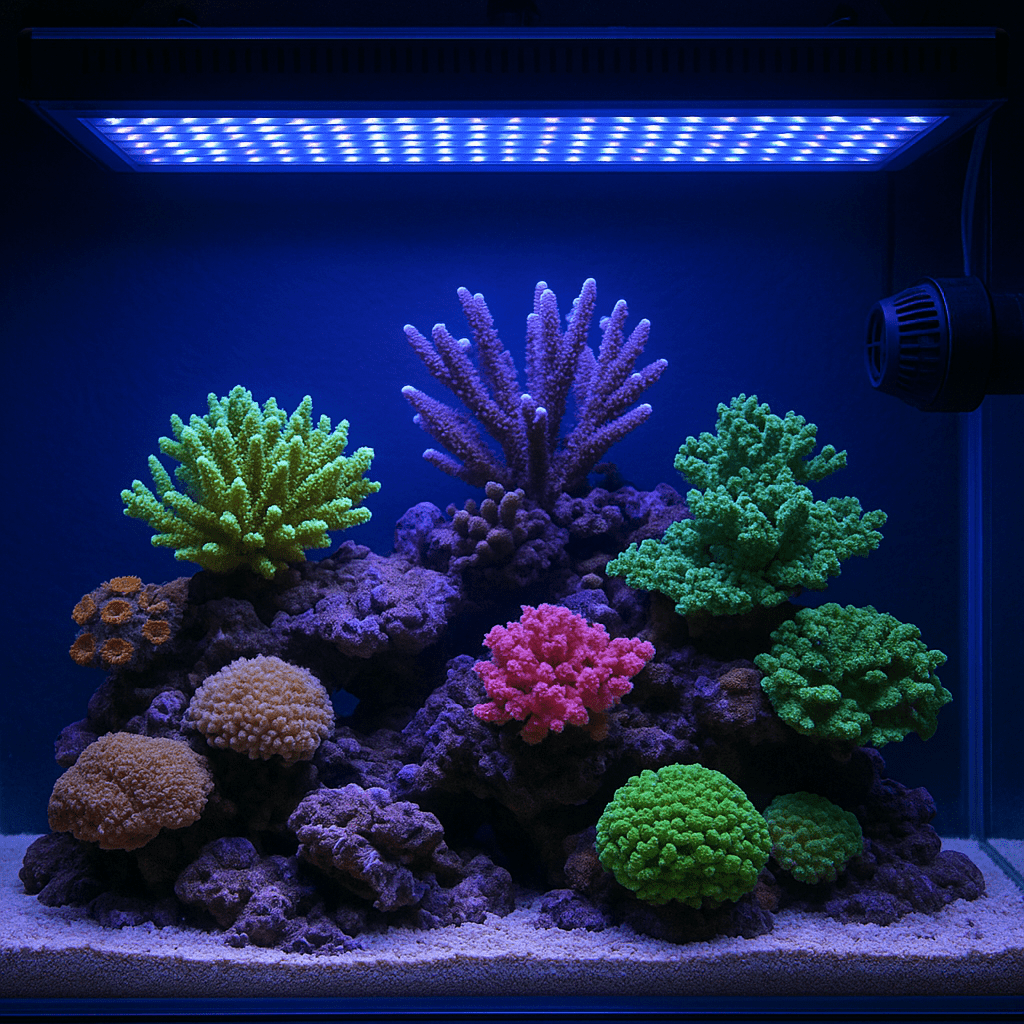
A reef aquarium equipment checklist helps you buy the right gear the first time. It also prevents common setup mistakes. Focus on reliable essentials first. Then add upgrades that improve stability, coral growth, and daily convenience.
Starting a reef tank feels exciting. It can also feel expensive and confusing. New hobbyists often ask which equipment is truly required. They also wonder what can wait until later. This guide breaks the process into clear categories. You will learn what each item does, why it matters, and how to choose it. I will also separate must-have equipment from helpful upgrades. That makes planning easier. It also helps you avoid wasting money on gear that does not fit your tank or livestock goals.
Quick Reference Equipment Checklist
| Equipment | Essential or Optional | What It Does | Best For |
|---|---|---|---|
| Aquarium and stand | Essential | Houses the system safely | All reef tanks |
| RODI unit | Essential | Produces purified source water | All reef tanks |
| Heater and thermometer | Essential | Keeps temperature stable | All reef tanks |
| Return pump | Essential for sump systems | Moves water from sump to display | Sumped tanks |
| Powerheads or wavemakers | Essential | Creates internal flow | All reef tanks |
| Lighting | Essential | Supports coral photosynthesis | Reef tanks with corals |
| Protein skimmer | Recommended | Removes dissolved organics | Medium to large reefs |
| Biological media or live rock | Essential | Supports beneficial bacteria | All reef tanks |
| Test kits | Essential | Tracks water chemistry | All reef tanks |
| Auto top off | Recommended | Replaces evaporated water | Most reef tanks |
| Doser | Optional upgrade | Adds supplements automatically | Growing coral systems |
| Controller | Optional upgrade | Monitors and automates equipment | Advanced systems |
Use this checklist as a planning tool. It covers the equipment most reef keepers need. Your exact list will depend on tank size, coral type, and budget.
Core Equipment Every Reef Tank Needs
The tank itself comes first. Choose an aquarium with enough volume for stability. Larger tanks are usually easier to manage. A secure stand matters too. Saltwater is heavy. The stand must support the full system safely. Many hobbyists also choose a sump. A sump adds water volume and hides equipment. It also gives you room for a skimmer, heater, and filter media.
You also need a heater, thermometer, and reliable water movement. Stable temperature is critical for fish and corals. Internal flow is just as important. Corals need moving water to exchange gases and shed waste. If you run a sump, you also need a return pump. For biological filtration, use quality live rock, dry rock, or bio media. Beneficial bacteria colonize these surfaces. They process toxic ammonia and nitrite. Every reef tank also needs reef-safe salt mix and purified water. Tap water often causes algae and nuisance nutrient issues.
Water Purification and Mixing Gear
An RODI unit is one of the smartest reef purchases. It removes chlorine, phosphate, nitrate, silicate, and heavy metals. Those contaminants often fuel algae. They can also stress invertebrates. Buying purified water works at first. It becomes inconvenient over time. Making your own water gives you control and consistency.
You also need a mixing container, a small pump, and a heater for saltwater preparation. Mix new saltwater at least several hours before use. Many reef keepers mix it for a full day. This helps stabilize salinity, temperature, and pH. Keep a refractometer or a calibrated digital salinity meter on hand. Swing-arm hydrometers are cheap. They are often less accurate. Salinity mistakes can stress corals quickly. A dedicated mixing station saves time. It also makes water changes much easier. If you want more guidance, see: reef tank water changes, reef tank salinity guide, and RODI filter basics.
Lighting Requirements
Lighting is essential if you plan to keep corals. Soft corals need less intensity than many SPS corals. LPS corals usually fall in the middle. Good reef lights provide strong PAR, useful spectrum, and even spread. Most hobbyists choose LED fixtures. They run cool, use less power, and offer flexible programming. T5 and hybrid systems still work very well. They often provide excellent coverage.
Do not buy lights based only on wattage. Look at tank dimensions and coral goals. A shallow nano reef needs different lighting than a deep mixed reef. Mounting height also affects spread and intensity. Too much light can bleach corals. Too little can cause browning and slow growth. Use a timer or built-in schedule. Stable photoperiods matter. Aim for a simple routine first. Many tanks do well with eight to ten hours of full lighting. Add ramp-up and ramp-down periods if your fixture allows it. For more help, read: best reef lighting for beginners.
Water Flow and Circulation
Flow is often underestimated by beginners. Corals rely on moving water for health. Good circulation brings oxygen and food. It also removes mucus and waste. Dead spots allow detritus to settle. That can raise nutrients and fuel algae. Most reef tanks need one or more powerheads or wavemakers. The exact amount depends on coral type and tank layout.
Soft coral tanks usually prefer moderate, varied flow. SPS systems need much stronger, more turbulent movement. Avoid a constant narrow blast aimed at one coral. That can damage tissue. Instead, create broad, indirect flow from different angles. Place pumps where they move water around rockwork. Watch how food particles and detritus travel. That tells you where flow is weak. Clean pumps regularly. Coralline algae and calcium buildup reduce performance over time. If your return pump provides display circulation, remember that it rarely replaces dedicated wavemakers. Internal flow still does most of the work inside a reef tank.
Filtration Equipment Checklist
Reef filtration is not just one device. It is a system of export and biological balance. Live rock and bio media handle biological filtration. Mechanical filtration removes particles before they break down. Filter socks, filter floss, and roller mats all work. They need regular cleaning or replacement. Dirty mechanical media can become a nutrient trap.
A protein skimmer is not mandatory on every tank. It is strongly recommended on many systems. Skimmers remove dissolved organic waste before it decomposes. They also improve gas exchange. That helps pH and oxygen levels. Activated carbon is useful too. It removes discoloration and many dissolved impurities. GFO or phosphate-removing media can help if phosphate rises. Refugiums are another popular option. They use macroalgae to consume nitrate and phosphate. They also support pods. Choose filtration based on your stocking level and maintenance habits. Simple systems can work very well. They just need consistency and enough export for the bioload.
Testing and Monitoring Equipment
Test kits are essential equipment, not optional accessories. You need to track ammonia, nitrite, nitrate, and salinity from day one. Once corals are added, test alkalinity, calcium, magnesium, and phosphate as needed. pH is also useful to monitor, especially in tightly sealed homes. Stable parameters matter more than chasing perfect numbers.
Choose reliable kits and learn how to use them correctly. Poor technique causes bad decisions. Keep a log of your results. Trends matter more than one isolated reading. A digital thermometer is better than guessing by touch. Many reef keepers also use battery backups, temperature alarms, and leak detectors. These tools are not flashy. They can prevent disasters. If you keep demanding stony corals, consider a doser once consumption rises. Manual dosing works early on. Automation improves consistency later. You can learn more here: reef tank parameter chart.
Step-by-Step: How to Build Your Equipment List
- Choose your tank size and decide if you want a sump.
- Pick your livestock goal. Think fish-only, soft coral, mixed reef, or SPS.
- Buy the essentials first. Start with tank, stand, heater, flow, rock, salt, and test kits.
- Select a light that matches coral needs and tank dimensions.
- Add filtration based on bioload. Skimmer, media, and refugium come next.
- Set up an RODI source and mixing station before the tank is filled.
- Plan for maintenance tools. Buckets, algae scraper, turkey baster, and siphon all help.
- Budget for backup and safety gear. Power outage planning matters.
- Cycle the tank fully before adding fish or corals.
- Add upgrades later. Auto top off, doser, and controller can wait.
This approach keeps spending focused. It also prevents buying advanced equipment before you understand your tank’s needs. Many successful reefs started simple. They improved over time.
Optional Upgrades Worth Considering
Some equipment is not required on day one. It can still make reef keeping easier. An auto top off system is one of the best upgrades. Evaporation changes salinity. An ATO replaces fresh water automatically. That keeps salinity more stable. It also saves daily effort. A doser is another useful tool once your corals begin consuming alkalinity and calcium faster.
A controller can monitor temperature, pH, and equipment status. It can also automate lights, pumps, and alerts. UV sterilizers may help with water clarity and some disease management. Reactors can run carbon, GFO, or biopellets efficiently. Battery backups protect circulation during power outages. That can save livestock. Quarantine equipment is another smart investment. A simple bare-bottom tank, heater, and sponge filter can prevent major fish disease problems. These upgrades are not glamorous. They often improve long-term success more than expensive gadgets with little practical value.
Common Problems
Buying Equipment That Is Too Small
Undersized gear is a common mistake. Small heaters fail to keep temperature stable. Weak lights limit coral choices. Undersized skimmers struggle with nutrient export. Always match equipment to total water volume and livestock goals. When in doubt, buy for the system you want in six months.
Too Much Complexity Too Early
Beginners often buy every gadget at once. That creates confusion. It also increases failure points. Start with simple, reliable equipment. Learn what each item does. Add automation after you understand your tank’s daily pattern.
Poor Maintenance on Pumps and Filters
Salt creep, calcium buildup, and clogged media reduce performance. Clean pumps, skimmers, and sensors on a schedule. Replace worn tubing and brittle impellers. Preventive maintenance is cheaper than emergency replacement.
Skipping Water Testing
Good equipment cannot fix unknown chemistry. Test regularly. Record results. Adjust slowly. Most reef problems trace back to instability, not one bad reading.
Frequently Asked Questions
What equipment do I need for a beginner reef tank?
You need a tank, stand, heater, thermometer, flow pumps, reef lighting, rock, salt mix, RODI water, and test kits. A skimmer and auto top off are strongly recommended.
Do I need a sump for a reef aquarium?
No. Many nano reefs run without one. A sump adds water volume and hides equipment. It also makes upgrades easier. It is helpful, but not mandatory.
Is a protein skimmer necessary?
Not always. Lightly stocked tanks can succeed without one. Skimmers make nutrient control easier. They are most useful on medium and large systems with heavier feeding.
Can I use tap water in a reef tank?
It is a bad idea in most cases. Tap water often contains phosphate, nitrate, silicate, and metals. RODI water is the safer choice for long-term reef success.
What is the best first upgrade after setup?
An auto top off is usually the best first upgrade. It improves salinity stability every day. That helps both fish and corals. It also reduces daily maintenance.
A solid reef aquarium equipment checklist saves money, reduces stress, and improves long-term stability. Start with dependable essentials. Match each item to your tank size and livestock goals. Then add upgrades slowly as your reef matures. Smart equipment choices make reef keeping much easier and far more enjoyable.
Was this helpful?
Related Posts
Half Black Angelfish (Centropyge Vrolikii)
Half Black Angelfish care is straightforward in mature tanks, but reef safety is never guaranteed. Learn feeding, tank…
 By
By
Kenya Tree Corals
Kenya Tree corals are hardy soft corals with easy care, moderate light needs, and fast growth. Learn placement,…
[favorite_button]
My Bookmarks:
To see full list click here
[user_favorites user_id="" include_links="true" site_id="" post_types="" include_thumbnails="true" thumbnail_size="thumbnail" include_excerpt="false"]