Stable reef aquarium water parameters are the foundation of coral health, fish vitality, and long-term tank success. Focus on consistency first, then fine-tune key values like salinity, alkalinity, calcium, magnesium, nitrate, and phosphate to keep your reef growing and colorful.
Introduction
Many reef tank problems start with water chemistry. Corals may stop growing. Algae may take over. Fish may act stressed. In most cases, unstable or poorly balanced water parameters are involved. That is why every reef keeper needs to understand the core numbers and what they actually mean.
In this guide, you will learn the most important reef aquarium water parameters, the ideal ranges for each one, and how they affect coral and fish health. You will also learn how to test, adjust, and keep them stable over time. This article is written for beginners, but it also includes practical tips that intermediate reef keepers can use right away.
Quick Reference Table
| Parameter | Recommended Range | Why It Matters |
|---|---|---|
| Salinity | 1.025 to 1.026 SG | Supports osmotic balance and coral health |
| Temperature | 76 to 78°F | Keeps metabolism stable |
| pH | 7.8 to 8.4 | Affects calcification and biology |
| Alkalinity | 8 to 9 dKH | Supports coral skeleton growth |
| Calcium | 400 to 450 ppm | Essential for stony corals and coralline algae |
| Magnesium | 1250 to 1400 ppm | Helps stabilize calcium and alkalinity |
| Nitrate | 2 to 15 ppm | Provides nutrients without excess pollution |
| Phosphate | 0.03 to 0.10 ppm | Needed in small amounts, harmful when excessive |
| Ammonia | 0 ppm | Toxic even at low levels |
| Nitrite | 0 ppm | Should remain undetectable in mature reefs |
Use this table as a starting point. Exact targets can vary by coral type and system style. A mixed reef often does best in the middle of these ranges. More important than chasing perfect numbers is avoiding rapid swings.
Why Stable Water Parameters Matter
Reef tanks are small versions of the ocean. The ocean changes slowly. Your aquarium can change in hours. That is why stability matters so much. Corals adapt well to stable conditions. They struggle when values swing up and down.
For example, a sudden alkalinity jump can burn coral tips. A fast salinity drop can stress fish and invertebrates. Large temperature swings can trigger disease and tissue loss. Even if your numbers look acceptable on paper, instability can still cause problems.
Think of reef aquarium water parameters as a connected system. Alkalinity, calcium, and magnesium work together. Nitrate and phosphate influence coral color and algae growth. pH often reflects gas exchange and overall tank health. Good reef keeping means understanding these relationships, not just reading test kits.
Water Parameters Table
| Parameter | Best Range | Too Low | Too High |
|---|---|---|---|
| Salinity | 1.025 to 1.026 | Stress, poor coral extension | Dehydration, invertebrate stress |
| Temperature | 76 to 78°F | Slow metabolism | Low oxygen, bleaching risk |
| pH | 7.8 to 8.4 | Reduced calcification | Can stress livestock |
| Alkalinity | 8 to 9 dKH | Slow growth, instability | Burnt tips, precipitation |
| Calcium | 400 to 450 ppm | Poor skeletal growth | Precipitation risk |
| Magnesium | 1250 to 1400 ppm | Hard to maintain Ca and Alk | Usually tolerated, but unnecessary |
| Nitrate | 2 to 15 ppm | Pale corals, starvation | Algae, browning, stress |
| Phosphate | 0.03 to 0.10 ppm | Pale corals, poor growth | Algae, inhibited calcification |
Salinity
Salinity is one of the most important reef aquarium water parameters. It affects every animal in the tank. Reef systems should usually stay between 1.025 and 1.026 specific gravity. This closely matches natural seawater.
Top off evaporated water with fresh RO/DI water, not saltwater. Salt does not evaporate. Only water does. If you replace evaporation with saltwater, salinity will climb over time. Use an auto top off system if possible. It helps prevent daily swings.
Measure salinity with a calibrated refractometer or a reliable digital meter. Swing-arm hydrometers are less accurate. Always calibrate with proper calibration fluid. Many reef keepers chase problems that are really caused by incorrect salinity readings.
Temperature
Most reef tanks do well at 76 to 78°F. Some systems run slightly warmer or cooler. The exact number matters less than consistency. A stable 77°F is better than a tank that swings between 75 and 80°F each day.
High temperatures reduce oxygen levels. That can stress fish and corals fast. Low temperatures slow metabolism and immune response. Use a quality heater with a controller if possible. In warm climates, a fan or chiller may be needed.
Check temperature at the same time each day. Also watch for seasonal shifts. Summer heat and winter room changes can affect tanks more than many beginners expect.
pH
pH tells you how acidic or basic the water is. Reef tanks usually run between 7.8 and 8.4. Many healthy aquariums sit around 8.0 to 8.3. Do not panic over small daily changes. pH naturally drops at night and rises during the day.
Low pH is often caused by excess carbon dioxide in the room. Open windows, improve skimmer air intake, or run outside air to the skimmer if needed. Strong gas exchange helps. Good alkalinity also supports pH stability.
Do not use pH buffers blindly. They can create alkalinity problems. If pH is slightly low but livestock looks healthy, focus on aeration and stability first.
Alkalinity, Calcium, and Magnesium
These three parameters form the backbone of coral growth. Stony corals, coralline algae, clams, and other calcifying organisms use them to build structure. In most reef tanks, alkalinity should stay around 8 to 9 dKH, calcium around 400 to 450 ppm, and magnesium around 1250 to 1400 ppm.
Alkalinity is usually the first number reef keepers monitor closely. It changes faster than calcium or magnesium. If alkalinity swings, SPS corals often react quickly. Burnt tips, reduced polyp extension, and tissue loss can follow.
Magnesium helps prevent calcium and alkalinity from precipitating too easily. If magnesium is very low, it becomes harder to hold the other two in range. Test these values regularly. Dose slowly. Never make large corrections in one day unless there is an emergency.
Nitrate and Phosphate
Old reef advice pushed nutrients as low as possible. Today, most hobbyists know that corals need some nitrate and phosphate. Ultra-low nutrients can lead to pale corals, weak growth, and instability. Excess nutrients, however, can fuel nuisance algae and dull coral color.
A practical target is 2 to 15 ppm nitrate and 0.03 to 0.10 ppm phosphate. Mixed reefs often thrive there. Soft corals and LPS usually tolerate the higher end. SPS systems often prefer the lower end, but not zero.
If nutrients are too high, reduce feeding slightly, improve export, clean detritus traps, and consider media or refugium support. If nutrients are too low, feed more, reduce aggressive filtration, or dose carefully if needed. Balance matters more than chasing zero.
Ammonia and Nitrite
Ammonia and nitrite should always be zero in a mature reef tank. If either appears, something is wrong. Common causes include an incomplete cycle, dead livestock, overfeeding, or damaged biological filtration.
Ammonia is especially dangerous. Even low levels can burn gills and stress invertebrates. If you detect ammonia, stop adding livestock, check for dead animals, and perform a water change. Add aeration and use a trusted detoxifier if needed.
For new tanks, patience is critical. Let the nitrogen cycle establish before adding sensitive animals. If you are new to this process, read our anchor text, anchor text, and anchor text for beginner-friendly setup help.
How to Test Reef Aquarium Water Parameters
Use quality test kits and a consistent routine. Test salinity and temperature often. Test alkalinity at least weekly in stocked reef tanks. Calcium and magnesium can be tested weekly or biweekly. Nitrate and phosphate should also be checked regularly, especially when fighting algae or adjusting feeding.
Always test at the same time of day when possible. Record results in a log. Trends matter more than single readings. A tank with alkalinity drifting from 8.6 to 7.4 over a week needs attention, even if both numbers seem acceptable alone.
Replace old reagents. Clean test vials. Follow instructions exactly. Bad testing habits create bad decisions. If a result looks strange, test again before making a big correction.
Step by Step: How to Keep Parameters Stable
- Start with pure RO/DI water.
- Mix saltwater to 1.025 to 1.026 salinity.
- Heat and circulate new water before use.
- Perform regular water changes on schedule.
- Top off evaporation with fresh water daily.
- Test alkalinity, calcium, magnesium, nitrate, and phosphate routinely.
- Dose only what your tank actually consumes.
- Make corrections slowly over several days.
- Clean detritus from sump, rocks, and sand.
- Review trends monthly and adjust your routine.
This simple process prevents most chemistry issues. Stability comes from routine, not from constant tweaking.
Common Problems
Why are my corals losing color?
Pale corals often point to low nutrients, unstable alkalinity, or excessive light. Check nitrate and phosphate first. Then review alkalinity trends. If numbers are stable, evaluate lighting intensity and recent changes.
Why is algae growing even with good test results?
Algae can consume nutrients before test kits detect them. Detritus buildup is another common cause. Improve flow, siphon waste, clean filters, and inspect your source water. Old bulbs and overfeeding can also contribute.
Why does alkalinity keep dropping?
Growing corals and coralline algae consume alkalinity daily. Water changes may not keep up in a mature reef. You may need two-part dosing, kalkwasser, or a calcium reactor. Test daily for a week to measure actual consumption.
Why is my pH always low?
Indoor carbon dioxide is often the reason. Increase fresh air exchange, improve surface agitation, and check skimmer performance. Also confirm alkalinity is in range before trying to raise pH directly.
Compatibility With Coral Types
Different corals prefer slightly different conditions. Soft corals usually tolerate higher nutrients and minor swings better. LPS corals like stable alkalinity and moderate nutrients. SPS corals demand the highest stability, especially for alkalinity, salinity, and temperature.
If you keep a mixed reef, aim for middle-ground values. Do not run nutrients too low for the sake of SPS if your LPS and soft corals are thriving. Match your chemistry goals to the livestock you actually keep. For coral-specific guidance, see our anchor text and anchor text.
Frequently Asked Questions
What is the most important reef aquarium water parameter?
Salinity and alkalinity are often the most critical daily concerns. Stability is even more important than hitting an exact number.
Can I keep corals with nitrate in the water?
Yes. In fact, many corals do better with some nitrate present. Zero nitrate can cause pale color and poor growth.
How often should I test my reef tank?
Test salinity and temperature often. Test alkalinity weekly or more in demanding tanks. Test calcium, magnesium, nitrate, and phosphate on a regular schedule.
Do water changes fix parameter problems?
They help, but they do not solve everything. Heavy coral consumption often requires dosing between water changes.
Should I chase perfect numbers?
No. Aim for stable, reasonable ranges that fit your livestock. Constant adjustments usually create more problems than they solve.
Final Thoughts
Understanding reef aquarium water parameters makes reef keeping much easier. You do not need to obsess over every decimal point. You do need to know the core ranges, test consistently, and avoid sudden changes. Build good habits early. Use reliable tools. Keep records. Over time, your reef will tell you what it needs.
If you master salinity, temperature, alkalinity, calcium, magnesium, nitrate, and phosphate, you will prevent most common reef tank problems before they start. That is the real goal of good water chemistry.
Was this helpful?
Related Posts
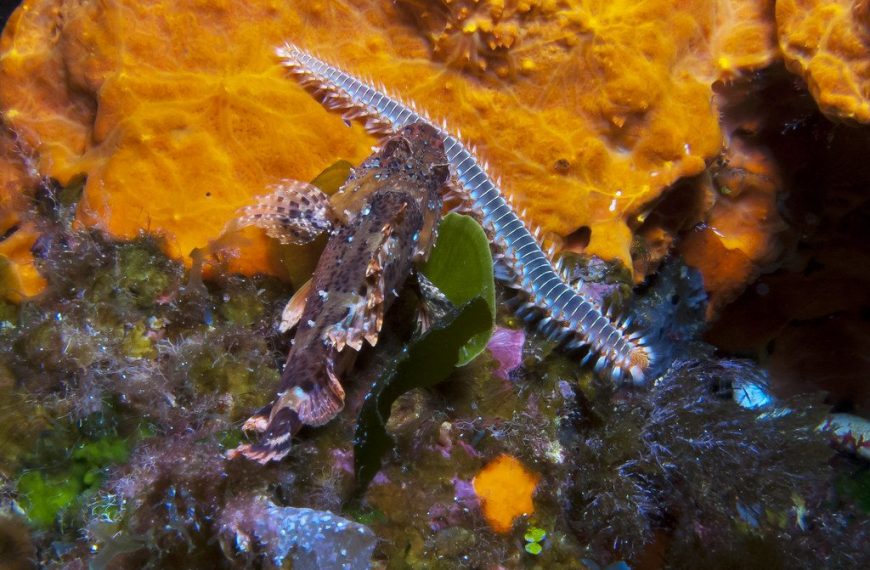
Bristleworms
Bristleworms are usually helpful reef tank scavengers. Learn how to identify them, control numbers, and spot the rare…
 By
By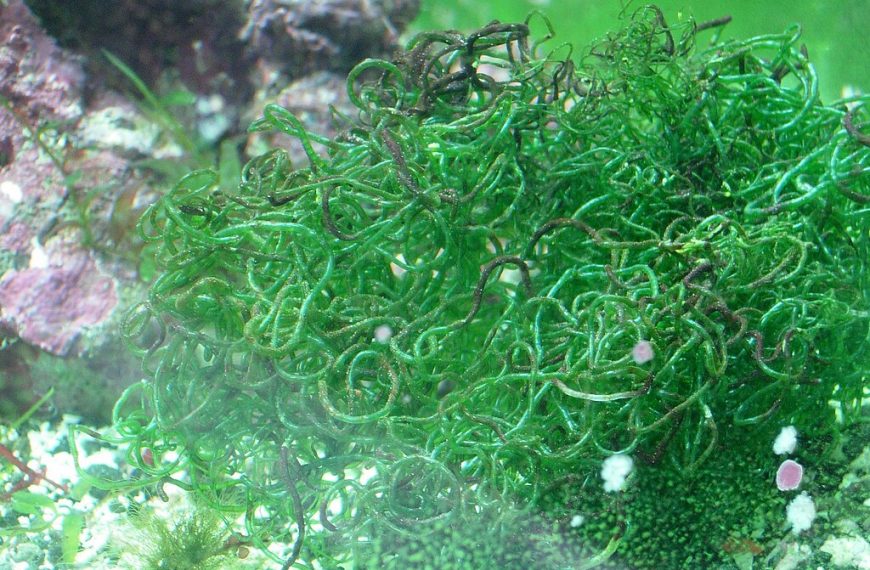
What is a Chaeto Reactor, and How Does it Help Control Nutrients?
A chaeto reactor grows macroalgae in a sealed chamber to remove nitrate and phosphate, helping reef tanks control…