

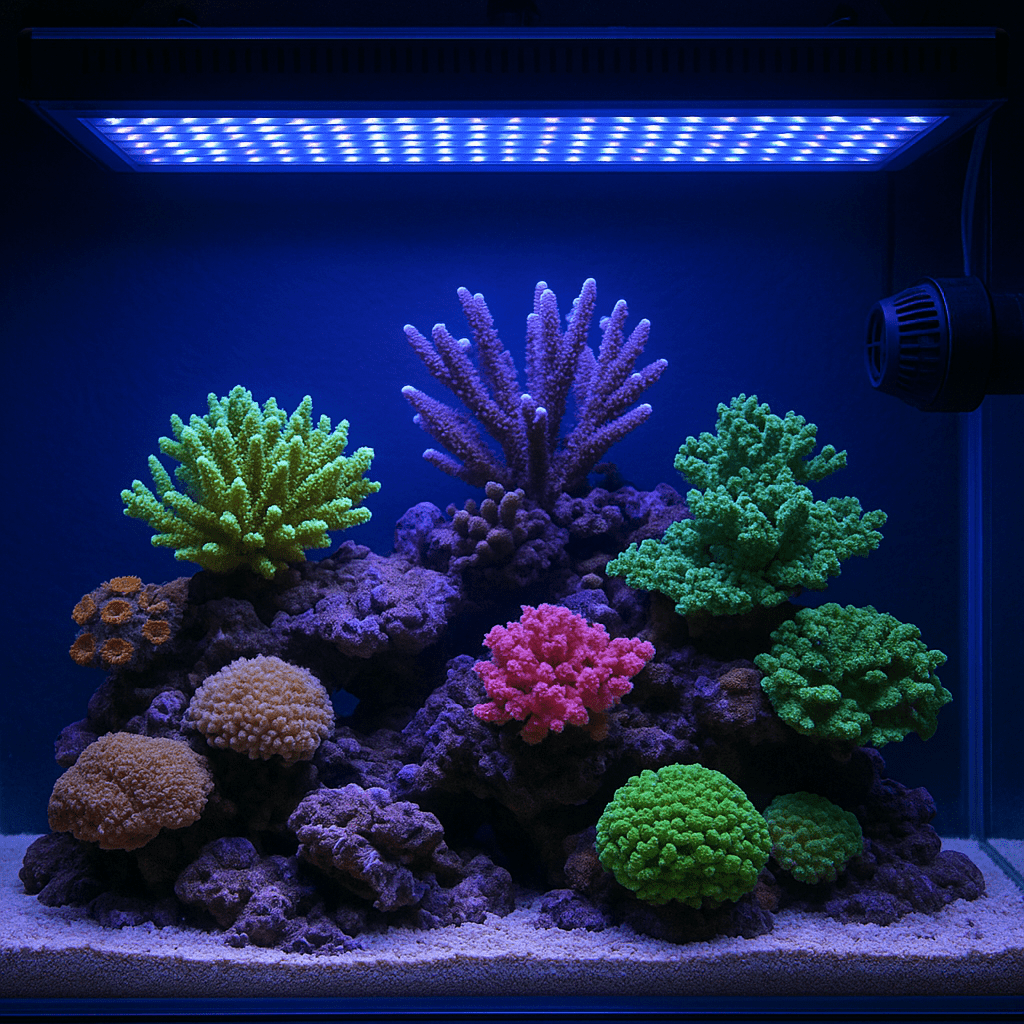
Aquascaping shapes how your reef tank looks and functions. Good rockwork improves flow, coral placement, fish behavior, and long-term stability. This guide covers practical aquascaping tips for reef tanks, from planning your layout to stacking rock safely and creating space for healthy coral growth.
Aquascaping is more than arranging pretty rocks. It is the foundation of your reef aquarium. Your layout affects water movement, detritus buildup, fish territories, and future coral growth. A smart design makes maintenance easier. It also helps your tank look natural for years.
Many beginners add rock without a plan. The result is often a wall of stone, poor flow, and little room for corals. That setup can trap waste and limit swimming space. It also makes cleaning frustrating. A better approach starts with clear goals and a simple structure.
In this article, you will learn how to plan a reef aquascape, choose rock, build stable structures, and avoid common mistakes. You will also learn how to create depth, caves, shelves, and open sand areas. These aquascaping tips work for beginner and intermediate reef keepers alike.
Quick Reference Table
| Topic | Best Practice |
|---|---|
| Rock amount | Use enough for structure, but avoid overfilling the tank |
| Open space | Leave swimming room and sand bed access |
| Flow | Design arches and gaps so water moves around all sides |
| Stability | Use epoxy, cement, or rods for secure builds |
| Coral growth | Leave space between islands and above ledges |
| Maintenance | Keep glass edges and back areas reachable |
| Fish habitat | Add caves, overhangs, and shaded retreat zones |
| Visual balance | Use uneven heights and negative space for depth |
Why Aquascaping Matters in a Reef Tank
Your aquascape controls much of your tank’s daily function. Water must move through and around the rock. Fish need hiding places. Corals need stable surfaces and room to expand. If the layout blocks flow, waste settles in dead spots. That can raise nutrients and fuel algae.
A good aquascape also reduces stress. Fish feel safer when they can retreat into caves or weave through rockwork. Territorial species use separate zones more easily. That often lowers aggression. Corals also benefit from better placement options. You can match light and flow to each species.
There is also the visual side. A reef tank should draw the eye naturally. Height changes, open areas, and interesting shapes create depth. This makes even a small aquarium feel larger. The best aquascapes look clean and effortless. In reality, they are carefully planned.
Start With a Clear Plan
Before touching any rock, decide what kind of reef you want. A mixed reef needs flexible coral placement. An SPS reef needs strong flow and elevated shelves. An LPS reef often benefits from more open sand and moderate flow zones. Your livestock list should guide the layout.
Next, measure the tank and sketch a few designs. Keep the basic shapes simple. Islands, arches, bommies, and peninsula styles all work well. Avoid building one solid wall from side to side. That old style limits flow and looks heavy. Modern reef aquascaping favors negative space.
Think ahead at least one year. Corals grow outward and upward. A layout that looks sparse today may look full later. Leave room between structures. Leave room from the glass. Leave room above shelves. Future growth should be part of your plan from day one.
Choosing the Right Rock
Most reef keepers use dry rock, live rock, or a mix of both. Dry rock is clean, easy to shape, and pest free. It is the most common choice today. Live rock adds biodiversity and beneficial organisms. It can also introduce pests. Your choice depends on your goals and risk tolerance.
Shape matters as much as type. Look for pieces with branches, shelves, holes, and natural curves. Flat, dense boulders are harder to stack attractively. Interesting rock shapes create more options with less mass. That helps you keep the layout open while still looking full.
Rinse dusty dry rock before use. If needed, cure it before adding it to the display. This helps reduce early nutrient issues. If you use live rock, inspect it closely. Watch for aiptasia, nuisance algae, predatory crabs, or mantis shrimp. A little caution saves many headaches later.
Best Aquascape Layouts for Reef Tanks
Island aquascapes are popular for a reason. They look natural and allow strong flow around the rock. They also leave open sand for LPS corals and easy cleaning. Two-island layouts work especially well in medium and large tanks. They create balance without looking too symmetrical.
Arch and bridge designs add movement and visual interest. Fish love swimming through them. They also create shaded areas for lower-light corals. Be careful with stability here. Arches must be secured well. Never rely on a risky top rock balanced on two points.
Peninsula and bonsai styles are great for modern reef tanks. These layouts use fewer rocks and more open space. They can look dramatic under strong lighting. They also make coral colonies stand out. If you prefer a clean, high-end look, these styles are worth considering.
Step-by-Step Aquascaping Guide
- Choose your reef style and livestock goals.
- Measure the tank and mark safe clearance from the glass.
- Sort rock by size, shape, and best use.
- Build outside the tank when possible.
- Start with stable base pieces on the bottom.
- Create height with large supports, not loose stacks.
- Add shelves, arches, and caves with purpose.
- Check every angle for balance and depth.
- Secure key joints with epoxy, cement, or rods.
- Test fit pumps, overflow clearance, and maintenance access.
- Leave open zones for coral growth and fish swimming.
- Once satisfied, place the structure carefully and test flow.
This process prevents rushed decisions. It also helps you spot weak points before water and livestock are involved. If a structure feels unstable when dry, it will not improve underwater. Take your time here. Aquascaping rewards patience.
Aquarium Setup and Rock Placement
Place rock on the tank bottom or on secure supports before adding sand. This prevents burrowing animals from undermining the structure later. Sand under heavy rocks can shift. That creates a collapse risk. Stable foundations are essential in any reef tank.
Keep rock away from the glass. A good rule is to leave enough room for a scraper or magnet cleaner. This makes algae removal much easier. It also improves circulation around the structure. Tight gaps often become detritus traps. Those areas are hard to clean later.
Use height carefully. Tall structures draw the eye, but they should not block all the light below. Try building one main focal point and one lower supporting zone. That creates a more natural composition. Uneven heights usually look better than two identical piles.
Designing for Water Flow
Good flow starts with open rockwork. Water should move around, under, and behind the structure. Large solid walls block circulation. They create dead spots where waste settles. Over time, those areas can become nutrient sinks. That often leads to algae and cyanobacteria.
Build channels and gaps into the aquascape. Think about where your powerheads will sit. Aim to create broad movement, not just one harsh stream. Corals need different flow levels, so variety helps. Shelves can receive stronger flow. Caves and lower pockets can stay gentler.
After the tank is running, watch how detritus moves. If waste collects in one area, adjust pumps or remove a blocking rock. Aquascaping is not fully finished on day one. Fine tuning flow is part of the process. The best layouts work with the pumps, not against them.
Lighting and Coral Placement
Your aquascape should create several light zones. Upper ledges suit many SPS corals and clams. Mid-level shelves work for many soft corals and moderate-light LPS. Lower shaded areas help mushrooms, some zoanthids, and other lower-light species. This range gives you flexibility as your reef grows.
Avoid placing all flat surfaces at the same height. That limits your coral options. Mix shelves, slopes, and vertical faces. Some corals encrust best on angled rock. Others prefer horizontal ledges. Diverse surfaces make your reef look more natural and support more species.
Remember future shading. A small frag can become a large colony. If you place fast growers above slower corals, the lower colony may suffer later. Plan coral placement with mature size in mind. Good aquascaping and good coral husbandry always overlap.
Creating Habitat for Fish and Invertebrates
Fish use rockwork as shelter, territory, and sleeping space. Wrasses, gobies, blennies, and basslets all interact with the aquascape differently. Caves and overhangs help shy fish feel secure. Open swim-throughs benefit active species. A reef tank should provide both shelter and movement.
Invertebrates also benefit from thoughtful design. Shrimp and crabs use crevices as safe zones. Snails need stable surfaces to graze. Some starfish and cucumbers prefer open sand lanes. A diverse layout supports more natural behavior. That often means healthier, less stressed animals.
Try not to make every cave face the front glass. Hidden retreats matter too. Fish need places where they can truly disappear. If all shelter is exposed, timid species may remain stressed. A balanced aquascape serves the animals first. The beauty follows naturally.
Common Aquascaping Mistakes
Using Too Much Rock
Overfilled tanks look cramped and collect waste. They also limit swimming space and coral growth. Use less rock than you think you need. Shape and placement matter more than total weight.
Building a Rock Wall
Rock walls were common years ago. They are harder to clean and often reduce flow. They can still work in some systems, but open structures usually perform better and look more modern.
Ignoring Stability
Loose stacks can collapse during maintenance or after a snail shifts a piece. Secure your key joints. Test each structure before livestock goes in. Safety matters for both animals and glass.
Forgetting Coral Growth
Many reef tanks look great at first and overcrowded months later. Leave room between colonies. Fast growers need extra space. This one change can save you many future rescapes.
Troubleshooting Aquascape Problems
Detritus Keeps Collecting Behind the Rock
This usually means poor flow or rock placed too close to the back glass. Adjust your pumps first. If the problem continues, remove or reposition a blocking piece. Even small changes can improve circulation.
Fish Are Constantly Fighting
Aquascape layout may be part of the issue. Add visual breaks and separate hiding zones. Fish often fight more in open layouts with no territorial boundaries. More structure can reduce direct line-of-sight aggression.
Corals Are Losing Color or Staying Closed
Check placement first. The coral may be getting too much light, too little flow, or both. Your aquascape should support several placement options. Move the coral gradually and watch for improvement over one to two weeks.
The Tank Looks Flat From the Front
Add depth with staggered rock placement. Pull some pieces forward and push others back. Vary height and shape. Negative space is key here. Empty areas help the structure stand out.
Frequently Asked Questions
How much rock should I use in a reef tank?
There is no perfect number by weight. Use enough rock to create stable structure and biological surface area. Avoid filling the tank just because you have extra rock. Open space is valuable.
Should rock touch the back glass?
Usually no. Leaving space behind the rock improves flow and cleaning access. It also reduces detritus buildup. Tight contact points can become problem areas later.
Is epoxy enough to hold reef rock together?
Epoxy works best for smaller joints and surface bonding. For larger builds, combine epoxy with reef-safe cement or acrylic rods. Strong structures need mechanical support.
What is negative space in aquascaping?
Negative space is the open area around and between rock structures. It creates depth, improves flow, and gives fish more room. It also makes the tank look cleaner and less crowded.
Can I change my aquascape after the tank is established?
Yes, but do it carefully. Large changes can stress fish and stir detritus. Move one section at a time if possible. Match the new layout to your flow and coral placement plan.
Final Thoughts
The best aquascaping tips are simple. Plan ahead. Use less rock. Build for flow, stability, and future coral growth. Make space for fish behavior and easy maintenance. A strong aquascape looks better over time because it works better every day.
If you are setting up a new reef, take your time with the rockwork. It is one of the hardest parts to change later. For more help, see our guides on reef tank setup, reef tank flow guide, best coral placement, and live rock vs dry rock.
Was this helpful?
Related Posts
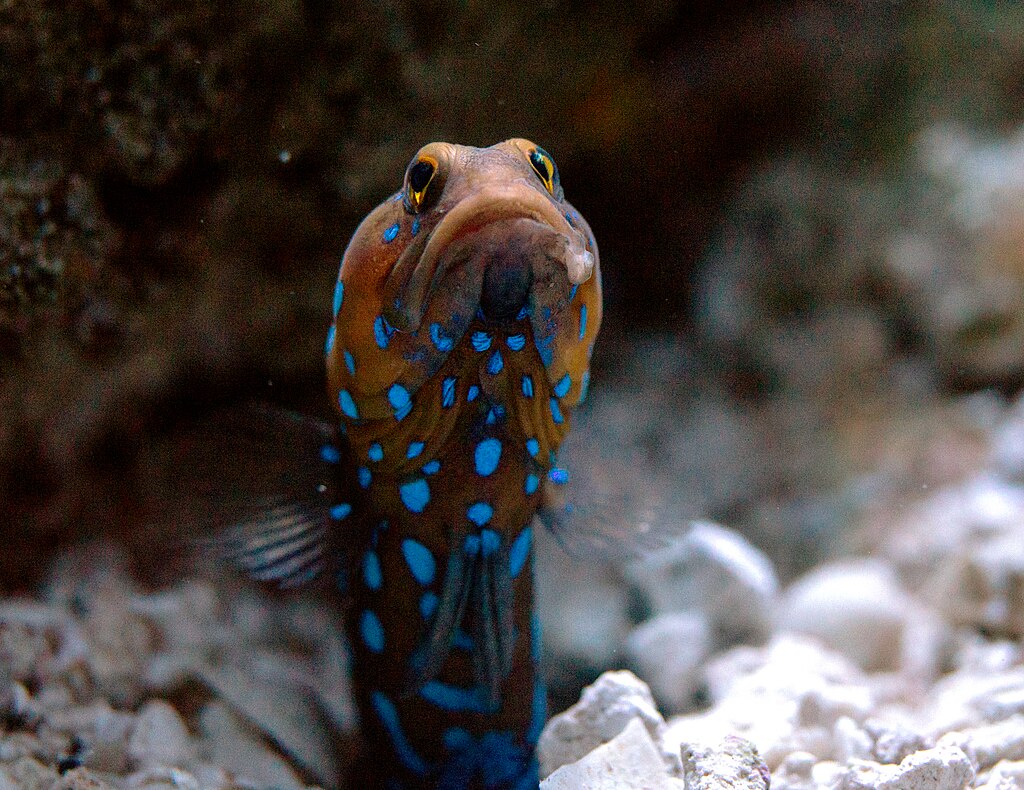
Blue Dot Jawfish (Opistognathus Rosenblatti)
Blue Dot Jawfish need cool water, deep sand, and a tight lid. Learn how to keep Opistognathus rosenblatti…
 By
By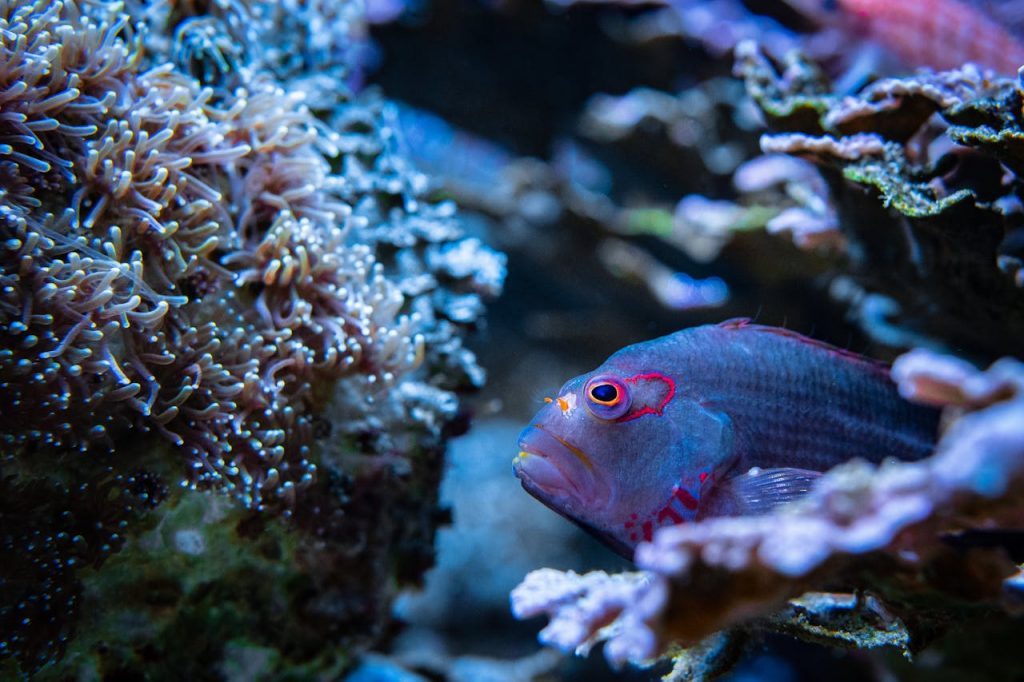
Arc Eye Hawkfish (Paracirrhites arcatus)
Arc Eye Hawkfish care is simple in a stable tank. Learn tank size, feeding, reef safety, and shrimp…
[favorite_button]
My Bookmarks:
To see full list click here
[user_favorites user_id="" include_links="true" site_id="" post_types="" include_thumbnails="true" thumbnail_size="thumbnail" include_excerpt="false"]