

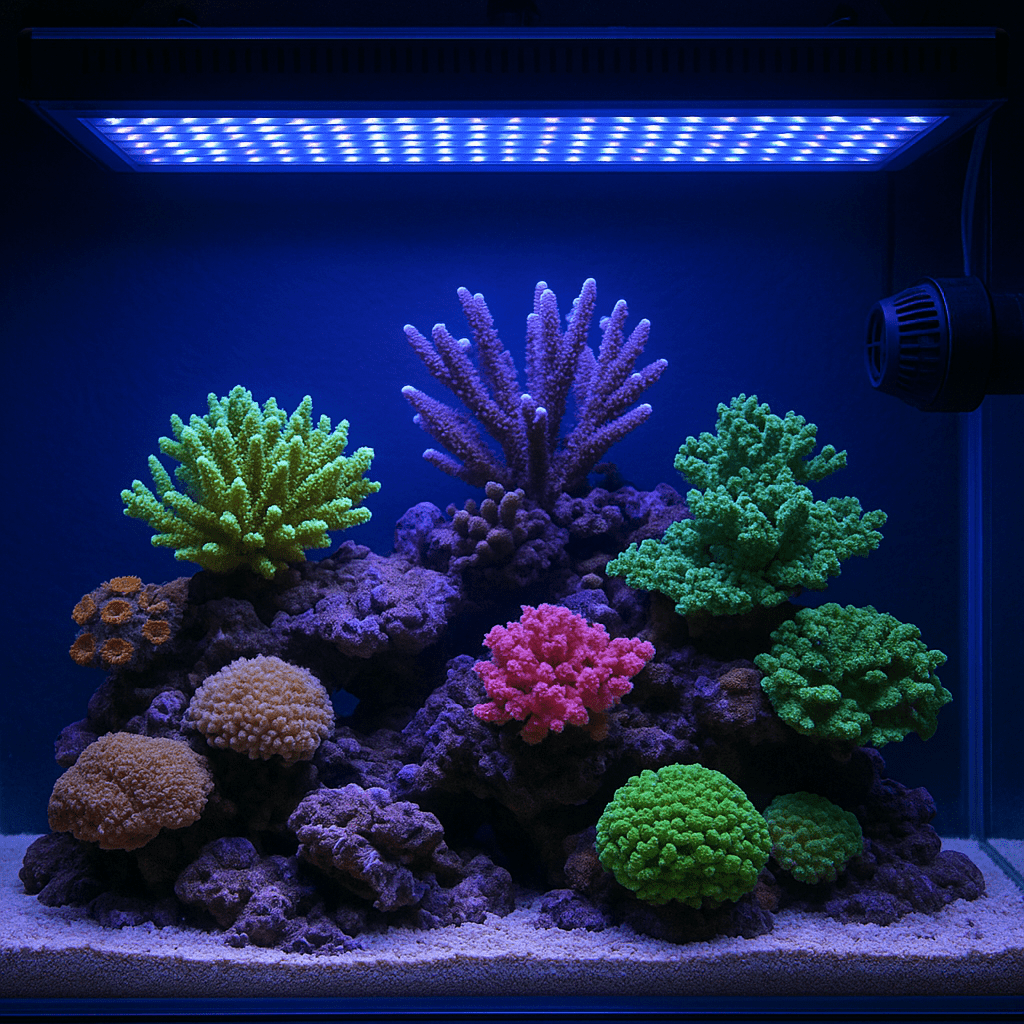
Reef fish aggression is common, but it is often manageable. Most problems start with territory, tank size, stocking order, or poor fish matching. With smart planning, stable aquascaping, and close observation, you can reduce fighting and keep a more peaceful reef.
Aggression is one of the biggest reasons reef tanks fail to stay balanced. New hobbyists often focus on water quality first. That matters a lot. But fish behavior matters just as much. A healthy fish can still decline if it is chased all day. This guide explains why reef fish become aggressive, which species cause the most trouble, and how to lower conflict in mixed reef tanks. You will also learn how tank size, rockwork, feeding, and stocking sequence affect behavior. The goal is simple. Build a reef where fish can thrive without constant stress.
Quick Reference Table
| Topic | Best Practice |
|---|---|
| Main cause of aggression | Territory, competition, and poor stocking order |
| Most aggressive common reef fish | Damselfish, dottybacks, some wrasses, some angelfish, mature clownfish, tangs |
| Best prevention method | Add peaceful fish first and aggressive fish last |
| Minimum hiding spaces | Several caves and visual breaks across the rockwork |
| Feeding strategy | Small, frequent feedings to reduce competition |
| Best response to bullying | Rearrange rockwork, use an acclimation box, or remove aggressor |
| High-risk situations | Small tanks, similar-shaped fish, crowded tanks, limited rockwork |
This table gives a fast overview. The details below will help you apply each point in a real reef aquarium.
Why Reef Fish Become Aggressive
Most reef fish are not aggressive for no reason. In nature, many defend feeding zones, nesting sites, or sleeping caves. A glass box compresses that behavior into a small space. That makes conflict more likely. Even peaceful species can become defensive when they feel trapped.
Territory is the biggest trigger. Fish often claim a cave, ledge, or side of the tank. They then chase newcomers away. Competition for food is another major cause. This is common in tanks with fast eaters and shy fish. Similar body shape also matters. Tangs often fight other tangs. Basslets may fight similar cave dwellers. Clownfish may attack fish that approach their host coral or anemone.
Stress makes all of this worse. Poor water quality, unstable salinity, and cramped tanks increase aggression. So does a lack of hiding spaces. Fish that cannot escape constant attention stay stressed. Over time, they stop eating, hide all day, or develop disease. Aggression is not just a behavior issue. It is a health issue.
Natural Habitat and What It Teaches Us
Reef fish come from busy environments, but those reefs are still huge. A damselfish may defend a patch of rock or algae in the wild. A tang may graze over a large area. A wrasse may sleep in sand or dart through branching coral. Each fish has room to avoid stronger rivals.
In aquariums, that escape space disappears. A fish that would normally retreat several feet can only move a few inches. This is why species that seem manageable at the store can become difficult at home. Juveniles are often less aggressive. Mature adults are much bolder. Breeding pairs become even more defensive.
Natural habitat also explains why aquascape matters. Fish from rubble zones need cracks and bolt holes. Open-water swimmers need lanes to move. Cave dwellers need shaded retreats. When the tank matches these needs, aggression often drops. When all fish must share the same few spaces, conflict rises fast.
Aquarium Setup for Lower Aggression
Tank size has a direct effect on behavior. Larger tanks do not remove aggression, but they spread it out. A fish in a 40-gallon tank cannot avoid a bully for long. In a 120-gallon tank, it has more escape routes. This is one reason many tangs, angelfish, and active wrasses need larger systems.
Rockwork should create zones. Build caves, arches, and overhangs. Use islands or separated bommies when possible. This breaks line of sight. Fish calm down when they cannot constantly see rivals. Avoid one flat wall of rock. It gives dominant fish a clear view of the whole tank.
Leave open swimming space too. Crowded rockwork can trap timid fish. Aim for a balance between shelter and movement. A lid is also important. Stressed fish jump. Many wrasses and dartfish are known for this. Stable parameters help as well. Fish under less environmental stress are less reactive overall. You can learn more in reef tank setup guide and reef aquascaping basics.
Which Reef Fish Are Most Aggressive?
Some fish groups are more likely to cause trouble. Damselfish are famous for this. They are hardy and colorful, but many become territorial adults. Dottybacks can also be intense, especially in smaller tanks. They often harass shy fish and similar-shaped species.
Clownfish are often underestimated. A small juvenile pair can seem peaceful. Mature pairs may defend a large area, especially if they host an anemone, hammer coral, or powerhead. Tangs can be aggressive too. This is most common between similar species, similar colors, or fish added at different times. Some wrasses are pushy, especially larger species or established males.
This does not mean these fish are always bad choices. It means they need planning. A yellow tang in a large tank may coexist well. A maroon clown pair in a nano reef may terrorize everything else. Research the adult behavior, not the store behavior. You can compare species before buying by reading best reef safe fish for beginners.
Stocking Order Matters More Than Most Hobbyists Think
One of the best ways to prevent aggression is simple. Add peaceful fish first. Add semi-aggressive fish later. Add the most aggressive fish last. This reduces the chance that one fish claims the whole tank before others arrive.
For example, gobies, firefish, and small blennies should usually go in early. Clownfish may go in the middle, depending on species. Dottybacks, larger wrasses, and tangs often do better when added later. If you add a dominant fish first, it may treat every new fish as an intruder.
Acclimation boxes help a lot here. They let new fish settle in while existing fish see them without contact. This can reduce the shock of introduction. It also lets you test reactions before release. In many cases, this one step prevents serious injury. Quarantine matters too. A weak fish fresh from shipping is more likely to be bullied. Read how to quarantine reef fish for a full process.
Feeding and Water Flow Considerations
Feeding style affects aggression more than many reef keepers realize. Hungry fish compete harder. Fast eaters often dominate timid species. Small, frequent meals work better than one large feeding. This keeps fish occupied and reduces panic at feeding time.
Offer food in more than one area. This helps slower fish eat without crossing a bully’s path. Use clips for algae grazers. Target feed shy fish if needed. Rotate foods for better nutrition. Fish in strong condition handle social pressure better. Underfed fish decline quickly.
Water flow also shapes behavior. Strong random flow can break up direct chases. It also creates zones where fish can rest or hover. But avoid blasting timid fish with constant current. They need calm pockets. Match flow to the species and coral plan. Better feeding and proper flow will not fix severe aggression alone, but they reduce daily tension and improve recovery.
Compatibility in Reef Tanks
Compatibility is not just about reef safe versus not reef safe. It is also about temperament, shape, swimming style, and territory use. A peaceful fish may still be a poor match if it occupies the same niche as an established fish. Two cave-loving basslets may clash. Two algae-grazing tangs may spar. Two clownfish pairs rarely work in smaller systems.
Corals and invertebrates can influence behavior too. Clownfish often become more defensive once they adopt a host. Shrimp may be safe with many fish, but larger hawkfish and some wrasses may harass them. Tiny gobies may be intimidated by active tankmates even if no direct attack happens.
Always think in layers. Who uses the sand bed. Who uses caves. Who patrols open water. Who sleeps in rockwork. Mixed behavior often works better than similar behavior. A watchman goby, a flasher wrasse, and a midwater chromis use space differently. That lowers direct conflict.
Step-by-Step Plan to Reduce Aggression
- Choose fish based on adult temperament, not store size.
- Confirm your tank is large enough for each species.
- Build rockwork with caves, tunnels, and line-of-sight breaks.
- Add peaceful species first and aggressive species last.
- Quarantine all fish so weak arrivals are not easy targets.
- Use an acclimation box for new additions.
- Feed small meals two to three times daily if possible.
- Watch for chasing, fin damage, hiding, or missed meals.
- Rearrange rockwork if one fish controls the entire tank.
- Remove the aggressor if bullying does not stop.
This plan works best when used early. It is much easier to prevent aggression than to reverse a long-established pattern.
Common Problems
One fish chases every new addition
This usually means the fish has claimed the tank as its territory. Common culprits include clownfish, dottybacks, damsels, and tangs. Try an acclimation box first. If the fish still attacks on release, rearrange the rockwork before trying again. In stubborn cases, remove the aggressor for a week. Then reintroduce it last.
A timid fish hides all day
Hiding can mean stress, not just shyness. Watch feeding time closely. The fish may be getting blocked or chased. Add more caves and visual barriers. Feed in multiple areas. If the fish has torn fins or rapid breathing, separate it quickly. Stress can lead to disease fast.
Two tangs keep fighting
This often happens with similar shapes or colors. Tank size matters a lot here. Add tangs together when possible. If one is established, a newcomer may struggle. Heavy feeding with algae sheets can help reduce grazing disputes. But in small tanks, separation may be the only real answer.
Clownfish became aggressive after pairing
This is very common. A bonded pair often becomes much bolder. If they host a coral or anemone, expect stronger defense. Keep their territory in one area of the tank. Avoid adding passive fish that must pass through that zone. In some tanks, choosing a less aggressive clown species is the better long-term plan.
A fish is injured from bullying
Do not wait. Move the injured fish to a safe tank or breeder box. Check for fin damage, eye injury, and infection. Maintain clean water and stable salinity. Resume feeding as soon as possible. Once healed, do not return it to the same setup without changes. The original problem will likely repeat.
Frequently Asked Questions
Is chasing always a bad sign?
No. Brief chasing can be normal. Constant chasing is not. If one fish cannot rest or eat, action is needed.
Can aggressive fish live in a reef tank?
Yes, many can. Success depends on tank size, aquascape, species choice, and stocking order. Some are manageable. Some are poor fits for community reefs.
Will adding more fish spread out aggression?
Sometimes, but it is risky. It can also increase stress and crowding. Fix the cause first rather than adding more targets.
Do mirrors help with aggression?
They can distract some fish for short periods. This is temporary. It is not a long-term solution for serious bullying.
What is the best beginner approach?
Start with peaceful species. Avoid known bullies in small tanks. Plan the full stocking list before buying the first fish.
Final Thoughts
Reef fish aggression is normal, but unmanaged aggression is not. The best results come from planning ahead. Choose compatible fish. Give them enough space. Break up sight lines. Feed well. Add fish in the right order. Most importantly, watch behavior every day. Small signs become big problems quickly in reef tanks. If you respect fish territory and natural behavior, your reef will stay calmer, healthier, and far more enjoyable to watch.
Was this helpful?
Related Posts
Rhodactis Mushrooms Care
Rhodactis mushrooms are hardy reef corals that prefer low to moderate light, gentle flow, and stable water. Learn…
 By
By
Setting Up A Reef Tank
Setting up a reef tank is easier when you focus on stability, smart equipment, and slow stocking. This…
[favorite_button]
My Bookmarks:
To see full list click here
[user_favorites user_id="" include_links="true" site_id="" post_types="" include_thumbnails="true" thumbnail_size="thumbnail" include_excerpt="false"]