

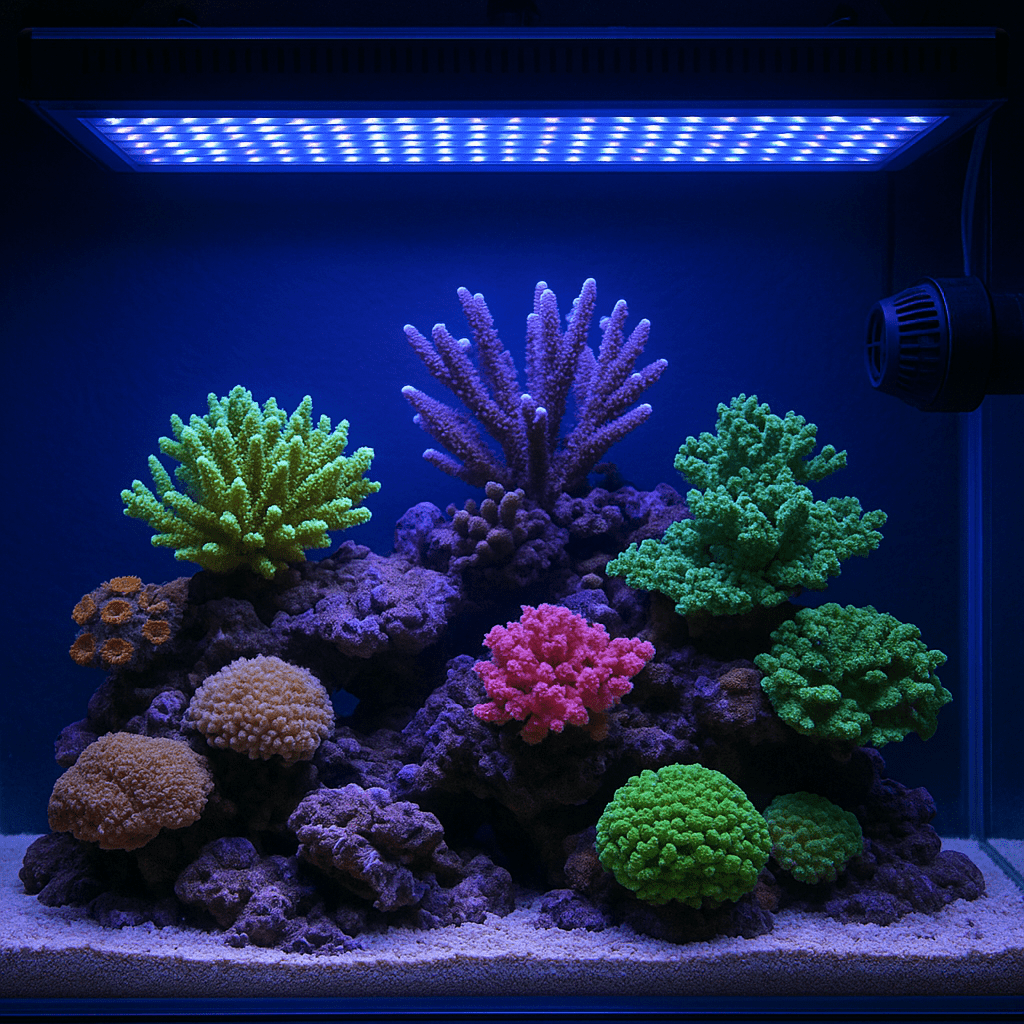
Feeding reef fish well is simple once you match food type, schedule, and portion size to each species. A balanced reef fish diet improves color, immune function, behavior, and long-term health while reducing waste and algae problems.
Many reef fish losses start with poor nutrition, not disease. Fish may look active but still eat the wrong foods. Some need constant grazing. Others need meaty foods several times daily. In this guide, you will learn how to feed common reef fish, choose the best frozen and dry foods, build a practical schedule, and avoid common mistakes that pollute the tank. We will also cover signs of malnutrition, feeding for shy fish, and how to support fish during quarantine and acclimation.
Quick Reference Feeding Table
| Fish Type | Main Diet | Feeding Frequency | Best Food Types | Special Notes |
|---|---|---|---|---|
| Tangs and rabbitfish | Herbivore | 2–3 times daily | Nori, spirulina, herbivore pellets | Needs regular algae access |
| Clownfish | Omnivore | 1–2 times daily | Pellets, mysis, brine, frozen blends | Easy feeders in most tanks |
| Wrasses | Carnivore | 2–3 times daily | Mysis, copepods, fine pellets | Small stomachs need frequent meals |
| Gobies and blennies | Omnivore | 1–2 times daily | Small frozen foods, pellets, algae foods | Some species graze all day |
| Anthias | Planktivore | 3+ times daily | Mysis, calanus, roe, micro pellets | High metabolism |
| Angelfish | Omnivore | 2 times daily | Sponge foods, mysis, pellets, algae | Many benefit from varied diets |
Use this table as a starting point. Always research each species before purchase. Fish from the same family can still have different feeding habits.
Why Diet Matters in a Reef Tank
Reef fish need more than calories. They need the right nutrients in the right form. A proper diet supports growth, tissue repair, color, breeding behavior, and disease resistance. It also reduces stress. Stressed fish often stop eating first.
In the wild, reef fish eat all day. They pick at algae, pods, worms, plankton, and biofilm. Most aquariums cannot copy that perfectly. Your goal is to provide variety and consistency. A single food rarely covers every need.
Poor feeding causes faded color, pinched bellies, weak fins, aggression, and poor immunity. Overfeeding causes another set of problems. Extra food breaks down into nitrate and phosphate. That can fuel algae and hurt coral health. Good feeding is a balance. You want strong fish without dirty water.
If you are still building a stable system, read reef tank parameters and protein skimmer guide. Nutrition works best when water quality stays stable.
Know the Main Reef Fish Diet Types
Most reef fish fit into three broad groups. Herbivores eat mostly algae and plant matter. Carnivores eat meaty foods like shrimp, worms, and crustaceans. Omnivores eat both. There is also a useful fourth group for hobbyists. Planktivores eat tiny suspended foods often and need frequent meals.
Tangs, rabbitfish, and many blennies need regular algae foods. Clownfish, many gobies, and dwarf angels are omnivores. They do best with mixed diets. Dottybacks, hawkfish, and many wrasses lean carnivorous. Anthias and chromis often need small plankton-like foods more often than larger fish.
Do not guess based on mouth size alone. A fish may eagerly eat mysis but still need algae daily. Another may eat pellets but slowly waste away without pod-rich foods. Match the diet to the species. That is the safest rule.
Best Foods for Reef Fish
The best reef fish diets use several food types. Frozen foods offer strong nutrition and good acceptance. Mysis shrimp is a staple for many species. Brine shrimp is useful, but less nutritious unless enriched. Calanus, chopped krill, fish roe, and mixed frozen blends add variety.
Pellets are convenient and often complete. High-quality marine pellets work well for daily feeding. Choose sizes that fit the fish. Small fish often reject large pellets. Flake foods can also work, especially for smaller community fish, but quality varies widely.
For herbivores, nori is essential. Use dried seaweed sheets on a clip. Spirulina flakes and herbivore pellets also help. Some angelfish need sponge-based formulas. Mandarin dragonets need live pods unless already trained to prepared foods.
Live foods have value too. Copepods, enriched brine, and blackworms can help new or picky fish start eating. Use them as tools, not the only diet. If you want to improve pod populations, see copepods in a reef tank.
How Often Should You Feed Reef Fish?
Most reef tanks do best with one to three small feedings daily. The right number depends on the fish load and species mix. Clownfish and many gobies often do fine with two feedings. Wrasses usually benefit from two or three. Anthias often need three or more small meals.
Small meals are usually better than one large meal. They improve digestion and reduce leftovers. Feed only what the fish can finish in about one to two minutes. Herbivores are the main exception. They benefit from algae sheets left available longer, though uneaten nori should be removed later.
Automatic feeders can help with pellets during workdays. They are useful for anthias, active wrasses, and busy mixed reefs. Still, frozen foods remain important for variety. A blended schedule often works best. Use pellets for consistency and frozen foods for enrichment and nutrition.
Step-by-Step Reef Fish Feeding Plan
- Identify each fish as herbivore, carnivore, omnivore, or planktivore.
- Choose two to four staple foods that match the tank’s species.
- Pick the right particle size for the smallest fish.
- Feed small portions once or twice daily at first.
- Add a third feeding for anthias, wrasses, or underweight fish.
- Offer nori daily for tangs, rabbitfish, and algae grazers.
- Rotate foods through the week to cover nutritional gaps.
- Observe every fish during feeding. Watch for shy or bullied individuals.
- Remove uneaten seaweed and reduce portions if waste remains.
- Test nitrate and phosphate weekly while adjusting the routine.
This plan keeps feeding simple. It also helps you spot problems early. Fish that stop eating often show the first warning sign of stress or disease.
Feeding by Popular Reef Fish Group
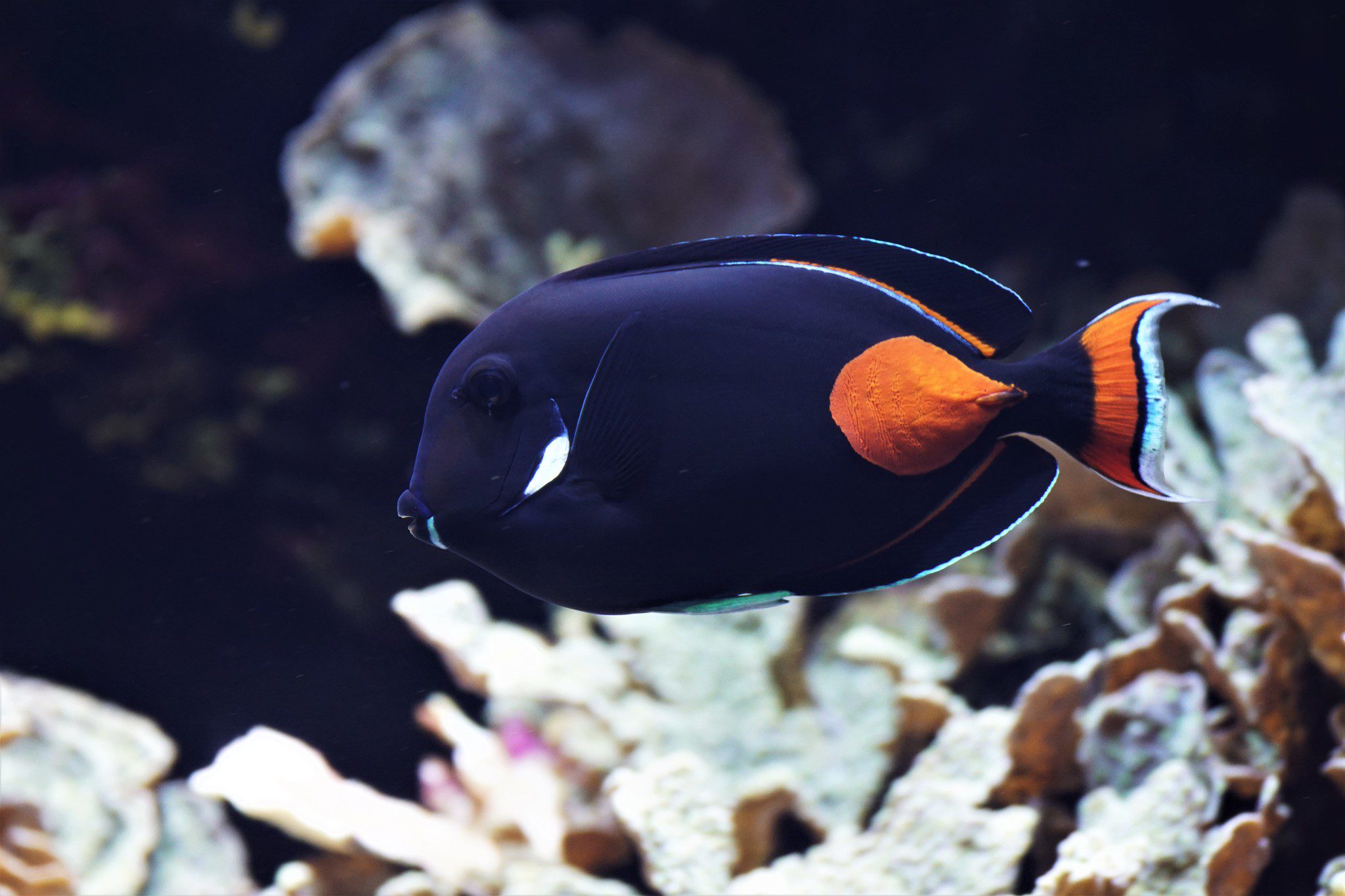
Clownfish are easy. Feed pellets, frozen mysis, and mixed frozen foods. Tangs need algae every day. Add pellets and occasional mysis for variety. Wrasses usually prefer meaty foods. Offer mysis, finely chopped seafood, roe, and small pellets.
Gobies vary. Watchman gobies eat small meaty foods. Algae blennies need plant matter and natural grazing. Dwarf angelfish do best on mixed diets with algae and sponge content. Hawkfish are strong carnivores and enjoy larger meaty items. Cardinalfish often accept frozen foods quickly, but may be shy at first.
Mandarins are special cases. Many only eat live copepods. Do not buy one unless the tank is mature or the fish already eats prepared food. Anthias are another advanced feeding challenge. They need frequent, small, nutrient-rich meals. Underfeeding anthias is common and often fatal over time.
For stocking help, visit reef fish compatibility guide. Compatible fish feed with less stress and less competition.
Feeding Reef Fish Without Polluting the Tank
Many hobbyists fear feeding heavily. The real issue is not feeding itself. The issue is export and portion control. If fish need more food, improve filtration and maintenance. Do not starve fish to keep test numbers low.
Rinse some frozen foods if they release excess juice. Turn off pumps briefly if food blows into the overflow. Target feed timid fish with a baster. Use a feeding ring for floating foods. Keep mechanical filtration clean. Empty the skimmer cup often. Siphon detritus from low-flow zones.
Watch nutrient trends, not one test result. If nitrate and phosphate rise steadily, reduce portions slightly or improve export. If fish look thin and corals pale, you may be feeding too little. Balanced reef keeping means matching input to system capacity.
Common Problems
Why is my reef fish not eating?
New fish often refuse food from stress. Poor acclimation, aggression, parasites, and wrong food size also cause this. Try dimmer lighting, smaller foods, and live or frozen options with strong scent. Check for bullying during meals. Quarantine tanks often help fish settle and recover.
Why does my fish look skinny even though it eats?
The diet may be incomplete. Herbivores often lose weight without enough algae. Planktivores may need more frequent meals. Internal parasites are another possibility. Fish that eat but stay thin deserve close observation and, if needed, treatment in quarantine.
Why is feeding causing algae outbreaks?
Overfeeding is common, but hidden waste is also common. Food trapped in rockwork breaks down fast. Reduce portion size, improve flow, clean filters, and export nutrients better. Test phosphate and nitrate. Feed smarter, not just less.
Why do aggressive fish steal all the food?
Feed in multiple spots. Use sinking foods for bottom fish. Distract bold fish with nori or pellets first. Then target feed shy fish with a baster. Rearranging feeding order often solves this issue.
Can reef fish live on pellets alone?
Some hardy species can survive on quality pellets. Few thrive long term on pellets alone. Variety is better. Mixed diets cover more nutrients and keep fish interested in food.
Frequently Asked Questions
What is the best food for reef fish?
There is no single best food. A mix of frozen foods, quality pellets, and algae foods works best for most reef tanks.
How many times a day should I feed reef fish?
Most reef fish do well with one to three small feedings daily. Anthias and some wrasses often need more frequent meals.
Should I rinse frozen fish food?
You can rinse it if it adds excess liquid and nutrients. Many hobbyists do. Others feed it directly in small amounts. Watch your nutrient levels and adjust.
Do tangs need nori every day?
Yes, daily algae access is ideal for tangs. It supports digestion, weight, and natural grazing behavior.
Can I skip feeding for a day?
Healthy adult fish usually handle an occasional missed day. Very small fish, anthias, and new arrivals should not miss meals often.
Final Tips for a Healthy Reef Fish Diet
Keep feeding simple and consistent. Choose foods that match the species you keep. Rotate staples through the week. Watch body shape, not just appetite. A fish that eats eagerly can still be underfed or fed poorly.
The best reef fish diet supports the whole tank. Fish stay active and colorful. Corals benefit from stable nutrients. Maintenance becomes easier. Start with small portions, observe closely, and refine the plan over time. That steady approach works better than chasing a perfect feeding formula.
Was this helpful?
Related Posts
Best Filtration Systems
Best Filtration Systems for a Healthy Saltwater Aquarium Choosing the best filtration system for your saltwater aquarium is…
 By
By
Clown Triggerfish (Balistoides Conspicillum)
Clown triggerfish are stunning but aggressive marine fish that need very large tanks, strong filtration, and careful tankmate…
[favorite_button]
My Bookmarks:
To see full list click here
[user_favorites user_id="" include_links="true" site_id="" post_types="" include_thumbnails="true" thumbnail_size="thumbnail" include_excerpt="false"]