

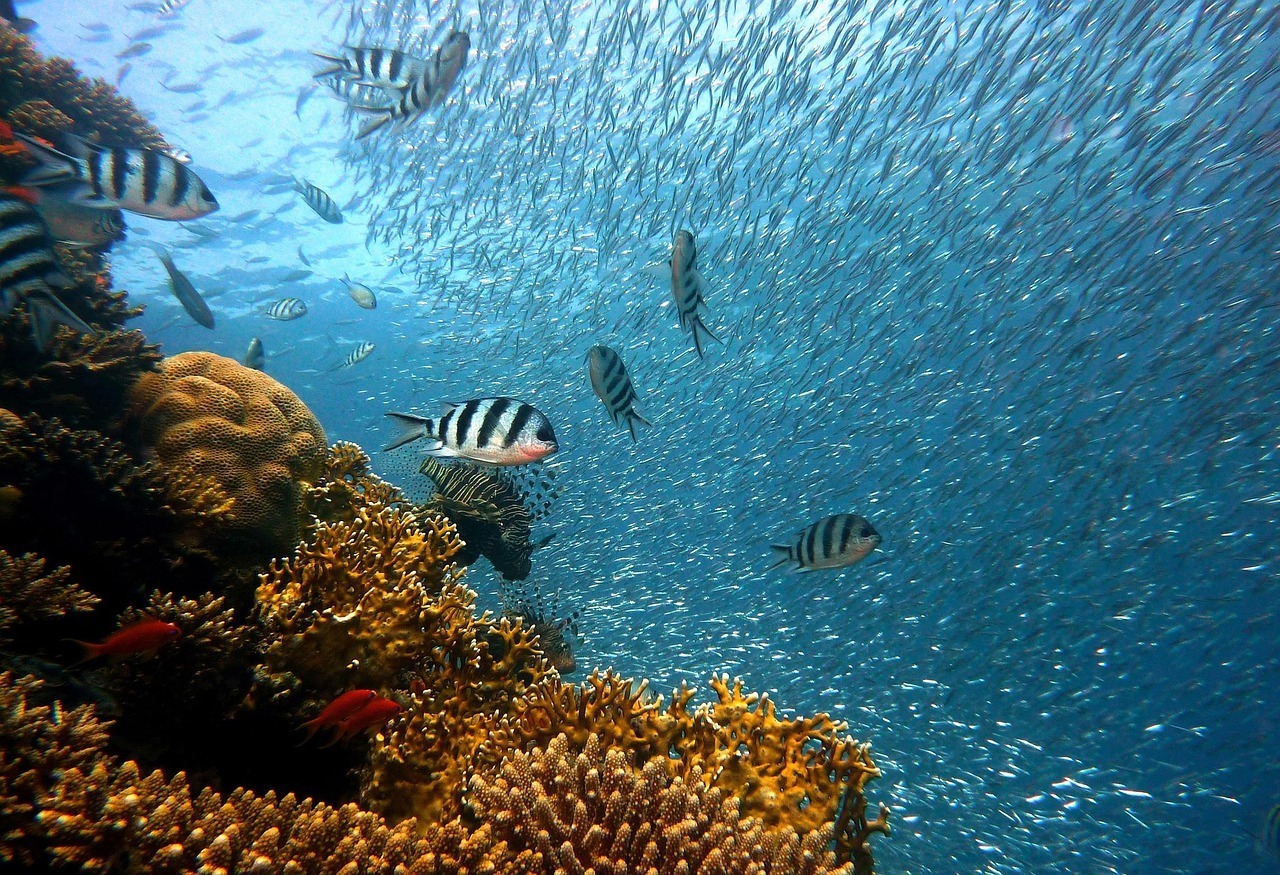
Reef fish sleeping behavior looks strange at first. Many fish wedge into rocks, hover in place, or fade in color after lights out. Most reef fish do rest every night, but they do it without eyelids, beds, or long deep sleep cycles like mammals.
Understanding normal nighttime behavior helps reef keepers avoid panic. It also helps you spot stress, bullying, poor flow, and disease early. In this guide, you will learn how reef fish sleep, where they sleep, what changes are normal, and when unusual behavior needs action.
Quick Reference: How Reef Fish Sleep
| Topic | What to Expect |
|---|---|
| Do reef fish sleep? | Yes. Most enter a resting state at night. |
| Do they close their eyes? | No. Most fish do not have eyelids. |
| Common sleeping spots | Rock crevices, sand, coral branches, caves, or open water. |
| Normal nighttime color change | Yes. Many species become pale, mottled, or duller. |
| Best time to observe | One to two hours after lights out. |
| Warning signs | Gasping, falling over, lying exposed, rapid breathing, or daytime lethargy. |
| Main causes of sleep disruption | Aggression, unstable lighting, poor oxygen, parasites, and sudden disturbances. |
Do Reef Fish Actually Sleep?
Yes, reef fish do sleep. Their sleep does not look like human sleep. Fish enter a restful state with reduced activity and awareness. They respond more slowly to movement and light. Their breathing usually becomes steadier. Their body posture also changes.
Most reef fish follow a daily light cycle. They become active during the day. Then they settle down after dusk. In aquariums, this shift happens when the main lights dim or turn off. Some fish choose the same sleeping spot every night. Others drift between a few safe places.
This behavior is tied to circadian rhythm. That is the internal clock that tells the fish when to feed, hide, and rest. Stable lighting supports this rhythm. Random light changes can disrupt it. So can tapping the glass late at night or switching room lights on suddenly.
Sleep is important for fish health. It supports recovery, immune function, and normal behavior. A fish that never rests well often becomes jumpy, thin, or more vulnerable to disease.
How Sleeping Reef Fish Behave at Night
Different species sleep in different ways. Wrasses often bury in sand or form a mucus cocoon. Tangs wedge into rockwork. Clownfish may hover near their host coral or anemone. Gobies rest on the substrate or inside burrows. Cardinalfish often hover quietly in sheltered areas.
Many fish become less colorful at night. This is normal. Their bright daytime pattern may fade. Stripes can soften. Spots may appear stronger. Some species look sick at night even when they are healthy. New hobbyists often mistake this for stress.
Body position can also look odd. A fish may tilt slightly. It may rest close to a powerhead shadow or behind a rock. Some fish hover in one place with gentle fin movement. Others lie still on sand. As long as breathing is calm and the fish looks normal by morning, this is usually fine.
A sleeping fish should still react if disturbed. The response will be slower than daytime behavior. That delay is one of the clearest signs that the fish is truly resting.
Natural Habitat and Why It Matters
On wild reefs, fish face a major shift after sunset. Daylight feeders retreat. Nocturnal hunters come out. Visibility drops. Shelter becomes critical. Crevices, coral branches, caves, and sand beds all serve as nighttime protection.
Many reef fish evolved specific sleep strategies to survive this period. Surgeonfish and angelfish often wedge tightly into rock to avoid predators. Some wrasses dive into sand within seconds. Parrotfish can produce a mucus envelope. This may help mask scent from predators and parasites.
These natural habits explain a lot of aquarium behavior. A fish that hides deeply every night is not always scared. It may simply be following instinct. A wrasse that vanishes into the sand is doing exactly what nature designed it to do.
When your tank lacks proper shelter, fish cannot rest normally. That increases stress. It also raises aggression. Good aquascaping should support daytime movement and nighttime security.
Aquarium Setup for Healthy Sleep Cycles
Reef fish sleep better in stable tanks. Start with an aquascape that includes caves, overhangs, and narrow crevices. Open rock piles with no shelter often leave fish exposed. That can cause pacing at dusk and panic after lights out.
Tank size matters too. Crowded tanks create constant competition for sleeping spots. This is common with tangs, wrasses, and dwarf angels. If several fish want the same cave, one may end up sleeping in the open. That fish often becomes the target of aggression the next day.
Use a predictable light schedule. A ramp-down period is ideal. Sudden darkness can startle fish into rockwork. LED fixtures with sunrise and sunset settings work well. If your lights switch off instantly, consider adding a short blue-light transition.
Keep nighttime disturbance low. Avoid bright room lights, loud tapping, or chasing fish after dark. If you must inspect the tank, use a dim red flashlight. Many fish react less strongly to red light. For more setup basics, see reef tank aquascaping basics and reef aquarium lighting guide.
Lighting Requirements and Sleep Timing
Lighting drives most reef fish sleep behavior. In nature, dusk arrives gradually. In aquariums, fish do best when that pattern is copied. A slow dimming period helps fish find shelter before full darkness.
Many reef keepers run strong blues late into the evening. This looks attractive, but it can extend activity beyond normal rest time. A short viewing period is fine. An all-night blue glow is not ideal for most systems. Fish need a real dark phase to rest well.
Moonlights should stay dim. They should not light the whole tank like daytime. Bright night lighting can confuse fish and alter feeding and hiding behavior. This is especially true for shy species and newly added fish.
Consistency is more important than perfection. Keep the same photoperiod each day. Sudden schedule changes can cause stress. If you travel, use timers or app control. Stable light timing supports better feeding, calmer behavior, and more reliable sleep.
Water Flow, Oxygen, and Nighttime Rest
Water flow affects sleep more than many hobbyists realize. Fish need calm enough areas to rest, but they also need strong gas exchange at night. Oxygen often drops after lights out because photosynthesis slows while animals and bacteria keep respiring.
If a fish struggles to sleep near the surface, low oxygen may be the issue. Rapid breathing is another clue. So is unusual clustering near returns or wavemakers. These signs are not normal sleep behavior. They point to a tank problem.
Create varied flow zones. Let some areas stay gentler behind rock structures. Keep surface agitation strong. Aim powerheads so detritus does not settle heavily in sleeping areas. Dirty low-flow pockets can irritate fish and reduce water quality.
At night, avoid turning off all pumps unless required for feeding. Constant circulation supports oxygen and pH stability. If your tank runs warm or heavily stocked, nighttime aeration becomes even more important. Read more in reef tank water flow guide.
Feeding and Its Effect on Sleep
Feeding schedule influences rest. Fish that are underfed often stay active longer. They continue searching for food near dusk. Fish that receive heavy meals right before lights out may also behave oddly. Some become sluggish in exposed areas. Others produce excess waste overnight.
Most reef fish do best with daytime feeding. Offer appropriate foods one to three times daily, based on species. Herbivores like tangs need frequent grazing support. Planktivores do better with smaller repeated feedings. Predatory species may need fewer but richer meals.
Feed early enough that fish can settle before dark. This helps reduce frantic last-minute chasing. It also lets timid fish grab food before dominant tankmates claim sleeping zones.
Good nutrition supports stronger immune function and calmer behavior. A fish that rests well usually eats well too. If your fish stop feeding and also hide excessively, think beyond sleep. Disease, bullying, or poor water quality may be involved. For nutrition help, visit best foods for reef fish.
Compatibility and Nighttime Aggression
Compatibility issues often appear at bedtime. During the day, fish can avoid each other in open water. At night, they compete for limited shelter. This is common in tanks with too little rockwork or too many fish with similar habits.
Tangs may claim caves. Dottybacks may guard crevices. Some wrasses dive into the same sand corner each night. If another fish enters that space, chasing can start right before lights out. The weaker fish may then sleep in the open and decline over time.
Watch the tank during the final hour of light. That is when territory disputes often show up. Rearranging rockwork can help. Adding more hiding places also helps. In severe cases, one fish may need removal.
Invertebrates can matter too. Large crabs, aggressive shrimp, or predatory worms may disturb resting fish. Most reef-safe cleaners are not a problem, but always observe nighttime interactions. If a fish only acts stressed after dark, inspect the tank after lights out.
Common Problems
Why is my reef fish lying on the sand at night?
This can be normal for some species. Gobies, dragonets, and certain wrasses rest on or in sand. Check species behavior first. If the fish breathes normally and acts fine by day, it is likely resting. If breathing is fast or the fish cannot stay upright, test oxygen, ammonia, and temperature immediately.
Why does my fish change color when sleeping?
Nighttime color change is common. Pigment cells shift as the fish rests. This can create pale patches, bars, or mottled patterns. It often reverses within minutes of lights coming on. If color loss remains during the day, then look for stress, parasites, or poor nutrition.
Why is my fish hiding all day after sleeping?
That is not typical healthy sleep behavior. Likely causes include bullying, disease, poor acclimation, or unstable water quality. Check for fin damage, spots, flashing, and heavy breathing. Review recent changes in salinity, temperature, and lighting. Quarantine may be needed if illness is suspected.
Why does my fish panic when the lights turn off?
Sudden darkness can trigger a startle response. Add a ramp-down period or dim blue transition. Make sure the fish has clear shelter options. New fish often panic more than established fish. This usually improves once they learn the tank layout.
Can parasites affect sleep?
Yes. External parasites can make fish restless at night. Marine ich, velvet, and flukes often cause flashing, rapid breathing, and repeated repositioning. If nighttime rest looks frantic rather than calm, inspect the fish closely and prepare a treatment plan. You may also find marine ich signs and treatment useful.
Step-by-Step: How to Tell Normal Sleep From a Problem
First, observe the fish one hour after lights out. Use dim red light only. Second, note body position and breathing. Calm breathing and a stable resting posture are good signs. Third, check location. Hidden or sheltered spots are usually normal.
Fourth, compare morning behavior. Healthy fish should resume normal swimming and feeding soon after lights on. Fifth, inspect water quality if anything looks off. Test temperature, salinity, ammonia, pH, and oxygen-related circulation. Sixth, watch for aggression near dusk. That often reveals the real problem.
Finally, review species-specific habits. A sand-sleeping wrasse and a cave-sleeping tang should not be judged the same way. The more you know the species, the easier it becomes to separate normal behavior from trouble.
Frequently Asked Questions
Do reef fish sleep every night?
Yes. Most reef fish follow a daily rest cycle tied to light. The exact pattern varies by species.
Can reef fish sleep with the lights on?
They may rest lightly, but they still need a dark period. Constant light can increase stress over time.
Why do fish sleep in the same spot?
They choose places that feel secure. Repeating the same spot reduces risk and follows instinct.
Is it normal for clownfish to hover while sleeping?
Yes. Clownfish often hover near a host coral, anemone, or favored corner while resting.
Should I feed fish right before lights out?
Usually no. Feed earlier so fish can settle calmly and digestion does not overload the tank overnight.
Reef fish sleeping behavior becomes much less mysterious once you know what to watch for. Calm hiding, color changes, and slower reactions are often normal. Rapid breathing, panic, and daytime decline are not. Build a stable tank, provide secure shelter, and keep a consistent light cycle. Your fish will rest better, and your reef will run more smoothly.
Was this helpful?
Related Posts
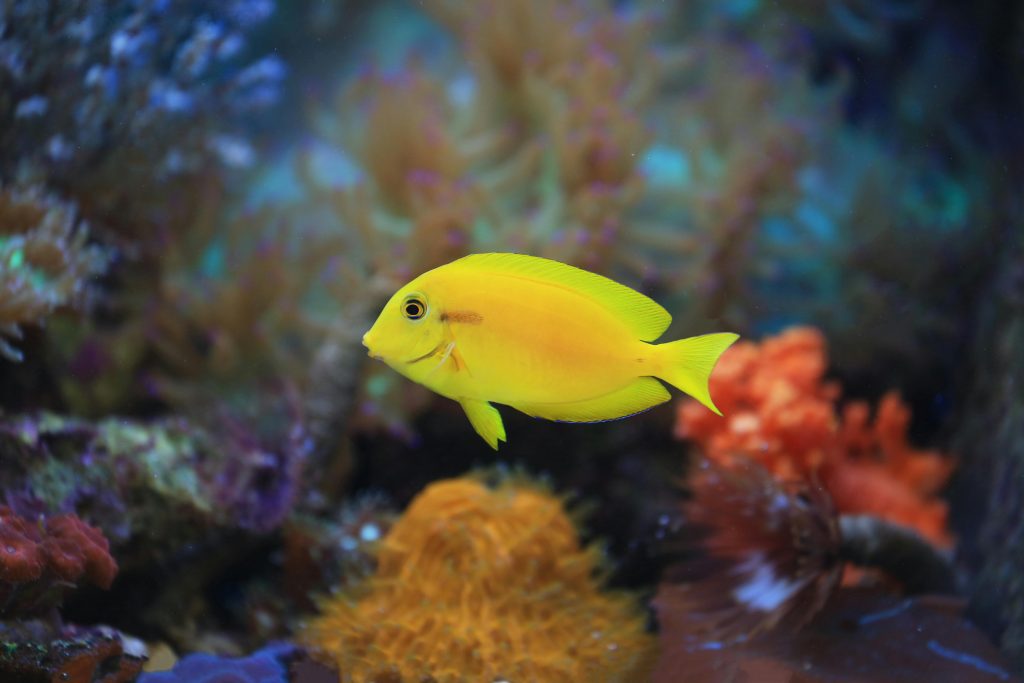
Juvenile Orange Shoulder (acanthurus Olivaceus)
Juvenile orange shoulder tangs are bright, hardy, and reef safe, but they grow large and need a spacious…
 By
By
Best Filtration Systems
Best Filtration Systems for a Healthy Saltwater Aquarium Choosing the best filtration system for your saltwater aquarium is…
[favorite_button]
My Bookmarks:
To see full list click here
[user_favorites user_id="" include_links="true" site_id="" post_types="" include_thumbnails="true" thumbnail_size="thumbnail" include_excerpt="false"]