

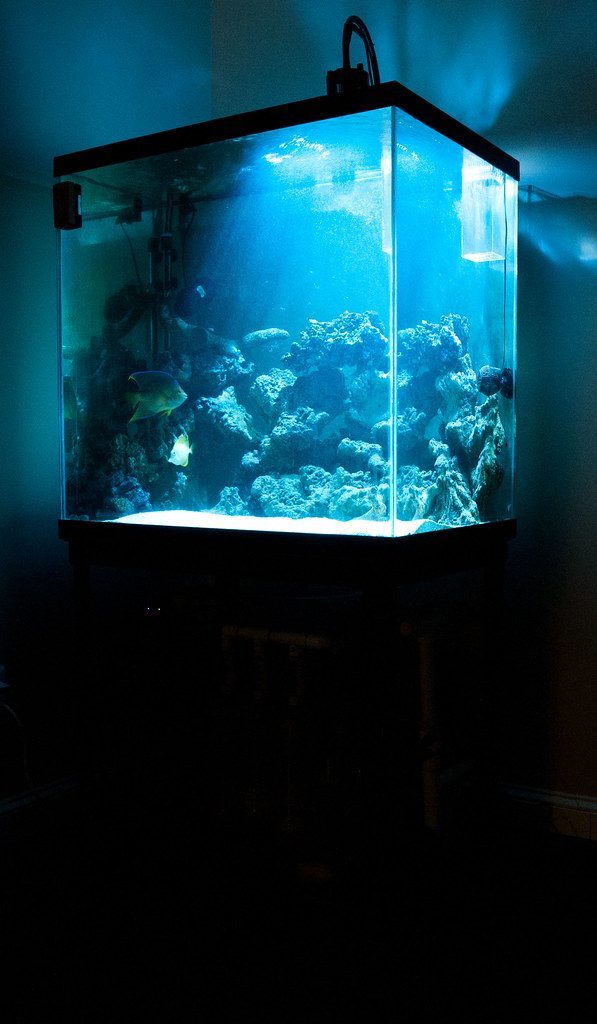
Soft corals usually need moderate reef lighting, not extreme intensity. Most thrive under stable PAR, broad spectrum output, and a long, consistent photoperiod. The goal is steady growth, good polyp extension, and rich color without bleaching or shrinking.
Many reef keepers assume all corals need very bright light. Soft corals often prove the opposite. Mushrooms, zoanthids, leathers, cloves, and toadstools can flourish under gentler lighting than many SPS corals. That makes them ideal for beginners and mixed reefs. Still, soft corals are not no-light animals. They need the right balance of intensity, spectrum, placement, and acclimation. In this guide, you will learn how to choose reef lighting for soft corals, what PAR ranges work best, how long to run your lights, and how to fix common lighting problems before they harm your reef.
Quick Reference Table
| Category | Recommended Range | Notes |
|---|---|---|
| PAR for most soft corals | 50–150 | Best range for many leathers, zoas, and mushrooms |
| Low-light soft corals | 30–80 | Good for many mushrooms and shaded placements |
| Moderate-light soft corals | 80–150 | Common target for toadstools, Kenya tree, and Xenia |
| Photoperiod | 8–10 hours peak | Keep the schedule consistent every day |
| Spectrum | Blue-heavy reef spectrum | Supports fluorescence and photosynthesis |
| Acclimation period | 2–4 weeks | Increase intensity slowly after changes |
| Best beginner light types | LED, T5, hybrid | LED is most common and efficient |
Use this table as a starting point. Always adjust based on coral response, tank depth, and aquascape shadows.
Why Lighting Matters for Soft Corals
Soft corals contain symbiotic algae called zooxanthellae. These algae use light to produce energy. The coral then uses part of that energy for growth and daily function. If lighting is too weak, the coral may stretch, fade, or stop growing. If lighting is too strong, tissue can bleach, shrink, or stay closed.
Soft corals are generally more forgiving than SPS corals. That is one reason they are so popular. Even so, they still need stable conditions. Sudden jumps in intensity are a common mistake. Many hobbyists upgrade lights, raise output, or move corals too quickly. The result is stress that looks like a water chemistry issue.
Good soft coral lighting is not about chasing the brightest possible tank. It is about matching the coral’s needs. A healthy soft coral should show normal extension, steady growth, and natural color. Those signs matter more than a number on a fixture app.
Natural Habitat and What It Tells Us
Soft corals live across many reef zones. Some grow in bright, shallow water. Others live in turbid lagoons, under ledges, or in deeper areas with filtered light. This wide range explains why different soft corals tolerate different PAR levels.
Toadstool leathers and many Sinularia species often come from areas with moderate light and steady flow. Mushrooms often settle in lower light zones or shaded rockwork. Zoanthids can adapt to many conditions, but some morphs prefer gentler light than others. Xenia and Kenya tree usually do well in moderate light and can adapt fast when conditions stay stable.
The key lesson is simple. Soft corals are adaptable, but each type has limits. In captivity, try to recreate the light environment that matches the species. If you cannot identify a coral exactly, begin with moderate PAR and watch its response. That is safer than blasting it with high output lighting.
Best PAR Range for Soft Corals
For most soft corals, a PAR range of 50 to 150 works very well. This covers the majority of common reef tank species. Lower-light corals, like many mushrooms, can thrive around 30 to 80 PAR. Moderate-light soft corals, like toadstools, Xenia, and many zoanthids, often prefer 80 to 150 PAR.
Going above 150 PAR is sometimes fine, but it should not be your default target. Some zoanthids and leathers can adapt to brighter zones. Others will lose color or stay retracted. Soft corals usually do not need the 200 to 350 PAR range often used for SPS corals.
A PAR meter gives the best answer. If you do not own one, borrow or rent one if possible. Manufacturer percentages alone can mislead you. Mounting height, water depth, rock layout, and lens spread all affect actual PAR. In many tanks, the top rock gets far more light than the sand bed. Measure first if you can. Guess less.
Choosing the Right Light Fixture
LED lighting is the most common choice for soft coral tanks today. It runs cool, uses less power, and offers easy control. A good reef LED can grow soft corals very well. Look for even spread, a blue-heavy spectrum, and smooth dimming. Avoid fixtures with harsh spotlighting over a wide tank.
T5 lighting is still excellent for soft corals. It gives broad, even coverage and reduces shadowing. That can help in tanks full of branching rock or mixed coral placement. The tradeoff is bulb replacement and less control. Hybrid systems combine LED shimmer with T5 coverage. They are excellent for mixed reefs.
For beginners, consistency matters more than brand hype. Pick a fixture that fits your tank dimensions. Make sure it can cover the full footprint. One strong light in the center can leave dim corners. Soft corals often tolerate this, but uneven lighting can complicate placement. If you want help choosing equipment, see our guides on reef tank lighting basics, reef tank setup guide, and beginner coral selection.
Spectrum and Color Settings
Soft corals usually respond best to a blue-heavy reef spectrum. Blue and violet wavelengths support photosynthesis and bring out fluorescence. Most reef keepers run stronger blue channels than white channels. This also gives the tank the classic reef look many hobbyists enjoy.
You do not need an overly white tank for healthy growth. In fact, many modern reef programs keep whites moderate or low. A balanced spectrum still matters, though. Corals benefit from broad output, not only deep blue. Most quality reef fixtures already handle this well with preset schedules.
If you are setting a light manually, keep blue and violet as the dominant channels. Use white sparingly. Red and green should stay low unless your fixture’s preset says otherwise. Extreme settings can fuel nuisance algae or make the tank look unnatural. Stability matters more than constant tweaking. Set a sensible program and give the corals time to adapt before making more changes.
Photoperiod: How Long Should You Run the Lights?
A daily peak photoperiod of 8 to 10 hours works well for most soft coral tanks. Many reef keepers also use a ramp-up and ramp-down period. That creates a total lighting window of 10 to 12 hours. The peak period is what matters most for coral energy.
Running lights too long can stress corals and encourage algae. More light hours do not always mean more growth. Corals need a dark period too. Keep the schedule the same every day. Constant changes can reduce polyp extension and make coral behavior harder to read.
A simple schedule works well. Ramp up for one to two hours. Hold peak intensity for eight to nine hours. Then ramp down for one to two hours. Avoid bright moonlight all night. Very dim lunar simulation is fine, but darkness is healthier than constant glow. If algae is becoming a problem, reduce the photoperiod before making major spectrum changes.
Aquarium Setup and Coral Placement
Tank depth changes how much light reaches your corals. A shallow nano reef may deliver moderate PAR even at low fixture output. A deeper tank may need more power or better spread. Always think about actual coral placement, not just fixture strength.
Place low-light soft corals near the bottom or in shaded zones. Mushrooms often do best there. Put moderate-light soft corals in the middle of the rockwork first. Toadstools, Kenya tree, and many zoanthids usually adapt well in these areas. Watch for signs of stretching or bleaching. Then move them slowly if needed.
Aquascaping also affects lighting. Overhangs, arches, and dense rock towers create shadows. That can be useful for low-light species. It can also create dead zones if the tank is poorly planned. Pair your lighting with good flow and smart coral spacing. If you are building a new reef, our articles on aquascaping for reef tanks and coral placement tips can help you avoid common mistakes.
Step-by-Step: How to Acclimate Soft Corals to New Lighting
Light acclimation prevents shock. This is especially important after adding a new coral, upgrading fixtures, or changing intensity.
- Start the coral lower in the tank than its final position.
- Reduce light intensity by 20 to 40 percent if possible.
- Use your fixture’s acclimation mode if it has one.
- Hold this lower setting for several days.
- Increase intensity slowly over two to four weeks.
- Move the coral upward only if it shows healthy extension.
- Pause changes if the coral shrinks, pales, or stays closed.
Some corals react within a day. Others take a week to show stress. Go slow. Fast changes cause more problems than slightly low light. If a coral came from dim holding tanks at a store, even moderate home lighting can be a shock. Acclimation is one of the easiest ways to avoid losses.
Water Flow and Lighting Work Together
Lighting is only part of the equation. Soft corals also need suitable flow. In many cases, moderate indirect flow helps them use light more effectively. It removes waste, delivers oxygen, and keeps detritus from settling on tissue.
Low flow can make a well-lit coral look unhealthy. The coral may collect film, stay closed, or develop bacterial issues. Excessive direct flow can do the opposite. It can keep polyps withdrawn and make the coral appear stressed, even when lighting is fine.
Try to create random, indirect movement. Leather corals often enjoy moderate flow. Mushrooms prefer gentler zones. Zoanthids usually like enough movement to keep debris off the colony. When troubleshooting a lighting issue, always check flow too. The problem may not be the fixture at all.
Common Problems
Soft corals are stretching upward
This usually suggests low light. The coral is trying to reach stronger illumination. Increase PAR slowly or move the coral higher. Also check if nearby rockwork is blocking spread from your light.
Corals look pale or bleached
This often points to too much light or a sudden increase in intensity. Lower the coral, reduce peak output, and shorten the photoperiod slightly. Review any recent changes. Bleaching often follows fast adjustments.
Polyps stay closed after a lighting change
The coral may be stressed by intensity, spectrum, or flow changes. Return to the previous setting if possible. Then make smaller adjustments. Also inspect for pests, detritus, and unstable alkalinity.
Too much algae under stronger lights
Long photoperiods and excess nutrients often combine with bright lighting. Reduce the light window first. Then check nitrate, phosphate, and feeding. Lighting reveals nutrient issues. It does not always create them.
Leather corals shed and stop opening
Leathers often shed a waxy film naturally. Moderate flow helps remove it. If the coral stays closed too long, review lighting, flow, and water quality together. Shedding is normal. Prolonged decline is not.
Frequently Asked Questions
Do soft corals need blue light?
Yes. Blue light is important for photosynthesis and coral fluorescence. Most soft corals do best under a blue-heavy reef spectrum.
Can soft corals get too much light?
Yes. Too much light can cause bleaching, shrinking, and poor extension. Soft corals often prefer lower PAR than SPS corals.
Is LED lighting enough for soft corals?
Absolutely. A quality reef LED with good spread and stable settings can grow soft corals very well.
What is the best PAR for zoanthids and mushrooms?
Many mushrooms prefer 30 to 80 PAR. Many zoanthids do well around 50 to 150 PAR. Exact needs vary by morph.
How do I know if my soft corals are happy?
Look for steady polyp extension, normal inflation, consistent color, and gradual growth. Healthy behavior over time matters most.
Final Thoughts
Reef lighting for soft corals is simpler than many hobbyists expect. Most species thrive under moderate PAR, a blue-heavy spectrum, and a stable daily schedule. They do not need extreme intensity. They need consistency, proper placement, and slow acclimation.
If you are building a beginner reef, soft corals are a smart place to start. They are colorful, forgiving, and rewarding to grow. Focus on stable water chemistry, moderate flow, and measured lighting changes. When in doubt, use less light and more patience. Your corals will usually tell you what they need.
Was this helpful?
Related Posts
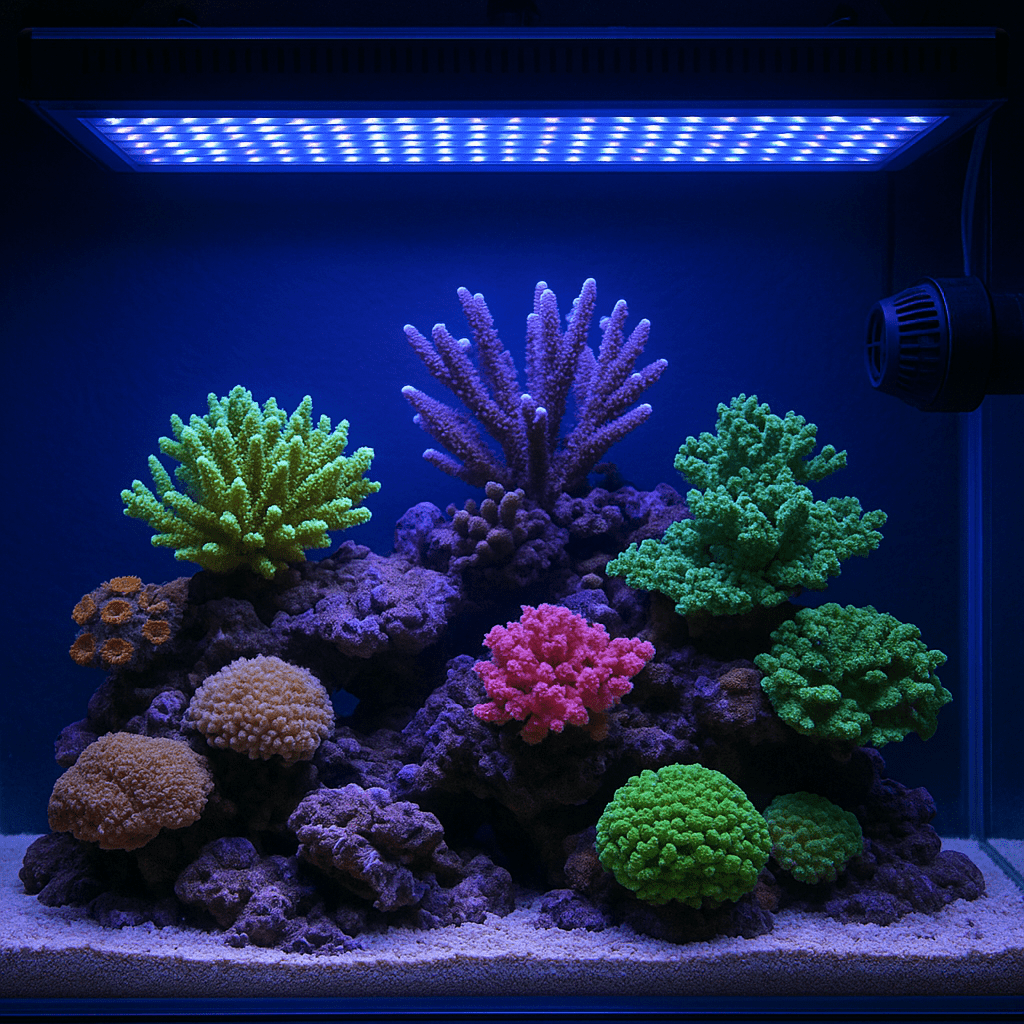
Reef Tank Basics
Learn reef tank basics, from setup and cycling to lighting, flow, and water chemistry, so your first reef…
 By
By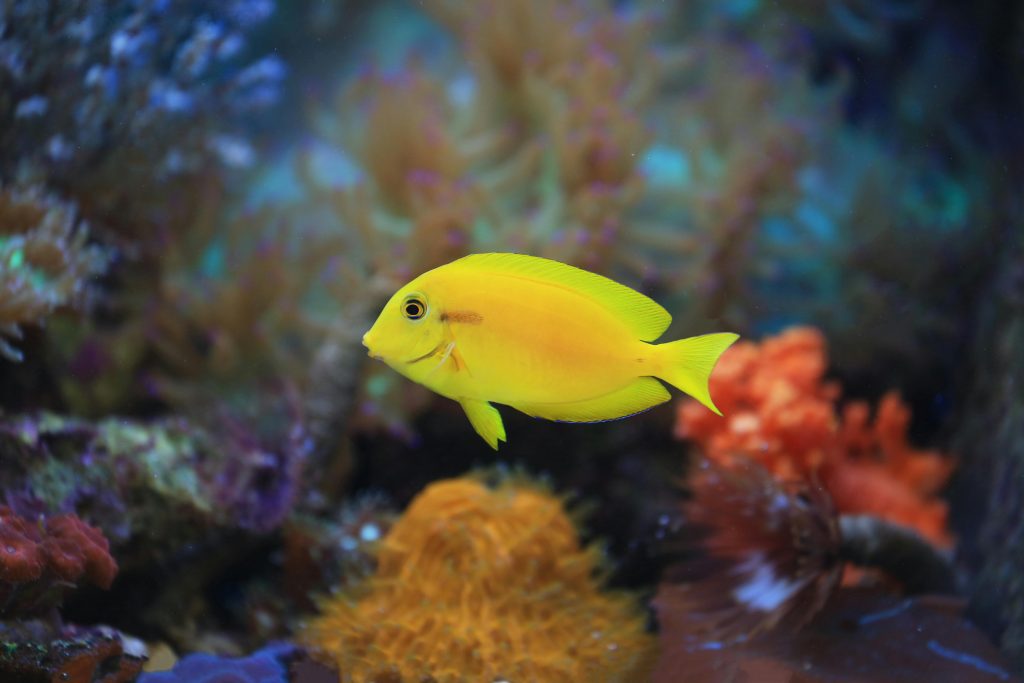
Juvenile Orange Shoulder (acanthurus Olivaceus)
Juvenile orange shoulder tangs are bright, hardy, and reef safe, but they grow large and need a spacious…
[favorite_button]
My Bookmarks:
To see full list click here
[user_favorites user_id="" include_links="true" site_id="" post_types="" include_thumbnails="true" thumbnail_size="thumbnail" include_excerpt="false"]