

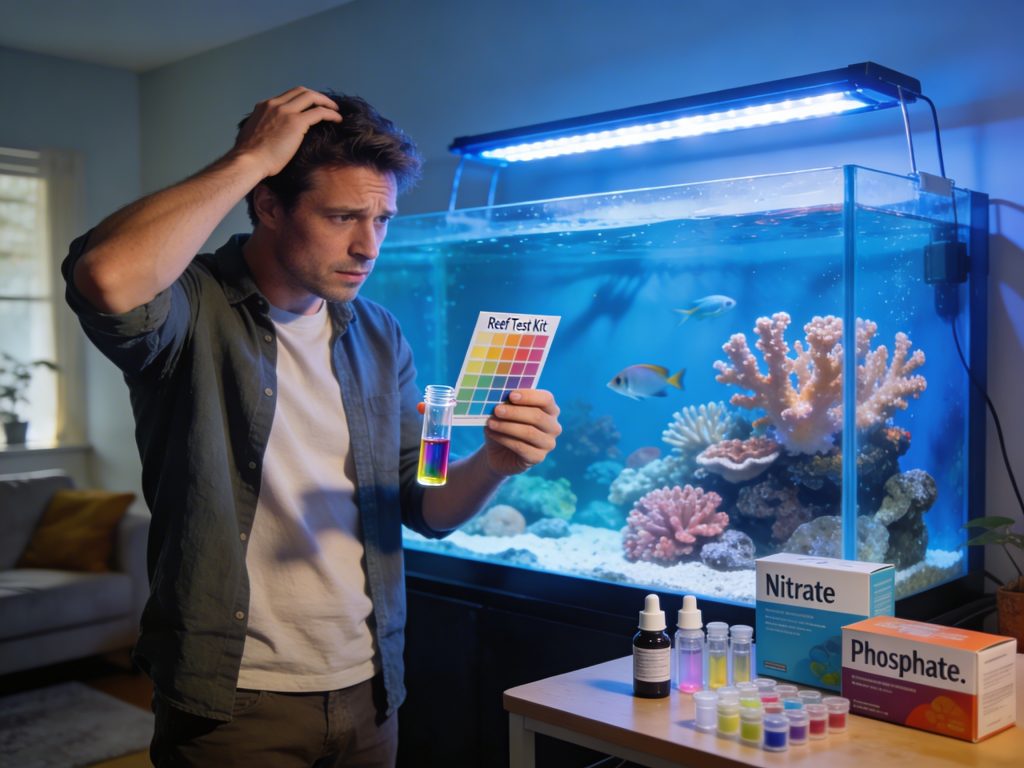
Reef nitrate and phosphate control is about balance, not chasing zero. Corals, fish, and beneficial microbes all need some nutrients. The goal is stable, measurable levels that support color, growth, and long-term reef health without fueling nuisance algae.
Nitrate and phosphate are two of the most discussed reef tank parameters. Beginners often fear any detectable reading. Intermediate hobbyists sometimes overcorrect and strip nutrients too low. Both mistakes can cause problems. In this guide, you will learn what nitrate and phosphate do, what ranges work well, how to lower or raise them safely, and how to troubleshoot common nutrient issues. You will also learn how feeding, filtration, live rock, refugiums, skimmers, and media all interact. Stable nutrients are easier to manage when you understand the full system.
Quick Reference Table
| Parameter | Typical Reef Range | Too Low Signs | Too High Signs |
|---|---|---|---|
| Nitrate | 2–15 ppm | Pale corals, slow growth, dinoflagellates | Algae growth, dull color, stressed SPS |
| Phosphate | 0.03–0.10 ppm | Pale tissue, poor growth, unstable coral health | Algae, reduced calcification, browned corals |
| Testing | Weekly minimum | False confidence from under-testing | Missed nutrient spikes |
| Best approach | Slow changes | Over-filtration | Aggressive media use |
Use this table as a starting point. Every reef develops its own rhythm. Mixed reefs often tolerate slightly higher nutrients than ultra-low nutrient SPS systems. The key is consistency.
Why Nitrate and Phosphate Matter in a Reef Tank
Nitrate and phosphate are not just waste products. They are nutrients. Fish food adds them. Fish waste creates them. Bacteria process them. Corals and algae respond to them every day.
Nitrate is the end product of the nitrogen cycle in most reef tanks. Ammonia becomes nitrite. Nitrite becomes nitrate. Phosphate enters the system from food, detritus, dry rock leaching, and some salt mixes. Both nutrients can accumulate when export is weak.
Problems start when levels swing hard or stay outside a healthy range. High nitrate and phosphate can encourage nuisance algae and reduce coral coloration. Very low nutrients can be just as harmful. Corals may turn pale. Growth may stall. Dinoflagellates often appear in tanks stripped too clean. Healthy reefs usually show measurable nitrate and measurable phosphate. That surprises many new hobbyists.
If you want a stronger foundation, read these guides next: reef tank water parameters, protein skimmer guide, reef refugium setup, and how to cycle a reef tank.
Ideal Nitrate and Phosphate Levels
There is no single perfect number for every reef. Tank type matters. Coral mix matters. Fish load matters. Testing method matters too.
For many mixed reefs, nitrate between 2 and 15 ppm works well. Phosphate between 0.03 and 0.10 ppm is also a practical target. Soft coral tanks often tolerate the higher end. LPS tanks usually do well with moderate nutrients. SPS-dominant tanks often prefer lower levels, but not zero.
What matters most is stability. A tank holding 10 ppm nitrate and 0.08 phosphate can look excellent. A tank swinging from 0 to 20 nitrate every week usually struggles. Corals adapt to stable conditions. They react poorly to sudden nutrient crashes.
Do not compare your reef to every online tank. Instead, watch coral tissue, polyp extension, algae growth, and test trends. Those clues tell you more than a single number. Use your results over time, not one isolated reading, to guide changes.
Where Excess Nutrients Come From
Most nutrient issues begin with import exceeding export. That sounds simple, but several small factors often combine.
Heavy feeding is a major source. Frozen foods, pellets, and coral foods all add nitrogen and phosphorus. Overfeeding fish is common in new tanks. Poor mechanical filtration also contributes. Detritus settles in low-flow areas, filter socks, rock crevices, and sumps. As it breaks down, nutrients rise.
Source water matters too. If your RO/DI system is exhausted, phosphate and nitrate may enter with top-off or saltwater changes. Some dry rock releases phosphate early on. Weak skimming, infrequent water changes, and undersized refugiums can also reduce export.
Stocking plays a role as well. A tank with many fish can thrive, but only if filtration matches the bioload. Nutrient control is easier when you identify each source instead of blaming one number on one cause.
How to Test Nitrate and Phosphate Accurately
Good decisions require reliable tests. Cheap kits can work, but consistency matters more than brand loyalty. Use the same kit each time when possible. Follow timing and shaking instructions exactly.
Test nitrate and phosphate at least weekly in a changing tank. Test more often when adjusting media, dosing carbon, feeding heavier, or battling algae. Always test at a similar time of day. Record results in a log. Trends reveal more than isolated numbers.
For phosphate, low-range tools are especially helpful. Tiny changes matter. For nitrate, choose a kit that reads your expected range clearly. If a result seems odd, retest before reacting. Contaminated vials, expired reagents, and poor lighting can all mislead you.
Also test your fresh mixed saltwater and RO/DI water occasionally. Many reef keepers skip this step. It can save weeks of frustration.
Step-by-Step: How to Lower Nitrate and Phosphate Safely
Lowering nutrients works best in stages. Fast correction often causes more harm than the original problem.
- Test nitrate and phosphate twice over several days. Confirm the trend first.
- Inspect feeding habits. Reduce excess food, not total nutrition.
- Clean detritus traps. Siphon the sump, bare spots, and low-flow zones.
- Replace or wash filter socks and floss more often.
- Check the skimmer. Tune it for steady, dark export.
- Perform a reasonable water change. Do not rely on water changes alone.
- Add or improve a refugium with healthy macroalgae if appropriate.
- Use phosphate media slowly. Start with a small amount.
- Consider carbon dosing only after basic husbandry improves.
- Retest weekly and adjust gradually.
This slow approach protects corals. It also helps you identify what actually works. If you change five things at once, you learn very little.
Best Nutrient Export Methods
There is no single best export tool. Strong reef systems usually combine several methods.
Protein skimmers remove dissolved organics before they fully break down. Mechanical filtration captures particles early. Refugiums consume nitrate and phosphate through macroalgae growth. Water changes dilute excess nutrients and restore trace elements. Good flow keeps detritus suspended so filtration can remove it.
Media reactors can help with phosphate control. Granular ferric oxide, or GFO, is common. It works well, but it can strip phosphate too quickly if overused. Carbon dosing supports bacterial uptake of nitrate and phosphate. It can be effective, but it needs caution, oxygen awareness, and strong skimming.
Biological maturity matters too. Established live rock and healthy microbial populations improve nutrient processing. Many new tanks simply need time, stable maintenance, and patience.
How to Raise Nutrients if They Are Too Low
Low nutrients are common in modern reef tanks. Oversized skimmers, aggressive media, light fish loads, and heavy export can create an ultra-clean system. Corals may look washed out. Dinoflagellates may appear. Growth can stall.
Start by feeding fish a bit more. Add another small feeding, not a huge one. Rinse frozen food less aggressively if needed. Reduce phosphate media if phosphate is undetectable. Shorten refugium photoperiods if macroalgae is stripping nutrients too fast.
Some hobbyists dose nitrate or phosphate directly. That can work well in advanced systems. It requires careful testing and patience. Raise levels slowly. Avoid sudden jumps. If nitrate is present but phosphate is zero, algae and coral issues often persist. The same applies in reverse. Both nutrients need balance.
Do not chase ultra-low nutrient numbers just because they look impressive online. Coral health matters more than sterile test results.
Compatibility With Coral Types and Tank Styles
Different reef tanks respond differently to nutrients. Soft corals often enjoy richer water. Zoanthids, mushrooms, and leathers usually tolerate moderate nitrate and phosphate well. Many LPS corals also color up nicely with measurable nutrients and regular feeding.
SPS corals are less forgiving of instability. They do not always need near-zero nutrients, but they do need consistency. High phosphate can slow calcification. Rapid nutrient drops can trigger tissue loss. Browned-out SPS often point to excess nutrients, but pale SPS can point to nutrient starvation.
Fish-heavy reefs usually run higher nutrients. That is not automatically bad. Many successful tanks balance heavier feeding with stronger export. Nano reefs need extra caution because nutrient swings happen faster. Large tanks often buffer mistakes better, but they still need monitoring.
Common Problems
Why is nitrate high but phosphate low?
This is very common. Phosphate media may be too aggressive. Macroalgae may be consuming phosphate faster than nitrate. Dry foods and bacterial processes can also skew the ratio. Corals and microbes can struggle when phosphate bottoms out first. Reduce phosphate removal and retest before making bigger changes.
Why is phosphate high but nitrate low?
Heavy feeding, old rock leaching, and weak phosphate export are common causes. Some tanks process nitrate efficiently but retain phosphate. Improve mechanical cleaning, review food choices, and use a small amount of phosphate media if needed. Avoid stripping it too fast.
Why do I have algae with low test readings?
Algae may be consuming nutrients before your test kit detects them. Detritus can also feed localized growth. Test results can look low while the system still has nutrient availability. Increase manual removal, improve flow, clean trapped waste, and keep testing trends.
Why did my corals pale after using GFO or carbon dosing?
Nutrients likely dropped too quickly. Corals often react badly to sudden phosphate reduction. Remove or reduce the media. Feed a bit more if needed. Retest in a few days. Make smaller adjustments next time.
Why do dinoflagellates appear in ultra-clean tanks?
Many dino outbreaks occur when nitrate and phosphate are driven too low. Microbial competition weakens. Corals also become stressed. Raising nutrients carefully, improving biodiversity, and avoiding over-filtration often helps more than aggressive chemical fixes.
Frequently Asked Questions
What is a good nitrate level for a reef tank?
For many reefs, 2 to 15 ppm is a healthy range. Stability matters more than hitting one exact number.
What is a good phosphate level for a reef tank?
A practical target is 0.03 to 0.10 ppm. Some tanks run slightly outside that range and still do well if stable.
Should nitrate and phosphate be zero?
No. Zero readings often cause pale corals, poor growth, and dinoflagellate issues. Measurable nutrients are usually healthier.
How often should I test nutrients?
Test weekly in stable tanks. Test more often during algae outbreaks, media changes, or major feeding adjustments.
What lowers nitrate fastest in a reef tank?
Water changes help quickly, but long-term control comes from better feeding habits, detritus removal, strong skimming, and biological export.
Final Thoughts
Reef nitrate and phosphate control is really about system balance. Feed your fish well. Export waste consistently. Test often enough to see trends. Change things slowly. Most thriving reefs have measurable nutrients, healthy microbial life, and steady maintenance. If your tank looks good and your numbers are stable, resist the urge to overcorrect. In reef keeping, patience usually beats drastic action.
Was this helpful?
Related Posts
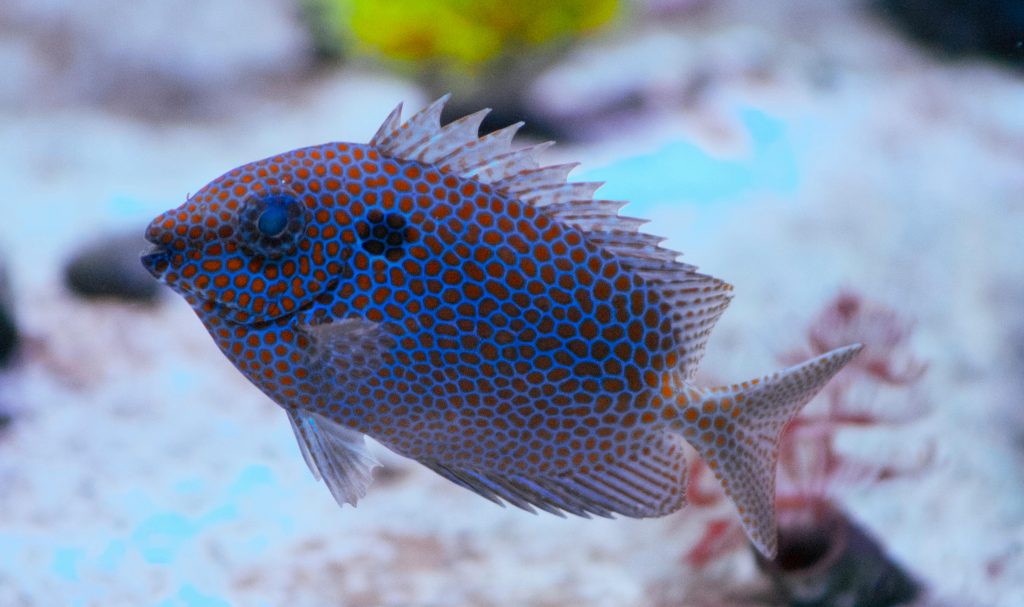
Gold Spotted Rabbitfish (Siganus Punctatus)
Gold Spotted Rabbitfish care includes large tanks, heavy algae feeding, and caution with corals. Learn tank size, diet,…
 By
By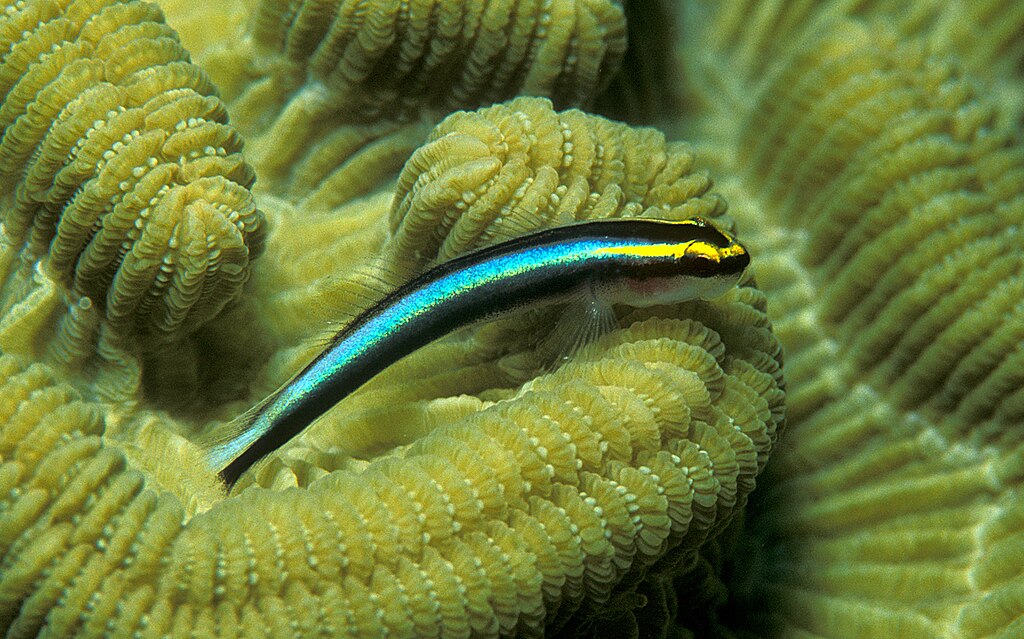
Sharknose Goby (Elacatinus evelynae)
Sharknose Goby care is simple in stable reef tanks. Learn feeding, tank setup, compatibility, and common problems for…
[favorite_button]
My Bookmarks:
To see full list click here
[user_favorites user_id="" include_links="true" site_id="" post_types="" include_thumbnails="true" thumbnail_size="thumbnail" include_excerpt="false"]