

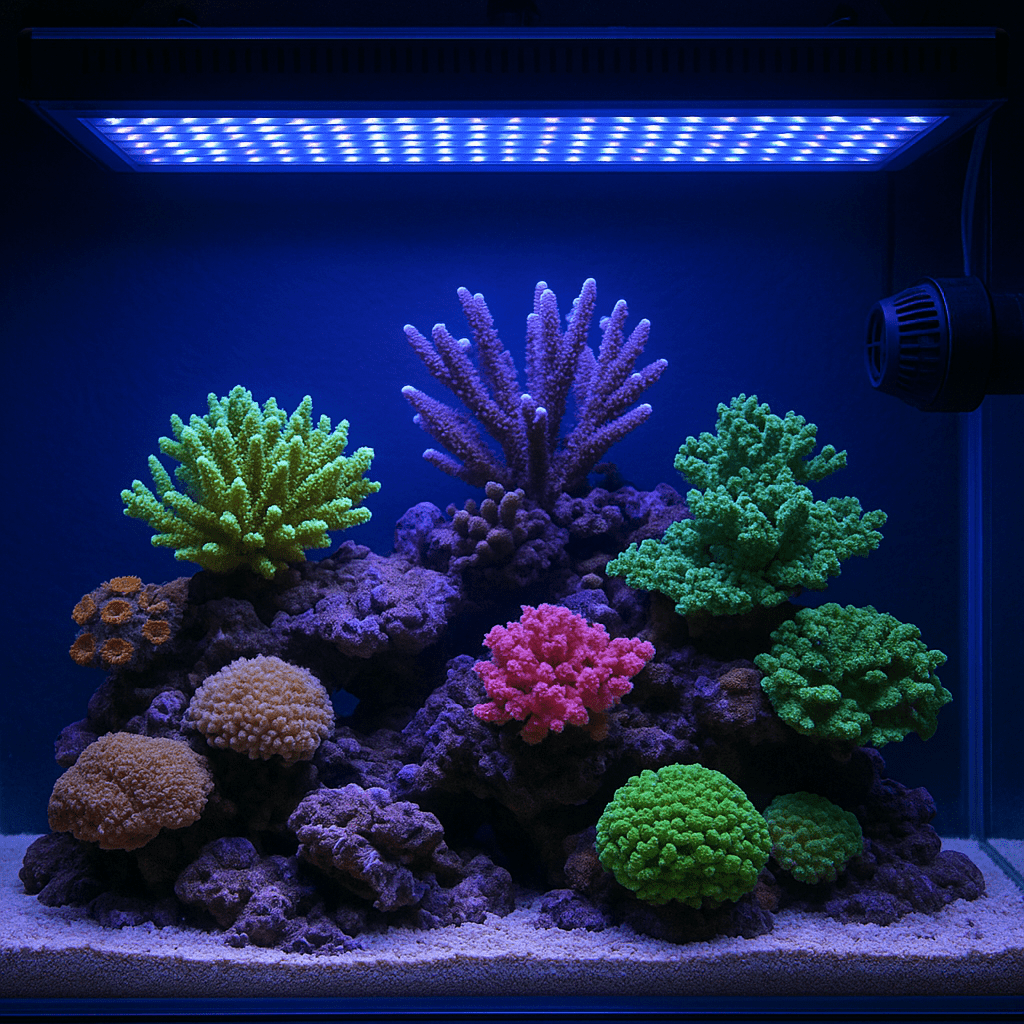
Reef nutrient control keeps nitrate and phosphate in a healthy range. That balance supports coral color, steady growth, and fewer algae problems. The goal is not zero nutrients. The goal is stability, export, and enough available nutrition for fish, corals, and beneficial microbes.
Many reef tanks struggle with nutrients at some point. New tanks often run dirty from heavy feeding and weak export. Mature tanks can swing the other way after aggressive filtration. Both situations cause stress. Corals may brown, pale, stop growing, or recede. Algae and cyanobacteria may appear fast. In this guide, you will learn how to control nutrients with practical reef-safe methods. We will cover testing, feeding, skimming, refugiums, media, water changes, and common mistakes. You will also learn how to lower nutrients safely without shocking your reef.
Quick Reference Table
| Parameter | Common Reef Range | Why It Matters |
|---|---|---|
| Nitrate | 2–15 ppm | Supports coral metabolism and prevents starvation |
| Phosphate | 0.03–0.10 ppm | Needed for biology, but excess fuels algae |
| Skimmer | Run consistently | Removes waste before it breaks down |
| Water changes | 5–15% weekly or biweekly | Dilutes nutrients and restores balance |
| Refugium | Harvest macroalgae often | Exports nitrate and phosphate naturally |
| Feeding | Targeted and measured | Limits waste while keeping livestock healthy |
What Reef Nutrients Actually Mean
In reef tanks, nutrient control usually means managing nitrate and phosphate. These compounds come from food, fish waste, dying algae, and decaying organics. They are not always bad. Corals, bacteria, and macroalgae all use them. Problems start when levels rise too high or drop too low.
High nitrate can darken coral tissue. High phosphate can slow calcification. Both can fuel nuisance algae. Ultra-low nutrients can also hurt coral health. Corals may become pale. Polyp extension may drop. Growth can stall. This is why experienced reef keepers aim for balance, not perfection.
Your nutrient target depends on your tank style. SPS-dominant systems often run lower nutrients. Mixed reefs usually tolerate a broader range. Soft coral tanks often accept slightly higher levels. Stability matters more than chasing a single number. Test regularly. Make changes slowly. Watch your corals closely.
How Nutrients Build Up in a Reef Aquarium
Most nutrient issues begin with inputs exceeding export. Heavy feeding is the most common cause. Frozen foods add oils and dissolved waste. Pellet foods can accumulate in rockwork. Fish waste then breaks down into nitrate and phosphate.
Detritus is another major source. It collects in low-flow areas, sump chambers, filter socks, and old sand beds. As it decomposes, it releases nutrients back into the water. Dead snails, dying macroalgae, and hidden fish losses can also spike nutrients fast.
Source water matters too. Poor RO/DI filtration can add phosphate, silicate, and nitrate before salt even enters the tank. Old test kits also mislead hobbyists. You may think nutrients are low when they are not. Always check the whole system. Inputs, waste traps, source water, and export all matter.
Testing and Setting Realistic Targets
Good nutrient control starts with good testing. Use reliable kits or meters. Test nitrate and phosphate at the same time each week. Keep a simple log. Trends matter more than one isolated result.
For many mixed reefs, nitrate between 2 and 15 ppm works well. Phosphate between 0.03 and 0.10 ppm is also common. These are not strict rules. Some successful tanks run outside them. What matters is coral response and long-term stability.
If nutrients are high, do not try to fix everything in one weekend. Large swings can trigger tissue loss, dinoflagellates, or bacterial blooms. Lower nutrients in stages. Retest after each change. If nutrients are too low, reduce export and feed a bit more. Corals often improve once the system stops swinging.
Step-by-Step Nutrient Control Plan
- Test nitrate and phosphate. Write down the results.
- Inspect feeding habits. Reduce excess, not nutrition.
- Clean detritus from the sump, rock shadows, and filter chambers.
- Service the protein skimmer. Make sure it works consistently.
- Replace or wash mechanical filtration on schedule.
- Use RO/DI water with low TDS for all top-off and mixing.
- Add or improve a refugium if the tank has room.
- Use phosphate media only if phosphate remains elevated.
- Increase flow in dead spots where waste settles.
- Retest after one to two weeks. Adjust slowly.
This method works because it addresses the whole nutrient cycle. It reduces input, removes trapped waste, and improves export. It also avoids the biggest mistake in reef keeping. That mistake is overcorrecting too fast. Slow changes protect coral health and preserve bacterial stability.
Feeding Without Overloading the Tank
Feeding is where many reef tanks win or lose. Fish need enough food to stay healthy. Corals also benefit from dissolved and particulate nutrition. But uneaten food quickly becomes nutrient waste. The answer is controlled feeding, not starving the tank.
Feed smaller portions more intentionally. Thaw frozen food and strain the packing liquid if nutrients are high. Target feed LPS corals instead of broadcasting large amounts. Use a feeding ring for pellets and flakes. That keeps food from blowing into the overflow.
Watch fish behavior during feeding. If food reaches the sand untouched, you fed too much. If aggressive fish dominate every meal, spread food across the tank. Healthy fish should eat quickly, but not frantically. A measured feeding routine protects water quality and still supports growth and color.
Filtration Methods That Actually Help
A good protein skimmer is one of the best nutrient tools in reef keeping. It removes dissolved organics before they fully break down. Run it consistently. Clean the neck often. A dirty skimmer loses performance fast.
Mechanical filtration also matters. Filter socks, floss, and roller mats trap particles before they decay. The key is maintenance. Dirty mechanical media becomes a nutrient source. Change or wash it often. Many tanks improve simply from better sock and floss habits.
Chemical media has a place too. Granular ferric oxide can lower phosphate. Activated carbon improves water clarity and removes organics. Use media carefully. Too much phosphate remover can strip the water too quickly. That can stress corals. Start small. Retest often. Let the tank tell you how fast to move.
Refugiums, Macroalgae, and Natural Export
Refugiums are popular because they export nutrients gently. Macroalgae like chaetomorpha consume nitrate and phosphate as they grow. When you harvest the algae, you remove those nutrients from the system. It is simple and effective.
For best results, give macroalgae strong light and steady flow. Harvest regularly. Do not let the mass become dense and shaded. Dying macroalgae can release nutrients back into the tank. Keep the refugium clean enough to prevent heavy detritus buildup under the algae ball.
A refugium also supports pods and microbial diversity. That can help overall reef stability. Still, it is not magic. A tiny refugium cannot offset heavy overfeeding in a packed fish system. Think of it as one export tool among several. It works best when paired with good feeding habits and solid maintenance.
Water Changes and Detritus Management
Water changes remain one of the safest nutrient control methods. They dilute nitrate and phosphate while restoring trace balance. They also help after overfeeding, livestock loss, or a neglected maintenance period. Small, regular changes usually work better than rare, massive ones.
During each water change, remove detritus. Siphon bare-bottom areas, sump chambers, and dead spots in the sand. Use a turkey baster or powerhead to blow debris from behind the rockwork before siphoning. This simple step often makes a big difference.
Do not ignore the sump. Many tanks look clean in the display but hide sludge below. That trapped waste slowly feeds nutrient problems. A clean sump supports a stable reef. It also helps skimmers and mechanical filters work better. Maintenance is not glamorous, but it solves many reef issues.
Common Problems
Why are my nitrates high but phosphate is low?
This often happens in tanks using aggressive phosphate media or heavy macroalgae export. Bacteria and algae can consume phosphate faster than nitrate. The imbalance can slow further nitrate reduction. Corals may also look dull. Reduce phosphate removal slightly. Feed a little more if the tank is very lean. Retest after a week.
Why do I have algae with “good” test results?
Algae can consume nutrients before your test kit detects them. The tank may be importing nutrients constantly, and the algae is acting as the test result. Check for overfeeding, dirty filters, old bulbs, poor flow, and weak source water. Remove algae manually and improve export at the same time.
Why did my corals pale after I lowered nutrients?
You likely reduced nutrients too quickly. Corals need time to adapt. Lowering nitrate and phosphate fast can cause pale tissue, weak polyp extension, and reduced growth. Ease off media, shorten refugium lighting, or feed a bit more. Stability is usually the fix.
Why does detritus keep returning?
Flow is usually the issue. Waste settles where circulation is weak. Adjust powerheads to keep particles suspended long enough for overflow and filtration to catch them. Also check rock layout. Dense aquascapes often trap debris in hidden pockets.
Frequently Asked Questions
What is the best nitrate level for a reef tank?
Many mixed reefs do well between 2 and 15 ppm. SPS tanks often prefer the lower end. Stability matters more than a perfect number.
Should phosphate be zero in a reef tank?
No. Zero phosphate can stress corals and destabilize the system. Most reefs do better with a small measurable amount.
How often should I test nutrients?
Test weekly when making changes. Stable tanks can often be tested every one to two weeks. Always test more often during problem periods.
Do water changes alone fix high nutrients?
They help, but they rarely solve the root cause alone. You must also address feeding, detritus, filtration, and source water quality.
Is a refugium better than a skimmer?
They do different jobs. A skimmer removes organics early. A refugium exports nutrients gradually. Many successful reefs use both.
Final Tips for Long-Term Reef Nutrient Control
The best reef nutrient control plan is simple and repeatable. Feed with intention. Export waste consistently. Test often enough to catch trends early. Clean detritus before it becomes a problem. Avoid dramatic corrections. Reef tanks reward patience more than force.
If your reef looks healthy, do not chase tiny numbers. Coral color, growth, and polyp extension tell a bigger story than one test result. Build routines that fit your tank and your schedule. That is how stable reefs are maintained for years.
Related reading: reef tank water parameters, protein skimmer setup guide, refugium for reef tank, how often to feed reef fish, reef algae control tips.
Was this helpful?
Related Posts
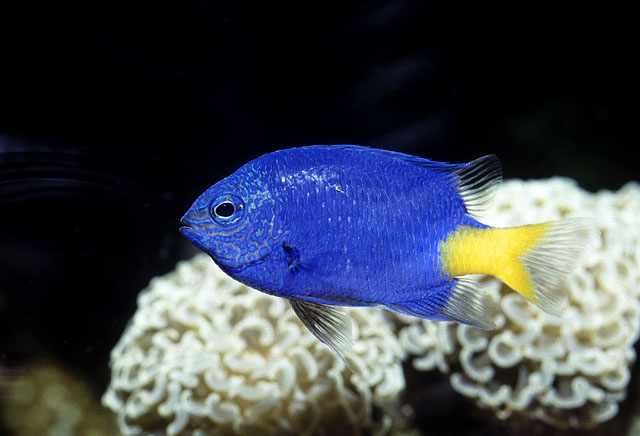
Yellowtail Damselfish (Chrysiptera Parasema)
Yellowtail Damselfish are hardy, colorful, and reef safe, but they can be territorial. Learn their care, feeding, tank…
 By
ByWater Chemistry Basics
Water chemistry basics are the foundation of reef success. Learn the key parameters, target ranges, and simple ways…
[favorite_button]
My Bookmarks:
To see full list click here
[user_favorites user_id="" include_links="true" site_id="" post_types="" include_thumbnails="true" thumbnail_size="thumbnail" include_excerpt="false"]