

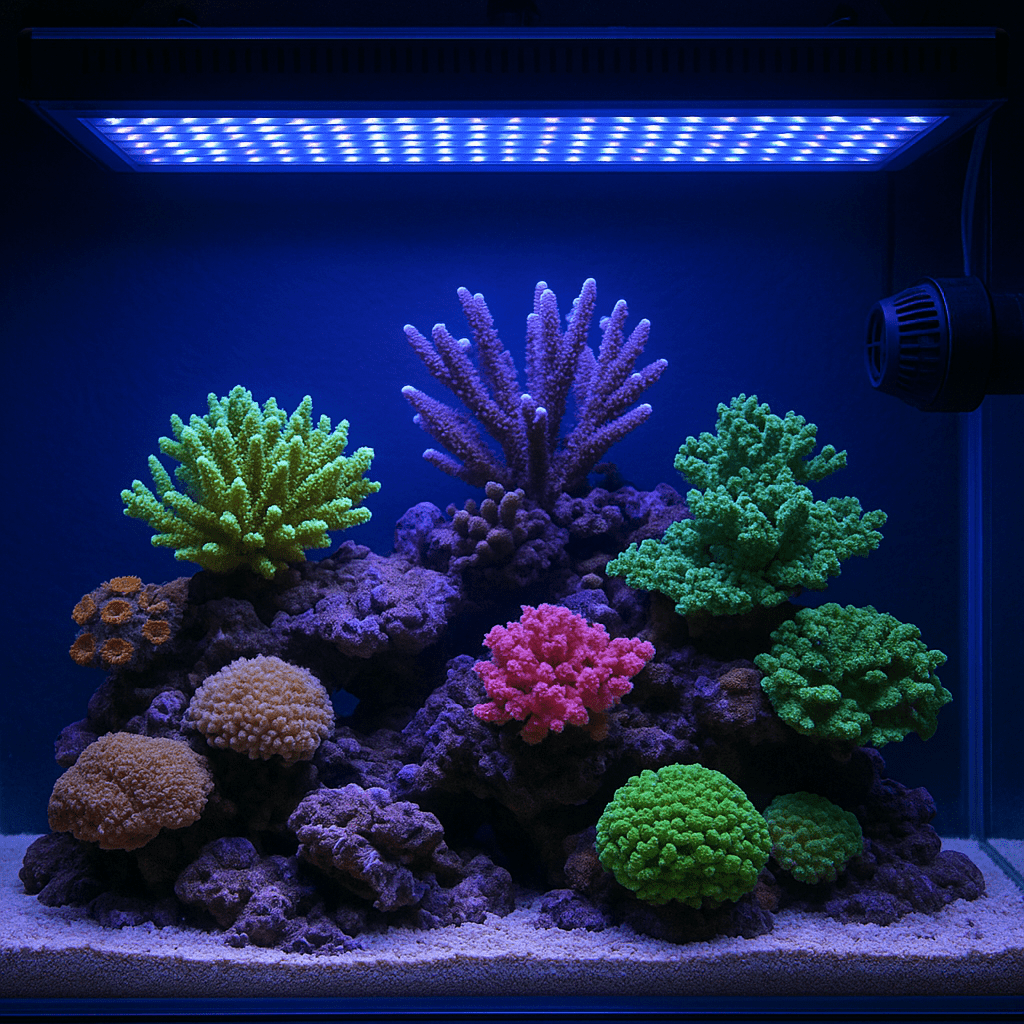
Nutrient balance is one of the biggest keys to reef tank success. Corals need some nitrate and phosphate, but excess nutrients fuel algae and stress sensitive species. The goal is steady, measurable levels, not chasing absolute zero.
Many reef problems trace back to unstable nutrients. Pale corals, nuisance algae, poor polyp extension, and slow growth often point to an imbalance. In this guide, you will learn how nitrate and phosphate work, what levels to target, how to test accurately, and how to raise or lower nutrients without shocking your reef. You will also learn how feeding, filtration, lighting, and stocking all affect nutrient control over time.
Quick Reference Table
| Parameter | Typical Reef Range | Why It Matters |
|---|---|---|
| Nitrate | 2–15 ppm | Supports coral color and metabolism |
| Phosphate | 0.03–0.10 ppm | Needed in small amounts for healthy coral function |
| Alkalinity | 7.5–9.0 dKH | Should stay stable as nutrients change |
| Testing | 1–2 times weekly | Helps catch trends before problems grow |
| Adjustment speed | Slow and steady | Rapid changes can shock corals |
Use these ranges as a starting point. Your reef may run best at one end of the range. Stability matters more than hitting a perfect number.
What Nutrient Balance Means in a Reef Tank
In reef keeping, nutrient balance usually means managing nitrate and phosphate. These compounds come from fish waste, uneaten food, and decaying organics. Corals, bacteria, algae, and other organisms all use them. Problems start when one nutrient bottoms out or climbs too high.
A common mistake is trying to keep nutrients at zero. Ultra-low nutrients can cause pale tissue, weak growth, and poor polyp extension. This is especially true in tanks with strong lighting. Corals need available nutrients to support their zooxanthellae. Without them, the tank can look clean but perform poorly.
The opposite problem is also common. Heavy feeding, weak export, or old rock can push nutrients upward. That often leads to film algae, cyanobacteria, dinoflagellates after swings, and browned-out corals. A balanced reef usually has detectable nitrate and phosphate. The key is keeping both available in a stable ratio that suits your livestock.
Ideal Nitrate and Phosphate Levels
Most mixed reefs do well with nitrate between 2 and 15 ppm. Phosphate often works well between 0.03 and 0.10 ppm. Soft corals and LPS usually tolerate the higher end. SPS systems often prefer the lower to middle part of that range. Still, every tank has its own rhythm.
If nitrate is near zero and phosphate is measurable, corals may struggle. If phosphate is near zero and nitrate stays elevated, growth can also stall. Corals respond poorly when one nutrient is stripped while the other remains available. This imbalance can also favor nuisance organisms.
Do not focus only on one test result. Watch coral color, algae growth, and feeding response. A healthy reef often tells you more than a single number. Test regularly, record results, and look for trends. Stable nutrients within a reasonable range beat constant corrections every time.
How to Test Nutrients Accurately
Good testing habits prevent bad decisions. Use reliable kits or digital checkers for nitrate and phosphate. Follow the instructions exactly. Small mistakes can create large errors, especially with low-range phosphate tests. Always check expiration dates and keep reagents sealed.
Test at the same time of day when possible. Nutrients can shift slightly after feeding or maintenance. Consistent timing gives cleaner trend data. Rinse test vials with tank water before use. Avoid fingerprints on glass cuvettes if you use a digital meter.
Write down each result. Include notes about feeding, water changes, media swaps, and livestock additions. This helps you connect cause and effect. If nutrients change suddenly, retest before reacting. One odd result does not always mean the tank changed. It may just be a testing error.
Main Causes of Nutrient Imbalance
Feeding is the biggest driver in most tanks. Heavy frozen feeding, broadcast coral foods, and frequent pellet use all add nutrients. Fish load matters too. A lightly stocked tank can run nutrient-poor. A crowded tank can run high even with strong filtration.
Export methods shape the other side of the equation. Protein skimmers remove organics before they break down. Refugiums consume nitrate and phosphate through macroalgae growth. Filter socks trap waste but need cleaning. Carbon dosing boosts bacterial uptake. Media like GFO removes phosphate directly.
Live rock and sand also play a role. Older systems can store phosphate and release it later. Dirty sump chambers can trap detritus and slowly raise nutrients. Even your maintenance habits matter. Inconsistent water changes, overcleaning, or aggressive media changes can all create swings instead of balance.
Step-by-Step Guide to Improving Nutrient Balance
Start by testing nitrate and phosphate twice each week for two weeks. Record the results. Note feeding amounts and maintenance tasks. This gives you a baseline before making changes.
Next, inspect your export systems. Clean the skimmer neck. Replace dirty filter floss. Remove trapped detritus from the sump. Harvest macroalgae if your refugium is overgrown. Small maintenance steps often improve stability fast.
Then review feeding. Feed enough for fish health, but avoid excess. Thaw frozen food and strain the packing liquid if needed. Spread feedings across the day instead of dumping a large amount at once. This reduces spikes.
Make one major change at a time. Lower nutrients gradually with reduced feeding, stronger export, or media. Raise nutrients slowly with more feeding or a controlled nutrient supplement. Retest after each change. Give the tank several days to respond before adjusting again.
How to Raise Low Nutrients Safely
Low nutrients are common in tanks with oversized skimmers, large refugiums, heavy filter maintenance, or carbon dosing. Corals may look pale or stop growing. Glass may stay unusually clean. Test results may show undetectable nitrate or phosphate.
The safest first step is usually feeding a bit more. Increase fish feeding slightly. Add a little more frozen food or a small extra pellet feeding. You can also reduce export. Shorten refugium lighting, skim a bit drier, or use less phosphate media.
If the tank still reads zero, use a commercial nitrate or phosphate supplement. Dose very slowly. Retest often. Avoid large jumps. Corals handle low nutrients better than sudden swings. Keep alkalinity stable during this process. High alkalinity with very low nutrients can stress sensitive SPS corals.
How to Lower High Nutrients Without Crashing the Tank
When nitrate or phosphate climbs too high, avoid panic corrections. Fast drops can shock corals and trigger other issues. Start with simple fixes. Reduce overfeeding. Remove detritus from low-flow areas. Clean mechanical filters more often. Perform a measured water change.
If phosphate remains high, a phosphate-removal media can help. Use a small amount first. Too much media can strip phosphate quickly. If nitrate is the main issue, improve skimming, increase water changes, or consider a refugium. Carbon dosing can work well, but it demands careful monitoring and strong aeration.
Always lower nutrients in stages. Watch coral tissue, polyp extension, and algae response. A gradual decline is safer and more sustainable. The goal is not a sudden clean look. The goal is a stable reef that stays healthy month after month.
Lighting, Flow, and Their Effect on Nutrients
Lighting and flow do not add nutrients directly, but they shape how your tank uses them. Strong lighting increases coral demand. If nutrients are too low under intense light, corals may fade or bleach. This is common in tanks upgraded to stronger LEDs without adjusting feeding.
Flow affects where waste settles. Weak flow allows detritus to collect behind rocks and in sump corners. That trapped waste breaks down over time. Good random flow keeps particles suspended so filtration can remove them. It also helps corals exchange gases and feed more efficiently.
If you battle recurring nutrient issues, look beyond test kits. Check dead spots. Review photoperiod length. Make sure your export systems match your lighting intensity and coral demand. A balanced reef is always about the whole system, not one single number.
Compatibility With Coral Types
Different corals prefer different nutrient conditions. Soft corals usually handle richer water well. Many leathers, zoanthids, and mushrooms grow quickly with moderate nutrients. LPS corals also often appreciate slightly elevated nitrate and phosphate, especially when fed regularly.
SPS corals usually demand more precision. They often color best with low but detectable nutrients and very stable alkalinity. They react quickly to swings. A tank that runs well for acans and zoas may still stress acropora if phosphate jumps or nitrate falls to zero.
Mixed reefs need compromise. Avoid extremes. Keep nutrients available, but controlled. Place sensitive SPS in stable, high-flow zones. Feed LPS and fish without letting waste accumulate. This balance takes time, but it is very achievable with steady testing and measured adjustments.
Common Problems
Why are my corals pale even though the water looks clean?
This often points to nutrient starvation. Test nitrate and phosphate. If one or both read zero, increase feeding slightly or reduce export. Check alkalinity too. High alkalinity in a nutrient-poor tank can worsen coral stress.
Why do I have algae if my test kits show low nutrients?
Algae can consume nutrients before tests detect them. Detritus buildup is another common cause. Improve flow, remove trapped waste, and test source water. Old rock can also leach phosphate over time.
Why did dinoflagellates appear after I lowered nutrients?
Dinos often appear after nutrients are stripped too aggressively. Bring nitrate and phosphate back to detectable levels. Stop overusing removers. Increase biodiversity and maintain stable conditions. Avoid sudden swings.
Why is phosphate high but nitrate low?
This can happen with heavy feeding, certain foods, or selective export methods. Reduce phosphate media changes to a gentle pace. Feed smarter, not less. Consider raising nitrate slightly if the imbalance persists.
Frequently Asked Questions
Should reef tank nitrate be zero?
No. Most reefs do better with detectable nitrate. Zero nitrate often leads to pale corals and instability.
What is a good phosphate level for corals?
A common target is 0.03 to 0.10 ppm. Stability matters more than chasing an exact number.
How often should I test nutrients?
Test once or twice weekly when tuning the tank. Stable tanks can often be tested weekly.
Can water changes fix nutrient problems?
They help, but they are not the full answer. You must also address feeding, export, and detritus buildup.
Is carbon dosing safe for beginners?
It can work well, but it needs caution. Start slowly and monitor oxygen, skimming, and bacterial response.
Final Tips for Long-Term Stability
The best nutrient balance plan is simple and repeatable. Feed consistently. Export waste steadily. Test often enough to catch trends. Change only one major variable at a time. Let the reef respond before making another move.
If you want to improve the whole system, read our guides on reef tank water parameters, protein skimmer setup, refugium benefits, and reef tank algae control. These topics connect closely with nutrient management.
Balanced nutrients support better color, stronger growth, and fewer surprises. Aim for stable, detectable levels. Your corals will usually tell you when you are getting it right.
Was this helpful?
Related Posts
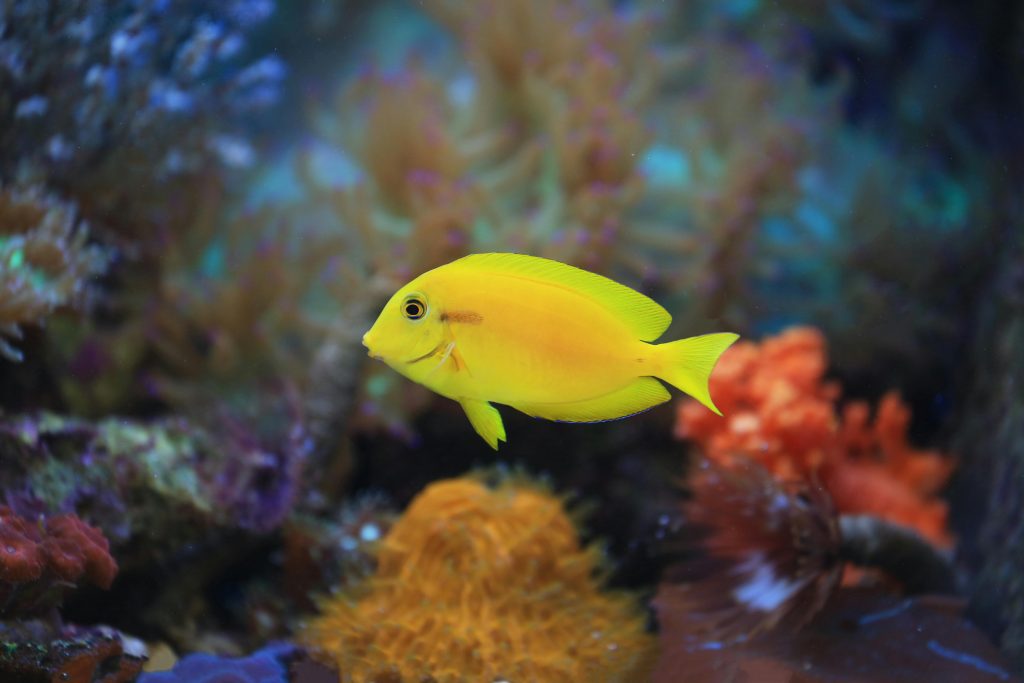
Juvenile Orange Shoulder (acanthurus Olivaceus)
Juvenile orange shoulder tangs are bright, hardy, and reef safe, but they grow large and need a spacious…
 By
ByBest Filtration Systems
Best Filtration Systems for a Healthy Saltwater Aquarium Choosing the best filtration system for your saltwater aquarium is…
[favorite_button]
My Bookmarks:
To see full list click here
[user_favorites user_id="" include_links="true" site_id="" post_types="" include_thumbnails="true" thumbnail_size="thumbnail" include_excerpt="false"]