

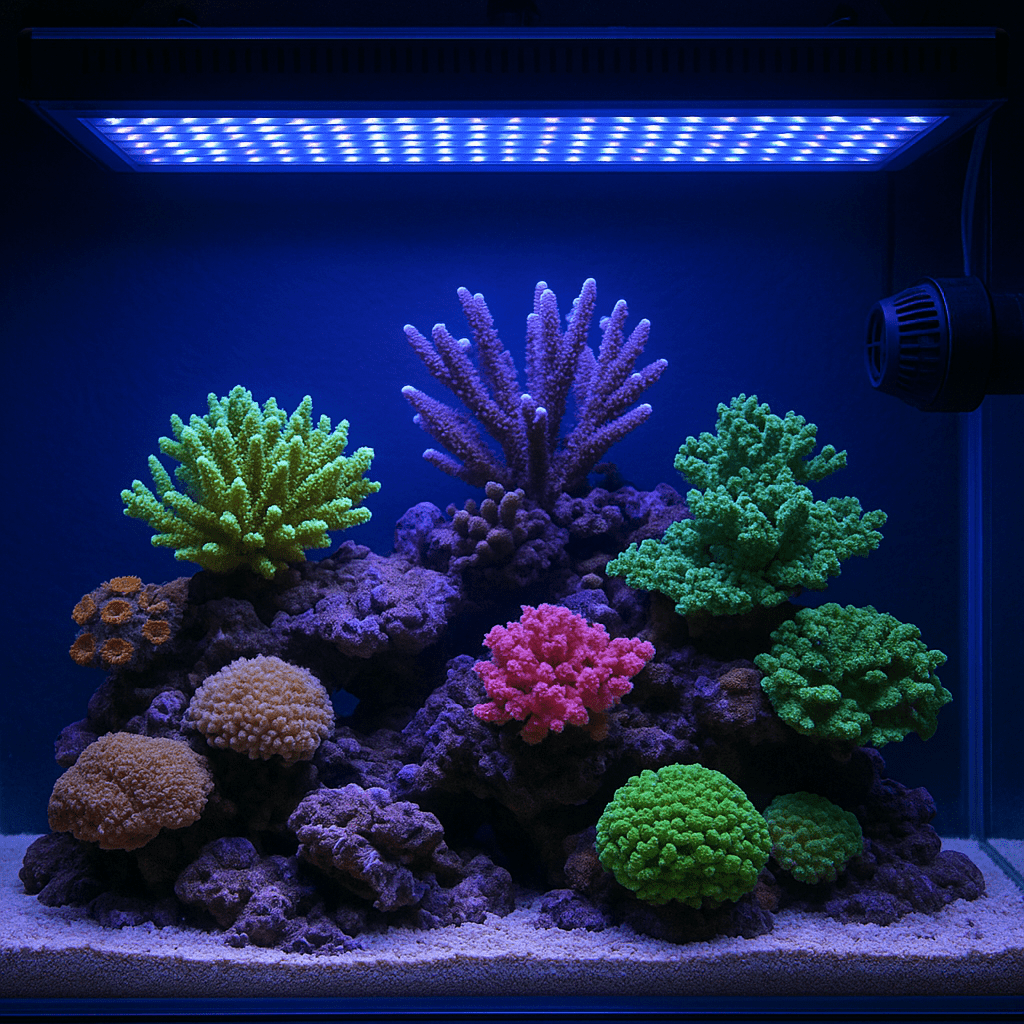
A protein skimmer removes dissolved organic waste before it breaks down. Proper setup improves water clarity, oxygen levels, and nutrient control. In this guide, you will learn how to choose a skimmer location, tune air and water flow, break it in, and fix common problems like overflowing, weak foam, and noisy operation.
Many reef keepers buy a good skimmer, install it quickly, and expect instant dark skimmate. That rarely happens. A skimmer needs the right water depth, a stable sump section, and several days to break in. Small setup mistakes can cause endless frustration. This article explains the full process in simple steps. You will learn where to place the skimmer, how to set the water level, how to adjust the air intake, and how to maintain stable performance over time. I will also cover common search questions that hobbyists ask when their skimmer overflows, stops foaming, or pulls out watery waste. By the end, you should feel confident setting up almost any modern reef skimmer.
Quick Reference Table
| Topic | Best Practice |
|---|---|
| Ideal sump depth | Usually 7 to 9 inches. Check the manufacturer guide. |
| Break-in period | 3 to 14 days is common. |
| Collection cup setting | Start slightly dry. Raise foam slowly. |
| Air intake | Open fully at first unless the manual says otherwise. |
| Best sump section | A section with stable water level. |
| Cleaning frequency | Cup neck weekly. Full body monthly or as needed. |
| Common overflow causes | Additives, hands in tank, unstable water depth, over-adjustment. |
| Target output | Dark tea to coffee-colored skimmate for most reef tanks. |
Use this table as a starting point. Your exact settings may vary by skimmer model, bioload, and sump design.
What a Protein Skimmer Actually Does
A protein skimmer uses foam fractionation. It mixes aquarium water with many tiny air bubbles. Organic compounds stick to the bubble surfaces. Those bubbles rise into the neck and collection cup. The waste then leaves the system as skimmate. This process removes proteins, fatty compounds, and other dissolved organics before bacteria break them into nitrate and phosphate.
A skimmer is not magic. It does not replace water changes. It does not fix overfeeding by itself. It also will not remove every nutrient source. Still, it is one of the most useful tools in a reef tank. It improves gas exchange. It helps stabilize pH, especially at night. It often makes the water look brighter and cleaner. Fish-heavy tanks benefit the most. Mixed reefs and SPS systems also gain from the extra oxygen and nutrient export. Nano reefs may run skimmerless, but larger systems usually perform better with one.
Choosing the Right Location
Most hobbyists place the skimmer in the sump. That is the easiest and safest option. The best sump chamber has a stable water level. Avoid return pump sections if evaporation changes the depth. A fluctuating water level changes internal pressure. That makes the skimmer inconsistent. One day it may overflow. The next day it may stop foaming.
If your sump level changes, use an auto top off. That keeps the skimmer section stable. Some skimmers also need a stand to reach the correct operating depth. Egg crate, acrylic platforms, or purpose-built skimmer stands work well. Keep enough room above the cup for easy removal. You will clean it often. Also leave space around the air intake silencer. Restricted airflow reduces performance. If you use an external skimmer, check every fitting carefully. External units can leak if installed poorly. For more sump planning tips, see: sump setup guide, reef tank equipment checklist, and auto top off guide.
Step-by-Step Protein Skimmer Setup
- Read the manual first. Every skimmer has a recommended water depth.
- Assemble the skimmer fully. Check the pump, venturi, cup, and air silencer.
- Rinse the skimmer with warm water. Do not use soap.
- Place it in a sump chamber with stable water level.
- Measure the water depth. Raise the skimmer if needed.
- Open the air intake fully unless the manual says otherwise.
- Set the outlet or gate valve to a low, safe starting point.
- Turn the skimmer on and watch the internal water line.
- Adjust slowly. Wait several minutes between changes.
- Start with a drier foam setting. This reduces overflow risk.
- Let the skimmer break in for several days.
- Fine tune after the break-in period based on skimmate color and volume.
The biggest mistake is adjusting too fast. New hobbyists often chase the foam head every few minutes. That causes instability. Make one small change. Then wait. A skimmer needs time to respond. Another common mistake is setting the foam too wet on day one. Start lower in the neck. Once the skimmer settles, raise the internal water level gradually. Aim for a steady foam head that climbs into the cup without surging. If your tank is brand new, expect lighter skimming at first. There may not be much waste to remove yet.
Break-In Period: What to Expect
Almost every new skimmer has a break-in period. Manufacturing oils, fresh plastics, and clean acrylic surfaces affect bubble formation. During this stage, the skimmer may overflow, produce large unstable bubbles, or collect almost nothing. This is normal. Most skimmers settle within three to fourteen days.
During break-in, keep your hands out of the sump as much as possible. Skin oils and additives can disrupt foam. Avoid constant tuning. Start with a conservative setting and let the skimmer run. Empty the cup if it fills with clear water. If overflow is severe, lower the internal water level or raise the cup. Some hobbyists run the skimmer in a bucket of warm water and vinegar before use. That can shorten the break-in period. It also removes dust and machine residue. Just rinse the unit well afterward. Once the skimmer forms a stable foam head, you can tune it for wetter or drier skimming based on your nutrient goals.
How to Tune for Wet or Dry Skimming
Wet skimming pulls lighter liquid into the cup. It removes more water and fills the cup faster. Dry skimming creates thicker, darker waste. It fills the cup more slowly. Neither approach is always right. The best choice depends on your system.
For nutrient-heavy tanks, slightly wetter skimming can help. Fish-only systems often benefit from this approach. For mixed reefs, many hobbyists prefer a medium to dry skim. This gives steady export without stripping too much water. To skim wetter, raise the internal water level or lower the cup distance to the foam head. To skim drier, lower the internal water level. Make tiny changes only. Then wait at least fifteen to thirty minutes. Judge results over a full day, not five minutes. If your skimmate smells strong and looks like dark tea or coffee, you are in a useful range. If it is clear and fills the cup quickly, it is usually too wet.
Water Chemistry and System Conditions That Affect Performance
Skimmers respond to more than just their own controls. Salinity matters. Lower salinity often reduces foam stability. Keep reef salinity stable around 1.025 to 1.026 specific gravity unless you have a special reason not to. Water level also matters. Even half an inch of sump fluctuation can change performance on some models.
Additives can also change skimming fast. Coral foods, amino acids, water conditioners, epoxy, bacterial products, and medications often trigger overflow. Feeding oily frozen foods can do the same. If the skimmer goes crazy after dosing, turn it down temporarily or switch it off for a short period if the product label suggests that. Heavy biofilm in the neck can also reduce foam rise. Clean the neck regularly. A dirty neck collapses bubbles before they reach the cup. Finally, remember that a lightly stocked tank may produce very little skimmate. That does not always mean the skimmer is failing. It may mean your system is simply clean.
Maintenance for Consistent Skimming
Good maintenance keeps a skimmer quiet and effective. Empty and rinse the collection cup often. Once or twice per week is common. Wipe the neck clean at the same time. This simple step improves foam rise more than many people realize. Every month or two, disassemble the pump and inspect the impeller. Calcium buildup and detritus reduce air draw.
Clean the venturi and airline too. Salt creep can choke airflow slowly. Many hobbyists miss this issue because it happens over weeks. If the skimmer seems weak, check the air path first. Soak parts in vinegar if you see hard deposits. Rinse everything well before reassembly. Also inspect O-rings and seals. A poor seal can cause vibration, noise, or leaks. Keep a simple maintenance log if you like data. Record cup volume, skimmate color, and cleaning dates. Patterns become obvious over time. For broader nutrient control, these may help: nitrate control in reef tanks and phosphate control in reef aquariums.
Common Problems
Why is my protein skimmer overflowing?
Overflow usually comes from one of five causes. The sump water depth is too high. The skimmer is tuned too wet. The unit is still breaking in. An additive changed surface tension. Or the air intake is restricted. First, lower the internal water level. Then confirm the sump depth matches the manual. Check for recent dosing, epoxy use, or oily foods. Clean the airline and venturi. If the skimmer is brand new, give it time. Many overflows are temporary during break-in.
Why is my skimmer not producing foam?
Start with the simple checks. Is the pump running well? Is the airline clogged? Is the venturi blocked with salt? Is the tank lightly stocked? Clean the neck and cup. A dirty neck kills foam rise. Next, check salinity. Low salinity can weaken skimming. Also ask whether the tank water is simply clean. After a large water change, a skimmer may slow down for a while. If the unit was recently cleaned, it may need a short re-break-in period.
Why is my skimmer so noisy?
Noise often comes from air draw, vibration, or a dirty pump. Make sure the skimmer sits flat and stable. Check the pump mount and rubber feet. Clean the impeller and pump housing. Inspect the air silencer. Some hiss is normal, but loud sucking sounds often mean the silencer is dirty or missing. Also check for microbubbles blasting through the outlet. Turbulence can sound worse if the outlet is partly blocked.
Why does my skimmer make too many microbubbles?
Microbubbles are common in new setups. They usually fade after break-in. If they persist, check the outlet direction and sump baffles. Make sure the skimmer is not sitting too deep. Excess turbulence can push bubbles out before they separate. A sponge on the outlet can help short term, but keep it clean. Dirty sponges trap detritus.
Frequently Asked Questions
Should I run my protein skimmer all the time?
Yes, in most reef tanks. Continuous operation gives stable oxygenation and nutrient export. Some hobbyists turn skimmers off during feeding or dosing. That is fine if done briefly.
Can a skimmer be too big for a reef tank?
Yes. An oversized skimmer may struggle in a lightly stocked tank. It can be hard to tune and may skim inconsistently. Match the skimmer to realistic bioload, not marketing claims.
Do I need a skimmer on a nano reef?
Not always. Many nano reefs succeed with water changes, light stocking, and careful feeding. Still, a skimmer can help with oxygen, pH, and nutrient stability.
How often should I clean the collection cup?
Usually once or twice per week. Heavy stocked systems may need more frequent cleaning. A clean neck improves foam production.
Should I turn off the skimmer when dosing coral foods or medications?
Follow the product label. Some additives cause immediate overflow. Others are safe with the skimmer running. When unsure, monitor closely after dosing.
Final Tips for Reliable Skimmer Performance
Keep your setup simple. Stable water depth matters more than constant tweaking. Start with the manufacturer recommendation. Tune slowly. Clean the neck often. Inspect the airline monthly. Be patient during break-in. Most skimmer problems come from unstable sump depth, clogged air paths, or over-adjustment. Once dialed in, a good protein skimmer becomes one of the most dependable tools on your reef tank. It will not solve every nutrient issue, but it makes the whole system easier to manage. If you pair it with sensible feeding, strong export, and regular maintenance, your reef will usually reward you with clearer water and healthier animals.
Was this helpful?
Related Posts
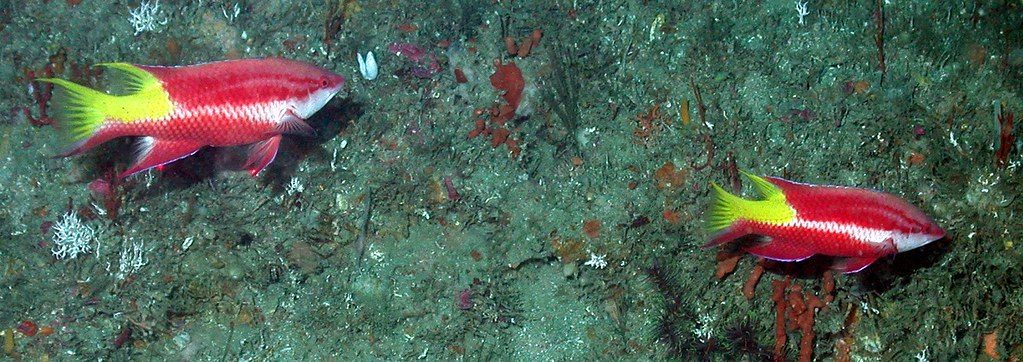
Cuban Hogfish (bodianus Pulchellus)
Cuban Hogfish care is straightforward in larger reef tanks. Learn tank size, diet, compatibility, and reef safety before…
 By
ByWhat to Do During a Power Outage
A reef tank power outage demands fast action. Protect oxygen, temperature, and circulation first to keep fish and…
 By
By[favorite_button]
My Bookmarks:
To see full list click here
[user_favorites user_id="" include_links="true" site_id="" post_types="" include_thumbnails="true" thumbnail_size="thumbnail" include_excerpt="false"]