

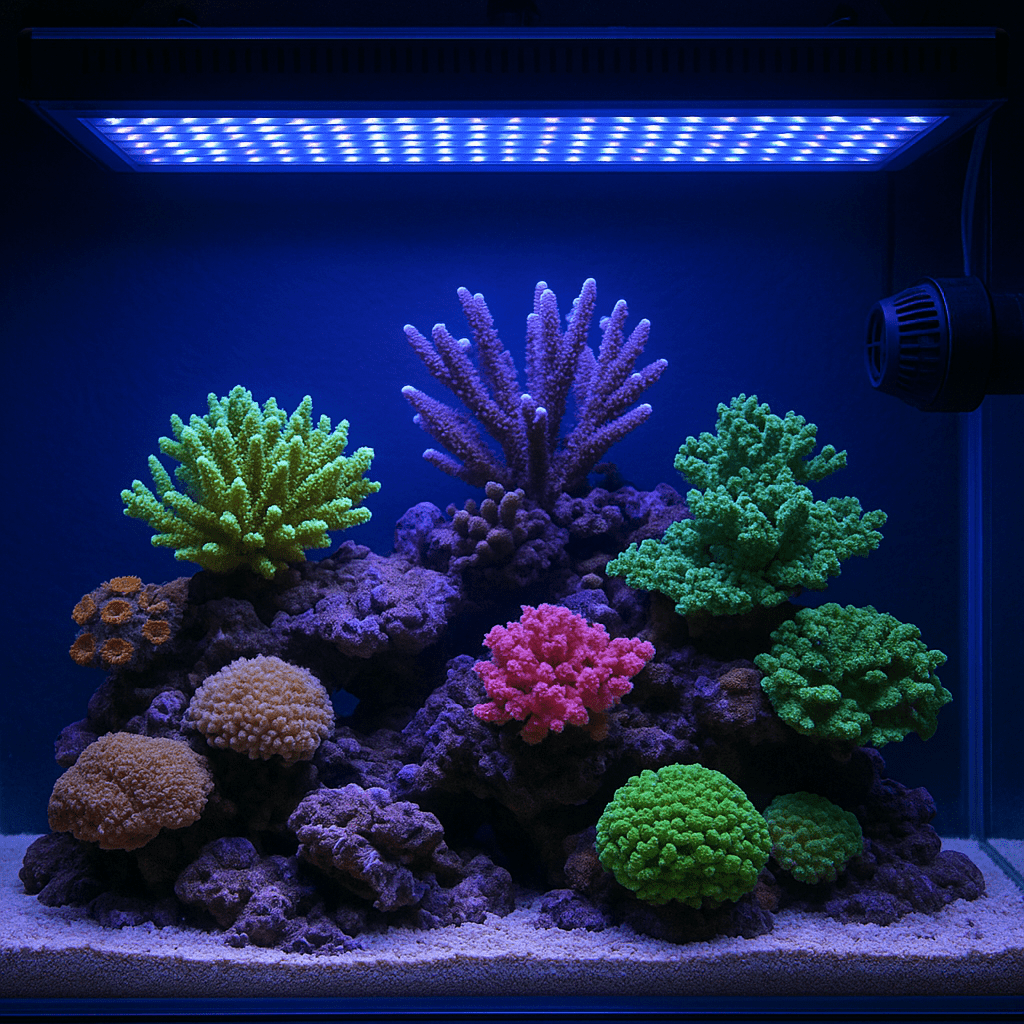
Powerhead sizing for reef tanks comes down to matching flow rate, placement, and coral needs. Most reef aquariums need total internal flow between 20 and 60 times tank volume per hour. Soft coral tanks need less. SPS-dominant tanks need much more. The goal is broad, random movement without blasting tissue or leaving dead spots.
Many reef keepers buy powerheads by guesswork. That often leads to weak circulation, sandstorms, or stressed corals. Good flow supports gas exchange, keeps detritus suspended, and delivers oxygen and nutrients to coral tissue. In this guide, you will learn how to size powerheads for your tank, how turnover really works, and how to adjust flow for soft corals, LPS, mixed reefs, and SPS systems. You will also learn common mistakes, placement tips, and how to troubleshoot poor circulation before it causes algae, cyano, or coral decline.
Quick Reference Table
| Tank Type | Recommended Turnover | Flow Style | Notes |
|---|---|---|---|
| Soft coral reef | 20x to 30x per hour | Gentle to moderate, indirect | Ideal for mushrooms, leathers, and zoanthids |
| LPS reef | 20x to 40x per hour | Moderate, broad, random | Avoid direct jets on fleshy corals |
| Mixed reef | 30x to 50x per hour | Variable, alternating flow | Create lower and higher flow zones |
| SPS-dominant reef | 40x to 60x per hour | Strong, turbulent, high energy | Acropora and montipora need heavy circulation |
| Fish-only with live rock | 10x to 20x per hour | Moderate circulation | Less demanding than coral systems |
These numbers are starting points. Actual needs depend on rockwork, coral density, sand bed depth, and pump design. Two pumps rated at the same gallons per hour can perform very differently in a real aquarium.
What Powerhead Sizing Means in a Reef Tank
Powerhead sizing is not just about gallons per hour. It is about total usable flow inside the display. Reef tanks need internal circulation that moves around rock, through coral branches, and across the sand surface. Return pumps help, but they rarely provide enough display flow on their own.
Most hobbyists size powerheads using turnover rate. You calculate turnover by dividing total pump output by display tank volume. A 75-gallon tank with 2,250 gallons per hour of internal flow gets 30x turnover. That is a solid starting point for a mixed reef.
Still, turnover is only a rough guide. Narrow pumps create harsh jets. Wide-flow pumps move more water gently. Corals usually prefer broad, chaotic flow over a constant direct stream. That is why two smaller pumps often work better than one large unit. They create intersecting currents and reduce dead zones behind rockwork.
How to Calculate the Right Powerhead Size
Start with your display tank volume. Use actual display size, not total system volume. Then choose a target turnover based on your coral plan. Multiply tank gallons by that turnover range. The result is your target internal flow rate.
- 40-gallon soft coral tank: 40 x 20 to 30 = 800 to 1,200 GPH
- 75-gallon mixed reef: 75 x 30 to 50 = 2,250 to 3,750 GPH
- 120-gallon SPS tank: 120 x 40 to 60 = 4,800 to 7,200 GPH
Next, subtract any meaningful internal flow from wavemakers already in use. Return pump flow through the sump usually should not be counted fully. Much of that flow is lost to head pressure, plumbing bends, and nozzle restriction. In many systems, the return adds some movement, but not enough to replace proper powerheads.
Finally, split the target flow across two or more pumps. This gives better coverage and backup if one unit fails. It also lets you create alternating patterns with a controller.
Step-by-Step Guide to Choosing Powerheads
1. Identify your coral type
Soft corals tolerate lower flow. LPS like moderate, indirect movement. SPS need strong, chaotic circulation. If you plan a mixed reef, size for the upper middle range and create zones.
2. Measure real display volume
Use the display tank size as your baseline. Rock and sand reduce water volume, but tank size still works well for planning.
3. Choose a turnover target
Pick a realistic range. Beginners often do well with 25x to 40x in mixed reefs. That gives enough movement without making placement too difficult.
4. Select pump style
Propeller pumps create broad flow. Gyre pumps create long horizontal sheets of water. Traditional narrow pumps are less ideal for coral tanks. Broad flow is safer for tissue and more natural.
5. Use at least two pumps
Two smaller powerheads usually outperform one oversized unit. Place them on opposite sides or offset them to break up linear flow.
6. Fine-tune after livestock is added
Watch how food particles move. Observe coral polyp extension. Adjust speed and angle slowly. A good setting keeps detritus suspended without stripping flesh from LPS corals.
Aquarium Setup and Aquascaping Considerations
Rock layout changes flow more than many hobbyists expect. A solid wall of rock blocks circulation and traps waste. Open aquascapes allow flow to wrap around structures and pass through arches and channels. This helps prevent cyanobacteria and detritus buildup.
Long tanks often benefit from pumps on both ends. Cube tanks need more creative placement because flow can bounce off glass quickly. Peninsula tanks often do well with pumps mounted on the overflow side and back wall. Bare-bottom tanks can handle stronger output. Deep sand beds need more caution to avoid constant disturbance.
Coral growth also changes flow over time. An SPS colony can block circulation within months. Reassess pump direction as colonies expand. What worked in a new tank may fail in a mature reef.
Water Flow Requirements by Coral Type
Soft corals usually prefer lower to moderate flow. Mushrooms often shrink under heavy direct current. Leather corals enjoy enough movement to help them shed waxy films. Zoanthids like moderate, changing flow that keeps debris off the colony.
LPS corals need moderate flow, but not a direct blast. Euphyllia should sway gently. Acanthastrea and scolymia prefer lower flow zones. Too much current can prevent feeding and cause tissue recession along the skeleton.
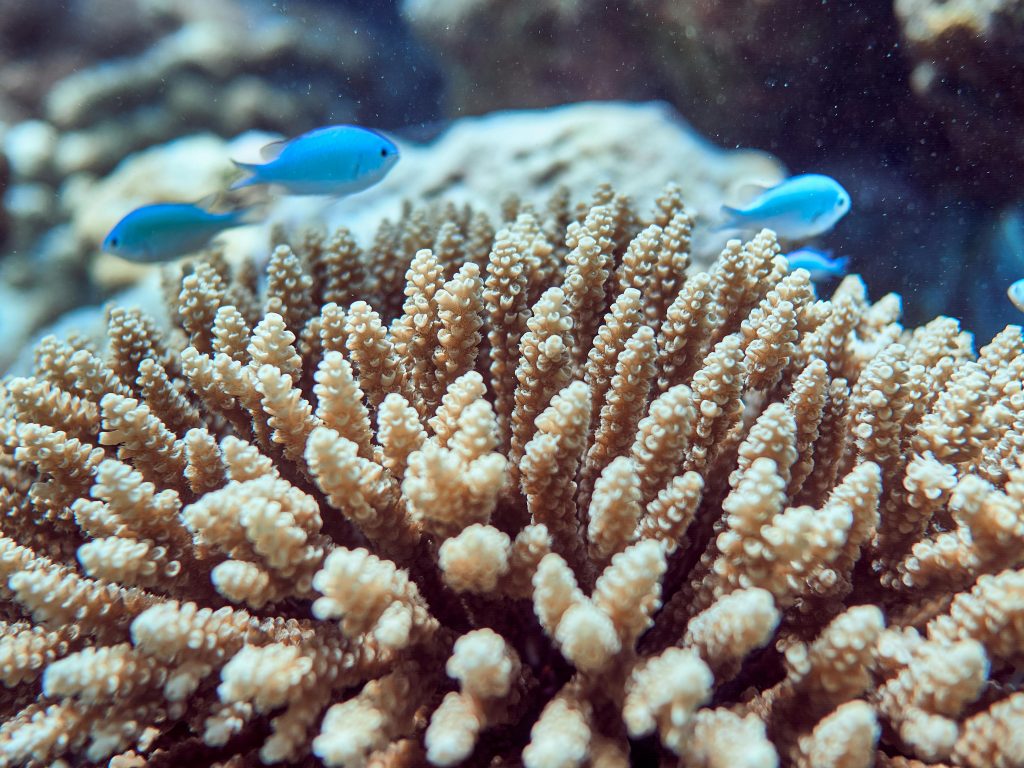
SPS corals need the strongest circulation. Acropora thrive in turbulent, high-energy conditions. Strong flow helps gas exchange and prevents detritus from settling between branches. Random movement is critical. Constant one-direction flow can create dead areas inside dense colonies.
Mixed reefs need intentional zones. Place lower-flow corals behind rock or lower in the tank. Put SPS higher and closer to stronger intersecting currents.
Powerhead Placement Tips
Placement matters as much as pump size. Aim for broad circulation across the whole display. Avoid pointing a pump straight at a coral from close range. Use glass, rock, and opposite currents to diffuse force.
- Mount pumps high to improve surface agitation and oxygen exchange
- Aim one pump slightly upward for ripple and gas exchange
- Aim another behind rockwork to reduce dead spots
- Use pulse or random modes when available
- Keep enough movement near the bottom to stop detritus buildup
If sand is blowing, reduce output, raise the pump, or change the angle. If debris collects behind rocks, add a second pump or redirect existing flow. Good placement creates movement everywhere without obvious harsh streams.
Common Problems
Why is detritus collecting in my reef tank?
This usually means flow is too weak or poorly directed. Dead spots form behind rock, under ledges, and in tank corners. Increase random circulation and improve pump coverage. Turkey baste the rockwork during maintenance. Rework dense aquascapes if waste keeps settling.
Why are my corals closing from too much flow?
Look for tissue whipping, retracted polyps, or skeleton showing on fleshy LPS. The cause is often direct flow, not total flow. Reduce intensity near that coral. Angle the pump away. Move the coral to a sheltered zone and observe for several days.
Why is my sand bed blowing around?
Fine sand shifts easily under strong current. Raise the pumps higher. Use anti-sync or random modes. Point flow toward the surface or front glass. If needed, choose a wider-flow pump or use slightly coarser sand in high-energy tanks.
Why do I still have cyano with strong pumps?
Flow helps, but it does not solve nutrient imbalance alone. Cyanobacteria can thrive even in high-flow tanks. Check nitrate, phosphate, feeding, and maintenance habits. Improve export and remove trapped waste. Flow should support good husbandry, not replace it.
What happens if a powerhead is oversized?
An oversized pump can still work if it is controllable. Many modern wavemakers are designed this way. The real issue is buying a non-adjustable pump that overwhelms the tank. Controllers give useful headroom as coral demand increases over time.
Should You Choose DC or AC Powerheads?
DC powerheads offer variable speed control, feed modes, and wave patterns. They are often quieter and easier to tune. AC powerheads are usually simpler and sometimes more durable, but they often lack fine control. For most reef keepers, controllable DC pumps make sizing easier because you can start lower and increase flow as needed.
This flexibility is valuable in mixed reefs. You may begin with LPS and soft corals, then add SPS later. Adjustable pumps let the system grow with your livestock plan. They also help during acclimation, coral dips, feeding, and maintenance.
Frequently Asked Questions
How many powerheads does a reef tank need?
Most reef tanks need at least two. Two pumps create better random flow and reduce dead spots. Larger tanks may need three or more.
Is return pump flow enough for a reef tank?
Usually no. Return pumps move water through filtration, but they rarely provide enough broad internal circulation for corals.
What turnover is best for a mixed reef?
A good target is 30x to 50x per hour. Start near the middle and adjust based on coral response and aquascape.
Can flow be too strong for SPS corals?
Yes. SPS like strong flow, but not a constant direct blast. They do best with turbulent, changing movement from multiple directions.
Should powerheads run all the time?
Yes, in most cases. Constant circulation supports oxygen levels and waste suspension. Many reef keepers reduce intensity at night, but they do not shut flow off completely.
Final Thoughts
Powerhead sizing for reef tanks is about balance. You need enough flow to keep the reef clean and oxygenated. You also need enough control to protect coral tissue and maintain comfort for fish. Start with turnover guidelines, but let coral behavior and detritus patterns guide your final settings. In most cases, two controllable pumps are better than one oversized fixed-speed unit. Build around your coral goals, keep the aquascape open, and revisit flow as the tank matures.
Related reading: reef tank flow guide, best powerheads for reef tanks, reef tank aquascaping basics, mixed reef tank setup, reef tank water parameters.
Was this helpful?
Related Posts
Setting Up A Reef Tank
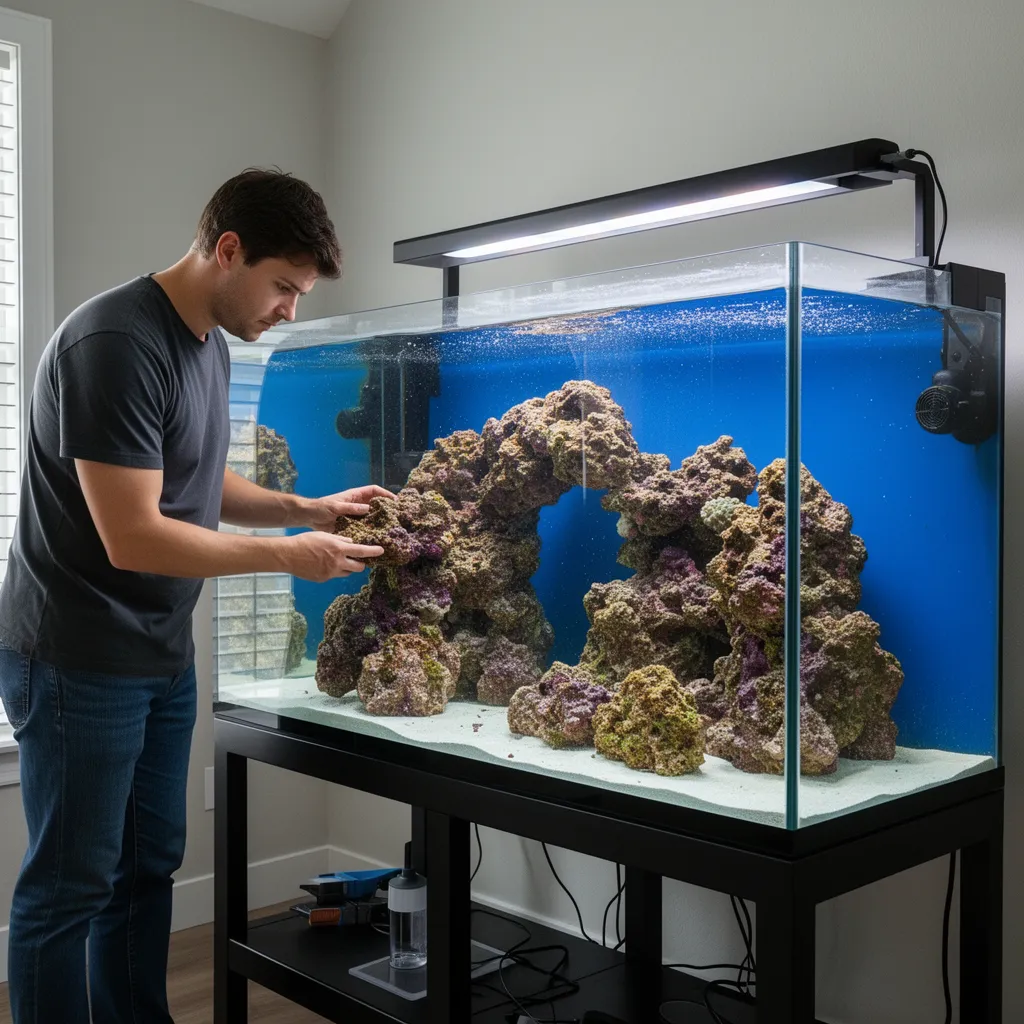
Setting up a reef tank is easier when you focus on stability, smart equipment, and slow stocking. This…
 By
ByPowerhead Placement for Reef Tanks
Dial in reef tank flow with smart powerhead placement. Learn proven layouts, targets, and troubleshooting for cleaner sand…
[favorite_button]
My Bookmarks:
To see full list click here
[user_favorites user_id="" include_links="true" site_id="" post_types="" include_thumbnails="true" thumbnail_size="thumbnail" include_excerpt="false"]