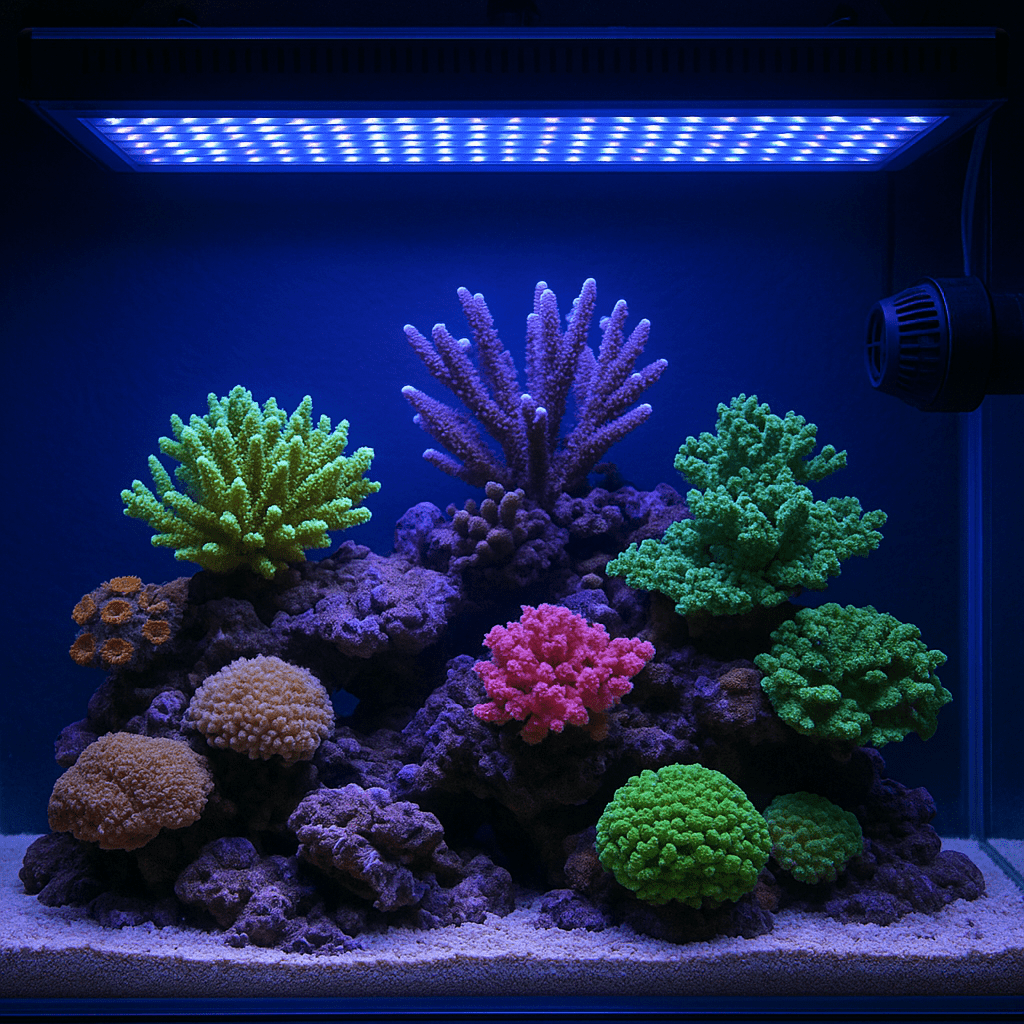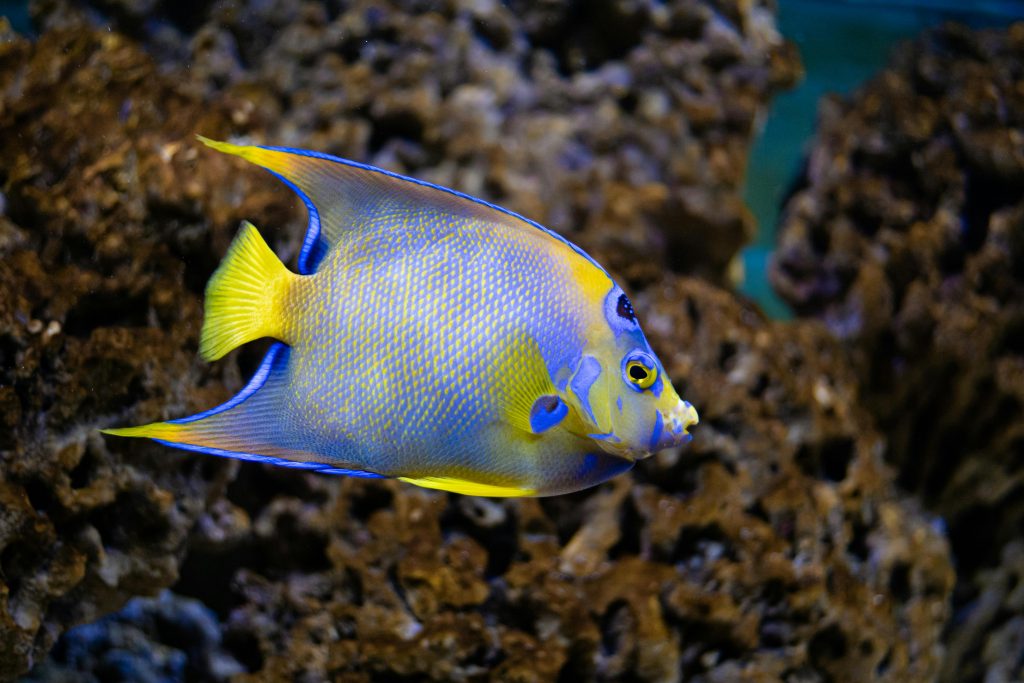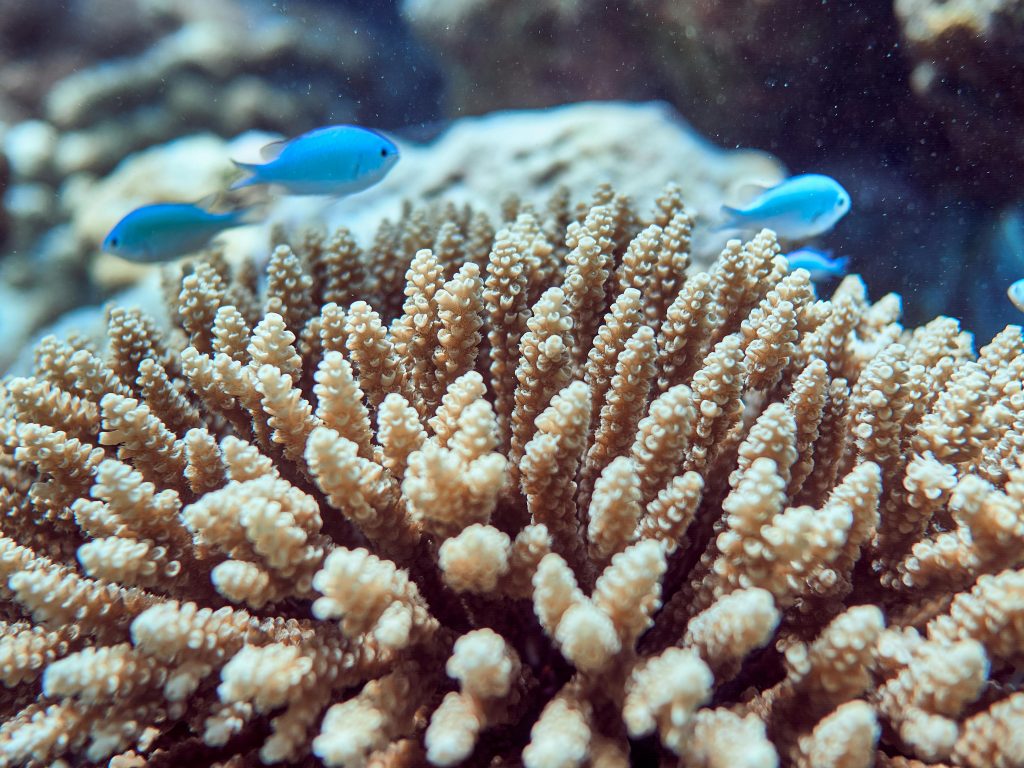
Choosing reef safe fish means picking species that usually ignore corals, clams, and most invertebrates. The best choices are peaceful fish with predictable feeding habits, modest adult size, and temperaments that fit your tank. This guide covers the safest options, common exceptions, and how to build a balanced reef community.
A reef tank is more than a fish tank with coral. It is a living system with delicate relationships. One wrong fish can nip polyps, harass tank mates, or wipe out your clean up crew. That is why reef hobbyists ask the same question early on. Which fish are actually reef safe? The answer is not always simple. Some fish are nearly bulletproof choices. Others are reef safe with caution. Behavior also changes with tank size, feeding, and stocking order. In this guide, you will learn how reef safe fish are defined, which species are best for beginners, which fish need extra care, and how to avoid common compatibility mistakes.
Quick Reference Table
| Fish Group | Reef Safety | Difficulty | Minimum Tank | Notes |
|---|---|---|---|---|
| Clownfish | Very high | Easy | 20 gallons | Great beginner fish. Can become territorial. |
| Gobies | Very high | Easy | 10-30 gallons | Excellent for nano reefs. Many stay small. |
| Blennies | High | Easy to moderate | 20-30 gallons | Useful algae grazers. Some may nip at similar fish. |
| Wrasses | High with caution | Moderate | 30-75 gallons | Many are reef safe. Some eat shrimp or snails. |
| Cardinalfish | Very high | Easy | 30 gallons | Peaceful and coral safe. |
| Tangs | High | Moderate | 75-180 gallons | Mostly coral safe. Need swimming room. |
| Dwarf angelfish | Reef safe with caution | Moderate | 55 gallons | May nip LPS, zoas, or clam mantles. |
| Butterflyfish | Usually not reef safe | Moderate to hard | 75 gallons | Many species eat coral polyps. |
What Does Reef Safe Fish Mean?
Reef safe usually means a fish will not damage corals or other reef life under normal conditions. In practice, that means it should not eat coral tissue, pick at clam mantles, or hunt useful invertebrates. It should also coexist with common reef fish without causing constant stress. Still, reef safe is not a perfect label. Fish have personalities. A species with a good reputation can still become a problem in one tank.
Feeding plays a big role. Hungry fish are more likely to experiment with coral polyps or ornamental shrimp. Tank size matters too. Crowded fish become aggressive faster. Aquascape also changes behavior. Fish need caves, open water, and clear territories. When hobbyists ask if a fish is reef safe, the better question is this. Is this fish likely to behave in my reef tank? That depends on species, setup, and husbandry. If you want a safer path, choose fish with long records of coral compatibility and simple care needs.
Best Reef Safe Fish for Beginners
Clownfish are among the safest starter fish. They are hardy, easy to feed, and adapt well to captive life. Ocellaris and percula clownfish are the most common choices. They rarely bother corals. They may host in soft corals or powerheads if no anemone is present. A bonded pair works well in many tanks. Just expect some territorial behavior near their chosen home.
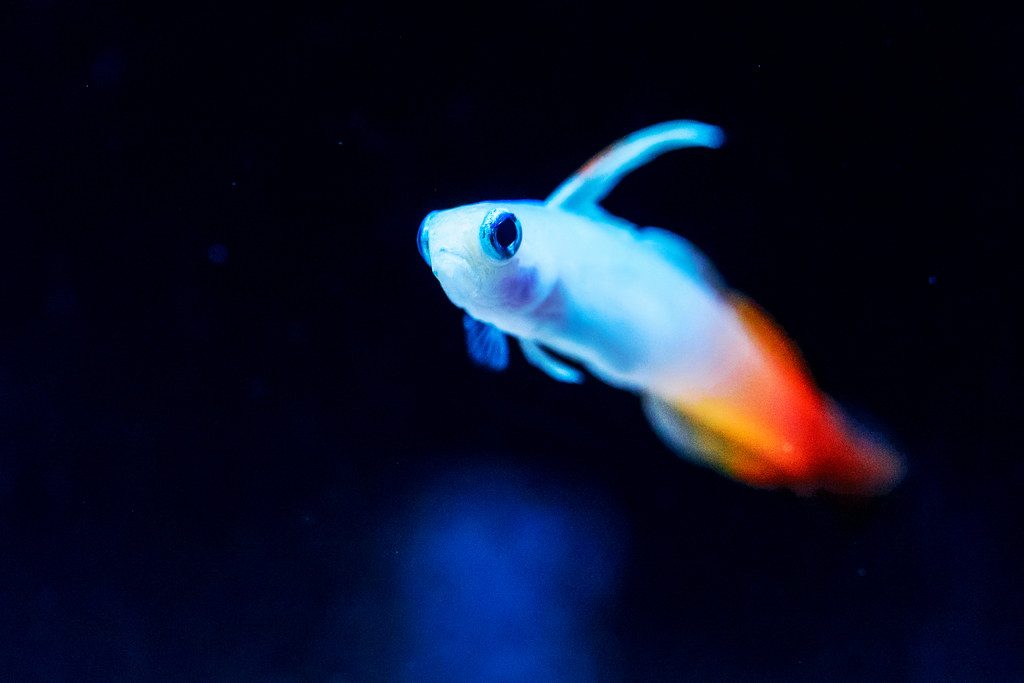
Gobies are another top pick. Watchman gobies, clown gobies, and neon gobies stay small and fit nano reefs well. Many are peaceful and spend their time perched or hovering. Blennies also rank high. Tailspot blennies and lawnmower blennies add personality and can help with algae control. Banggai and pajama cardinalfish are excellent for calm community tanks. Firefish are beautiful and peaceful, though they jump easily. Use a tight lid. If you want a simple and reliable stocking list, start with clownfish, a goby, a blenny, and a cardinalfish pair. That mix works in many beginner reef tanks.
Reef Safe Fish Groups That Need Caution
Not all popular marine fish are equally safe around coral. Wrasses are a good example. Many fairy wrasses and flasher wrasses are excellent reef fish. They are active, colorful, and usually ignore coral. But some wrasses eat ornamental shrimp, feather dusters, flatworms, or snails. Six line wrasses can also become aggressive over time. Research the exact species before buying.
Dwarf angelfish cause the most debate. Coral beauty, flame angel, and lemonpeel angel are often sold as reef safe with caution. That warning matters. Some individuals behave perfectly for years. Others start nipping at LPS corals, zoanthids, or clam mantles within days. Tangs are usually coral safe, but they need large tanks and strong algae-based feeding. In small tanks, they may become stressed and aggressive. Hawkfish are another mixed case. They rarely harm corals, but they often eat small shrimp. If your reef includes prized cleaner shrimp or sexy shrimp, skip hawkfish.
Natural Feeding Behavior and Why It Matters
Understanding how fish feed in nature helps predict reef safety. Planktivores are often the safest coral companions. These fish feed from the water column and usually ignore sessile invertebrates. Anthias, chromis, many wrasses, and cardinalfish fit this pattern. Herbivores can also be excellent choices. Tangs and some blennies spend their time grazing algae from rock surfaces. That behavior is helpful in reef tanks.
Problems appear with fish adapted to picking at surfaces for tiny animals. Angelfish and butterflyfish often browse sponges, tunicates, coral mucus, or polyps in the wild. That makes them risky in mixed reefs. Carnivores that hunt crustaceans can also threaten your clean up crew. Dottybacks, some wrasses, and hawkfish may target shrimp or small crabs. This is why labels like peaceful or aggressive are not enough. A fish can be peaceful toward other fish and still be a bad reef resident. Always match natural diet to the animals you want to protect.
Aquarium Setup for Reef Safe Fish
Even the best reef safe fish need the right environment. Stable water quality comes first. Aim for consistent salinity, temperature, alkalinity, and nutrient levels. Sudden swings cause stress. Stressed fish hide more, fight more, and sometimes pick at corals. Build your aquascape with both caves and open swimming lanes. Shy fish need shelter. Active fish need room to move. This reduces conflict and supports natural behavior.
Use a lid on almost every reef tank. Firefish, wrasses, gobies, and dartfish are famous jumpers. Plan stocking around adult size, not store size. A tiny tang still becomes a large tang. Feed varied foods on a schedule. Well fed fish are less likely to sample coral tissue. Quarantine is also worth the effort. It prevents parasites and gives new fish time to settle into prepared foods. For more on tank planning, see: reef tank setup guide, reef tank parameters, and best clean up crew for reef tank.
Step by Step: How to Choose Reef Safe Fish
Start with your tank size. This removes many poor choices right away. A 20 gallon reef cannot house active open-water fish. Next, list your must-have invertebrates. If you want shrimp, avoid known shrimp hunters. If you keep clams, be very careful with angelfish and butterflyfish. Then choose fish by behavior zone. Pick one fish for the rocks, one for open water, and one for the bottom if space allows. This spreads territory and lowers aggression.
Add peaceful fish first. Add semi-aggressive fish later. Introduce fish with similar diets so feeding stays simple. Research adult size, not juvenile appearance. Check whether the fish is captive bred when possible. Captive bred fish often adapt better to aquarium foods. Finally, keep a backup plan. Even a trusted species can become a problem. A fish trap or acclimation box can save a reef from weeks of stress. If you are building your first stocking list, read: best reef fish for beginners and how to quarantine saltwater fish.
Compatibility in a Mixed Reef
Compatibility is about more than coral safety. Fish must also tolerate each other. Clownfish can bully peaceful newcomers in smaller tanks. Dottybacks may harass gobies and firefish. Tangs often fight with similar shaped tangs. Wrasses may chase other wrasses without enough space. A reef safe fish that terrorizes the tank still creates a husbandry problem. Chronic stress weakens immunity and can trigger disease outbreaks.
Think in layers. Bottom dwellers like gobies and some blennies use caves and sand. Midwater fish like cardinals and anthias hover in the water column. Rock perchers like clownfish and hawkfish claim a home base. Mixing these roles usually works better than stocking several fish with the same niche. Also consider coral placement. Territorial clownfish may defend a torch coral like an anemone. Blennies may perch on SPS branches. Those behaviors are usually harmless, but they can irritate sensitive corals in smaller systems. Observe closely after each new addition.
Common Problems
Fish Nipping at Corals
The most common cause is species mismatch. Dwarf angels and some butterflies are frequent offenders. Underfeeding can make it worse. Increase feeding frequency with small, nutrient-rich meals. Offer algae sheets, frozen blends, and pellets. If nipping continues, isolate the fish in an acclimation box. Some individuals never stop. In that case, rehoming is the best option.
Fish Eating Shrimp or Snails
This usually points to wrasses, hawkfish, triggers, puffers, or larger dottybacks. Check the species profile again. If the fish is known to hunt crustaceans, the behavior is natural. Add cleaner shrimp only to tanks with compatible fish. Avoid tiny decorative shrimp in predator-leaning reefs.
Aggression After Adding New Fish
Territory is the usual issue. Rearrange a few rocks before adding a new fish. Use an acclimation box for several days. Add peaceful fish before dominant fish. Feed well during introductions. If aggression continues, the tank may be too small for that combination.
Reef Safe Fish Hiding Constantly
Hiding often means stress. Check for bullying, poor flow patterns, or lack of cover. Test ammonia, salinity, and temperature. New fish may hide for several days, but long-term hiding needs investigation. A secure aquascape with caves usually helps.
Jumping From the Tank
Many reef safe fish are excellent jumpers. Firefish, wrasses, gobies, and dartfish are notorious. Use a mesh lid with no gaps. Jumping often follows aggression, sudden light changes, or nighttime fright responses. Prevention is much easier than recovery.
Frequently Asked Questions
What is the most reef safe fish for beginners?
Ocellaris clownfish are one of the safest beginner choices. They are hardy, widely available, and usually ignore corals.
Are tangs reef safe?
Most tangs are coral safe. They mainly graze algae. They still need large tanks, strong flow, and frequent feeding.
Are angelfish reef safe?
Large angelfish are usually not reef safe. Dwarf angelfish are reef safe with caution. Some never nip. Some definitely do.
Can reef safe fish still eat shrimp?
Yes. A fish can ignore coral and still eat ornamental shrimp. Reef safe does not always mean invert safe.
How many reef safe fish can I keep?
That depends on tank size, filtration, and fish choice. Stock by adult size and behavior, not by simple numbers.
Final Thoughts
The best reef safe fish are species with long records of success in coral tanks. Clownfish, gobies, blennies, cardinalfish, and many peaceful wrasses lead that list. Fish labeled reef safe with caution need careful thought. Dwarf angels, hawkfish, and some wrasses can work, but they carry real risk. If you stay conservative, feed well, and stock slowly, your reef will be easier to manage. A calm fish community helps corals extend, invertebrates thrive, and maintenance stay enjoyable. When in doubt, choose the safer fish. In reef keeping, patience usually beats impulse buying.
Was this helpful?
Related Posts
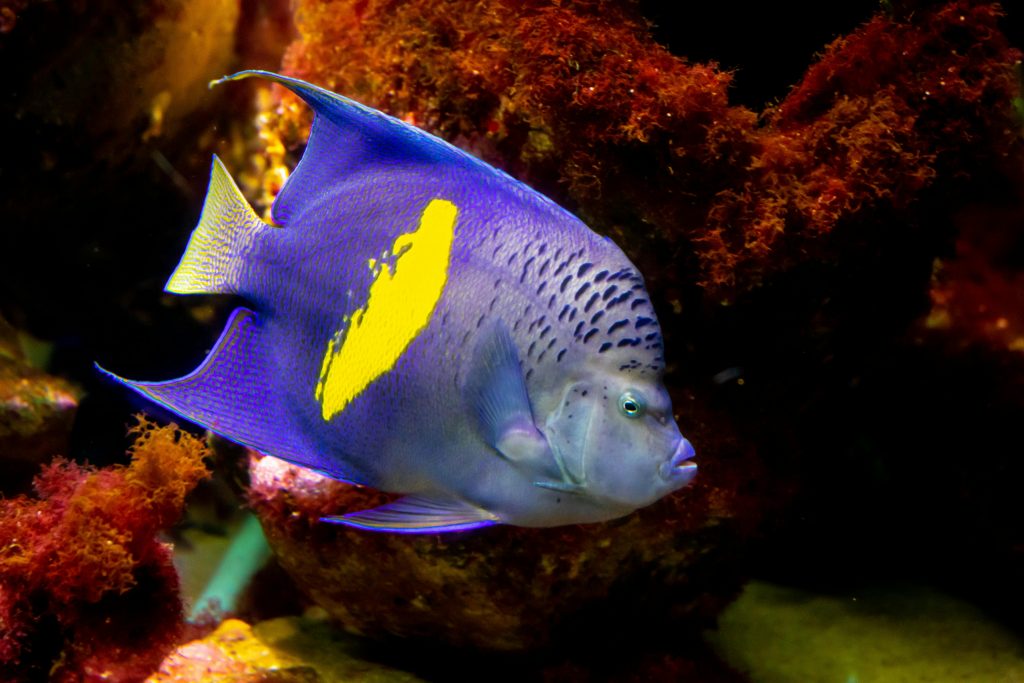
Asfur Angelfish (Pomacanthus Asfur)
Asfur Angelfish are stunning but demanding marine fish that need a large tank, varied diet, and careful tankmate…
 By
By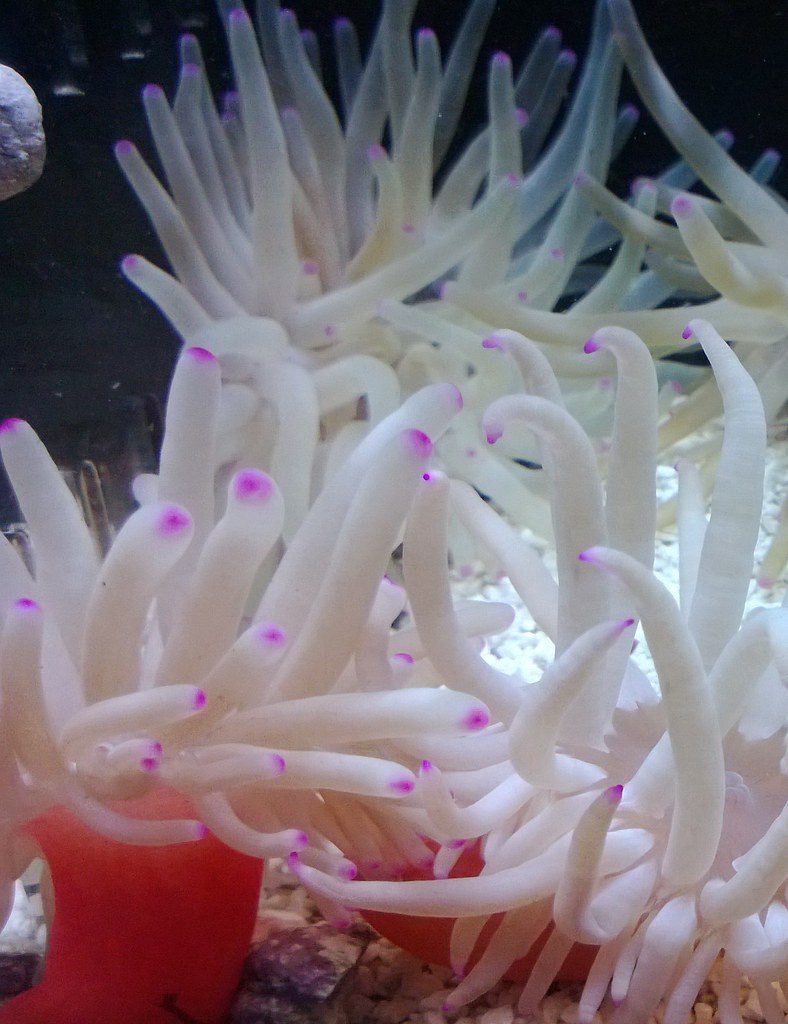
Condy Anemones
Condy anemones can thrive with stable water, safe flow, and moderate light. Learn placement, feeding, and troubleshooting for…