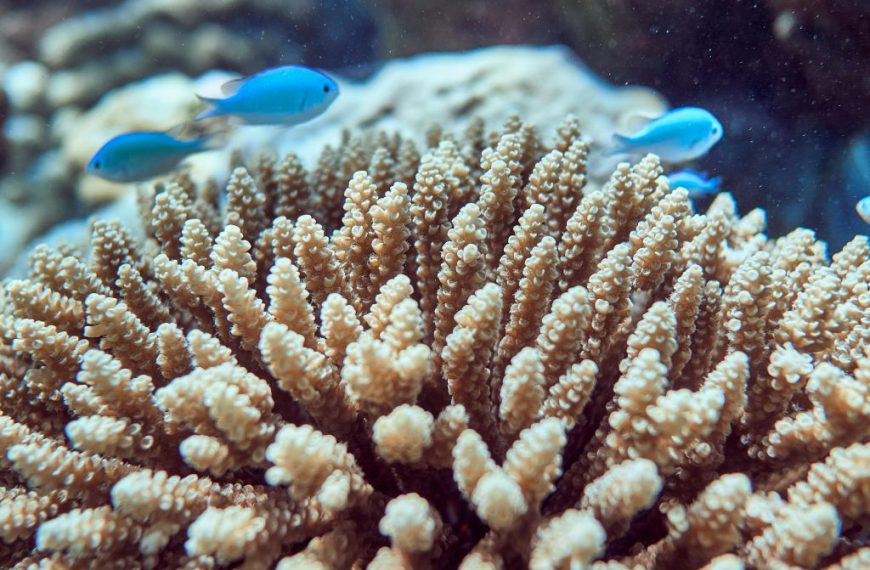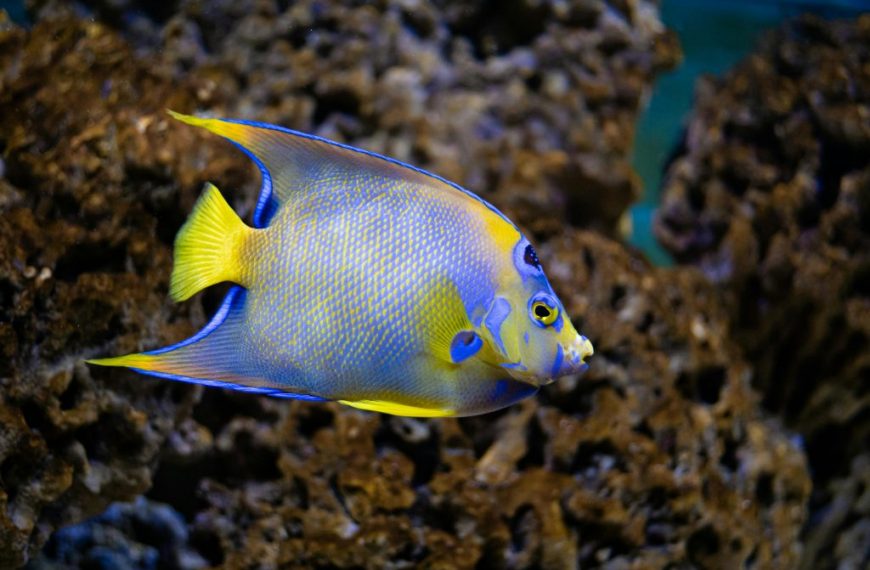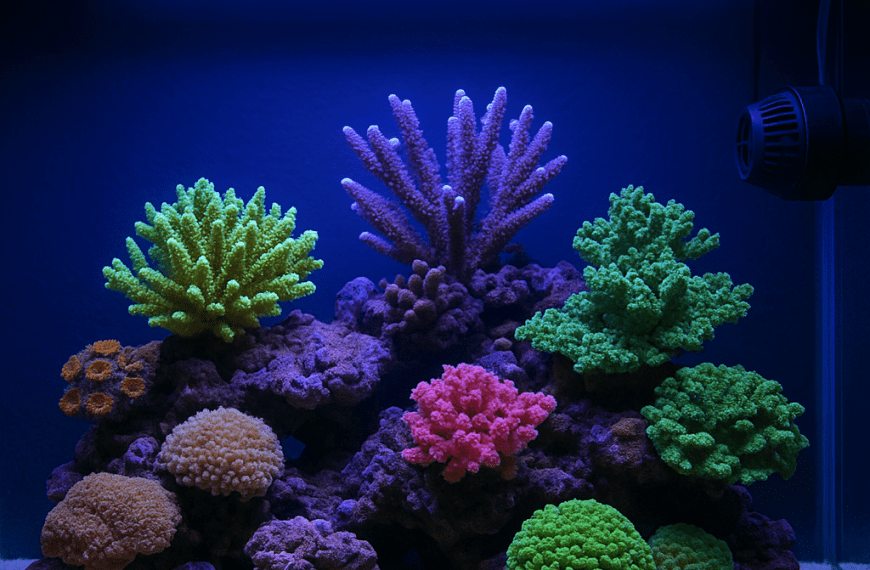
Setting up your first reef tank is one of the most rewarding projects in the aquarium hobby. With the right plan, you can avoid common beginner mistakes and build a stable, beautiful slice of the ocean in your home. This reef tank setup guide walks you through equipment, rock and sand, cycling, and adding livestock step by step.

Planning Your Reef Tank & Essential Equipment
Before buying corals and fish, start with a clear plan. Decide where the tank will go and what type of reef you want (soft corals, LPS, or SPS). Stability is everything, so choose a spot away from windows, heaters, and high-traffic areas.
Core Equipment Checklist
- Tank & stand: A 20–40 gallon tank is a great beginner size—large enough for stability, small enough to manage.
- Filter or sump: A sump adds water volume and hides equipment, but a hang-on-back filter can work for smaller reefs.
- Heater & thermometer: Aim for 77–79°F (25–26°C) and check temperature daily.
- Reef lighting: Choose LED lights designed for coral growth with controllable intensity and spectrum.
- Powerheads: Provide strong, random flow to keep detritus suspended and corals healthy.
- Protein skimmer (optional but recommended): Helps remove dissolved organics and keeps nutrients in check.
For more help choosing gear, see our Beginner Reef Tank Equipment Checklist.
Rock, Sand, and Cycling Your Reef Tank
Your rock and sand form the biological backbone of the system. They host the bacteria that convert toxic waste into less harmful compounds.
Choosing Rock & Sand
- Live rock or dry rock: Live rock brings beneficial bacteria and biodiversity; dry rock is cleaner and often cheaper. Many hobbyists use a mix.
- Substrate: Aragonite sand in the 1–2 mm range is easy to clean and looks natural. Rinse dry sand before use.
- Aquascape tips:
- Create open caves and arches for fish to hide and swim through.
- Leave space between rock and glass for cleaning.
- Stack rock securely—test for wobble before filling with water.
Cycling the Tank
Once your rock and sand are in place and the tank is filled with mixed saltwater, it’s time to cycle the system.
- Add an ammonia source (pure ammonia or a pinch of fish food).
- Use a bottled bacteria starter to speed up the process.
- Test ammonia, nitrite, and nitrate weekly.
Only add fish and corals after ammonia and nitrite both read zero for several days in a row.
For a deeper dive into this stage, check out our How to Cycle a Saltwater Aquarium guide.
Stocking & Long-Term Reef Tank Success
Once your tank is cycled, resist the urge to rush. Add livestock slowly so the biological filter can keep up.
Adding Fish & Corals Safely
- Start with hardy species and peaceful fish such as clownfish, gobies, and certain wrasses.
- Quarantine new arrivals whenever possible to avoid introducing pests and disease.
- Begin with easy soft corals and LPS that tolerate a wider range of conditions.
Maintenance Habits That Keep Your Reef Stable
- Weekly: 10–15% water change, glass cleaning, and testing salinity, temperature, and nitrate.
- Bi-weekly: Test alkalinity, calcium, and magnesium; clean filter socks or media.
- Monthly: Deep clean pumps, check heater function, and inspect for salt creep or leaks.
As your corals grow, you’ll need to maintain stable nutrients and water chemistry. Our Reef Tank Water Parameters Guide explains target ranges and how to keep them steady.
With a thoughtful setup, patient cycling, and consistent maintenance, your reef tank will mature into a thriving ecosystem. Take it slow, enjoy each stage, and remember: stability beats speed in this hobby every time.
Sources
- Fenner, R. M. (2001). The Conscientious Marine Aquarist. Microcosm.
- Paletta, M. (2003). The New Marine Aquarium. Microcosm.
- Sprung, J., & Delbeek, J. C. (1994–2005). The Reef Aquarium Vol. 1–3. Ricordea Publishing.
- Borneman, E. H. (2001). Aquarium Corals. TFH Publications.
Was this helpful?
Related Posts
Bristleworms
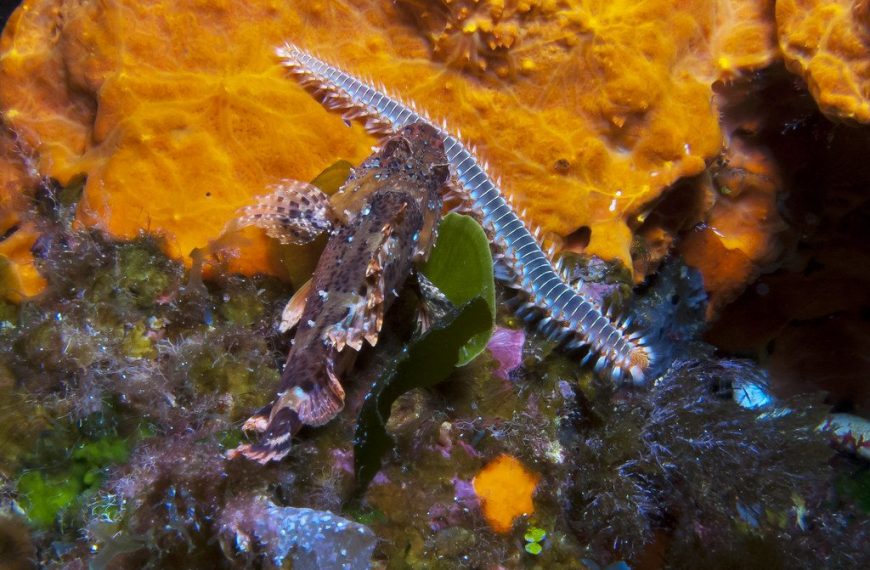
Bristleworms are usually helpful reef tank scavengers. Learn how to identify them, control numbers, and spot the rare…
 By
By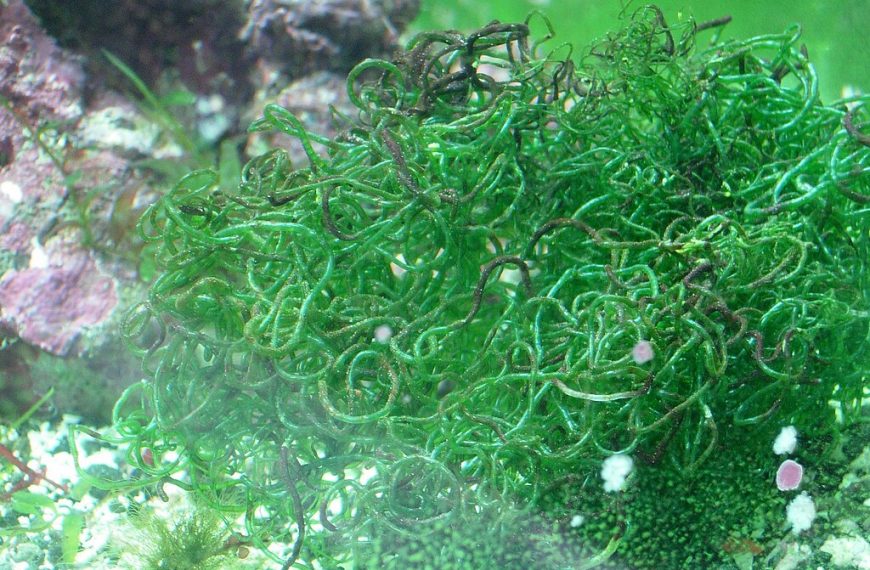
What is a Chaeto Reactor, and How Does it Help Control Nutrients?
A chaeto reactor grows macroalgae in a sealed chamber to remove nitrate and phosphate, helping reef tanks control…