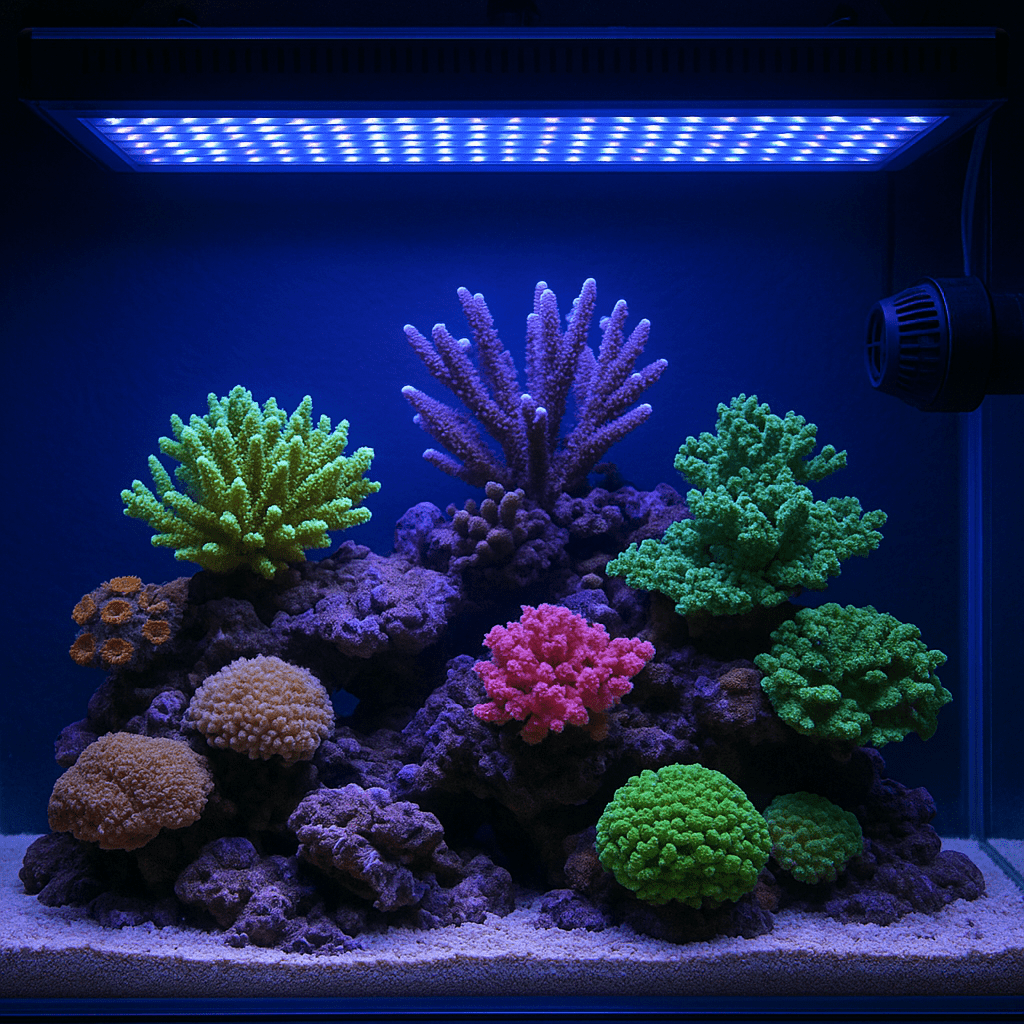
Reef tank basics come down to stability, patience, and smart equipment choices. Start with a manageable tank, quality saltwater, strong filtration, and a clear stocking plan. When you keep water parameters steady, most reef problems become easier to prevent and fix.
A reef aquarium can look intimidating at first. There are lights, pumps, test kits, corals, and endless opinions online. The good news is that success usually depends on a few core habits. In this guide, you will learn how reef tanks work, what equipment matters most, how to cycle the tank, which water parameters to target, and how to avoid common beginner mistakes. This article is built for new reef keepers, but it also helps intermediate hobbyists tighten up their routine. If you understand the basics early, your reef will be healthier, more stable, and far more enjoyable to maintain.
Quick Reference Table
| Category | Recommended Starting Point |
|---|---|
| Tank size | 20 to 40 gallons for many beginners |
| Salinity | 1.025 specific gravity |
| Temperature | 77 to 79°F |
| pH | 7.9 to 8.4 |
| Alkalinity | 8 to 9 dKH |
| Calcium | 400 to 450 ppm |
| Magnesium | 1250 to 1400 ppm |
| Nitrate | 2 to 15 ppm for mixed reefs |
| Phosphate | 0.03 to 0.10 ppm |
| Lighting | Match intensity to coral type |
| Flow | Moderate to strong, varied movement |
| Water changes | 10 to 15% weekly or biweekly |
These numbers are not magic by themselves. Stability matters more than chasing perfect values. A reef tank can tolerate small differences. It struggles with fast swings. Pick a reasonable target range and keep it consistent.
What Makes a Reef Tank Different
A saltwater fish tank and a reef tank are not the same thing. Reef systems keep corals, and corals have stricter needs. They rely on stable chemistry, proper lighting, and good water movement. Many also host symbiotic algae called zooxanthellae. These algae use light to produce energy for the coral.
That is why reef tanks need more planning than fish-only systems. Corals react quickly to poor water quality. They also react to sudden changes in salinity, alkalinity, and temperature. Fish may survive those swings. Corals often will not.
The goal is not to create sterile water. Corals need nutrients too. The real goal is balance. You want enough nitrate and phosphate to support life, but not enough to fuel nuisance algae. You want enough light for coral growth, but not so much that new frags bleach. Once you understand that balance, reef keeping becomes much less confusing.
Choosing the Right Tank Size
Many beginners assume a small tank is easier. In reef keeping, that is often false. Small tanks cost less upfront, but they change fast. Salinity rises quickly when water evaporates. Nutrients spike faster after heavy feeding. Temperature can swing more during hot weather.
A 20 to 40 gallon tank is often a strong starting point. It gives you enough water volume for better stability. It also leaves room for a few fish and beginner corals. Nano reefs can be beautiful, but they reward careful daily attention.
If you have space and budget, a 40 breeder or similar setup is excellent. It offers a wide footprint for aquascaping. Corals get room to grow. Fish get more territory. Maintenance also feels less stressful. Bigger tanks are not always easier to clean, but they are often easier to keep stable.
Essential Reef Tank Equipment
You do not need every gadget on day one. You do need reliable basics. Start with a quality aquarium, heater, thermometer, return pump if using a sump, and powerheads for flow. Add a reef-capable light that matches your coral goals.
Filtration can be simple or advanced. Most reef tanks use live rock, mechanical filtration, and some form of nutrient export. That may include a protein skimmer, filter socks, floss, or a refugium. A skimmer is helpful, but not mandatory on every small reef. Good husbandry still matters more.
An auto top off system is one of the best upgrades for beginners. It replaces evaporated water with fresh RO/DI water. This keeps salinity stable. A refractometer is also essential. Avoid guessing salinity with cheap swing-arm hydrometers. Test kits for alkalinity, calcium, magnesium, nitrate, and phosphate should be part of your core setup.
If you want more help choosing gear, see our guides on best reef tank lights, protein skimmer basics, and reef tank flow guide.
Water Quality and Core Parameters
Stable saltwater chemistry is the foundation of reef success. Salinity should stay close to 1.025 specific gravity. Temperature should remain steady, usually between 77 and 79°F. Avoid daily swings whenever possible.
Alkalinity is one of the most important numbers in a reef tank. It supports coral skeleton growth and pH stability. Beginners should test alkalinity often. Calcium and magnesium also matter, especially as stony corals begin to grow. Soft coral tanks consume less, but they still benefit from balanced water.
Nitrate and phosphate should not be zero in most systems. Ultra-low nutrients can cause pale corals and poor growth. Excess nutrients can drive algae and reduce coral health. Aim for a reasonable range and avoid overcorrecting. Fast changes cause more trouble than slightly imperfect numbers.
Always use RO/DI water for mixing salt and topping off evaporation. Tap water often brings in nitrate, phosphate, silicate, copper, and other contaminants. That creates algae issues and can harm invertebrates.
Step-by-Step: Setting Up a Beginner Reef Tank
- Choose the tank location. Keep it level and away from direct sunlight.
- Install equipment. Test the heater, pumps, and lights before adding livestock.
- Add rinsed sand if desired. Place dry rock or cured live rock securely.
- Fill with mixed saltwater made from RO/DI water.
- Start flow, heater, and filtration. Check salinity and temperature.
- Cycle the tank using an ammonia source and bacteria starter if preferred.
- Test ammonia, nitrite, and nitrate during the cycle.
- Wait until ammonia and nitrite read zero.
- Add a small clean-up crew and the first hardy fish slowly.
- Add beginner corals only after the tank shows stable parameters.
Do not rush this process. A reef tank often looks ready before it actually is. The cycle builds the bacterial base that processes waste. Even after the cycle, the tank is still maturing. Algae phases are common. Small diatom blooms and ugly stages do not mean failure. They are part of normal tank development.
Lighting Requirements
Light drives coral health, but more light is not always better. Soft corals and many LPS corals do well under moderate intensity. SPS corals usually need stronger light and tighter stability. Beginners should start lower and increase slowly.
Modern LED fixtures are popular because they are efficient and adjustable. That flexibility helps, but it can also cause mistakes. New hobbyists often run lights too bright. This can bleach corals, especially fresh frags from dimmer systems.
Use a consistent schedule. Eight to ten hours of full lighting is enough for many tanks. Ramp periods can add viewing appeal. They do not replace proper intensity. If possible, use PAR measurements or trusted manufacturer settings. Watch your corals closely. Stretching, browning, or bleaching often point to lighting issues.
Water Flow
Corals need moving water for gas exchange, waste removal, and feeding response. Stagnant areas collect detritus and fuel algae. Strong but random flow is usually better than a constant blast in one direction.
Soft corals often like moderate, indirect flow. LPS corals usually prefer gentle to moderate movement that keeps tissue swaying without tearing. SPS corals often need stronger, chaotic flow. The exact pattern depends on the species and tank layout.
Place powerheads so they create broad circulation across the reef. Avoid dead spots behind rockwork. Also avoid direct jets at fleshy corals. If sand blows everywhere, the flow may be too concentrated. Adjust pump angle, output, or pulse settings until the tank has even movement without creating stress.
Feeding Fish and Corals
Feed fish small amounts once or twice daily. Offer a varied diet. Use frozen mysis, quality pellets, algae sheets, and species-specific foods when needed. Variety supports color, immune health, and natural behavior.
Corals also benefit from nutrition, though not all need direct feeding. Many soft corals and photosynthetic corals get much of their energy from light. LPS corals often respond well to occasional target feeding. Small meaty foods can improve growth and fullness. Do not overfeed. Extra food quickly becomes nutrient waste.
A healthy reef is fed enough to support life, but not so much that nutrients spiral upward. If nitrate and phosphate keep climbing, reduce food, improve export, or both. If corals look pale and nutrients are unreadable, the tank may be too clean.
Compatibility and Stocking Basics
Stocking a reef tank is not just about what fits. It is about behavior, diet, and coral safety. Some fish are reef safe. Others nip corals, eat shrimp, or bully tankmates. Always research each species before buying.
Beginner-friendly reef fish often include clownfish, firefish, royal grammas, watchman gobies, and many blennies. Add fish slowly. This protects the biofilter and reduces aggression. Quarantine is strongly recommended. It helps prevent marine ich, velvet, and bacterial infections from entering the display tank.
Corals also need spacing. Many have sweeper tentacles or chemical defenses. Euphyllia, galaxea, and some chalices can sting nearby neighbors. Plan for future growth, not just current frag size. For more stocking help, check best beginner reef fish and reef-safe clean up crew.
Common Problems
Why is my reef tank growing algae?
Most algae issues come from excess nutrients, weak export, old source water, or a young tank maturing. Test nitrate and phosphate. Check your RO/DI water. Remove detritus from low-flow areas. Reduce overfeeding. Increase water changes if needed. Be patient with new tanks. Early blooms are common.
Why are my corals not opening?
Closed corals can signal unstable salinity, poor flow, aggressive neighbors, pests, or recent changes in lighting. Check alkalinity first. Confirm temperature and salinity. Inspect for nudibranchs, flatworms, or vermetid snails. Review any recent dosing or equipment changes.
Why did my coral bleach?
Bleaching usually follows excess light, sudden parameter swings, or heat stress. Lower light intensity gradually. Stabilize temperature. Avoid major chemistry corrections all at once. Some corals recover if stress is removed quickly.
Why does my salinity keep changing?
Evaporation removes fresh water, not salt. That raises salinity. Top off daily with RO/DI water, or use an auto top off system. Always measure with a calibrated refractometer.
Maintenance Routine for Long-Term Success
Simple routines beat heroic fixes. Top off evaporation daily if you do not use automation. Clean the glass as needed. Empty the skimmer cup. Replace filter floss or socks before they become nutrient traps.
Test alkalinity regularly. Test calcium and magnesium based on coral demand. Check nitrate and phosphate weekly or biweekly. Perform water changes on a schedule that matches your tank’s needs. Many beginner reefs do well with 10 to 15 percent weekly or every two weeks.
Observe the tank every day. That habit catches problems early. Fish behavior, coral extension, and algae growth often tell you more than a single test result. Reef keeping rewards consistency. If you stay patient and keep changes gradual, your reef will usually move in the right direction.
Frequently Asked Questions
How much does a beginner reef tank cost?
Costs vary widely. A basic beginner setup often starts in the high hundreds. Premium gear can push much higher. Spend more on reliable essentials, not gimmicks.
Can I use tap water in a reef tank?
It is not recommended. Tap water often contains contaminants that cause algae and stress invertebrates. Use RO/DI water instead.
What are the best first corals?
Many hobbyists start with zoanthids, mushrooms, green star polyps, toadstools, and some hardy LPS. Always research growth and aggression before placement.
How long should I wait before adding corals?
Wait until the tank is fully cycled and stable. Many beginners do best waiting several weeks after the cycle before adding the first easy corals.
Is a reef tank hard to maintain?
A reef tank is not easy, but it is very manageable. Good habits, stable parameters, and patience make a huge difference.
Was this helpful?
Related Posts
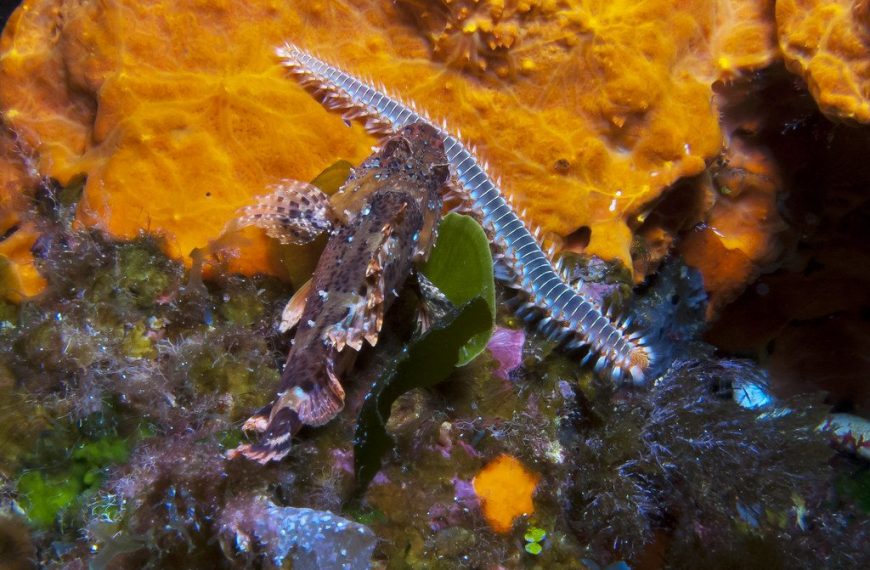
Bristleworms
Bristleworms are usually helpful reef tank scavengers. Learn how to identify them, control numbers, and spot the rare…
 By
By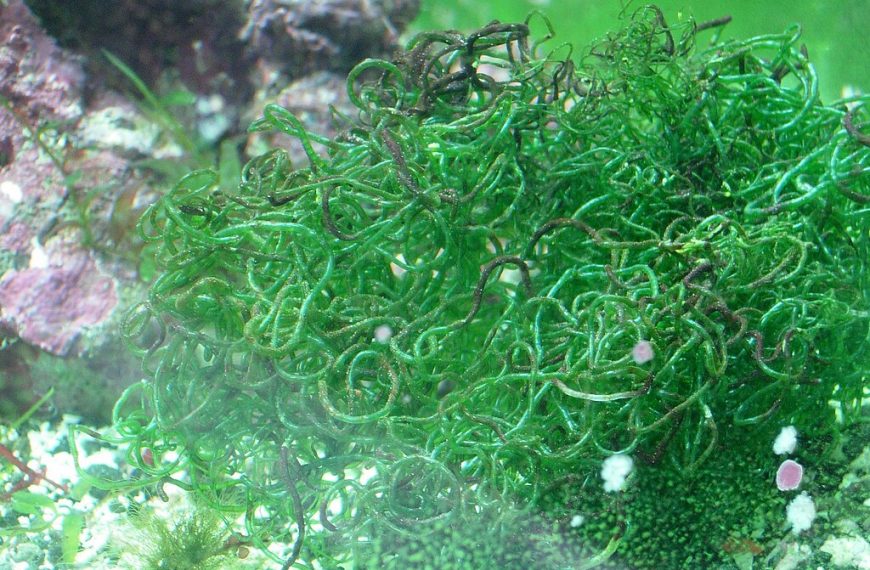
What is a Chaeto Reactor, and How Does it Help Control Nutrients?
A chaeto reactor grows macroalgae in a sealed chamber to remove nitrate and phosphate, helping reef tanks control…