Choosing the right reef tank filtration options keeps water stable, clear, and safe for corals and fish. The best setup usually combines mechanical, biological, and chemical filtration with strong protein skimming and regular maintenance.
Reef filtration can feel confusing at first. There are many devices, media types, and opinions. The good news is that most successful systems follow the same core principles. They remove waste early, support beneficial bacteria, and keep nutrients in balance. In this guide, you will learn how each filtration method works, which options fit different tank sizes, and how to build a simple, effective filtration plan for your reef aquarium.
Quick Reference Table
| Filtration Type | Main Job | Best For | Watch Out For |
|---|---|---|---|
| Mechanical filtration | Traps particles and detritus | All reef tanks | Dirty media can raise nitrate |
| Protein skimmer | Removes dissolved organics | Most reef tanks | Needs tuning and cleaning |
| Biological filtration | Processes ammonia and nitrite | Every established tank | Needs stable oxygen and flow |
| Chemical filtration | Removes toxins, phosphate, or discoloration | Targeted use or ongoing support | Media must be replaced on schedule |
| Refugium | Exports nutrients with macroalgae | Medium and large systems | Needs light, space, and pruning |
| Media reactor | Runs carbon, GFO, or specialty media | Tanks with specific nutrient issues | Too much media can strip water fast |
| UV sterilizer | Reduces free-floating algae and pathogens | Fish-heavy or problem tanks | Does not replace core filtration |
Why Filtration Matters in a Reef Tank
Reef tanks are closed systems. Waste builds up quickly. Fish produce ammonia. Uneaten food breaks down. Coral mucus and detritus collect in low-flow areas. Without proper filtration, water quality declines fast. Corals then lose color, close up, or develop tissue loss.
Good filtration does more than keep water clear. It stabilizes the nitrogen cycle. It limits nutrient spikes. It improves gas exchange. It also supports a healthier microbiome across rock, sand, and equipment surfaces. This matters because corals prefer stable conditions over perfect numbers.
Many beginners think one filter can do everything. In reef keeping, that rarely works. The strongest systems use layers of filtration. Each layer handles a different job. Mechanical filtration catches solids. Biological filtration processes toxic waste. Chemical media targets specific pollutants. A skimmer removes organics before they break down. Together, these methods create a more forgiving aquarium.
If you want to understand long-term stability, read our guides on nitrogen cycle in saltwater aquariums, reef tank water parameters, and protein skimmer setup.
Mechanical Filtration Options
Mechanical filtration removes visible particles from the water column. This includes fish waste, uneaten food, sand dust, and floating detritus. Filter socks are the most common choice on sump systems. Filter floss works well in all-in-one tanks. Roller mats are more advanced and reduce maintenance.
The key with mechanical filtration is consistency. Dirty media traps waste, but then it starts to decompose. That can raise nitrate and phosphate. Replace filter floss every few days. Wash filter socks often. If you use a roller mat, keep spare fleece on hand.
Mechanical filtration should sit early in the water path. That placement keeps detritus from settling deeper into the sump. It also helps skimmers work better by reducing heavy solids. In smaller tanks, a simple floss basket can be enough. In larger tanks, dual socks or an automatic roller can save time.
Do not overpack media chambers. Water should move freely. If flow backs up, waste can bypass the media or overflow the chamber.
Biological Filtration: The Core of Every Reef System
Biological filtration is the heart of a reef aquarium. Beneficial bacteria convert ammonia into nitrite, then nitrate. This process happens on live rock, dry rock, sand, ceramic media, and other porous surfaces. Without enough biological capacity, livestock faces toxic spikes.
Live rock remains one of the best biological filters available. It offers huge surface area and supports diverse microbes. Dry rock can work just as well over time. It simply needs time to mature. Ceramic blocks and marine spheres can add extra surface area in a sump. They are useful when rockwork is minimal.
Biological filtration works best with stable salinity, oxygen, and flow. Avoid cleaning all bio media at once. That can reduce bacterial populations. Rinse media gently in removed tank water if needed. Never use tap water on established bio media.
Some reef keepers remove bioballs from older wet-dry filters. That is often wise in modern reef systems. Bioballs process ammonia well, but they can trap detritus and contribute to elevated nitrate if neglected. Porous rock and clean sump design usually offer a better long-term balance.
Protein Skimmers and Organic Waste Removal
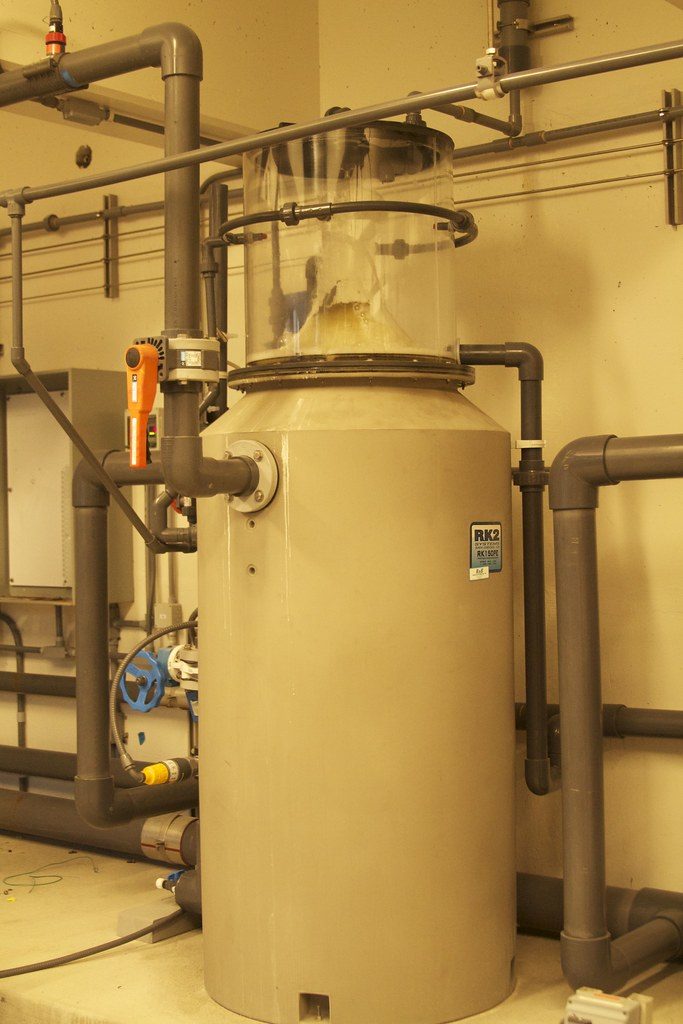
A protein skimmer is one of the most useful filtration tools in reef keeping. It injects fine air bubbles into water. Dissolved organic compounds stick to those bubbles. The foam then rises into a collection cup for removal. This exports waste before it becomes nitrate and phosphate.
Skimmers also improve oxygen exchange. That helps fish breathe easier and supports pH stability. Tanks with heavy feeding, larger fish, or dense coral stocking benefit the most. In nano reefs, a skimmer is helpful but not always mandatory if water changes are frequent.
Choose a skimmer based on real system volume, not marketing claims. Many models are overrated. A properly sized skimmer should produce steady skimmate after break-in. Wet skimming removes lighter waste and more water. Dry skimming makes darker waste but collects less volume.
Clean the neck and cup often. Performance drops when buildup forms. If your skimmer suddenly overflows, check for additives, epoxy use, oily foods, or water depth changes. Stable sump level is critical for consistent skimmer operation.
Chemical Filtration Options
Chemical filtration targets compounds that mechanical and biological filtration do not fully remove. Activated carbon is the most common media. It removes yellowing compounds, coral toxins, and many dissolved organics. This helps improve water clarity and light penetration.
Granular ferric oxide, or GFO, binds phosphate. It is useful when phosphate stays high despite good feeding habits and maintenance. Other media target ammonia, silicate, or heavy metals. These are usually problem-solving tools rather than daily essentials.
Run chemical media in a reactor or a high-flow media bag. Replace it on schedule. Old carbon can become less effective. Exhausted phosphate media stops binding phosphate. Use small amounts at first. Rapid nutrient drops can stress corals, especially LPS and soft corals.
Chemical filtration should support your system, not mask poor husbandry. If phosphate keeps rising, check feeding, detritus buildup, source water, and maintenance habits first. For more help, see our articles on phosphate control in reef tanks and how to use activated carbon safely.
Refugiums, Algae Filters, and Natural Nutrient Export
Refugiums are popular because they offer natural nutrient control. A refugium is a separate chamber, usually in the sump, where macroalgae grows under dedicated light. Chaetomorpha is the most common macroalgae used. As it grows, it absorbs nitrate and phosphate. You then harvest part of it to export those nutrients.
Refugiums can also support pods and microfauna. These tiny animals feed mandarins and other picky fish. They also add biodiversity to the system. A refugium works best with moderate flow and strong plant-spectrum lighting. It also needs regular pruning. If macroalgae fills the chamber, growth slows.
Algae scrubbers work on a similar principle. They grow algae on a rough screen with intense light and flow. They can be very effective on heavily fed systems. However, they need cleaning and tuning. If neglected, they can become messy.
Natural export methods are useful, but they are not instant fixes. They take time to mature. They also work best alongside skimming, good flow, and smart feeding practices.
Aquarium Setup: Matching Filtration to Tank Size
Your best filtration setup depends on tank size, bioload, and goals. Nano reefs often rely on filter floss, live rock, and regular water changes. A small skimmer and media basket can add extra support. Simplicity works well in smaller systems because every chamber matters.
Medium reef tanks benefit from a sump. A sump adds water volume and hides equipment. It also makes room for socks, skimmers, reactors, heaters, and refugiums. This improves stability and keeps the display clean. Most mixed reefs in the 40 to 120 gallon range do very well with this layout.
Large reef tanks usually need a more complete filtration plan. That often includes automatic mechanical filtration, a strong skimmer, large bio capacity, and targeted chemical media. Heavy fish loads may also benefit from UV sterilizers. SPS-dominant systems often require tighter nutrient management than soft coral tanks.
Aquascaping affects filtration too. Open rockwork improves flow and detritus suspension. Dense rock piles trap waste. Leave room behind and under structures when possible. Clean flow paths make every filtration method work better.
Step-by-Step: Building an Effective Reef Filtration Plan
Start with your livestock goals. A pair of clownfish and soft corals need less export than a heavy-fed mixed reef. Next, choose your biological base. Use enough rock or bio media to support the tank. Then add mechanical filtration at the first stage of water entry.
Install a protein skimmer if your tank size and budget allow it. This is especially useful for tanks over 30 gallons. Add chemical media only for clear needs. Carbon is a smart baseline choice for many reef tanks. GFO is best when phosphate remains elevated.
If you have sump space, consider a refugium. It adds stability and nutrient export. Then focus on water movement. Good internal flow keeps detritus suspended so filtration can remove it. Dead spots reduce filtration efficiency.
Finally, build a maintenance schedule. Change floss often. Clean socks and skimmer cups weekly. Test nitrate and phosphate regularly. Replace media on time. The best filtration system is the one you can maintain every week without fail.
Common Problems
Why is my reef tank still cloudy?
Cloudy water usually comes from suspended particles, bacterial blooms, or sand disturbance. Check mechanical filtration first. Replace dirty floss or socks. Make sure flow carries particles to the overflow. If the tank is newly set up, a bacterial bloom may clear on its own within days. Activated carbon can also improve water clarity.
Why are nitrate and phosphate rising?
Rising nutrients often point to trapped detritus, overfeeding, weak export, or old filter media. Clean the sump. Blow detritus from rocks with a turkey baster. Review feeding amounts. Empty the skimmer cup more often. If needed, add or refresh carbon, GFO, or macroalgae export.
Can filtration be too aggressive?
Yes. Oversized skimmers, heavy GFO use, and massive carbon changes can strip water too quickly. Corals may pale or stop extending polyps. Aim for balance. Reef tanks need some nutrients. Avoid sudden changes. Adjust slowly and test often.
Why does detritus keep collecting in the display?
This usually means flow is not reaching problem areas. Reposition powerheads. Open up rockwork if possible. Siphon low spots during water changes. Better flow makes filtration more effective because waste stays suspended longer.
Frequently Asked Questions
What is the best filtration for a reef tank?
The best approach is layered filtration. Use mechanical filtration, biological filtration, and a protein skimmer. Add chemical media or a refugium as needed.
Do reef tanks need a canister filter?
Not always. Canister filters can work, but they need frequent cleaning. If neglected, they trap waste and raise nutrients. Sumps are usually easier for reef systems.
Is a protein skimmer necessary for a reef tank?
A skimmer is strongly recommended for most reef tanks. Small nano reefs can succeed without one if maintenance is excellent and stocking stays light.
Should I run carbon all the time in a reef tank?
Many hobbyists do. Carbon helps with water clarity and coral toxins. Use moderate amounts and replace it regularly. Avoid large sudden changes.
How often should I clean reef tank filtration media?
Filter floss should be changed every few days. Socks should be washed at least weekly. Skimmer cups need regular cleaning. Chemical media depends on the product and tank load.
Reef tank filtration options do not need to be complicated. Start with the basics and build from there. Focus on waste removal, bacterial stability, and steady nutrient control. A simple system that gets maintained on time will outperform a complex system that gets ignored. Choose equipment that fits your tank, your budget, and your routine. That is the real secret to clean, stable reef water.
Was this helpful?
Related Posts
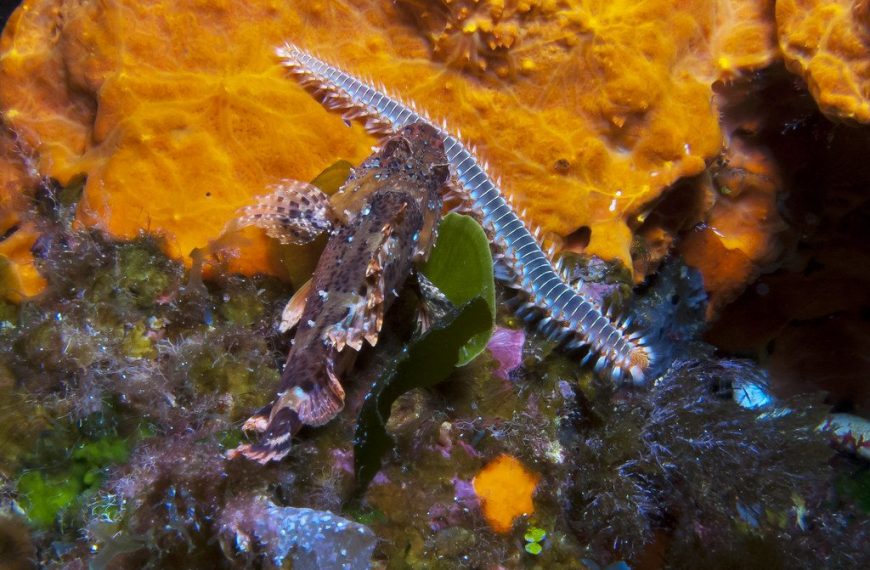
Bristleworms
Bristleworms are usually helpful reef tank scavengers. Learn how to identify them, control numbers, and spot the rare…
 By
By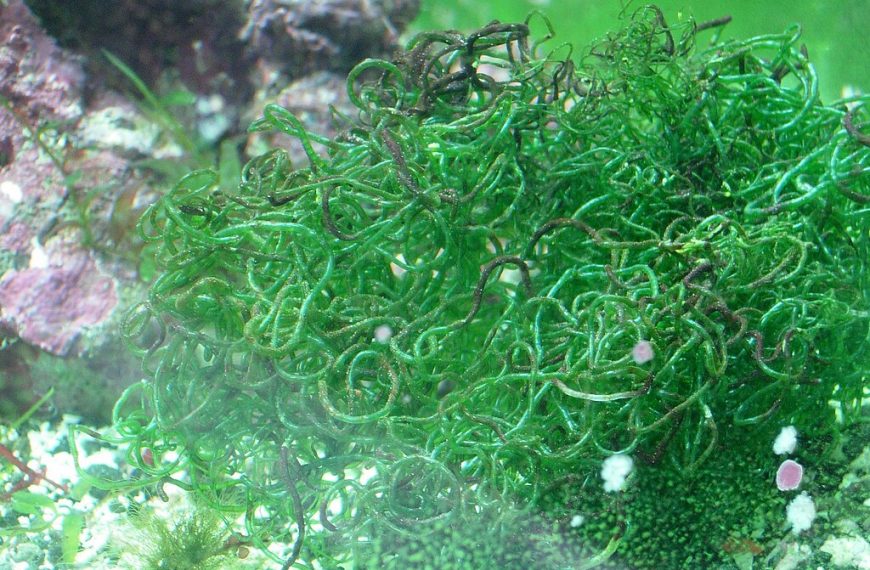
What is a Chaeto Reactor, and How Does it Help Control Nutrients?
A chaeto reactor grows macroalgae in a sealed chamber to remove nitrate and phosphate, helping reef tanks control…