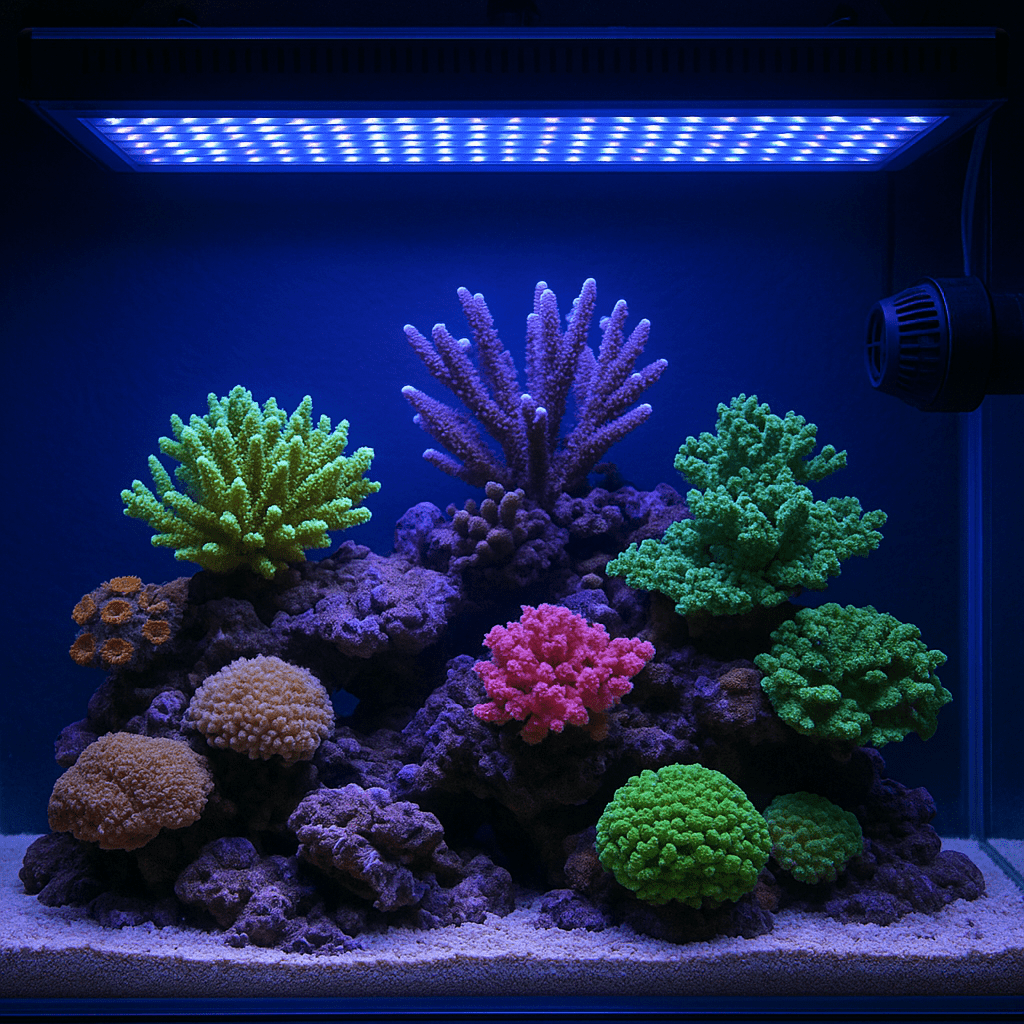
A good reef feeding schedule balances fish health, coral nutrition, and water quality. Most reef tanks do best with small, consistent feedings, not heavy dumps of food. The exact plan depends on your fish load, coral types, filtration, and nutrient goals.
Many reef keepers struggle with feeding. Some underfeed and see pale fish, slow coral growth, and aggression. Others overfeed and battle algae, high nitrate, and rising phosphate. The goal is not simply to feed more or less. The goal is to feed with purpose. In this guide, you will learn how often to feed reef fish, when to target feed corals, how to adjust for nutrient control, and how to build a simple daily and weekly routine that works in real tanks.
Quick Reference Feeding Schedule Table
| Tank Element | How Often to Feed | Best Food Types | Key Tip |
|---|---|---|---|
| Most reef fish | 1 to 3 times daily | Pellets, frozen mysis, brine, chopped seafood | Use small portions |
| Herbivores | Daily access | Nori, algae pellets, spirulina foods | Offer algae often |
| LPS corals | 1 to 2 times weekly | Mysis, reef roids, coral blends | Target feed lightly |
| SPS corals | 2 to 4 times weekly | Fine particle foods, amino products | Watch nutrients closely |
| Soft corals | Optional, 1 to 2 times weekly | Fine planktonic foods | Many rely on light |
| Filter feeders | Several times weekly | Phytoplankton, zooplankton blends | Needs species-specific care |
Use this table as a starting point. Then adjust based on fish condition, coral response, and nutrient trends.
Why a Reef Feeding Schedule Matters
Reef tanks thrive on stability. Feeding is part of that stability. Fish learn routines quickly. Corals also respond better to consistent inputs. A schedule reduces waste because you stop guessing. It also helps you spot problems early. If fish stop eating at a normal feeding time, something may be wrong.
Feeding affects more than hunger. It drives nutrient import. Every pellet, cube, and coral food adds nitrogen and phosphorus. That means your schedule must match your export systems. A tank with a strong skimmer, refugium, and regular water changes can handle more food. A newer tank with light filtration usually cannot. This is why two hobbyists can feed very differently and both be correct. Their systems are different.
A smart feeding plan also reduces aggression. Tangs, anthias, wrasses, and active planktivores often do better with multiple small meals. In contrast, many clownfish and gobies can do well with fewer feedings. Matching the schedule to the livestock is the key.
How Often Should You Feed Reef Fish?
Most reef fish do best with one to three small feedings each day. Small portions are safer than one large meal. Fish digest food better this way. It also keeps excess food from settling into the rock and sand.
For mixed community reefs, twice daily is often ideal. Feed once in the morning and once in the evening. This works well for clownfish, blennies, gobies, dwarf angels, and many wrasses. If you keep anthias, you may need three or more feedings daily. They have fast metabolisms and often need frequent meals to stay full and colorful.
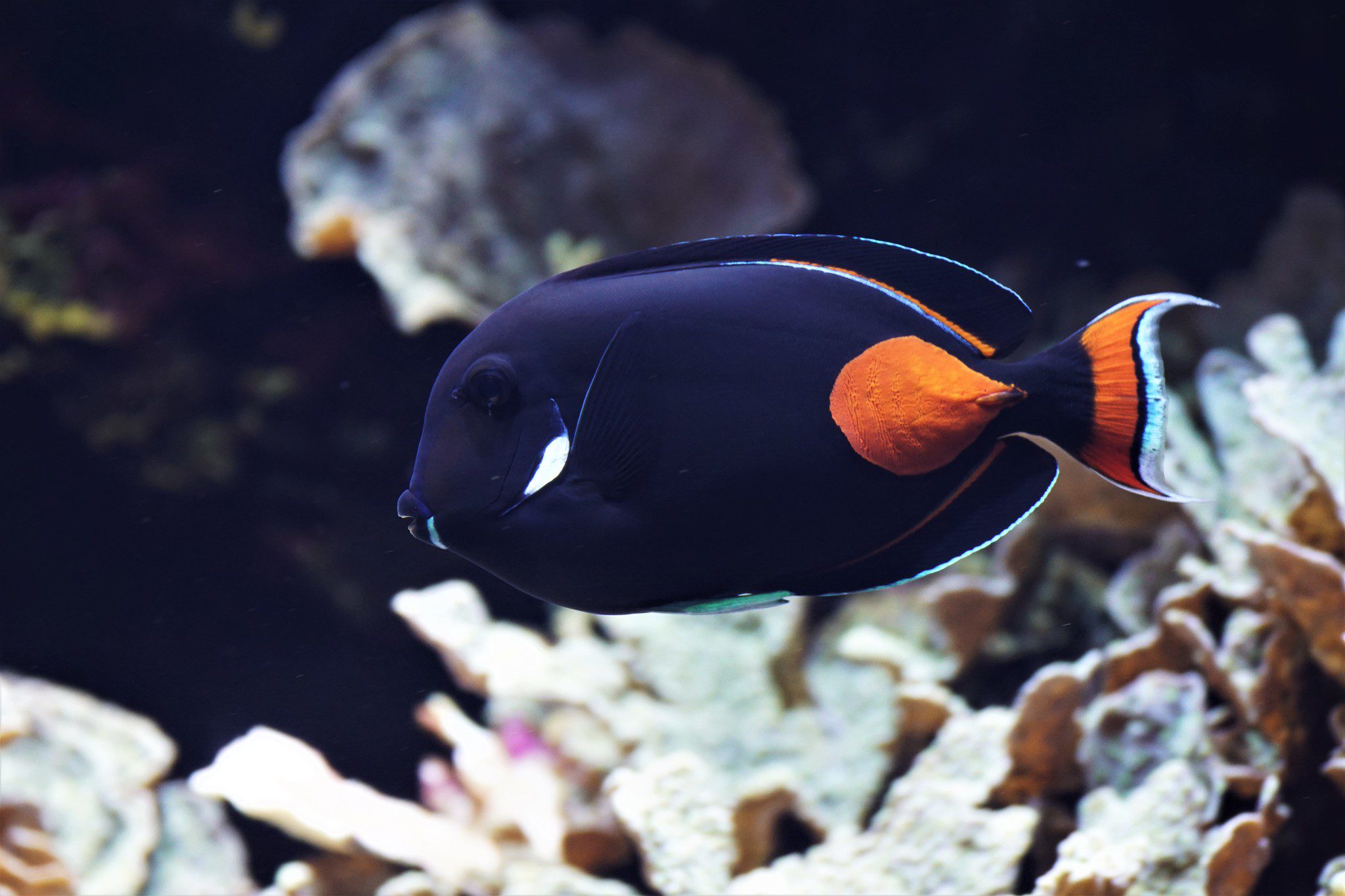
Herbivores need special attention. Tangs and rabbitfish should have regular access to algae-based foods. Offer nori on a clip several times each week, or even daily. This reduces stress and helps prevent constant picking at corals or tank mates. Predatory fish may eat less often, but they still need a varied diet. Avoid relying on only one food type.
If nutrients are rising, do not immediately starve the tank. First reduce portion size. Then improve export. Fish should look full-bodied, active, and alert. Sunken bellies mean the schedule is too light.
Do Corals Need a Feeding Schedule?
Yes, but not all corals need the same approach. Many corals get much of their energy from light. That is especially true for many soft corals and SPS species. Still, many corals benefit from supplemental feeding. The trick is to feed enough to help growth without polluting the tank.
LPS corals usually show the strongest feeding response. Acans, blastos, favias, scolys, and trumpet corals often accept meaty foods. Feed them once or twice each week. Use thawed mysis, finely chopped seafood, or a quality coral blend. Turn off flow briefly if needed. Then target feed gently.
SPS corals usually prefer finer foods. These include suspended planktonic foods, powdered coral foods, or amino acid supplements. Feed two to four times weekly in very small amounts. Watch nitrate and phosphate after any increase. Soft corals may capture fine particles, but many do not need direct feeding in established tanks. Filter feeders like feather dusters, gorgonians, and some non-photosynthetic corals need more specialized schedules.
If you are unsure, start light. Corals can handle underfeeding better than a tank can handle heavy overfeeding.
Best Times of Day to Feed a Reef Tank
Morning and evening feedings work well for most reef tanks. Fish are active, visible, and ready to eat. This timing also fits most hobbyist routines, which makes consistency easier. A schedule only works if you can keep it.
Coral feeding often works best later in the day or after lights dim. Many LPS corals extend feeding tentacles in lower light. Some hobbyists get better response after the main lights go off and blue lights remain on. That said, many corals can be trained to feed during the day. If daytime target feeding is easier, use it.
Avoid adding large meals right before long periods of low oxygen. This matters most in heavily stocked tanks at night. If your tank runs warm or has limited gas exchange, keep nighttime feedings modest. Strong surface agitation and a good skimmer help. For more on stable chemistry, see water parameter basics, reef tank filtration guide, and protein skimmer setup tips.
Step-by-Step: Build Your Reef Feeding Schedule
Start with your livestock list. Count your fish. Note their feeding styles. Herbivores, planktivores, and sand sifters all eat differently. Then list your corals by type. Separate LPS, SPS, soft corals, and any non-photosynthetic species.
Next, choose your core foods. Pick one quality pellet or flake for convenience. Add two frozen foods for variety. Include algae sheets if you keep herbivores. If you feed corals, choose one fine food and one meaty option. Keep it simple at first.
Set your baseline schedule. For many tanks, this means a small fish feeding in the morning, another in the evening, and coral feeding once or twice weekly. Then monitor results for two weeks. Watch fish body weight, coral extension, nitrate, phosphate, and algae growth.
Finally, adjust one variable at a time. If fish look thin, increase frequency slightly. If phosphate climbs, reduce coral foods or rinse frozen food. If algae spreads, tighten portions before cutting all feeding. This method gives cleaner results than random changes.
Sample Daily and Weekly Reef Feeding Schedule
Here is a simple schedule for a mixed reef with common fish and beginner-friendly corals. In the morning, feed a small amount of pellets or thawed frozen food. Make sure all food is eaten within one minute. Remove uneaten sheets of nori later in the day.
In the evening, feed a second small meal. Rotate foods during the week. Use mysis one day, a pellet blend the next, and a spirulina-based food after that. Variety supports better nutrition and stronger color. Two or three times each week, place a small piece of nori for tangs or other grazers.
Once or twice weekly, target feed LPS corals after flow is reduced. Use a turkey baster or feeding pipette. For SPS-heavy tanks, broadcast a very small amount of fine coral food two to four times weekly. Test nutrients every week while dialing this in. If nitrate and phosphate stay stable, your schedule is likely close to correct. For stocking guidance, see beginner reef fish guide and clean up crew guide.
Common Problems
Nitrate and phosphate keep rising
This usually means the tank is receiving more food than it can process. Start by reducing portion size, not feeding frequency. Rinse frozen foods to remove excess juice. Clean mechanical filters more often. Check skimmer performance. You may also need stronger export through water changes, macroalgae, or media.
Fish always act hungry
Fish often beg, even when well fed. Look at body shape instead. If bellies are full and fish are active, the schedule may be fine. If fish look thin or aggression is rising, increase feeding slightly or add a midday auto-feeder meal. Herbivores may need more algae access.
Corals are not responding to feeding
Some corals do not show dramatic feeding behavior. That is normal. Check lighting, flow, and overall stability first. Poor extension is often caused by stress, pests, or unstable alkalinity. Try smaller food particles. Feed when tentacles are visible. Avoid blasting food directly onto tissue.
Algae blooms started after coral feeding
Coral foods are easy to overdose. Cut the dose in half. Feed less often. Improve export and siphon detritus from dead spots. Fine powdered foods can quickly fuel nuisance algae if the tank is already nutrient rich.
Frequently Asked Questions
Can I feed my reef tank once a day?
Yes, many tanks do fine on once-daily feeding. Twice daily is often better for active fish and mixed communities. The best schedule depends on species, body condition, and filtration capacity.
Should I feed corals at night?
Night feeding can work well, especially for LPS corals. Many extend feeding tentacles after lights dim. Still, daytime feeding also works if the corals respond and the food is appropriate.
Is frozen food better than pellets?
Neither is always better. Frozen foods add variety and often trigger strong feeding. Quality pellets are convenient and consistent. Most reef tanks do best with both.
How do I know if I am overfeeding?
Common signs include rising nitrate, rising phosphate, detritus buildup, cloudy water, and algae growth. Feed less per meal and improve export before making major changes.
Can an auto-feeder help a reef tank?
Yes. Auto-feeders are useful for pellets and small daily meals. They are especially helpful for anthias and busy schedules. Test the output carefully before trusting it full time.
Final Tips for Long-Term Success
The best reef feeding schedule is repeatable and easy to maintain. Keep portions small. Use varied foods. Match feeding to your livestock and export capacity. Watch your tank closely after each adjustment. Stable fish weight, good coral extension, and controlled nutrients usually mean you are on the right track. If you stay consistent, your feeding routine will become one of the strongest tools in your reef keeping system.
Was this helpful?
Related Posts
Nano Reef Care
Nano Reef Care Basics Nano reefs look small and simple. They are not always easy. Stability is harder…
Do You Need An Aquarium Controller
An aquarium controller is helpful, but not essential for every reef tank. Learn when it is worth the…