

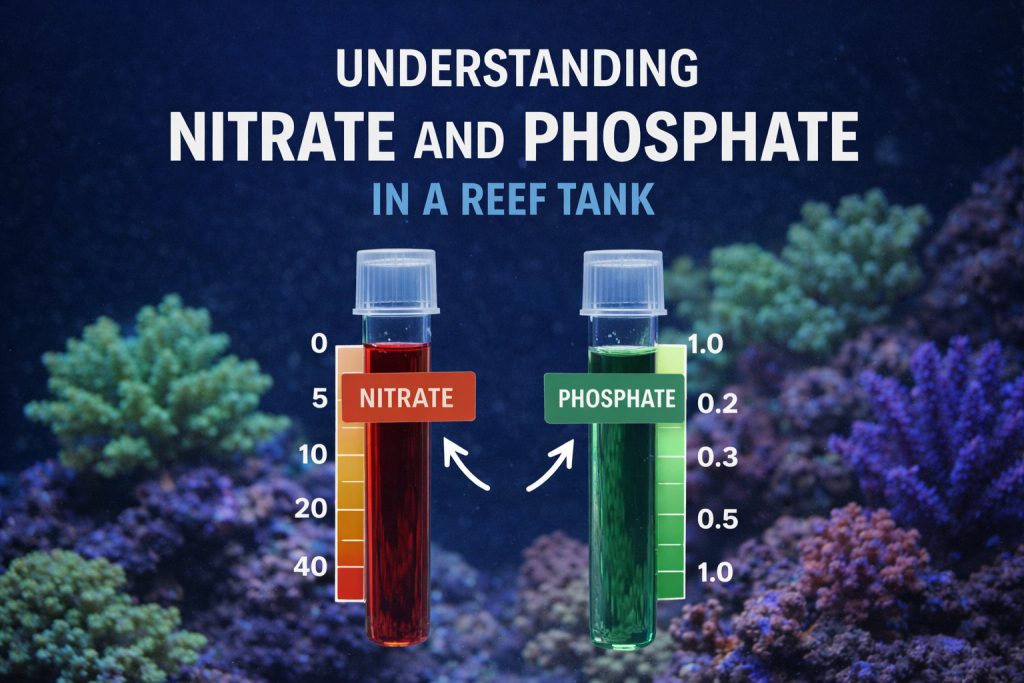
Reef tank nutrient control means keeping nitrate and phosphate in a healthy range. You do not want zero nutrients. You also do not want excess waste building up. The goal is steady export, balanced feeding, and stable biology that supports corals without fueling nuisance algae.
Many reef keepers struggle with nutrients at some point. New tanks often swing between clean and dirty. Mature tanks can drift upward as fish grow and feeding increases. This guide explains what nutrients are, why they matter, and how to control them without chasing numbers. You will learn practical ways to lower nitrate and phosphate, prevent common mistakes, and build a stable export system that fits your tank.
Quick Reference Table
| Parameter | Common Reef Range | Why It Matters |
|---|---|---|
| Nitrate | 2–15 ppm | Supports coral health in moderation. Excess can fuel algae and dull color. |
| Phosphate | 0.03–0.10 ppm | Needed for life processes. High levels can slow calcification and feed algae. |
| Skimmer | Run daily | Removes dissolved organics before they break down. |
| Water changes | 10–15% weekly or biweekly | Dilutes nutrients and restores trace elements. |
| Refugium | Harvest macroalgae regularly | Exports nitrate and phosphate naturally. |
| Mechanical filtration | Change or clean often | Prevents trapped waste from decomposing. |
Use these ranges as a starting point. Every reef is different. Soft coral tanks often tolerate higher nutrients. SPS systems usually prefer tighter stability. The best target is one your tank can hold consistently.
What Nutrient Control Means in a Reef Tank
In reef aquariums, nutrient control usually refers to nitrate and phosphate. These compounds come from fish waste, uneaten food, dying algae, and decaying organics. Bacteria break waste down over time. That process converts ammonia into nitrite and then nitrate. Phosphate enters the system from food, rock, and source water.
Nutrients are not the enemy. Corals, macroalgae, and beneficial microbes all use them. Problems start when the tank cannot process or export waste fast enough. Then you may see hair algae, cyanobacteria, cloudy water, or stressed corals. On the other side, stripping nutrients too low can pale corals and slow growth.
Good nutrient control is about balance. You feed enough to support fish and coral health. Then you build reliable export to match that input. Stability matters more than perfection. Sudden drops often cause more trouble than mildly elevated numbers.
Main Sources of Nitrate and Phosphate
Food is the biggest nutrient source in most reef tanks. Frozen foods, pellets, and coral foods all add nitrogen and phosphorus. Heavy feeding helps fish thrive, but excess food quickly becomes waste. Rinsing some frozen foods can reduce extra juice and fines.
Fish load also matters. More fish means more waste. Large active fish produce far more nutrients than small gobies or clownfish. Over time, a lightly stocked tank can become nutrient rich if maintenance slips.
Detritus is another hidden source. Waste settles in the sump, behind rock, in filter socks, and in low flow zones. As it decays, nitrate and phosphate rise. Old rock can also hold phosphate and release it slowly. Source water is worth checking too. Poor RO/DI water adds nutrients before salt even enters the tank.
If you want better control, identify where nutrients enter first. Then match your export methods to that load.
How to Test and Track Nutrients
Testing gives context to what you see in the tank. Use reliable nitrate and phosphate kits. Follow the instructions exactly. Small errors can create confusing results. Test at the same time of day when possible. Record results in a log.
Do not react to a single test. Look for trends over two to four weeks. A tank with 10 ppm nitrate every week is more stable than one swinging between 1 and 20. The same rule applies to phosphate. Corals handle stable nutrients better than sudden change.
Visual clues help too. Dark film algae on glass often suggests rising nutrients. Pale corals can point to low nutrients or too much export. Cyanobacteria can appear in both dirty and ultra-clean tanks. That is why test numbers and observation should work together.
For a stronger foundation, review reef tank water parameters and compare your readings with your livestock needs.
Aquarium Setup for Easier Nutrient Control
Tank design affects nutrient management more than many beginners expect. A sump gives you room for a skimmer, filter socks, reactors, and a refugium. It also increases water volume. More volume usually means better stability.
Aquascaping matters too. Open rockwork allows better flow and fewer detritus traps. Dense walls of rock collect waste in dead spots. Bare bottom systems make detritus easier to remove. Sand beds can work well, but they need enough flow and occasional cleaning in neglected areas.
Choose return and powerhead placement carefully. Waste should stay suspended long enough to reach filtration. If mulm collects under rock or in corners, adjust flow before adding more equipment. Good nutrient control often starts with simple mechanical improvements.
If you are still planning a system, read reef tank setup guide for a cleaner layout from day one.
Best Nutrient Export Methods
Protein skimming is a core export method. A good skimmer removes dissolved organics before they break down. Wet skimming exports more liquid and waste. Dry skimming produces darker skimmate. Either approach can work if the cup is cleaned often.
Mechanical filtration helps when maintained properly. Filter socks, floss, and roller mats trap particles. The key is frequent replacement or cleaning. Dirty media becomes a nutrient factory if left too long.
Water changes remain simple and effective. They dilute nitrate and phosphate while replacing depleted elements. Refugiums with chaetomorpha offer gentle, natural export. Harvesting macroalgae physically removes nutrients from the system.
Media reactors can target phosphate with GFO or similar media. Carbon helps polish water but does not directly remove nitrate. Biopellets and carbon dosing can lower nitrate and phosphate through bacterial growth. These methods work, but they need caution and stable oxygen levels.
For filtration basics, see reef tank filtration and compare methods for your setup.
Step-by-Step Plan to Lower High Nutrients
Start with testing. Confirm nitrate and phosphate with quality kits. Then inspect your husbandry. Ask how much you feed, how often you clean, and where detritus collects.
First, reduce obvious excess. Feed smaller portions. Thaw and strain frozen foods if needed. Remove uneaten food after feeding. Clean the skimmer neck. Replace dirty socks or floss. Siphon detritus from the sump and low flow areas.
Second, increase export slowly. Perform a moderate water change. Adjust skimmer performance. Add or expand macroalgae growth. If phosphate remains high, consider a small amount of phosphate media. Use less than the full recommended dose at first.
Third, improve flow and maintenance. Reposition pumps so waste reaches filtration. Create a weekly schedule. Test again after several days. Avoid trying five fixes at once. Slow changes are easier to read and safer for coral health.
Feeding Without Losing Control
Many reef keepers underfeed after seeing algae. That often causes new problems. Fish lose weight. Corals pale. Aggression can increase in hungry tanks. The better solution is smarter feeding with stronger export.
Feed fish what they can finish quickly. Offer smaller meals once or twice daily instead of dumping large amounts. Rotate foods for better nutrition. Use pellets, frozen mysis, brine, and algae foods as needed. Target feed corals only when necessary. Broadcast coral foods can spike nutrients fast.
Watch fish condition closely. Full bellies and steady weight matter. Healthy fish can live in nutrient-controlled tanks without starvation. If nutrients rise after adding fish, increase export before slashing food. A balanced reef should support both fish health and clean water.
If you keep heavier feeders, review best reef fish for beginners when planning future stocking.
Compatibility Between Nutrients and Coral Types
Different corals respond differently to nutrient levels. Soft corals and many LPS often tolerate moderate nitrate and phosphate well. Some even look better with slightly richer water. Zoanthids, mushrooms, and many Euphyllia can thrive in tanks that are not ultra lean.
SPS corals usually demand tighter stability. They do not always need very low nutrients, but they dislike swings. Rapid phosphate reduction can shock acropora. Nitrate near zero can pale tissue and reduce growth. The target should match your coral mix.
Mixed reefs need compromise. Aim for stable middle-ground numbers. Keep feeding consistent. Avoid aggressive media changes unless a clear problem exists. Coral response should guide your decisions as much as test kits do.
Common Problems
Why is nitrate high but phosphate low?
This often happens when phosphate media is too aggressive or when macroalgae consumes phosphate faster than nitrate. It can also happen in older tanks with strong bacterial processing. Corals and microbes still need some phosphate. If it bottoms out, nuisance organisms may still persist while corals suffer.
Reduce phosphate removal slightly. Feed a bit more if the tank is too lean. Retest after a few days. Avoid trying to force both numbers down at once.
Why is phosphate high but nitrate low?
This can come from heavy feeding, old rock leaching phosphate, or poor source water. It is common in tanks with low fish waste but lots of prepared foods. Check your RO/DI water first. Then inspect feeding and trapped detritus.
Use small amounts of phosphate media if needed. Clean detritus traps. Do not strip phosphate to zero. Lower it gradually.
Why do I still have algae with low test results?
Algae can consume nutrients before test kits detect them. In that case, the algae itself is the nutrient sink. Manual removal, stronger export, and better flow are usually needed. Check bulbs or spectrum if lighting is old or excessive. Also inspect hidden detritus buildup.
Why did my corals pale after nutrient reduction?
You may have reduced nutrients too quickly. Corals adapt to a certain environment. Fast drops in nitrate or phosphate can reduce zooxanthellae density and color. Ease back on media. Feed a little more. Let the tank stabilize before making another change.
Frequently Asked Questions
What is the ideal nitrate level for a reef tank?
Many reefs do well between 2 and 15 ppm. SPS tanks often stay lower. Mixed reefs often prefer the middle of that range.
What is the ideal phosphate level for a reef tank?
A common target is 0.03 to 0.10 ppm. Stability matters more than chasing an exact number.
Are zero nutrients good for corals?
No. Corals and beneficial microbes need some available nutrients. Ultra-low levels can lead to pale tissue and weak growth.
How often should I clean mechanical filters?
Filter socks and floss should be changed or cleaned often. Every few days is common. Do not let trapped waste rot in place.
Should I use carbon dosing to control nutrients?
It can work well in some tanks. It also adds complexity. Beginners should first master feeding, maintenance, skimming, and water changes.
Final Thoughts
Successful reef tank nutrient control is rarely about one magic tool. It is about matching nutrient input with steady export. Feed your animals well. Remove waste before it breaks down. Keep flow strong, maintenance consistent, and changes gradual. When in doubt, choose stability over aggressive correction. Your corals will usually reward patience.
Was this helpful?
Related Posts
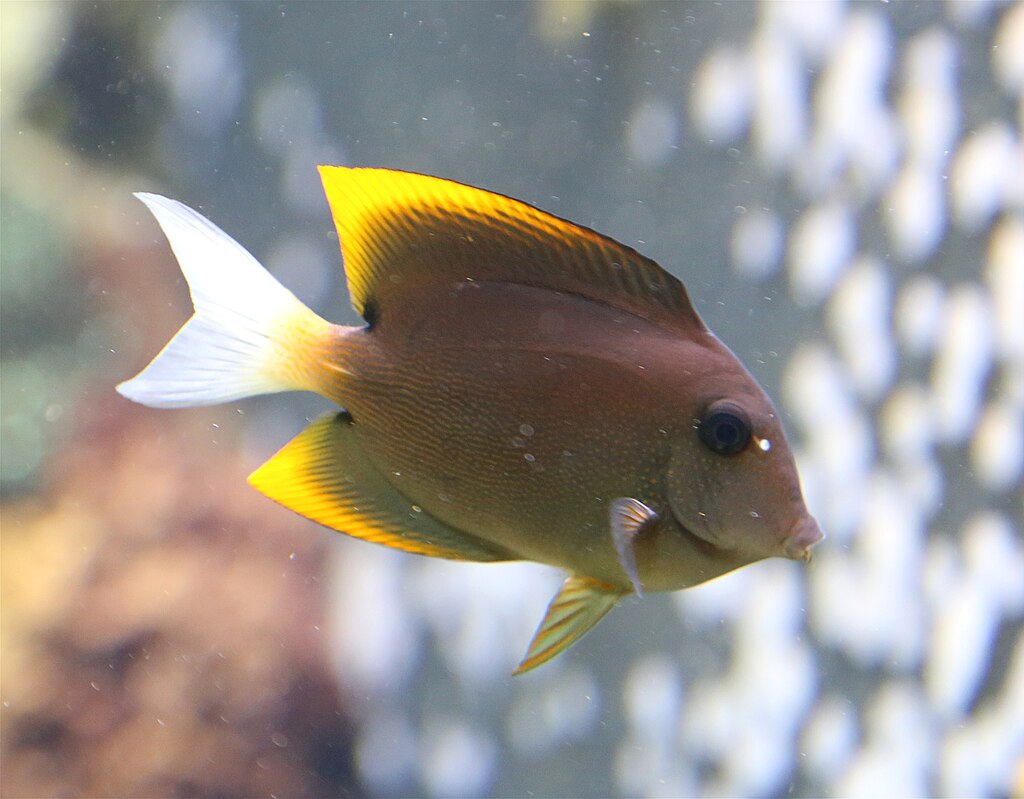
Juvenile Orange Shoulder (acanthurus Olivaceus)
Juvenile orange shoulder tangs are bright, hardy, and reef safe, but they grow large and need a spacious…
 By
By
Best Filtration Systems
Best Filtration Systems for a Healthy Saltwater Aquarium Choosing the best filtration system for your saltwater aquarium is…
[favorite_button]
My Bookmarks:
To see full list click here
[user_favorites user_id="" include_links="true" site_id="" post_types="" include_thumbnails="true" thumbnail_size="thumbnail" include_excerpt="false"]