

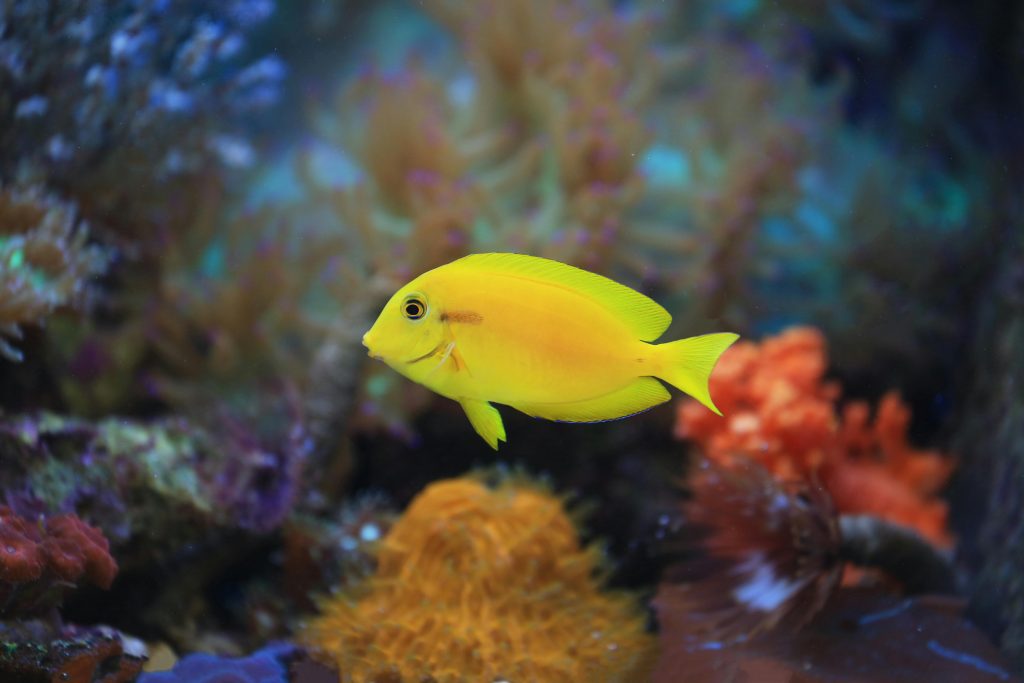
The juvenile orange shoulder tang is a striking reef fish with bright yellow color and bold blue markings. It is hardy once established, but it grows large, needs excellent water quality, and demands a spacious tank planned for its adult size.
Many hobbyists first notice Acanthurus olivaceus because the juvenile looks very different from the adult. Young fish are vivid yellow and often seem perfect for a reef display. That early appeal is real, but this species is not a small tang for long. It becomes an active, open-water swimmer with a strong need for room, oxygen, and stable conditions. In this guide, you will learn how to care for a juvenile orange shoulder tang, how to feed it well, how to prevent common health problems, and how to decide if your aquarium can support it long term.
Quick Reference Care Table
| Common name | Juvenile Orange Shoulder Tang |
| Scientific name | Acanthurus olivaceus |
| Care level | Moderate |
| Temperament | Semi-aggressive |
| Adult size | Up to 14 inches |
| Minimum tank size | 180 gallons long term |
| Diet | Herbivore with some meaty foods |
| Reef safe | Generally yes |
| Temperature | 74–80°F |
| Salinity | 1.025–1.026 |
| pH | 8.1–8.4 |
| Nitrate | Preferably under 20 ppm |
| Flow | Moderate to strong |
| Lighting | No special need beyond reef lighting |
This table gives the short version. The details below matter most for success. Juveniles adapt well when their environment is stable and food is offered often.
How to Identify a Juvenile Orange Shoulder Tang
Juvenile orange shoulder tangs look very different from adults. Young fish are bright yellow. They often show blue edging on the dorsal and anal fins. The body is laterally compressed, like other tangs. The snout is slightly pointed. The tail spine is present, though less obvious in small specimens.
As the fish matures, the body changes color. Adults become grayish to olive with an orange patch near the shoulder. That patch gives the species its common name. This change can surprise new keepers. A small yellow juvenile does not stay yellow forever. If you want the juvenile look, understand it is temporary. If you want the full adult beauty, plan for the fish to become much larger and more assertive over time.
It also helps to avoid confusion with yellow tangs. Juvenile orange shoulder tangs have a different body shape and future growth pattern. They also need much more space as adults.
Natural Habitat
Acanthurus olivaceus occurs across the Indo-Pacific. It is found around reef slopes, lagoons, and coastal reef areas. Juveniles often stay in shallower zones with shelter and algae growth. Adults move into wider reef areas and spend much of their time cruising open water near structure.
In nature, these tangs graze on algae and detritus through the day. They benefit from constant access to surfaces with natural growth. They also live in highly oxygenated water with steady movement. This matters in captivity. A stagnant tank does not suit them. A cramped tank also creates stress. Their natural behavior is active and continuous.
Understanding the habitat explains their care needs. They need room to swim, mature rockwork, dependable water movement, and a diet centered on plant material. When those needs are met, juveniles usually settle in well and become confident display fish.
Aquarium Setup
A juvenile may arrive at only 2 to 4 inches. That size can mislead buyers. This species needs a large home as it grows. A 180-gallon tank is the practical long-term minimum. Larger is better. Tank length matters most. The fish needs open swimming lanes and enough turning space.
Aquascape with a balance of rock and open water. Build stable rock structures with caves and arches. Leave the front and center open for cruising. Add mature live rock if possible. Natural algae films help the fish browse between meals. Strong filtration is important. Use an efficient protein skimmer and keep detritus under control.
Stable parameters are critical. Aim for salinity near natural seawater. Keep temperature steady. Avoid sudden swings in pH or alkalinity. Good gas exchange helps this active tang. Surface agitation and strong flow are both useful. If you are still planning your system, read our aquarium cycling guide, reef tank aquascaping tips, and reef tank water parameters for a stronger foundation.
Lighting Requirements
This tang does not need specialized lighting in the way corals do. Standard reef lighting works well. The fish benefits most from a normal day and night rhythm. Consistent photoperiod reduces stress and supports natural behavior.
If the fish lives in a reef tank, choose lighting based on coral needs first. The tang will adapt to a wide range of reef-safe intensities. Very harsh light in a bare tank can make a new specimen nervous. This is more common during quarantine. In that setting, use dimmer lighting at first and increase it slowly.
Lighting also affects algae growth. Some natural film algae on rock can be helpful for grazing. You do not want nuisance algae taking over, but a completely sterile environment is not ideal either. Think of lighting as part of the whole system rather than a direct care requirement for the fish alone.
Water Flow
Juvenile orange shoulder tangs do best in moderate to strong water movement. Flow should keep oxygen high and waste suspended for filtration. These fish are powerful swimmers. They often enjoy moving in and out of current.
Avoid one narrow, blasting stream aimed at the fish all day. Instead, create broad and varied flow. Gyre pumps and alternating patterns work well. The fish should be able to choose calmer resting areas behind rockwork. This mix of open current and sheltered zones better matches natural reef conditions.
Poor flow can worsen several problems. It lowers oxygen, allows debris to settle, and can contribute to stress. Stress weakens immune response. That makes tangs more vulnerable to disease outbreaks. If your fish breathes heavily, check oxygen, temperature, and circulation first.
Feeding
Feed this species like an herbivore first. Offer dried nori daily. Use a clip in an area with moderate flow. Replace uneaten sheets before they break apart. Supplement with high-quality herbivore pellets and frozen foods that include spirulina or marine algae.
Juveniles also accept mysis shrimp, brine shrimp, and finely chopped seafood. These foods add variety, but they should not replace greens. A plant-poor diet often leads to weight loss, poor color, and higher aggression. Feed small amounts two to three times daily when possible. Frequent feeding suits their active metabolism.
Soak foods in vitamins occasionally. This can help during acclimation and recovery. Watch body shape closely. A healthy juvenile should look full across the sides, not pinched behind the head. If you want to improve your feeding routine, our guide to feeding reef fish can help you build a better schedule.
Compatibility
Juvenile orange shoulder tangs are generally reef safe. They rarely bother corals. They usually ignore shrimp, snails, and crabs. The main compatibility issue is aggression toward other tangs, especially similar-shaped species or algae grazers added later.
In large tanks, they often coexist with many reef fish. Good tankmates include wrasses, clownfish, gobies, anthias, and many dwarf angels with caution. Avoid combining them with highly aggressive tangs in limited space. If you want multiple tangs, introduce them carefully and only in a tank with enough room. Mirrors, acclimation boxes, and adding several fish at once can help reduce territorial behavior.
As they mature, they can become more assertive. That change is normal. Feed well, keep water quality high, and do not overcrowd the tank. Those three steps prevent many social problems before they start.
Step-by-Step Acclimation Guide
- Prepare a quarantine tank before purchase. Use stable salinity, heat, and hiding places.
- Dim the lights when the fish arrives. This lowers stress.
- Float the bag to match temperature. Then begin slow acclimation.
- Transfer the fish without bag water if possible. This reduces contamination.
- Offer nori within the first day. Many tangs begin grazing quickly.
- Observe breathing, swimming, and body condition. Watch for spots or flashing.
- Keep water pristine during quarantine. Test ammonia often.
- Introduce the fish to the display only after it is feeding strongly and appears stable.
Quarantine is strongly recommended for tangs. They are famous for showing marine ich and other external parasites after shipping stress. Prevention is easier than treatment in a full reef tank.
Common Problems
Why is my juvenile orange shoulder tang not eating?
New arrivals often refuse food from stress. Shipping, poor oxygen, or aggressive tankmates are common causes. Start with nori and herbivore pellets. Offer food in a quiet tank. Check ammonia, temperature, and salinity. If breathing is rapid, investigate disease or low oxygen.
Why does it have white spots?
Tangs are prone to marine ich. White spots, scratching, and fast breathing are common signs. Quarantine and early treatment matter. Stable water helps, but it will not cure parasites alone. A display reef limits treatment options, so prevention is best.
Why is it becoming aggressive?
Aggression usually comes from crowding, hunger, or competition for algae. Increase feeding frequency. Rearrange rockwork if needed. Make sure the tank is large enough. Add visual breaks and more swimming room. Similar tangs often trigger disputes.
Why is the fish losing color?
Color loss can reflect stress, poor diet, or water quality issues. Test nitrate, pH, salinity, and temperature. Improve algae-based feeding. Check for bullying. Remember that some color change is natural with age, but faded appearance and weight loss are warning signs.
Propagation or Breeding
Home breeding of orange shoulder tangs is extremely rare. This species is a pelagic spawner in nature. Eggs and larvae drift in open water. The larval stage is difficult to rear. Specialized systems are needed for food density, water quality, and larval development.
For most hobbyists, propagation is not a practical goal. Responsible care focuses on proper sourcing, quarantine, nutrition, and long-term housing. If captive-bred surgeonfish become more available in the future, they may offer hardier options and reduce wild collection pressure.
Frequently Asked Questions
How big does a juvenile orange shoulder tang get?
Juveniles are sold small, but adults can reach about 14 inches. Plan for adult size from the start.
Is a juvenile orange shoulder tang reef safe?
Yes. It is generally reef safe with corals and most invertebrates. The main concern is aggression toward other tangs.
What is the minimum tank size?
A 180-gallon tank is the best long-term minimum. Larger tanks provide better swimming space and stability.
What should I feed a juvenile orange shoulder tang?
Feed nori daily, plus herbivore pellets and occasional frozen foods. Small, frequent meals work best.
Does the yellow juvenile color stay forever?
No. The bright yellow juvenile coloration fades as the fish matures into its adult pattern.
Final Thoughts
The juvenile orange shoulder tang is beautiful, active, and rewarding to keep. It is also a fish that demands honest planning. Buy one only if you can provide major swimming space, strong filtration, and a steady herbivore diet. Quarantine it carefully. Feed it often. Keep oxygen high and parameters stable. Do those things well, and this tang can become a standout fish in a large reef aquarium for many years.
Was this helpful?
Related Posts
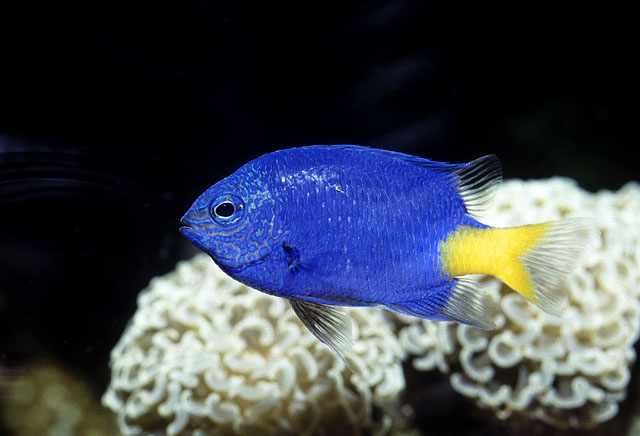
Yellowtail Damselfish (Chrysiptera Parasema)
Yellowtail Damselfish are hardy, colorful, and reef safe, but they can be territorial. Learn their care, feeding, tank…
 By
By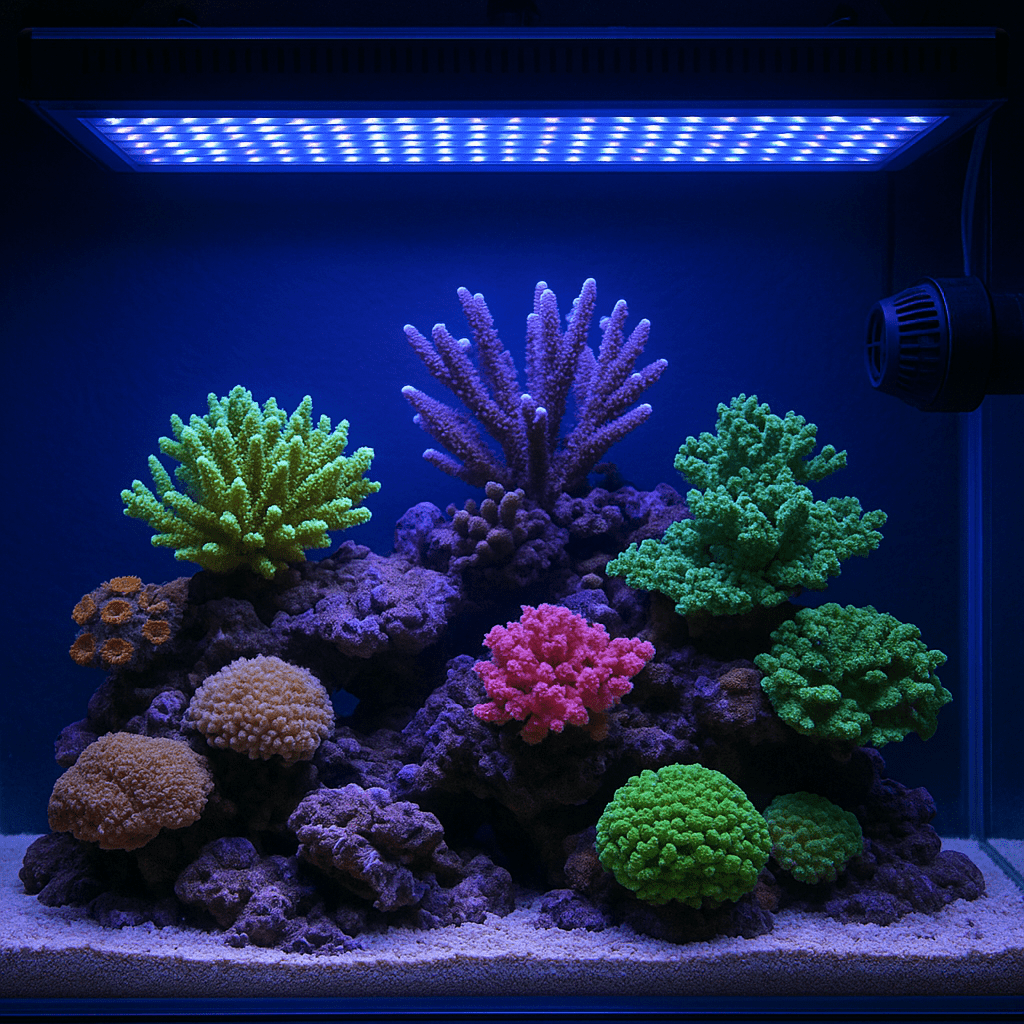
Water Chemistry Basics
Water chemistry basics are the foundation of reef success. Learn the key parameters, target ranges, and simple ways…
[favorite_button]
My Bookmarks:
To see full list click here
[user_favorites user_id="" include_links="true" site_id="" post_types="" include_thumbnails="true" thumbnail_size="thumbnail" include_excerpt="false"]