Magnesium helps keep calcium and alkalinity stable in a reef tank. Most reef aquariums do best around 1250 to 1400 ppm. When magnesium drops too low, coral growth often slows, coralline algae fades, and keeping parameters balanced becomes much harder.
Many reef keepers focus on calcium and alkalinity first. That makes sense. Those two numbers get most of the attention. Still, magnesium is the quiet support system behind them. It affects coral skeleton growth, buffering balance, and even how easy your tank is to maintain. In this guide, you will learn what magnesium does, the ideal reef tank magnesium range, how to test it, how to raise or lower it safely, and how to troubleshoot common problems before they stress your corals.
Quick Reference Table
| Parameter | Recommended Range |
| Magnesium | 1250 to 1400 ppm |
| Common target | 1320 to 1380 ppm |
| Natural seawater | About 1280 to 1350 ppm |
| Safe daily increase | Up to 50 to 100 ppm |
| Testing frequency | Weekly, then monthly if stable |
| Main supplementation methods | Water changes, two-part systems, magnesium additives |
| Signs of low magnesium | Falling alkalinity, low calcium, poor coralline growth |
| Signs of high magnesium | Usually mild, but can stress invertebrates if excessive |
Use this table as a fast reference. The exact target matters less than stability. A reef tank at 1320 ppm and steady is usually better than one that swings between 1200 and 1450 ppm.
What Magnesium Does in a Reef Tank
Magnesium is one of the major ions in seawater. It is present in much higher amounts than calcium. In reef aquariums, magnesium helps prevent calcium and carbonate from combining too quickly. That matters because your corals need both available in the water. If magnesium is too low, maintaining alkalinity and calcium becomes frustrating. You may dose both, yet still see unstable numbers.
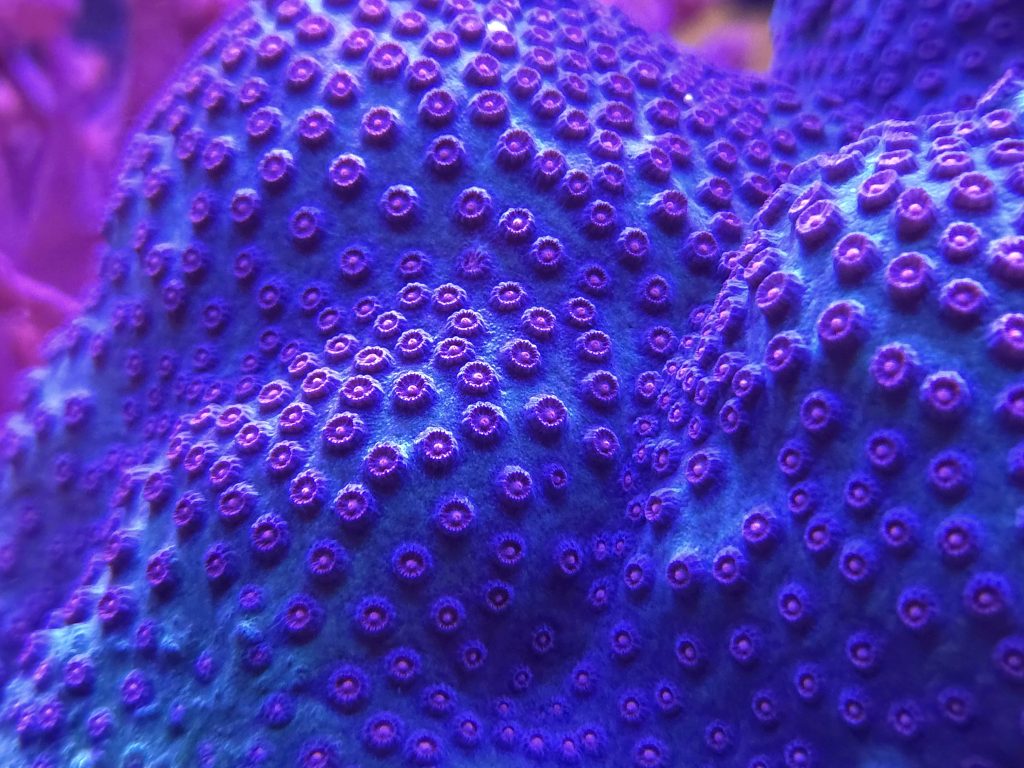
Stony corals use calcium and carbonate to build skeletons. Coralline algae does the same. Magnesium supports this process indirectly by keeping the chemistry balanced. It does not replace calcium or alkalinity. It supports them. Think of it as the third leg of the reef chemistry tripod.
Low magnesium can also show up as poor coralline algae growth, pale encrusting surfaces, and slower SPS or LPS growth. Soft corals may not show obvious symptoms early. Still, the whole tank can become less stable over time.
Ideal Reef Tank Magnesium Range
For most reef aquariums, a magnesium range of 1250 to 1400 ppm works well. Many hobbyists aim for 1300 to 1380 ppm. That range closely matches natural seawater and gives a small buffer against testing variation. Chasing an exact number is rarely necessary. Stability matters more.
If your salt mix measures 1350 ppm and your tank stays close to that value, you are in a good place. If your tank runs at 1280 ppm and remains stable, that is usually fine too. Problems begin when magnesium drifts low enough to affect calcium and alkalinity balance. Tanks packed with fast-growing SPS corals, clams, and coralline algae may consume magnesium faster than mixed reefs.
Avoid the urge to push magnesium very high without a reason. Some hobbyists raise it for algae control claims. Results are inconsistent. Elevated magnesium can also stress sensitive invertebrates if taken too far. In most cases, normal seawater levels are the best target.
How to Test Magnesium Accurately
Magnesium is usually tested with a titration kit. Digital options exist too, but most hobbyists still use manual kits. Follow the instructions closely. Magnesium tests often involve several steps. Small mistakes can produce large reading errors. Always use clean syringes and test vials. Rinse them with tank water before use.
Test at the same time of day when possible. Magnesium does not swing as much as pH. Still, consistency improves your records. If a result looks strange, test again before dosing. It also helps to compare your result with a fresh batch of mixed saltwater. That tells you whether the issue is the tank, the salt mix, or the test itself.
New tanks can often be tested weekly. Mature stable tanks may only need monthly checks. Test more often if you keep many stony corals, run a dosing system, or notice calcium and alkalinity becoming harder to manage. Good records matter. A simple log can reveal trends before they become problems.
Why Magnesium Drops
Magnesium is consumed more slowly than alkalinity and calcium. That is why many reef keepers ignore it for too long. In lightly stocked tanks, regular water changes may replace all the magnesium your system uses. In heavily stocked reefs, demand rises. Fast-growing SPS corals, coralline algae, clams, and calcifying organisms all contribute to depletion.
Another cause is an imbalanced dosing routine. Some aquarists dose alkalinity and calcium daily but never replenish magnesium. Over time, the tank drifts low. Salt mix can also be a factor. Some brands mix lower or higher than expected. Poor mixing, moisture in the bucket, or settling during shipping can change the final value.
Rarely, a low reading is just a testing error. Expired reagents are common culprits. So are incorrect drop counts and air bubbles in the syringe. Before making a correction, confirm the result. Slow and careful reef keeping usually prevents expensive mistakes.
How to Raise Magnesium Safely
The safest way to raise magnesium is with a quality reef magnesium supplement. Most products use a blend of magnesium chloride and magnesium sulfate. Follow the label instructions and calculate your true water volume. Account for rock, sand, and equipment displacement. Many aquarists overestimate tank volume and overdose because of it.
Raise magnesium slowly. A daily increase of 50 to 100 ppm is generally considered safe. If your tank is only slightly low, slower is even better. Dose into a high-flow area of the sump or display. Avoid pouring directly onto corals. Retest after the system mixes fully. Large one-time corrections can stress invertebrates and create confusion if your test kit is inconsistent.
Water changes can also help. If your salt mix has a higher magnesium level than the tank, repeated changes may correct the issue naturally. This method is slower, but very safe. It also refreshes trace elements. For many mixed reefs, combining moderate water changes with light supplementation works well.
How to Lower High Magnesium
High magnesium is less common than low magnesium. It usually happens after overdosing or using a salt mix with elevated levels. There is no quick chemical remover used by most hobbyists. The best solution is simple dilution through water changes. Stop all magnesium dosing first. Then test your fresh saltwater before each change.
If your mixed saltwater also tests high, changing water will not help much. In that case, switch salt brands or adjust your mix strategy. Most tanks tolerate mildly elevated magnesium without obvious issues. Still, very high levels can irritate snails, shrimp, and other invertebrates. Extreme values can also complicate your interpretation of other test results.
Do not chase small differences. A tank at 1420 ppm is usually not an emergency. Focus on trends, not panic. If animals look healthy and your chemistry is stable, use measured corrections rather than dramatic action.
Step-by-Step Magnesium Adjustment Guide
- Test magnesium carefully with a reliable kit.
- Repeat the test if the result seems unusual.
- Test freshly mixed saltwater for comparison.
- Calculate actual system water volume.
- Use a reef-safe magnesium calculator or product chart.
- Plan a correction of no more than 50 to 100 ppm daily.
- Dose in a high-flow area.
- Wait for full circulation, then retest.
- Adjust your maintenance routine if the tank consumes magnesium regularly.
- Log the result with calcium and alkalinity values.
This process prevents overcorrection. It also helps you see whether magnesium is truly the problem. Reef chemistry works best when measured, not guessed.
Magnesium, Calcium, and Alkalinity Relationship
These three parameters should always be viewed together. If alkalinity keeps falling and calcium seems hard to maintain, low magnesium may be part of the reason. Magnesium helps keep calcium in solution. Without enough magnesium, calcium carbonate can precipitate more easily. That means your test numbers may drop even though you are dosing.
This does not mean magnesium fixes every chemistry issue. High demand, poor dosing schedules, low salinity, and inaccurate tests can also cause instability. Still, magnesium is often the missing piece. That is why experienced reef keepers check all three values before making large corrections.
A useful habit is to test salinity first. Then test alkalinity, calcium, and magnesium. If salinity is off, all three major elements can appear wrong. Correct the salinity issue before chasing individual numbers. This saves time and prevents unnecessary dosing.
Common Problems
Why does my magnesium stay low?
The most common causes are heavy coral demand, low-magnesium salt mix, or underdosing. Testing mistakes are also common. Verify salinity first. Then retest magnesium and compare it with fresh saltwater. If your tank consumes magnesium steadily, add it to your regular dosing plan.
Why is coralline algae fading?
Low magnesium can contribute, but it is not the only cause. Check calcium, alkalinity, and phosphate too. Coralline also needs stable salinity and decent light. If surfaces are turning white, inspect for urchin grazing or parameter swings.
Can low magnesium hurt corals?
Yes, indirectly. Corals may grow slower and show weaker skeletal development. SPS corals often show the issue first. The larger problem is instability in calcium and alkalinity. Corals dislike that even more than a slightly imperfect magnesium number.
Why did magnesium rise after a water change?
Your salt mix may contain more magnesium than the display tank. Some reef salts are intentionally elevated. Test your new saltwater before use. Mix the bucket well before scooping. Ingredients can settle during storage and shipping.
Best Maintenance Practices
Keep salinity stable. This is the foundation. Magnesium readings become misleading when salinity drifts. Use an accurate refractometer or digital salinity meter. Calibrate it often. Next, choose one testing method and stick with it. Switching kits too often makes trend tracking harder.
Perform regular water changes with a consistent salt brand. If your reef has low demand, this may be enough. If your corals grow quickly, use a balanced dosing system. Some two-part systems include magnesium support. Others require separate magnesium dosing. Read the instructions carefully.
Most importantly, avoid chasing perfection. Reef tanks reward consistency more than constant adjustment. A stable tank with slightly imperfect numbers often outperforms an unstable tank with textbook values.
Frequently Asked Questions
What is the ideal magnesium level for a reef tank?
A good target is 1250 to 1400 ppm. Many reef keepers aim for 1320 to 1380 ppm.
How often should I test magnesium?
Test weekly in newer or high-demand tanks. Stable mature tanks can often be tested monthly.
Can I raise magnesium quickly?
It is better to raise it slowly. Limit increases to about 50 to 100 ppm per day.
Does magnesium kill nuisance algae?
Some hobbyists report success with certain algae, but results are inconsistent. Normal reef levels are the safest goal.
Do water changes replace magnesium?
Yes, often they do. In low-demand tanks, regular water changes may fully maintain magnesium.
Related FancyReef Guides
- reef tank alkalinity guide
- reef tank calcium explained
- reef tank salinity basics
- how to cycle a reef tank
- best coral for beginners
Was this helpful?
Related Posts
How to Use a Dosing Pump
Learn how to use a dosing pump for stable reef chemistry, safer supplement delivery, and easier daily maintenance.
Reef Tank Calcium
Reef tank calcium should stay between 400 and 450 ppm. Learn how to test, dose, and stabilize calcium…