

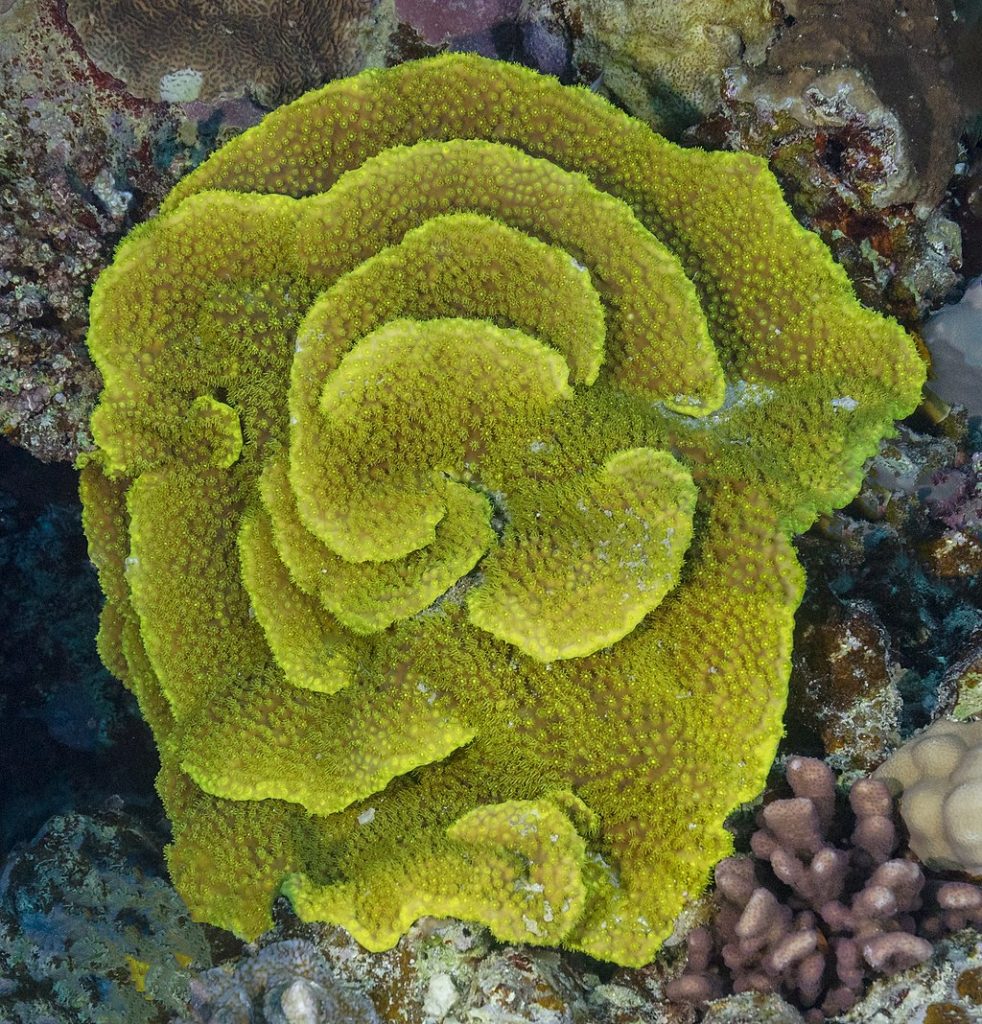
Scroll corals are plating large polyp stony corals that reward stable reef tanks with dramatic, whorled growth. Most hobbyists keep Turbinaria species under moderate light, moderate flow, and consistent alkalinity. They are hardy once settled, but placement matters because their shape can trap detritus and shade nearby corals.
In this guide, you will learn how to identify scroll corals, where to place them, what they need to grow, and how to solve common problems. We will cover lighting, flow, feeding, compatibility, and fragging. The goal is simple. Help you keep a healthy scroll coral that grows into a striking showpiece.
Quick Reference Care Table
| Common name | Scroll coral |
| Scientific group | Usually Turbinaria spp. |
| Care level | Moderate |
| Temperament | Mostly peaceful, but can sting nearby corals |
| Lighting | Moderate to moderately high |
| Flow | Moderate, indirect, varied |
| Placement | Mid to upper rockwork with room to expand |
| Diet | Photosynthetic, benefits from occasional feeding |
| Ideal temperature | 76–79°F |
| Salinity | 1.025–1.026 specific gravity |
| Alkalinity | 8–9.5 dKH |
| Calcium | 400–450 ppm |
| Magnesium | 1250–1400 ppm |
| Nitrate | 2–15 ppm |
| Phosphate | 0.03–0.10 ppm |
Use this table as a starting point. Your coral will still respond to your tank’s specific conditions. Stability matters more than chasing exact numbers.
What Are Scroll Corals?
Scroll corals usually refer to Turbinaria species. These corals form cups, plates, folds, and layered spirals. Their growth gives them the “scroll” look that reef keepers love. Colors vary by species and strain. Common shades include green, yellow, tan, brown, and sometimes fluorescent highlights under blue light.
They are large polyp stony corals, or LPS. Their tissue sits over a hard calcium skeleton. Polyps may extend more at night, though some specimens show daytime extension too. Many beginners assume they behave like fast-growing plating SPS corals. They do not. Scroll corals are generally tougher than many SPS, but they still need stable chemistry and clean conditions.
Growth can be slow to moderate. A healthy colony becomes a major aquascape feature over time. That is why placement is so important from the start. A small frag can eventually shade corals below it and block flow around the rockwork.
Natural Habitat
Turbinaria corals occur across the Indo-Pacific. They are found on reef slopes, lagoons, and turbid coastal reefs. Some species live in brighter, higher-energy zones. Others grow in areas with more suspended particles and lower clarity. This helps explain why many scroll corals adapt well to a range of reef tanks.
In nature, these corals often grow where they can collect light from broad surfaces. Their folded shape also helps manage water movement and sediment. That does not mean they like debris sitting on them. It means they evolved in places where flow changes and particles move past them often.
Understanding this habitat helps with care. Aim for steady but not harsh flow. Provide enough light for photosynthesis. Keep nutrients present but controlled. Very sterile systems can dull growth. Dirty systems can cause tissue recession and algae buildup on the skeleton.
Aquarium Setup
Scroll corals do best in mature reef aquariums. A tank of 30 gallons can keep a small frag, but larger systems are easier. Water stays more stable in tanks of 50 gallons or more. Stability is your best tool with LPS corals.
Place the coral on secure rockwork. Choose a spot with room above and around it. Scroll corals expand outward as they grow. Their plates and folds can shade lower corals. Leave several inches of space from neighbors. Add more room if the colony is already large.
Avoid dead zones. Their shape can trap detritus if flow is poor. That trapped waste can irritate tissue and fuel algae. Build your aquascape so water can move around the colony from different angles. A turkey baster is useful during maintenance. Gently blow off settled debris before water changes.
If you are still planning your reef, see: reef tank setup guide and best reef aquascaping tips.
Lighting Requirements
Most scroll corals prefer moderate to moderately high light. A practical target is roughly 100 to 200 PAR for many specimens. Some adapt to a bit more. Others prefer the lower half of that range. Start lower if the coral is newly imported or recently fragged.
Watch the coral closely during acclimation. Bleaching, faded color, and tight polyp extension can signal too much light. Browning can suggest too little light, excess nutrients, or both. Increase intensity slowly. Raise PAR over one to two weeks, not overnight.
Blue-heavy reef lighting often brings out the best color. Still, growth depends on total usable light, not just visual pop. Keep your photoperiod consistent. Eight to ten hours of main lighting works well in most mixed reefs. If you need help dialing in LEDs, read: reef lighting guide.
Water Flow
Moderate, indirect flow is ideal. Think broad, changing movement. Avoid a direct powerhead blast. Strong laminar flow can keep polyps retracted and wear tissue over time. On the other hand, weak flow lets detritus settle inside folds and cups.
A good test is simple. The coral should show gentle tissue movement without looking flattened. Debris should not sit on the surface for long. If waste collects in the same spots daily, adjust your pumps. Random flow modes often work better than a constant stream.
Flow also affects feeding response and gas exchange. Corals in balanced flow usually show better extension and cleaner tissue. If your colony grows into a large plate, revisit pump placement. A coral that was fine as a frag may create its own low-flow pocket later.
Water Chemistry and Stability
Scroll corals need stable major parameters to build skeleton. Keep alkalinity steady between 8 and 9.5 dKH. Calcium should stay around 400 to 450 ppm. Magnesium should remain between 1250 and 1400 ppm. Sudden swings matter more than small differences within those ranges.
Temperature should hold between 76 and 79°F. Salinity should remain near natural seawater, around 1.025 to 1.026. Nutrients should not bottom out. Nitrate around 2 to 15 ppm and phosphate around 0.03 to 0.10 ppm works well in many tanks. Ultra-low nutrients can cause pale tissue and weak growth.
Test regularly. Dose only what your tank consumes. If you run a mixed reef, monitor alkalinity closely after adding stony corals. Learn the basics here: reef tank water parameters.
Feeding
Scroll corals are photosynthetic. Their zooxanthellae provide much of their energy. Still, they can benefit from occasional feeding. Fine meaty foods, reef roids-style powders, rotifers, and small frozen foods can support growth. Feed lightly once or twice per week.
Turn off return flow for a short period if needed. Target feed gently upstream, not directly into the tissue. Let the current carry food across the polyps. Avoid overfeeding. Excess food raises nutrients and can irritate the coral if it settles on the surface.
Do not expect dramatic feeding tentacles from every specimen. Some scroll corals feed more actively at night. If your coral rarely shows a response, focus on strong overall husbandry first. Stable chemistry and proper placement usually matter more than heavy feeding.
Compatibility
Scroll corals are generally reef safe, but they still need space. Their sweeper tentacles are not usually extreme, yet they can sting nearby corals. Keep them away from delicate SPS tips and fleshy LPS neighbors. Give enough room for future growth, not just current size.
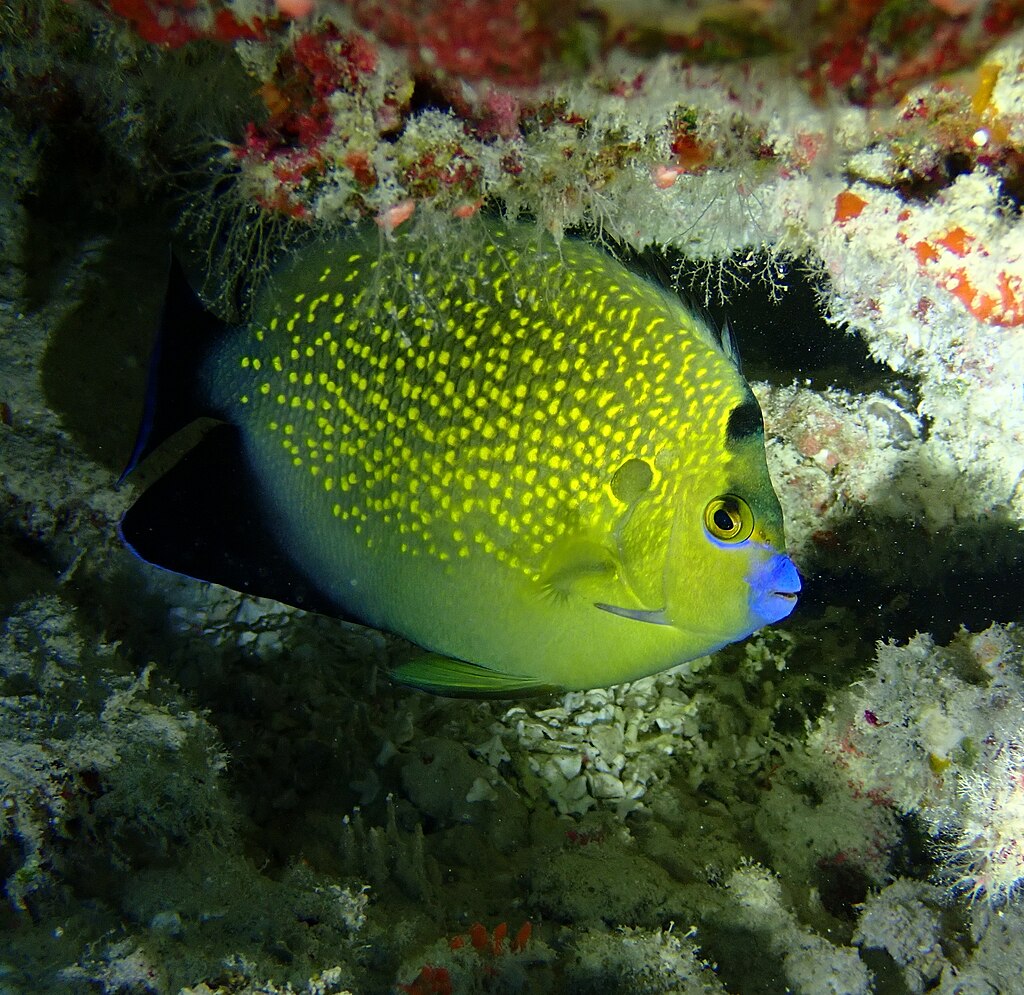
Most reef fish ignore them. Problems come from coral nippers. Some angelfish, butterflyfish, and even curious filefish may pick at tissue. Crabs and shrimp are usually safe, though large hermits can bulldoze frags if placement is poor. Urchins may knock over unsecured pieces.
In mixed reefs, think about shading as much as aggression. A growing scroll coral can block light to zoanthids, acans, and encrusting corals below. Plan ahead. It is easier to move a small frag than a large attached colony.
Step-by-Step Placement Guide
- Inspect the coral for pests, tissue damage, and algae on exposed skeleton.
- Dip if appropriate for your coral protocol, then rinse in clean saltwater.
- Start the coral in moderate light and moderate indirect flow.
- Mount it securely on stable rock or a frag rack.
- Leave open space around the colony for future plating growth.
- Observe for one week before making major changes.
- Adjust light slowly if color darkens or fades.
- Use a baster weekly to remove trapped detritus.
- Test alkalinity often during the first month.
- Feed lightly once the coral is settled and showing extension.
Propagation and Fragging
When to Frag
Frag only healthy, established colonies. Wait until the coral shows stable color, good tissue coverage, and active growth edges. Do not frag a newly imported or stressed specimen.
How to Frag a Scroll Coral
Use eye protection. Remove the colony if possible. A band saw is best for clean cuts on thicker skeletons. Bone cutters can work on thin edges or small branches, but they may crack tissue unpredictably. Cut through the skeleton cleanly. Avoid crushing the living rim.
After cutting, rinse the frag in clean saltwater. Mount it securely with reef-safe glue or epoxy. Place the new frag in slightly lower light and moderate flow during recovery. Watch the cut edge for algae. Good flow and stable alkalinity help healing.
Common Problems
Why is my scroll coral turning brown?
Brown tissue often means excess nutrients, low light, or both. Check nitrate and phosphate first. If they are very high, improve export slowly. Increase light gradually if PAR is low. Do not make huge changes in one day. Stability prevents secondary stress.
Why is my scroll coral bleaching?
Bleaching usually points to light shock, heat stress, or sudden chemistry swings. Reduce intensity or move the coral lower. Verify temperature. Check alkalinity for recent jumps. Corals often bleach after aggressive lighting upgrades or unstable dosing.
Why is tissue receding from the edges?
Edge recession can come from low flow, detritus buildup, pests, or unstable alkalinity. Inspect the colony closely. Blow off debris. Improve indirect flow. Confirm calcium, magnesium, and alkalinity are stable. If algae grows on exposed skeleton, act early before recession spreads.
Why won’t my scroll coral open?
New frags often stay tight for days. Persistent closure suggests too much flow, recent stress, poor placement, or water quality issues. Check for fish picking. Test salinity and alkalinity. Move the coral only if the current spot is clearly wrong.
Why is algae growing on my scroll coral skeleton?
Algae on dead skeleton means tissue has already pulled back. Improve flow and husbandry first. Remove nuisance algae gently with a soft brush outside the display if needed. Then correct the root cause. Usually that means detritus, unstable parameters, or poor placement.
Frequently Asked Questions
Are scroll corals good for beginners?
They can be a good choice for beginners with a stable tank. They are tougher than many SPS corals. Still, they need proper placement and consistent chemistry.
How fast do scroll corals grow?
Growth is usually slow to moderate. Light, nutrients, and alkalinity stability affect growth rate. Healthy colonies can become large over time.
Do scroll corals need target feeding?
Not strictly. They rely mainly on photosynthesis. Light supplemental feeding can help, but overfeeding often causes more problems than benefits.
Can scroll corals touch other corals?
No. Give them space. They can sting nearby corals, and their plating shape can shade neighbors as they grow.
Where should I place a scroll coral in my tank?
Start in the middle of the tank with moderate light and indirect flow. Then adjust based on color, extension, and detritus buildup.
Scroll corals thrive when you keep things steady. Give them room, keep debris off the colony, and avoid sudden parameter swings. In return, they develop one of the most architectural growth forms in reef keeping. For many hobbyists, that balance of durability and beauty makes them a standout LPS coral.
Was this helpful?
Related Posts
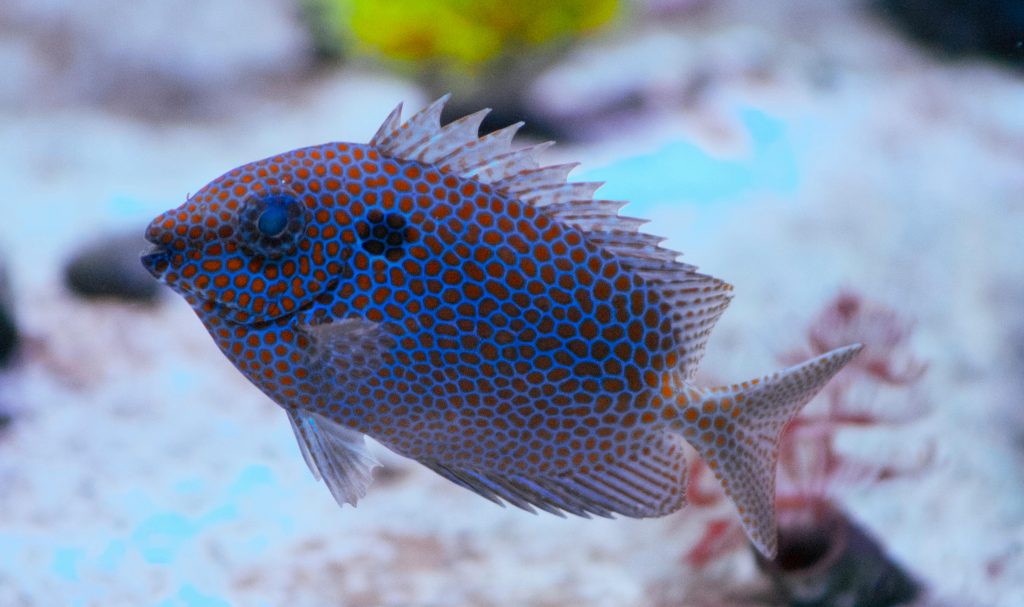
Gold Spotted Rabbitfish (Siganus Punctatus)
Gold Spotted Rabbitfish care includes large tanks, heavy algae feeding, and caution with corals. Learn tank size, diet,…
 By
By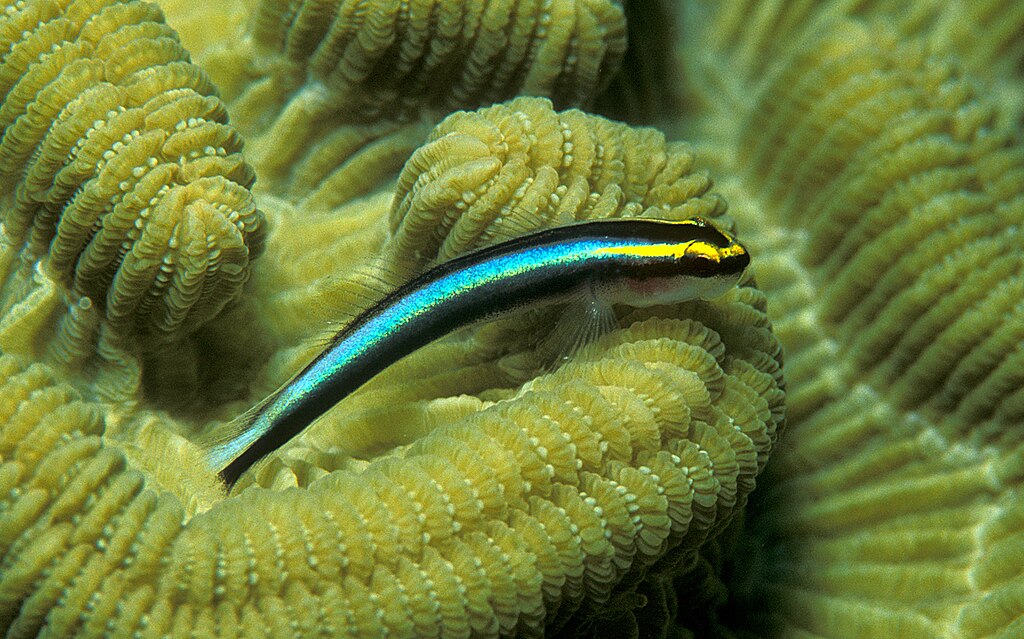
Sharknose Goby (Elacatinus evelynae)
Sharknose Goby care is simple in stable reef tanks. Learn feeding, tank setup, compatibility, and common problems for…
[favorite_button]
My Bookmarks:
To see full list click here
[user_favorites user_id="" include_links="true" site_id="" post_types="" include_thumbnails="true" thumbnail_size="thumbnail" include_excerpt="false"]