Why Add a Refugium to Your Saltwater Tank?
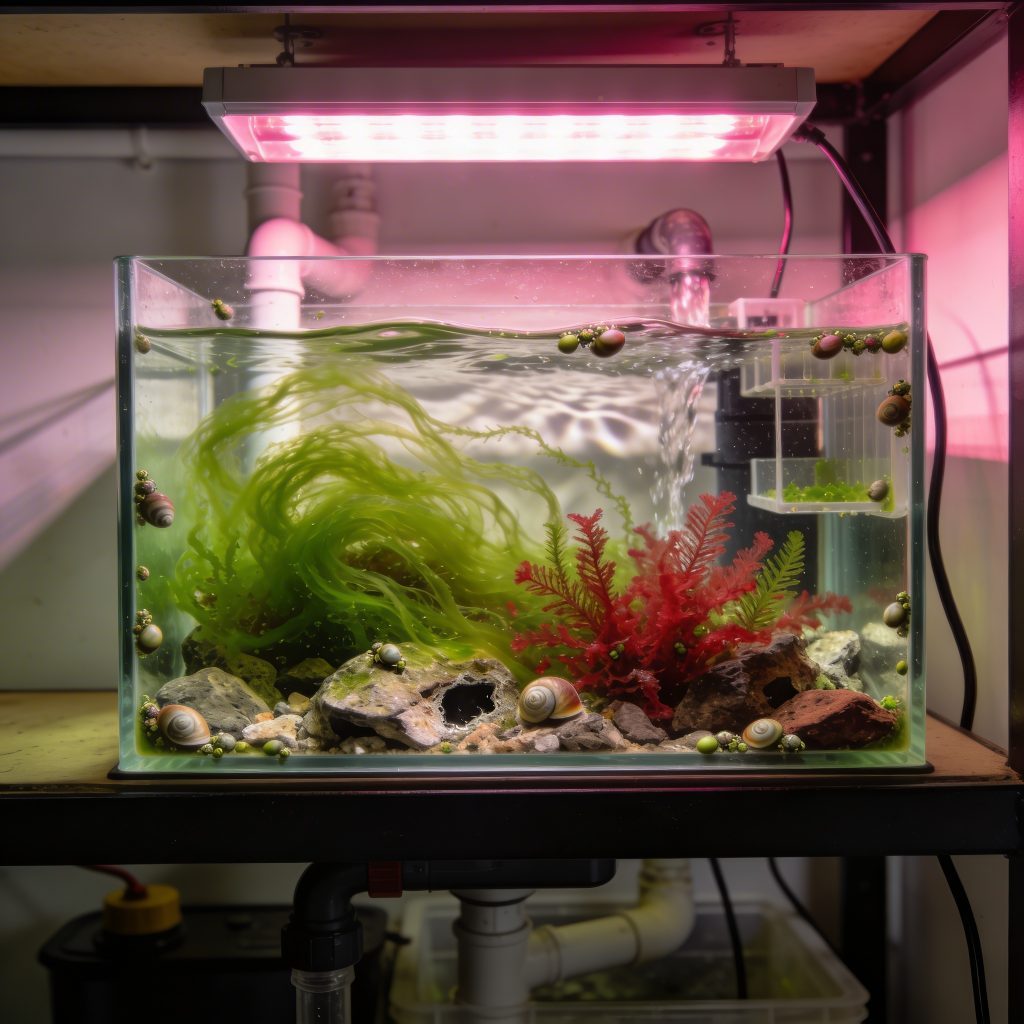
A refugium for saltwater tanks is one of the most effective upgrades you can make for long-term stability and cleaner water. A refugium is a separate but connected area of your system where you can grow macroalgae, cultivate pods, and export nutrients without disturbing your display. Think of it as a safe “refuge” that quietly works in the background to keep your reef happy.
On many systems, a refugium is built into the sump, but you can also run a hang-on-back or remote refugium. However you set it up, the core benefits are similar:
- Nutrient export: Macroalgae consume nitrate and phosphate, helping control algae in the display.
- Pod production: Copepods and amphipods reproduce here and drift into the main tank as live food.
- pH stability: Running the refugium light on a reverse schedule can help smooth out nighttime pH drops.
- Safe zone: Great place to house small inverts or delicate filter feeders away from aggressive tankmates.
Key Components of an Effective Refugium
Before plumbing in a refugium, it helps to plan your layout and goals. If you’re still planning your overall filtration, be sure to read our guide on sump vs. canister filter for saltwater tanks so your refugium fits into the bigger picture.
Refugium Size and Flow
Bigger is usually better, but even a small chamber can help. As a rule of thumb, aim for 10–20% of your display volume if space allows. Flow should be moderate:
- Enough turnover to keep detritus from settling.
- Not so strong that macroalgae are blasted around constantly.
Many hobbyists target 3–5x refugium volume per hour, adjusted based on how the algae and pods respond.
Lighting and Macroalgae Choices
Refugium lighting doesn’t need to be fancy reef lighting, but it does need the right spectrum and intensity. A compact LED grow light with a strong red/blue spectrum works very well over a shallow chamber.
Popular macroalgae options include:
- Chaetomorpha (Chaeto): The most common choice; fast growing, doesn’t attach to rock, and easy to harvest.
- Caulerpa species: Very efficient at nutrient uptake, but some types can go sexual and release spores if stressed.
- Dragon’s breath and others: Attractive but often slower growing; better for display refugia.
Set your refugium light on a reverse schedule (on at night when your display lights are off) to help stabilize pH and keep macroalgae growing steadily.
Substrate, Rock, and Critters
A bare-bottom refugium with a ball of Chaeto is simple and effective. If you want extra biological filtration, you can add:
- Live rock rubble for surface area.
- Marine pure blocks or similar media.
For clean-up, small hermits and snails can help keep the chamber tidy, but avoid anything that will devour your macroalgae. Seeding the refugium with copepods is especially useful for tanks that house mandarins or wrasses; see our article on copepods for saltwater aquariums for stocking and feeding tips.
Maintenance Tips and Common Mistakes
Once your refugium is running, it doesn’t require much work, but a bit of regular attention goes a long way.
- Harvest macroalgae regularly: Remove a portion every 1–3 weeks to physically export nutrients. If growth stalls, check nitrate, phosphate, and light intensity.
- Watch for detritus buildup: Gently siphon the bottom during water changes to prevent nutrient pockets.
- Avoid overstocking: Too many crabs or herbivores can wipe out your macroalgae and pods.
- Monitor nutrients: Extremely low nitrate and phosphate can stress corals; balance refugium growth with feeding and stocking.
Hobbyist tip: If your macroalgae stops growing but nuisance algae increase in the display, your refugium light may be too weak or old. LED grow lights do lose intensity over time—replace them every few years.
With a well-planned refugium for your saltwater tank, you gain more than just an extra chamber—you add a powerful, natural filter that supports fish, corals, and inverts over the long term. Keep the design simple, stay consistent with harvesting and cleaning, and your refugium will quietly become one of the most valuable parts of your reef system. For more filtration ideas and layout examples, check out our overview of saltwater aquarium filtration options.
Sources
- Sprung, J. & Delbeek, J. C. The Reef Aquarium, Vol. 1–3.
- Fossa, S. A. & Nilsen, A. The Modern Coral Reef Aquarium, Vol. 1–4.
- Advanced Aquarist & Reef2Reef community articles and build threads on refugium design and performance.
Was this helpful?
Related Posts
Protein Skimmer Reef Tank Guide
Learn how a protein skimmer works, how to size one, and how to tune it for a cleaner,…
 By
By
Reef Aquarium Water Parameters
Learn the ideal reef aquarium water parameters, safe ranges, and how to keep salinity, alkalinity, nutrients, and pH…